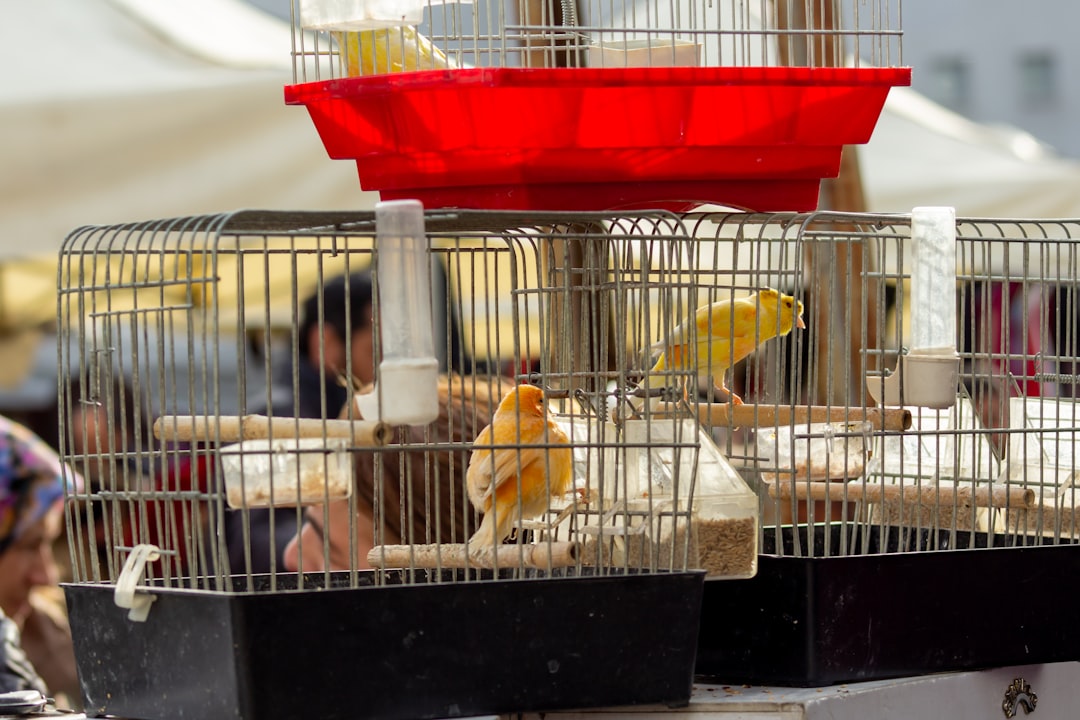
In recent years, consumer preferences regarding egg production have shifted significantly. The demand for cage-free eggs has increased substantially, driven by heightened awareness of animal welfare issues and consumer interest in more humane farming practices. Grocery stores now feature an expanding selection of products labeled as “cage-free,” reflecting a broader societal trend toward ethical consumption where consumers demonstrate greater concern about food origins and production conditions.
Several factors have contributed to the popularity of cage-free eggs, including campaigns by animal rights organizations, expanded media coverage of industrial farming practices, and evolving consumer values. Documentaries and news articles highlighting conditions in conventional battery cage systems have influenced public perception. Consequently, many consumers now willingly pay higher prices for eggs from farms that emphasize animal welfare standards.
This market shift affects individual purchasing patterns and simultaneously encourages producers to modify their practices to address the increasing demand for more humane production methods.
Key Takeaways
- Cage-free eggs come from hens that are not kept in traditional cages, offering more space and freedom of movement.
- While cage-free conditions improve animal welfare compared to caged systems, they still present challenges such as crowding and disease risk.
- Cage-free egg production has a mixed environmental impact, often requiring more land and resources than conventional methods.
- Cage-free eggs tend to have similar nutritional value to conventional eggs, with no significant differences.
- Higher production costs make cage-free eggs more expensive, but growing consumer demand drives market availability and labeling transparency.
What Does “Cage-Free” Really Mean?
When you see the term “cage-free” on an egg carton, it signifies that the hens were not confined to small cages, which is a common practice in conventional egg production. Instead, these hens are allowed to roam freely within an indoor space, often in large barns or aviaries. However, it’s essential to understand that “cage-free” does not necessarily mean that the hens have access to the outdoors.
While they enjoy more space than their caged counterparts, their living conditions can still vary significantly from one farm to another. As you delve deeper into the meaning of “cage-free,” you may discover that this label is often accompanied by other terms such as “free-range” or “pasture-raised.” Each of these labels has its own specific criteria and implications for animal welfare. For instance, free-range hens typically have access to outdoor spaces, while pasture-raised hens are provided with a more natural environment that allows them to forage and engage in natural behaviors.
Understanding these distinctions can empower you to make more informed choices when selecting eggs at the store.
The Conditions of Cage-Free Farms

Cage-free farms can vary widely in terms of their conditions and practices. While some farms prioritize the well-being of their hens by providing ample space, clean environments, and opportunities for social interaction, others may fall short of these standards. As you consider purchasing cage-free eggs, it’s crucial to recognize that not all cage-free farms are created equal.
Some may still house thousands of hens in crowded conditions, leading to stress and health issues among the birds. In an ideal cage-free environment, hens should have access to perches, nesting boxes, and sufficient space to move around comfortably. You might envision a barn filled with happy hens clucking and foraging together, but the reality can be quite different on some farms.
It’s essential to research specific brands or farms to ensure that they adhere to high welfare standards. By doing so, you can support producers who genuinely prioritize the health and happiness of their animals.
The Impact on Animal Welfare
The transition from battery cages to cage-free systems represents a significant improvement in animal welfare for hens. You may feel reassured knowing that cage-free hens have more freedom to move around and engage in natural behaviors such as nesting and dust bathing. This shift has been championed by various animal welfare organizations that advocate for better living conditions for farm animals.
However, while cage-free systems are an improvement over traditional battery cages, they are not without their challenges. You might be surprised to learn that overcrowding can still occur in some cage-free environments, leading to stress and aggression among hens. Additionally, without proper management practices, issues such as feather pecking and disease can arise.
Therefore, while cage-free systems are a step in the right direction, ongoing efforts are needed to ensure that all hens are treated humanely throughout their lives.
The Environmental Impact of Cage-Free Eggs
| Metric | Description | Typical Values/Details |
|---|---|---|
| Definition | Housing system where hens are not kept in cages but can roam inside a barn or aviary | Indoor, cage-free environment |
| Space per Hen | Amount of floor space provided per hen | Approximately 1 to 1.5 square feet per hen |
| Outdoor Access | Whether hens have access to outdoor areas | Usually no outdoor access (differs from free-range) |
| Animal Welfare | Impact on hen well-being compared to caged systems | Improved movement and natural behaviors, but potential crowding issues |
| Common Misconceptions | What consumers often misunderstand about cage-free eggs | Not necessarily outdoor or pasture-raised; still indoors |
| Egg Production | Typical egg yield per hen in cage-free systems | Similar to caged hens, around 250-300 eggs per year |
| Cost Impact | Relative cost difference of cage-free eggs vs conventional | Generally 20-50% higher retail price |
The environmental implications of egg production are becoming increasingly relevant as consumers like you seek sustainable food options. Cage-free egg production can have both positive and negative environmental impacts compared to conventional methods. On one hand, cage-free systems often require more land due to the need for larger barns and outdoor access for free-range hens.
This increased land use can lead to habitat loss if not managed responsibly. On the other hand, cage-free systems may promote better waste management practices and reduce pollution associated with concentrated animal feeding operations (CAFOs). You might find it interesting that some studies suggest cage-free farms can have lower greenhouse gas emissions per egg produced when managed sustainably.
As you consider your choices, it’s essential to weigh these environmental factors alongside animal welfare concerns to make decisions that align with your values.
The Nutritional Value of Cage-Free Eggs
When it comes to nutrition, you may wonder if there is a significant difference between cage-free eggs and those produced in conventional systems. Research indicates that there is little variation in the nutritional content of eggs based solely on their production method.
However, some consumers believe that cage-free eggs may have superior taste or quality due to the hens’ improved living conditions and diet.
While scientific evidence on this topic is limited, personal preferences often play a significant role in your decision-making process when it comes to choosing eggs.
The Cost of Cage-Free Eggs
One of the most noticeable differences between cage-free eggs and conventional eggs is the price point. As you browse the egg section at your grocery store, you may find that cage-free eggs often come with a higher price tag. This increase in cost can be attributed to several factors, including the more extensive space requirements for hens and the additional resources needed for their care.
While some consumers are willing to pay a premium for cage-free eggs due to their perceived ethical benefits, others may find it challenging to justify the expense. You might consider budgeting for these higher-priced options as part of your commitment to supporting animal welfare. Additionally, many retailers are beginning to offer sales or promotions on cage-free products, making them more accessible for consumers who want to make ethical choices without breaking the bank.
The Labeling and Certification of Cage-Free Eggs
Navigating the world of egg labeling can be confusing for consumers like you who want to make informed choices. The term “cage-free” is not regulated by a single governing body, which means that different brands may interpret it differently. To help you make sense of these labels, various certification programs exist that set specific standards for animal welfare.
When shopping for cage-free eggs, look for certifications from reputable organizations such as Certified Humane or Animal Welfare Approved. These certifications ensure that farms adhere to strict guidelines regarding hen care and living conditions. By choosing products with recognized certifications, you can feel confident that your purchase aligns with your values regarding animal welfare.
Consumer Demand for Cage-Free Eggs
The increasing consumer demand for cage-free eggs has prompted many retailers and food companies to reevaluate their sourcing practices. As you become more aware of animal welfare issues, your purchasing decisions can influence larger market trends. Many grocery chains have committed to phasing out conventional eggs in favor of cage-free options in response to consumer pressure.
This shift in demand is not only changing the landscape of egg production but also encouraging farmers to adopt more humane practices. You may find it encouraging that your choices as a consumer can drive positive change within the food industry. By supporting brands that prioritize animal welfare, you contribute to a growing movement towards more ethical food production.
Challenges and Controversies Surrounding Cage-Free Eggs
Despite the positive strides made in promoting cage-free egg production, challenges and controversies remain prevalent in this sector. One significant issue is the potential for misleading labeling practices that can confuse consumers like you. Some brands may market their products as “cage-free” while failing to meet high welfare standards or providing adequate living conditions for hens.
Additionally, there are ongoing debates about whether cage-free systems truly represent a sustainable solution for egg production. Critics argue that while these systems improve animal welfare compared to battery cages, they may still contribute to environmental degradation if not managed properly. As you navigate these complexities, it’s essential to stay informed about both sides of the argument and consider how your choices impact not only animal welfare but also environmental sustainability.
Making Informed Choices About Cage-Free Eggs
As a conscious consumer, making informed choices about cage-free eggs involves understanding various factors such as animal welfare standards, environmental impacts, nutritional value, and pricing. You have the power to influence change through your purchasing decisions by supporting brands that prioritize ethical practices. To make informed choices, consider researching specific brands or farms before purchasing eggs.
Look for certifications that align with your values and seek out local producers who prioritize humane treatment of animals. By taking these steps, you can ensure that your choices reflect your commitment to animal welfare while also enjoying delicious and nutritious eggs. In conclusion, the rise of cage-free eggs represents a significant shift in consumer attitudes towards food production and animal welfare.
By understanding what “cage-free” truly means and considering various factors such as environmental impact and nutritional value, you can make informed choices that align with your values as a consumer. Your decisions matter; they contribute to a growing movement towards more humane and sustainable food systems.
If you’re curious about the true meaning of “cage-free” and its implications for animal welfare, you might find the article on this page particularly insightful. It delves into the standards and practices associated with cage-free farming, providing a comprehensive overview that complements the discussion on what “cage-free” really entails.
FAQs
What does “cage-free” mean in egg production?
“Cage-free” refers to hens that are raised without being confined to traditional battery cages. These hens are typically able to walk, spread their wings, and lay eggs in nests inside a barn or poultry house, but they are not necessarily raised outdoors.
Are cage-free hens raised outdoors?
Not necessarily. Cage-free hens live indoors in a barn or poultry house but have more space to move around compared to caged hens. However, “cage-free” does not guarantee outdoor access; that term is usually associated with “free-range” or “pasture-raised” labels.
How does cage-free differ from free-range and pasture-raised?
Cage-free hens live indoors without cages but may not have outdoor access. Free-range hens have some access to the outdoors, though the amount and quality of outdoor space can vary. Pasture-raised hens typically have significant outdoor access and more space to roam on pasture.
Are cage-free eggs more humane than conventional eggs?
Cage-free systems generally provide hens with more freedom of movement than conventional battery cages, which is considered more humane. However, cage-free hens can still face issues such as overcrowding, poor air quality, and stress, depending on the farm’s management practices.
Do cage-free eggs cost more than conventional eggs?
Yes, cage-free eggs typically cost more due to higher production costs associated with providing more space and better living conditions for hens.
Is “cage-free” regulated or certified?
The term “cage-free” is regulated by the United States Department of Agriculture (USDA) for egg labeling, meaning hens are not kept in cages. However, the specifics of living conditions can vary widely, and additional certifications (like Certified Humane) may provide more detailed welfare standards.
Does cage-free mean antibiotic-free or organic?
No. Cage-free refers only to the housing system of the hens. Antibiotic use and organic status are separate claims and require different certifications.
Can cage-free hens still be subjected to debeaking or other practices?
Yes. Cage-free systems do not prohibit practices like debeaking, which is often used to reduce pecking injuries in flocks. Animal welfare certifications may have additional restrictions on such practices.
Are cage-free eggs better for the environment?
The environmental impact of cage-free eggs can vary. Cage-free systems often require more land and resources per bird compared to caged systems, which can increase environmental footprint. However, management practices greatly influence overall sustainability.
How can consumers verify if eggs are truly cage-free?
Consumers can look for USDA cage-free labeling on egg cartons. For additional assurance, third-party certifications such as Certified Humane or Animal Welfare Approved provide stricter welfare standards and auditing.