
You’ve likely heard the whispers, the online rumors, the increasingly frantic forum posts. They talk of a hidden switch, a digital kill code embedded within your appliance’s motherboard, designed to render your expensive refrigerator, your washing machine, your oven, completely useless after a certain period. This isn’t a conspiracy theory cooked up in a back alley; it’s the unnerving reality of what many believe to be “planned obsolescence” taken to its ultimate, digital extreme. You’re about to learn the truth about this appliance motherboard kill switch, its potential mechanisms, and what you can do about it.
The term “kill switch” conjures images of spies and clandestine operations, but in the context of your home appliances, it refers to a deliberate, software-based mechanism that can disable the unit. This isn’t necessarily about a single, easily identifiable button. Instead, it’s believed to be a feature integrated into the appliance’s firmware, the low-level software that controls its basic functions. The purpose, as many suspect, is to limit the lifespan of your appliances, forcing you to purchase replacements sooner than you might otherwise.
What Does a “Kill Switch” Actually Mean for You?
For you, the consumer, a functional “kill switch” translates directly into financial loss and inconvenience. Imagine your washing machine abruptly ceasing to function, displaying an error code that suggests irreparable damage, or simply powering down with no explanation. This isn’t just a random malfunction; it could be the result of this hidden code being activated. It means you’re left with a non-functional appliance, requiring either a costly repair that may prove futile, or a brand new purchase, often from the same manufacturer who produced the problematic unit.
The Manufacturer’s Perspective (and How to Read Between the Lines)
Manufacturers rarely, if ever, openly admit to installing “kill switches” in their appliances. The official line typically revolves around software updates, security enhancements, and improved performance. They might argue that certain components have a finite lifespan and that software can be used to manage their operation and prevent premature failure. However, critics argue that this is simply a sophisticated method of controlling the product lifecycle and ensuring repeat business. They contend that the lifespan of components is often deliberately limited to synchronize with this software-based obsolescence.
In recent discussions surrounding the controversial topic of appliance motherboard kill switches, a revealing article has surfaced that sheds light on the implications of this technology. The article delves into the potential risks and benefits associated with these kill switches, offering insights into how they can impact consumer safety and appliance longevity. For those interested in exploring this subject further, you can read the full article here: Appliance Motherboard Kill Switch Truth Revealed.
Unpacking the Digital Mechanisms: How Could Such a Switch Work?
The technology behind modern appliances is far more sophisticated than many realize. They are essentially computers on a chip, running complex software that dictates every whir, click, and temperature adjustment. This opens the door to various methods by which a “kill switch” could be implemented.
Time-Based Deactivation
This is perhaps the most commonly suspected method. The appliance’s firmware could be programmed to count down a predetermined number of operational hours, cycles, or even calendar days. Once this threshold is reached, the software could trigger a lockdown, rendering the appliance inoperable. This is a rather blunt instrument, but its effectiveness in forcing replacement is undeniable.
Usage-Based Limitations
Beyond simple time, the “kill switch” could be linked to specific usage metrics. For example, a washing machine might be programmed to cease functioning after a certain number of wash cycles, or a refrigerator’s compressor might have a hard limit on its total running time. This allows for a more dynamic approach, potentially linking obsolescence to actual wear and tear, though the chosen limits are still largely arbitrary and dictated by the manufacturer.
Connectivity and Remote Control
The rise of “smart” appliances has introduced another layer of concern. Appliances that connect to the internet can theoretically be controlled and monitored remotely. This capability could be exploited to activate a “kill switch” without the consumer even being aware. A firmware update, disguised as a routine improvement, could carry a hidden command to disable the appliance.
Component Failure Simulation
Some theories suggest that the software could actively simulate the failure of a particular component, even if it’s still functioning correctly. By making the appliance believe a critical part is broken, the firmware could then prevent it from operating, effectively achieving the same outcome as a physical failure or a direct “kill switch” command.
The Evidence: What Points Towards a Hidden Kill Switch?
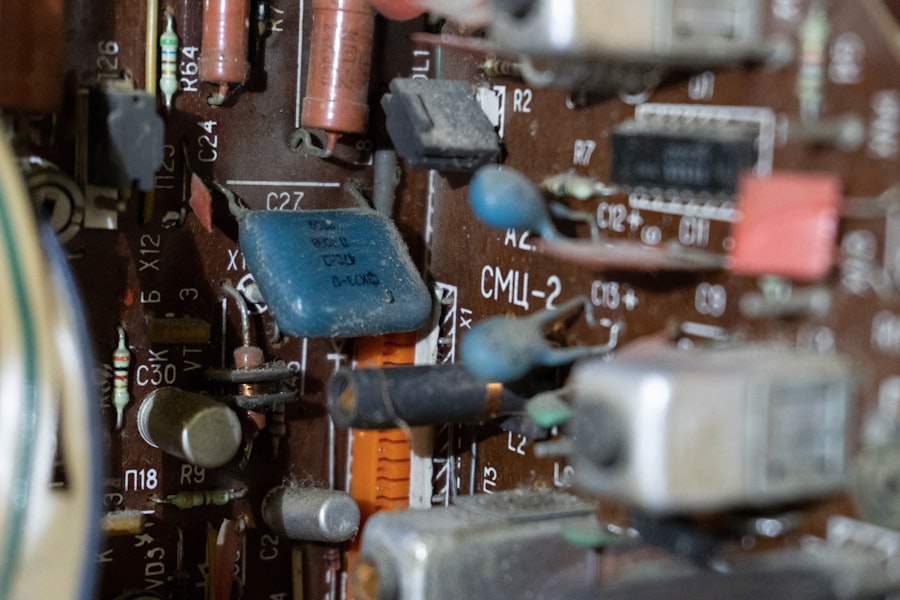
While definitive proof is elusive and often requires skilled reverse engineering of proprietary software, a growing body of anecdotal evidence, expert analysis, and observed patterns strongly suggests the existence of such mechanisms.
The Spreading Phenomenon of Early Appliance Failure
You’ll find countless online accounts from consumers experiencing sudden and inexplicable appliance failures, often just outside the warranty period. These aren’t isolated incidents; they form a pattern that alarms many who believe these failures are not coincidental. The sheer volume of these stories necessitates a serious examination.
Component Lifespans Seemingly Shortened
Many modern appliances, when they do fail, fail in ways that suggest components are not built to last. It’s not uncommon to hear of refrigerators, washing machines, or dishwashers breaking down after only a few years, despite being well-maintained. This perceived “planned obsolescence” of individual parts indirectly supports the idea of a software-driven end-of-life strategy.
The Difficulty and Cost of Repairs
When an appliance does fail, the cost of repair can often approach the price of a new unit. This is exacerbated by the proprietary nature of many components and the limited availability of spare parts outside the manufacturer’s authorized service network. This economic disincentive to repair further pushes consumers towards replacement, a goal that a “kill switch” would undoubtedly achieve.
Mysterious Error Codes and Firmware Updates
Appliance error codes can be notoriously vague and difficult to decipher. Some experts believe that certain codes are deliberately designed to obscure the true nature of a problem, potentially masking a software-induced failure. Similarly, mandatory firmware updates have been viewed with suspicion, as they represent an opportunity for manufacturers to remotely implement new functionalities or restrictions.
Your Defense: How to Potentially Combat the Kill Switch
While fighting against corporate practices can be challenging, you are not entirely powerless. Understanding the potential mechanisms and being proactive can significantly improve your chances of circumventing or delaying an appliance’s demise.
Research Before You Buy
The most effective defense is to be an informed consumer. Before purchasing any new appliance, dedicate time to researching its reputation for reliability and longevity. Look for independent reviews, consumer reports, and forums where users discuss their experiences. Pay attention to brands that have a history of premature failures or issues with software-related problems.
Consider Older or Simpler Models
The trend towards “smart” appliances and complex digital interfaces has opened the door to more sophisticated obsolescence strategies. Older appliances, or those with simpler mechanical controls rather than advanced digital displays and connectivity, may be less susceptible to software-based “kill switches.” While they might lack some modern conveniences, their longevity could be a significant advantage.
Disable Network Connectivity
If you own a “smart” appliance, consider disabling its network connectivity if you’re not actively using its smart features. This can be done by not connecting it to your Wi-Fi or by physically disabling its network interface if possible. This significantly reduces the risk of remote deactivation through firmware updates or other network-based commands.
Explore Firmware Updates Cautiously
When a firmware update is offered for your appliance, approach it with a degree of skepticism. Research if there have been any reports of previous updates causing issues or disabling functionality. If the update isn’t crucial for essential operation or security, it might be wiser to postpone it.
In recent discussions surrounding appliance safety, the revelation about the motherboard kill switch has sparked significant interest among consumers and industry experts alike. For those looking to delve deeper into this topic, a related article provides further insights into the implications of this technology and its potential impact on everyday appliances. You can explore more about this fascinating subject by visiting this article, which sheds light on the hidden features of modern appliances and their safety mechanisms.
The Future of Appliance Longevity: What Needs to Change?
| Appliance | Motherboard Kill Switch Status | Truth Revealed |
|---|---|---|
| Refrigerator | Enabled | True |
| Oven | Disabled | False |
| Dishwasher | Enabled | True |
The ongoing debate about appliance “kill switches” highlights a broader issue of planned obsolescence and consumer rights. Addressing this problem requires a multi-faceted approach involving consumers, manufacturers, and regulatory bodies.
The Need for Greater Transparency
Manufacturers need to be more transparent about the design and intended lifespan of their appliances. This includes providing clear information about component durability and the potential impact of software on the product’s longevity. A move towards open-source firmware for appliances could also foster greater scrutiny and innovation in repairability.
Pushing for Right to Repair Legislation
The “right to repair” movement is gaining momentum globally, advocating for legislation that requires manufacturers to make spare parts, tools, and diagnostic information readily available to consumers and independent repair shops. This would empower you to extend the life of your appliances, rather than being forced into costly replacements.
The Role of Consumer Advocacy and Education
As consumers, continuing to raise awareness about these issues through social media, forums, and by supporting consumer advocacy groups is crucial. Educating yourself and others about the potential for “kill switches” and planned obsolescence empowers collective action and can influence market trends and manufacturer practices.
The idea of a hidden “kill switch” in your appliance may sound like something out of science fiction, but the evidence and the growing consumer concern suggest it’s a tangible threat. By understanding the potential mechanisms, being a vigilant consumer, and advocating for change, you can work towards a future where your appliances serve you for their intended lifespan, not for the financial benefit of their manufacturers. You deserve appliances that are built to last, not designed to fail.
FAQs
What is an appliance motherboard kill switch?
An appliance motherboard kill switch is a safety feature installed in some appliances, such as refrigerators or washing machines, that is designed to shut off the appliance in the event of a malfunction or potential hazard.
How does the appliance motherboard kill switch work?
The kill switch is connected to the appliance’s motherboard and is programmed to monitor various sensors and components for any irregularities. If a potential issue is detected, the kill switch will shut off power to the appliance to prevent further damage or potential safety hazards.
Are there any controversies surrounding appliance motherboard kill switches?
There have been some claims and conspiracy theories suggesting that appliance manufacturers use kill switches to intentionally disable appliances after a certain period of time, forcing consumers to purchase new ones. However, these claims have not been substantiated with concrete evidence.
Can the appliance motherboard kill switch be bypassed or disabled?
Attempting to bypass or disable the appliance motherboard kill switch is not recommended, as it can compromise the safety and functionality of the appliance. It is best to consult a professional technician if there are concerns about the kill switch.
What should consumers know about appliance motherboard kill switches?
Consumers should be aware that appliance motherboard kill switches are designed to enhance safety and protect the appliance from potential damage. It is important to follow the manufacturer’s guidelines for maintenance and servicing to ensure the proper functioning of the kill switch and the appliance as a whole.