
You’ve likely experienced it. The anticipation of that package, the convenient click of “order,” and the almost magical appearance of it at your doorstep. Last-mile delivery, the final leg of the journey from a distribution center to your home or business, feels seamless, almost an afterthought once the product is in your possession. But behind that apparent simplicity lies a complex, often costly, and increasingly challenging operational reality. You might think of it as just dropping off a box, but for logistics companies, it’s a crucial, and frequently the most expensive, part of the entire supply chain. Understanding the true cost of last-mile delivery is essential, not just for the businesses struggling to make it profitable, but for you, as a consumer ultimately bearing the brunt of those inefficiencies.
When you see a delivery fee, or more often, no delivery fee at all (a sunk cost for the retailer), you’re seeing a fraction of the story. The true cost of last-mile delivery extends far beyond the obvious fuel and driver wages. It’s a multifaceted expenditure that can significantly impact the profitability of e-commerce businesses and, by extension, the prices you ultimately pay for goods.
Labor: The Human Engine of the Operation
The most significant and often escalating cost within last-mile delivery is labor. This isn’t just about the hourly wage of the delivery driver; it encompasses a wider spectrum of personnel and associated expenses.
Driver Wages and Benefits
This is the most direct labor cost. As demand for delivery services has surged, so has the competition for qualified drivers. This drives up wages, especially in densely populated urban areas where traffic congestion and parking challenges add to the burden. Beyond basic wages, consider the costs associated with benefits packages, including health insurance, retirement contributions, and paid time off. These are essential for retaining a stable workforce but represent a substantial financial commitment.
Training and Onboarding
New drivers need to be trained not only on safe driving practices and delivery protocols but also on the use of specialized handheld devices, navigation systems, and customer interaction etiquette. The time and resources invested in onboarding can be considerable, especially if driver turnover is high.
Supervisory and Management Overhead
Behind every fleet of delivery vehicles are supervisors, dispatchers, route planners, and managers. These individuals are responsible for scheduling, optimizing routes, handling exceptions, managing driver performance, and ensuring overall operational efficiency. Their salaries and the resources they require (office space, technology) are integral to the delivery process.
The Gig Economy Factor
While the rise of the gig economy has offered flexibility and expanded delivery capacity, it also introduces a different set of cost considerations. While some might argue it reduces fixed labor costs, companies still incur expenses related to platform management, driver vetting, and ensuring compliance with labor regulations. Furthermore, the potential for inconsistent service quality and the need for robust management of a dispersed workforce can add indirect costs.
Infrastructure and Fleet: The Physical Backbone
The vehicles themselves and the facilities that support them are major capital and operational expenses. These are the tangible assets that enable the delivery process.
Vehicle Acquisition and Maintenance
Purchasing or leasing a fleet of delivery vans, trucks, or even bicycles represents a significant upfront investment. This is compounded by the ongoing costs of maintenance, repairs, insurance, and fuel. The lifespan of these vehicles, the cost of specialized equipment (like temperature-controlled units for groceries), and the need for regular upgrades all contribute to the financial burden.
Warehousing and Distribution Centers
While you might not directly see them, strategically located micro-fulfillment centers and urban distribution hubs are essential for efficient last-mile operations. These facilities require significant investment in real estate, construction, and technology. Their proximity to customer bases is crucial for reducing travel times and costs, but acquiring and maintaining these prime locations is often expensive.
Technology and Software Investments
Modern last-mile delivery relies heavily on sophisticated technology. This includes route optimization software, real-time tracking systems, warehouse management systems (WMS), and customer communication platforms. The initial purchase or subscription fees, along with ongoing maintenance, updates, and the need for skilled IT personnel to manage these systems, represent a substantial investment.
Operational Inefficiencies: The Hidden Drain
Even with well-managed infrastructure and a dedicated workforce, several operational factors can silently inflate the cost of last-mile delivery. These are often the hardest to quantify but have a significant impact.
Route Optimization Challenges
Despite advancements in technology, achieving perfectly optimized routes is a constant challenge. Factors like unpredictable traffic, delivery time windows, the need for dynamic rerouting due to unforeseen circumstances, and customer availability can lead to suboptimal routes, increased mileage, and wasted time and fuel.
Failed Deliveries and Returns
When a delivery fails – due to an incorrect address, an absent recipient, or refusal of the package – the costs multiply. The item must be returned to the distribution center, incurring additional transportation, handling, and processing expenses. This also ties up inventory and delays the opportunity for resale, representing a significant financial drain.
Redundant Deliveries
In areas with high delivery density, multiple delivery providers might be servicing the same streets, leading to multiple vehicles traveling the same routes. This duplication of effort contributes to increased mileage, fuel consumption, and driver time, ultimately driving up costs for all involved.
Parking and Access Issues
In dense urban environments, finding legal and safe parking can be a significant time sink. Drivers often spend valuable minutes circling blocks, waiting for space to become available, or facing fines for illegal parking. Difficulty accessing apartment buildings or gated communities can also add to delivery times and complexity.
Peak Demand Management
Seasonal peaks (like holidays) or unexpected surges in demand can strain delivery networks. Scaling operations quickly to meet these demands often involves temporary staff, overtime, and potentially inefficient last-minute resource allocation, all of which increase costs.
The real cost of last mile delivery in logistics is a critical topic that has garnered significant attention in recent years, especially as e-commerce continues to grow. For a deeper understanding of the complexities and challenges involved in this aspect of logistics, you can explore a related article that discusses various factors influencing last mile delivery costs. This insightful piece can be found at Hey Did You Know This, where it delves into the economic implications and innovative solutions being implemented to optimize delivery efficiency.
The Environmental Footprint: A Cost Beyond Economics
While not always reflected directly in the price of your delivery, the environmental impact of last-mile logistics is a cost society bears. Recognizing this adds another layer to understanding the “true” cost.
Carbon Emissions and Pollution
The sheer volume of delivery vehicles on the road, particularly in urban areas, contributes significantly to air pollution and greenhouse gas emissions. The reliance on fossil fuels for transportation exacerbates climate change and has direct negative impacts on public health.
Fuel Consumption
The constant stop-and-go nature of urban deliveries, coupled with inefficient routes and traffic congestion, leads to excessive fuel consumption. This not only adds to operational costs but also depletes finite natural resources.
Noise Pollution
The increased presence of delivery vehicles, especially large trucks, contributes to noise pollution in residential and commercial areas, impacting the quality of life for those living and working nearby.
Waste Generation
Last-mile delivery can also contribute to waste. Packaging materials, damaged goods that are discarded, and even the vehicles themselves at the end of their lifecycle represent environmental costs.
The Drive for Sustainability: A Costly but Necessary Shift
Addressing the environmental impact requires significant investment in greener solutions. This includes transitioning to electric vehicles (EVs), optimizing routes for efficiency, and exploring alternative delivery methods, all of which carry upfront and ongoing costs that are eventually passed on to consumers or borne by the companies.
The Consumer’s Role: The Hidden Cost Bearer
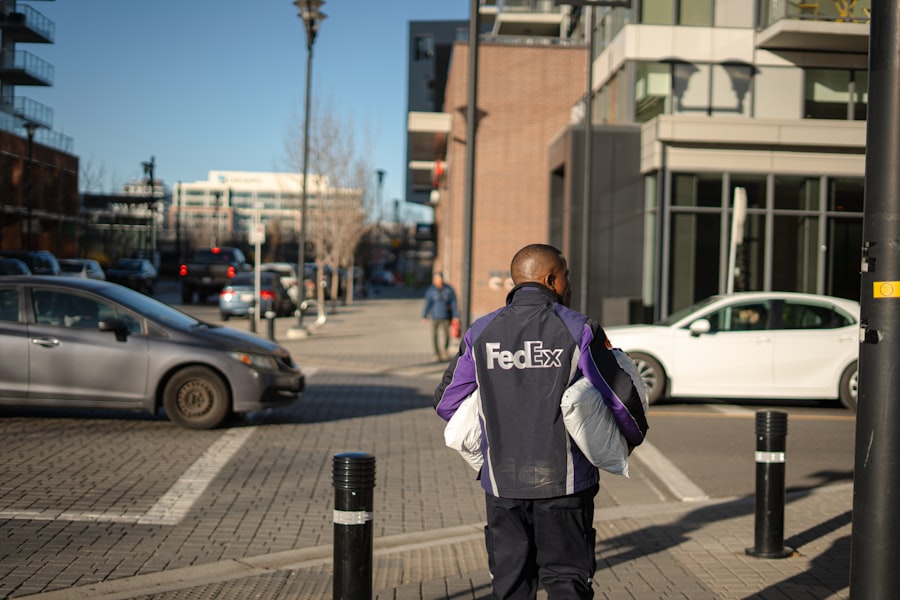
While you might perceive last-mile delivery as a free or low-cost service, you are, in essence, the ultimate stakeholder in its cost structure. Those inefficiencies and expenses are often subtly passed on to you.
The E-commerce “Discount” Illusion
The prevalence of free shipping on e-commerce platforms is a prime example. While attractive to consumers, this service is not truly free. Retailers absorb the cost, often by building it into the product price, accepting lower profit margins, or by pushing for greater operational efficiencies that can sometimes lead to compromises in service quality or speed.
Delivery Speed vs. Cost Trade-offs
When you opt for expedited shipping, you are directly paying for the increased operational cost required to get your package to you faster. This often involves more direct routing, potentially additional labor, and a prioritization that incurs higher expenses. Conversely, choosing slower delivery options can sometimes allow companies to consolidate deliveries and operate more efficiently, potentially leading to lower overall costs.
The Impact of Packaging
Over-packaging, while sometimes intended for product protection, adds to material costs for businesses and waste for consumers. The drive for eco-friendly packaging solutions, while positive environmentally, can also involve higher material and production costs.
The Value of Your Time: A Less Tangible Cost
While not a direct monetary expense for you, the time you spend waiting for deliveries, dealing with failed attempts, or retrieving packages from collection points is a tangible cost in terms of your personal convenience and productivity.
The Future Landscape: Innovation and Evolving Costs

The last-mile delivery landscape is in constant flux, driven by technological advancements, evolving consumer expectations, and the persistent pressure to reduce costs while improving service.
Evolving Technologies and Their Costs
The adoption of new technologies, from autonomous delivery robots and drones to advanced AI-powered route optimization, promises greater efficiency. However, these innovations come with significant research, development, and implementation costs. The initial investment in new fleets of robots or the development of sophisticated AI algorithms is substantial and will likely be factored into delivery costs.
Last-Mile Hubs and Consolidation Centers
The trend towards smaller, more localized fulfillment centers and consolidation hubs aims to bring inventory closer to customers, reducing travel distances. While this can improve speed and potentially reduce vehicle mileage, the establishment and operation of these numerous, strategically placed facilities represent a significant real estate and operational investment.
Gig Economy Evolution and Regulation
The future of gig economy delivery is uncertain, with ongoing debates around worker rights and classification. Any significant regulatory changes could impact the cost structure for companies relying heavily on this model, potentially leading to increased labor costs.
Consumer Behavior and Demand Shaping
As consumer expectations for faster, more convenient, and potentially more sustainable delivery options continue to grow, logistics providers will face increasing pressure to innovate. Meeting these demands often requires investment in new infrastructure, technology, and operational models, all of which will influence the underlying costs.
The real cost of last mile delivery in logistics is a critical topic that many businesses are beginning to understand more deeply. As companies strive to enhance their supply chain efficiency, they often overlook the complexities and expenses associated with the final leg of delivery. For a more in-depth exploration of this issue, you can read a related article that discusses various factors influencing these costs and offers insights into optimizing delivery strategies. To learn more about this important aspect of logistics, check out this informative piece here.
The Ever-Present Pressure: Seeking Profitability in a Complex Chain
| Cost Factor | Impact |
|---|---|
| Fuel | Significant impact due to fluctuating prices |
| Labor | High impact due to wages and benefits |
| Vehicle Maintenance | Costly due to wear and tear |
| Insurance | Steady impact on overall cost |
| Technology | Initial investment for tracking and optimization |
Ultimately, the true cost of last-mile delivery is a constant balancing act for logistics providers. They are under immense pressure to deliver quickly and reliably while simultaneously striving for profitability in an increasingly competitive market.
The Squeeze on Margins
The high operational costs associated with last-mile delivery, coupled with consumer expectations for low or no delivery fees, create a significant squeeze on profit margins for many businesses. This forces them to constantly seek ways to reduce expenses, often through automation, route optimization, and increased efficiency.
The Role of Aggregators and Marketplaces
The rise of delivery aggregators and online marketplaces, while offering convenience to consumers, often negotiate commission rates that further reduce the profitability of delivery services. This can lead to a race to the bottom in terms of pricing, making it even harder for individual delivery providers to absorb their true costs.
The Strategic Imperative of Efficiency
For businesses engaged in e-commerce, mastering last-mile delivery is no longer just a logistical necessity; it’s a strategic imperative. The ability to execute this final leg of the journey efficiently and cost-effectively can be a key differentiator in a crowded market and a significant driver of customer loyalty. The true cost of last-mile delivery underscores the need for continuous innovation and adaptation within the logistics sector. It’s a complex puzzle where every piece, from the driver to the technology to the final package placement, contributes to the overall financial and operational equation.
FAQs
What is last mile delivery in logistics?
Last mile delivery in logistics refers to the final stage of the delivery process, where a package is transported from a distribution center to its ultimate destination, typically a residential or commercial address. This stage is often the most expensive and time-consuming part of the delivery process.
What factors contribute to the cost of last mile delivery?
Several factors contribute to the cost of last mile delivery, including fuel prices, labor costs, vehicle maintenance, traffic congestion, and the need for specialized equipment or services such as white glove delivery or installation.
How does last mile delivery impact the environment?
Last mile delivery can have a significant impact on the environment due to the emissions from delivery vehicles, traffic congestion, and the use of packaging materials. Companies are increasingly exploring sustainable delivery options, such as electric vehicles and alternative delivery methods, to reduce their environmental footprint.
What are some strategies to reduce the cost of last mile delivery?
Some strategies to reduce the cost of last mile delivery include route optimization, leveraging technology such as GPS tracking and delivery management software, implementing delivery lockers or pickup points, and partnering with third-party logistics providers to streamline operations.
What are the challenges of last mile delivery in logistics?
Challenges of last mile delivery in logistics include the need for timely and accurate delivery, managing customer expectations, navigating urban areas with limited access, and dealing with issues such as missed deliveries or returns. Additionally, the rise of e-commerce has increased the demand for last mile delivery services, putting pressure on logistics companies to meet growing customer expectations.