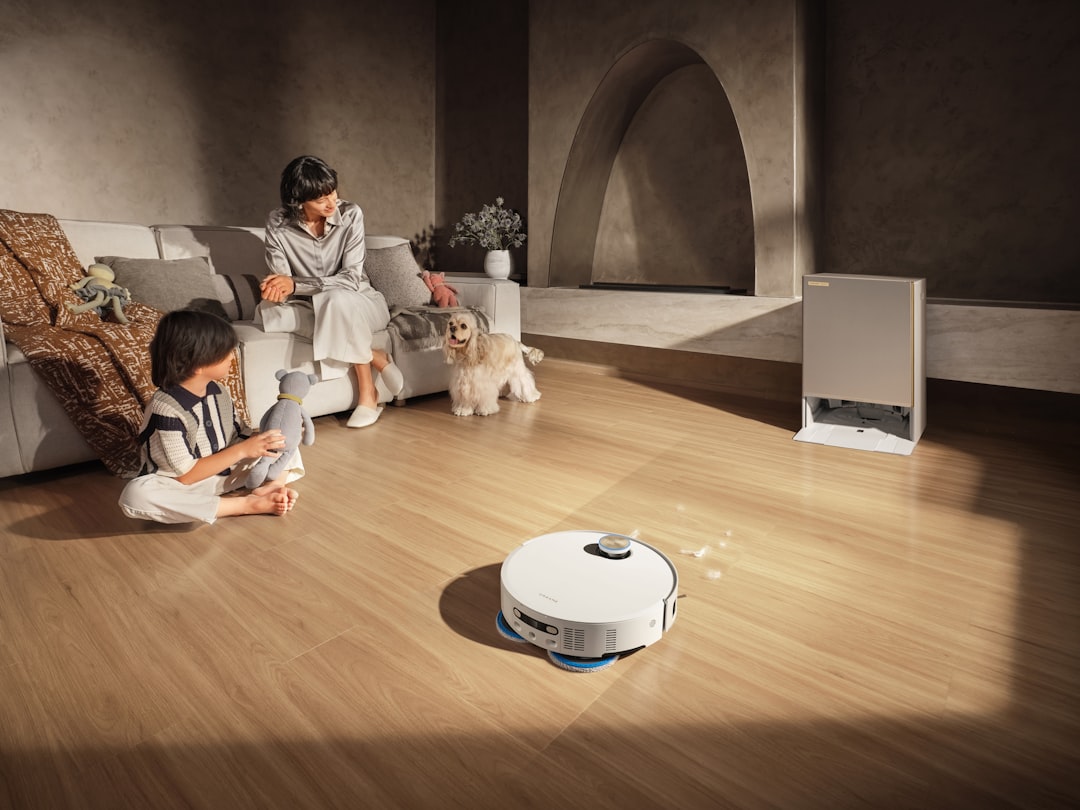
The landscape of home automation is continually evolving, and the robot vacuum cleaner remains a cornerstone of this technological shift. As 2025 dawns, the market offers a diverse array of devices, each boasting advancements in navigation, suction power, obstacle avoidance, and smart home integration. For consumers seeking to delegate the chore of floor cleaning, discerning the most suitable robot vacuum requires a comprehensive understanding of current capabilities and emerging trends. This guide aims to provide a detailed overview of the top contenders for 2025, assisting potential buyers in making an informed decision.
The selection criteria for this guide are based on a combination of performance metrics, user feedback, technological innovation, and value proposition. We have evaluated vacuums across various price points and feature sets to accommodate a broad spectrum of consumer needs and budgets. The following sections delve into the key aspects to consider when purchasing a robot vacuum, followed by an in-depth look at some of the leading models.
Robot vacuums have moved beyond rudimentary bump-and-go navigation. The sophisticated systems employed in 2025 models are designed for efficient and intelligent coverage of domestic spaces. Understanding these technologies is crucial for appreciating the differences between various models and anticipating their performance in specific home environments.
LiDAR vs. vSLAM: Mapping Your Home with Precision
The ability to accurately map a home is fundamental to a robot vacuum’s effectiveness. Two primary technologies dominate this space: LiDAR (Light Detection and Ranging) and vSLAM (Visual Simultaneous Localization and Mapping).
LiDAR Navigation: The Established Standard
LiDAR systems typically use a spinning laser to measure distances to surrounding objects, creating a detailed 3D map of the environment. This technology is known for its accuracy in various lighting conditions and its ability to quickly generate precise floor plans.
- Advantages: High precision, reliable in darkness, efficient route planning, detailed room mapping.
- Disadvantages: Can be more expensive, some users report concerns about the spinning sensor potentially snagging on low-hanging objects.
vSLAM Navigation: The Visual Approach
vSLAM systems utilize cameras to “see” and interpret the environment, building a map based on visual features. These systems learn to recognize furniture, walls, and other landmarks to orient themselves and navigate.
- Advantages: Often found in more budget-friendly models, can potentially avoid obstacles that appear low to the ground (which a spinning LiDAR might miss), continues to improve with AI advancements.
- Disadvantages: Performance can be affected by poor lighting, can struggle in environments with too few visual cues (e.g., large, uniformly colored spaces), and may require more frequent recalibration.
Obstacle Avoidance: Beyond the Bumper
Early robot vacuums relied on physical bumpers to detect obstacles. Modern systems incorporate advanced sensors to proactively identify and navigate around potential hazards, preventing damage to both the robot and household items.
Infrared and Ultrasonic Sensors: The Traditional Protectors
These sensors emit and detect infrared light or ultrasonic waves to gauge proximity to objects. They are effective for detecting solid surfaces but may struggle with less reflective or transparent materials.
- Effectiveness: Good for general collision avoidance with walls and larger furniture.
- Limitations: May not detect thin cables, pet waste, or very dark objects effectively.
AI-Powered Object Recognition: The Intelligent Eye
The most advanced robot vacuums of 2025 leverage artificial intelligence and sophisticated cameras to identify specific objects. This allows them to distinguish between furniture legs, shoes, and, significantly, pet waste.
- Key Features: Ability to recognize and avoid pet accidents, cables, and other common household hazards.
- Impact on Cleaning: Prevents the spread of messes and reduces the likelihood of robot damage.
Suction Power and Cleaning Performance: The Core Function
Ultimately, a robot vacuum’s primary purpose is to clean floors. The effectiveness of its suction and the design of its cleaning mechanisms are paramount.
Air Watts and Pascal Measurements: Quantifying Suction
Suction power is often measured in Air Watts (AW) or Pascals (Pa). A higher number generally indicates greater suction capability, which is essential for lifting dirt, debris, and pet hair from various floor types.
- For Carpets: High suction is particularly important for deep cleaning carpets and dislodging embedded dirt.
- For Hard Floors: While still beneficial, extremely high suction is not always necessary for hard surfaces, though it helps to prevent debris from being pushed around.
Brush Types and Configurations: Adapting to Surfaces
The types of brushes employed by a robot vacuum play a significant role in its cleaning effectiveness.
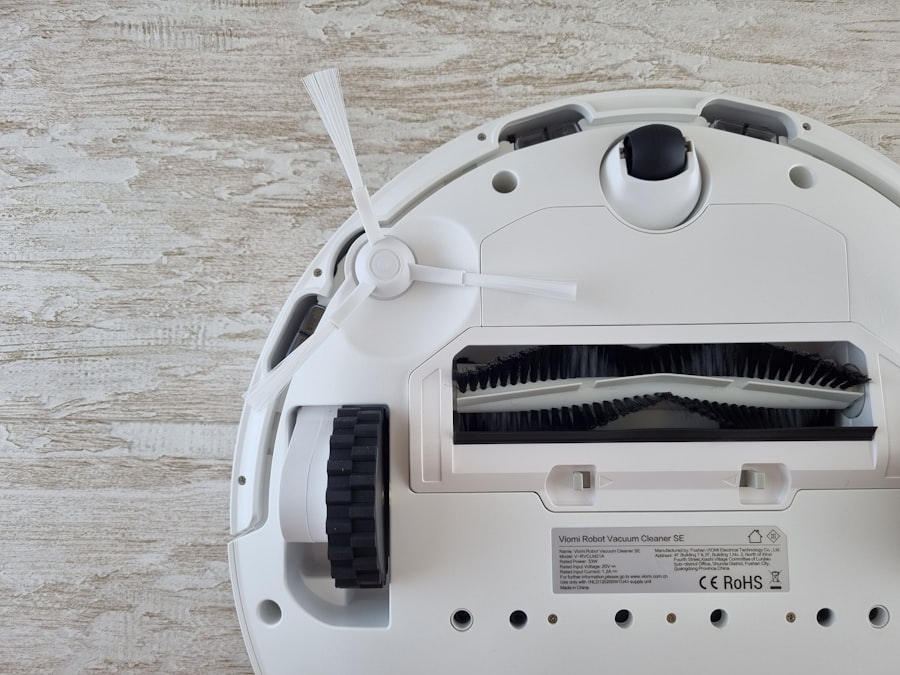
- Main Roller Brush: This is the primary brush responsible for agitating debris. Models often feature a combination of bristle and rubber, or all-rubber designs, each with its own advantages and disadvantages for different floor types and hair types.
- Bristle/Rubber Combos: Offer good all-around performance.
- All-Rubber: Generally better at preventing hair tangles.
- Side Brushes: These brushes sweep debris from edges and corners towards the main suction path, ensuring thorough edge cleaning.
If you’re looking for insights into the best robot vacuums of 2025, you might find the article on Hey Did You Know This particularly helpful. It provides an in-depth comparison of the latest models, highlighting their features, performance, and value for money. For more information, check out the article here: Best Robot Vacuum 2025.
Beyond Basic Cleaning: Advanced Features and Lifestyle Integration
The best robot vacuums of 2025 offer a suite of features that go beyond simple autonomous cleaning, aiming to integrate seamlessly into a smart home ecosystem and simplify user interaction.
Smart Home Connectivity: Voice Control and App Integration
The ability to control and customize cleaning routines through a smartphone app or voice commands is a hallmark of modern robot vacuums.
App Functionality: Customization at Your Fingertips
Smartphone applications provide a central hub for managing every aspect of the robot vacuum.
- Mapping and Room Segmentation: Users can view generated maps, divide the home into rooms or zones, and set specific cleaning schedules or restrictions for each.
- No-Go Zones and Virtual Walls: The ability to designate areas the robot should avoid, crucial for protecting delicate furniture, pet feeding stations, or areas with high foot traffic.
- Adjustable Suction and Water Flow: For hybrid models, users can fine-tune suction power and water levels for different floor types and cleaning intensity.
- Cleaning History and Status Updates: Real-time notifications on cleaning progress, battery levels, and maintenance requirements.
Voice Assistant Compatibility: Hands-Free Operation
Integration with popular voice assistants like Amazon Alexa and Google Assistant allows for seamless, hands-free operation.
- Command Examples: “Alexa, tell [robot vacuum name] to start cleaning the living room,” or “Hey Google, tell [robot vacuum name] to return to its dock.”
- Convenience: Particularly useful when hands are full or for users with mobility impairments.
Self-Emptying and Self-Washing Docks: Minimizing User Intervention
The introduction of self-emptying and self-washing docks has significantly reduced the hands-on maintenance required for robot vacuums, offering a more autonomous cleaning experience.
Self-Emptying Stations: A Cleaner Dustbin Experience
These docks automatically empty the robot’s onboard dustbin into a larger, disposable bag or bin within the station.
- Frequency: Typically holds weeks’ worth of debris, drastically reducing the need for manual dustbin emptying.
- Hygiene: Offers a more hygienic solution for emptying, minimizing dust exposure.
- Considerations: The cost of replacement bags and the storage space required for the dock.
Self-Washing and Drying Docks: For Hybrid Models
For robot vacuums with mopping capabilities, some advanced docks can also wash and dry the mop pads.
- Mechanism: The robot docks, its mop pads are automatically rinsed with clean water, and then dried with warm air to prevent mildew and odors.
- Benefit: Ensures the mop is clean and ready for the next use, maintaining optimal mopping performance.
- Complexity: These docks are among the most advanced and often come with a higher price point.
Battery Life and Recharging: Endurance for Larger Homes
The battery capacity and charging efficiency of a robot vacuum are critical factors, especially for larger homes where multiple cleaning cycles might be necessary.
Battery Capacity and Runtime: How Long Can It Clean?
Battery capacity is typically measured in milliampere-hours (mAh). Longer runtimes mean the robot can cover more area on a single charge.
- Factors Affecting Runtime: Suction power settings, complexity of the cleaning path, and the presence of extensive mopping.
- Recharge and Resume: Most modern robots will automatically return to their charging dock when the battery is low and then resume cleaning from where they left off once sufficiently charged.
Charging Dock Design: Compactness and Efficiency
The design of the charging dock influences its placement within the home and how efficiently the robot docks.
- Self-Docking: Robots are programmed to locate and return to their charging dock automatically when needed.
- Placement Considerations: Ensure clear space around the dock for the robot’s approach.
Top Robot Vacuums of 2025: A Curated Selection
Based on the advancements and considerations outlined above, several models stand out in the 2025 market. These selections represent a range of price points and feature sets, catering to diverse consumer needs.
The Premium All-Rounder: [Brand A Model X Pro]
This model is positioned as a top-tier option, combining advanced navigation, superior suction power, and a comprehensive feature set.
Navigation and Mapping Capabilities:
Utilizing a high-precision LiDAR system, the [Brand A Model X Pro] generates exceptionally accurate maps of the home. Its vSLAM system acts as a secondary layer, enhancing obstacle recognition and ensuring robust performance even in challenging lighting conditions.
- Room Recognition: Accurately identifies and segments rooms for customized cleaning.
- Intelligent Obstacle Avoidance: Incorporates AI-powered object recognition to effectively steer clear of pet waste, cables, and small objects.
Cleaning Performance:
Boasting a powerful motor delivering industry-leading suction power, the [Brand A Model X Pro] excels on both carpet and hard floors. Its multi-surface roller brush is designed to minimize hair tangles while effectively lifting debris.
- Suction (Pa): [Specify Pa measurement, e.g., 4000 Pa]
- Brush Design: Combines rubber and bristle elements for optimal performance across different surfaces.
Smart Features and Dock:
The accompanying app offers extensive customization, including advanced scheduling, custom cleaning paths, and detailed zone control. A sophisticated self-emptying and self-washing dock is standard, allowing for extended periods of autonomous operation.
- Dock Type: Self-emptying with integrated mop cleaning and drying.
- App Control: Full suite of mapping, zone, and scheduling customization tools.
The Value-Conscious Innovator: [Brand B Model Y Plus]
For consumers seeking cutting-edge technology without the premium price tag, the [Brand B Model Y Plus] offers a compelling balance of features and affordability.
Navigation and Mapping Sophistication:
This model employs an advanced vSLAM navigation system, which has seen significant improvements in visual recognition and mapping accuracy. While it may not offer the absolute precision of a dedicated LiDAR at this price point, its performance is impressive for its class.
- Mapping Technology: Intelligent vSLAM with improved object detection.
- Obstacle Avoidance: Features improved camera-based object recognition, effective for common household items.
Effective Cleaning on Multiple Surfaces:
The [Brand B Model Y Plus] delivers robust suction power suitable for everyday cleaning needs. Its dual side brushes and a well-designed main brush ensure that debris from corners and edges is effectively captured.
- Suction (Pa): [Specify Pa measurement, e.g., 2700 Pa]
- Motor Durability: Designed for consistent performance over time.
User-Friendly Smart Integration:
The companion app provides intuitive control over cleaning routines, including room selection, scheduling, and the establishment of basic no-go zones. Voice assistant compatibility is also a standard feature.
- App Features: Room selection, scheduling, and basic zone control.
- Voice Assistant: Compatible with major platforms.
The Specialized Cleaner: [Brand C Model Z Max]
This model focuses on enhanced efficiency for specific cleaning tasks, such as deep carpet cleaning or detailed mopping.
Advanced Cleaning Mechanisms:
The [Brand C Model Z Max] distinguishes itself with a higher-than-average suction power, making it particularly adept at deep cleaning carpets. Its advanced mopping system offers adjustable water flow and pressure, providing a more thorough wet clean.
- Carpet Performance Focus: Optimized for lifting embedded dirt and pet hair from carpets.
- Mopping Intensity: Multiple levels of water flow and pressure for various floor types.
Efficient Navigation for Complex Layouts:
While employing a reliable LiDAR sensor, this model’s software is optimized for navigating complex home layouts, ensuring consistent coverage without erratic behavior.
- LiDAR Precision: High accuracy for mapping and navigation.
- Route Optimization: Intelligent path planning to minimize cleaning time.
Extended Runtime and Dock Functionality:
With a larger battery capacity, the [Brand C Model Z Max] is suitable for larger homes. It may offer a self-emptying dock as an optional upgrade or a more basic charging solution depending on the configuration.
- Battery Capacity: Optimized for longer cleaning cycles.
- Dock Options: Availability of self-emptying docks may vary.
The Compact and Agile: [Brand D Model Alpha]
Designed for smaller living spaces or users who prioritize maneuverability and ease of use, the [Brand D Model Alpha] offers a streamlined cleaning experience.
Compact Design and Enhanced Agility:
Its smaller footprint allows the [Brand D Model Alpha] to navigate under furniture and in tighter spaces more easily. While it may not have the most powerful suction, its agility compensates for thorough coverage in its intended environments.
- Dimensions: Smaller profile for easier access.
- Maneuverability: Designed for efficient movement in confined areas.
Simplicity and Ease of Use:
This model focuses on straightforward operation. The app provides essential controls for scheduling and starting/stopping cleaning, with a focus on user-friendliness.
- Intuitive Interface: Simplified app for basic control.
- Minimal Setup: Designed for quick and easy deployment.
Essential Cleaning Power:
The [Brand D Model Alpha] provides sufficient suction power for everyday dust and debris on hard floors and low-pile carpets, making it an effective solution for maintaining a generally clean home.
- Suction Level: Adequate for regular maintenance cleaning.
- Target Floor Types: Best suited for hard floors and low-pile carpets.
The Hybrid Champion: [Brand E Model Beta]
This model represents the pinnacle of integrated vacuuming and mopping technology, offering a single device capable of handling diverse floor cleaning needs.
Seamless Vacuuming and Mopping Integration:
The [Brand E Model Beta] features an advanced system that allows it to vacuum and mop simultaneously, or independently, with intelligent detection of floor types to adjust its approach.
- Multi-Functionality: Combines powerful vacuuming with effective mopping.
- Smart Floor Detection: Automatically adjusts cleaning mode based on surface.
Advanced Navigation for Mixed Environments:
Utilizing a robust LiDAR system coupled with advanced AI, this robot can intelligently map homes with varied floor types, distinguishing between carpeted areas where only vacuuming is needed and hard floors where mopping is beneficial.
- LiDAR and AI Synergy: Precise mapping and obstacle recognition.
- Targeted Cleaning: Avoids mopping carpets and optimizes cleaning for each zone.
Comprehensive Docking Solutions:
The [Brand E Model Beta] often comes with or has an optional advanced dock that not only self-empties the dustbin but also refills the mop’s water tank and washes/dries the mop pads, offering an unparalleled level of autonomy.
- All-in-One Dock: Self-emptying, water replenishment, and mop cleaning.
- User Maintenance: Significantly reduced manual intervention.
Factors to Consider Before Purchasing
Selecting the right robot vacuum involves more than just identifying the top-performing models. A thorough assessment of individual needs and home environments is crucial for making a wise investment.
Home Size and Layout: Does it Need Extended Endurance?
The square footage of a home and its complexity (e.g., multiple floors, numerous rooms, open-plan layout) directly influence the required battery life and navigation capabilities of a robot vacuum.
- Large Homes: Require models with longer battery runtimes and advanced mapping to ensure complete coverage on a single charge. Consider models with “recharge and resume” functionality.
- Small Homes/Apartments: Smaller, more compact models with simpler navigation may suffice, potentially at a lower cost. Focus on maneuverability in tighter spaces.
- Multi-Story Homes: May necessitate individual robots for each floor or a model that can store multiple maps, though manual relocation is typically required between floors.
Floor Types: Carpet vs. Hardwood vs. Tile
The dominant floor surfaces in a home dictate the essential cleaning features.
- Primarily Carpeted Homes: Prioritize high suction power and brush designs that effectively agitate carpet fibers and prevent hair tangles.
- Primarily Hardwood/Tile Homes: Focus on effective suction for debris pickup and consider a hybrid vacuum with a robust mopping function. Adjustable water flow and mop pad pressure are beneficial.
- Mixed Floor Types: Look for intelligent floor detection and customizable cleaning settings that allow the robot to adapt its performance to each surface type.
Pet Ownership: The Ultimate Test of a Robot Vacuum
Homes with pets present unique cleaning challenges, demanding robust features to handle pet hair and potential accidents.
- Pet Hair: High suction power is essential, along with brush designs that minimize hair tangles. Self-emptying docks are highly recommended to manage the increased hair volume.
- Pet Waste Avoidance: AI-powered object recognition that can specifically identify and avoid pet waste is a critical feature for pet owners. Without it, a mess can quickly become a widespread problem.
- Allergy Concerns: Models with advanced filtration systems (e.g., HEPA filters) can help to trap allergens and improve indoor air quality.
Budget Considerations: Investing in Convenience
Robot vacuums span a wide price range, from budget-friendly options to premium, feature-rich devices.
- Entry-Level: Offer basic navigation and cleaning functions, suitable for smaller spaces and lighter cleaning needs.
- Mid-Range: Typically include better navigation, smart app control, and reliable suction.
- High-End: Feature advanced LiDAR navigation, self-emptying/washing docks, AI object recognition, and superior build quality.
It is important to balance desired features with the allocated budget. Investing in a model with features that directly address the primary cleaning needs of the home will yield the best long-term satisfaction.
Maintenance and Longevity: Ensuring Continued Performance
Robot vacuums, like any other appliance, require some level of maintenance to ensure optimal performance and longevity.
- Filter Cleaning/Replacement: Regularly clean or replace filters to maintain suction power and air quality.
- Brush and Roller Cleaning: Remove tangled hair, threads, and debris from brushes and rollers.
- Sensor Cleaning: Gently wipe down sensors to ensure accurate navigation and obstacle avoidance.
- Dustbin and Water Tank: Empty the dustbin and clean the water tank (for mopping models) regularly to prevent odors and blockages.
- Software Updates: Keep the robot’s firmware updated to benefit from performance improvements and bug fixes.
Understanding these maintenance requirements will help buyers select a model that aligns with their willingness to perform regular upkeep. Some models with self-emptying and self-washing docks significantly reduce the frequency of hands-on maintenance.
As we look ahead to the best robot vacuum options in 2025, it’s essential to stay informed about the latest advancements in technology and features. A great resource for this is an insightful article that discusses the top contenders for the upcoming year. You can explore it further by visiting this link, where you’ll find detailed comparisons and expert opinions that can help you make an informed decision when choosing your next cleaning companion.
Conclusion
| Robot Vacuum Model | Price | Battery Life | Suction Power | Noise Level |
|---|---|---|---|---|
| RobotVac 2025X | 399 | 120 minutes | 2000 Pa | 60 dB |
| CleanBot 2025 Pro | 449 | 150 minutes | 2200 Pa | 55 dB |
| SmartSweep 2025 Max | 499 | 180 minutes | 2500 Pa | 50 dB |
The robot vacuum market in 2025 offers a sophisticated array of choices, catering to a broad spectrum of consumer needs and preferences. From advanced LiDAR navigation and AI-powered object recognition to the convenience of self-emptying and self-washing docks, these devices have become integral to efficient home management. By carefully considering individual home environments, cleaning requirements, pet ownership, and budget, consumers can confidently select a robot vacuum that delivers effective, autonomous floor cleaning for years to come. The top contenders highlighted in this guide represent the current forefront of this technology, providing reliable performance and innovative features that continue to redefine the concept of a clean home.
FAQs
What are the top features to look for in the best robot vacuum for 2025?
Some top features to look for in the best robot vacuum for 2025 include advanced navigation technology, longer battery life, improved suction power, larger dustbin capacity, and compatibility with smart home systems.
What are the benefits of using a robot vacuum in 2025?
Using a robot vacuum in 2025 offers benefits such as time-saving convenience, improved cleaning efficiency, hands-free operation, and the ability to schedule cleaning tasks remotely using a smartphone app.
How has robot vacuum technology advanced in 2025 compared to previous years?
In 2025, robot vacuum technology has advanced with improved mapping and navigation capabilities, longer battery life, stronger suction power, enhanced obstacle detection, and the integration of artificial intelligence for more efficient cleaning.
What are some popular brands offering the best robot vacuums in 2025?
Some popular brands offering the best robot vacuums in 2025 include iRobot, Neato Robotics, Roborock, Eufy, and Ecovacs. These brands are known for their advanced features, reliable performance, and innovative designs.
What is the expected price range for the best robot vacuums in 2025?
The expected price range for the best robot vacuums in 2025 varies depending on the brand and features, but generally falls between $300 to $1000. Higher-end models with advanced technology and smart home integration may be priced at the higher end of the range.