Cast iron cookware, a robust and enduring staple in kitchens for centuries, continues to captivate home cooks and professional chefs alike. Its appeal is not a fleeting trend but a testament to its fundamental qualities, forged in the crucible of utility and tradition. This article explores the multifaceted reasons behind the sustained popularity of cast iron, examining its historical trajectory, inherent properties, practical applications, and the cultural significance it holds in modern culinary practices.
The story of cast iron cookware is intertwined with the very development of metallurgy and human civilization’s quest for durable tools. Its journey spans millennia, evolving from rudimentary smelting techniques to sophisticated manufacturing processes. Understanding this historical context offers insight into why this material has remained a constant companion in the kitchen.
From Ancient Origins to Industrial Revolution
The earliest forms of cast iron can be traced back to ancient China, where rudimentary techniques for smelting iron ore were developed as early as the sixth century BCE. These early applications primarily focused on agricultural tools, weapons, and architectural components. The methods involved heating iron ore with charcoal in bellows-powered furnaces, creating a molten iron that could then be poured into molds. While not directly cookware, these innovations laid the groundwork for future culinary applications.
In Europe, the widespread adoption of cast iron began significantly later, gaining traction during the medieval period. Early European cast iron production involved similar charcoal-based blast furnaces. By the 15th and 16th centuries, advancements in furnace design and casting techniques allowed for the production of more refined and versatile iron products, including rudimentary cooking vessels. These initial pieces were often heavy, cumbersome, and lacked the smooth finish characteristic of modern cast iron.
The true proliferation of cast iron cookware in the Western world coincided with the Industrial Revolution in the 18th and 19th centuries. The advent of steam-powered machinery, improved furnace technologies, and standardized production methods dramatically increased the availability and affordability of cast iron goods. Foundries across Europe and North America began mass-producing a wide array of cast iron products, including pots, pans, griddles, and Dutch ovens. This period marked a crucial turning point, as cast iron transitioned from a specialized, often custom-made item to a commonplace household utility.
The Rise of Iconic Brands and Standardized Designs
During the late 19th and early 20th centuries, several companies emerged as pioneers in the cast iron cookware industry, shaping the designs and manufacturing standards that persist to this day. Brands such as Lodge Manufacturing, Wagner Ware, and Griswold Manufacturing became household names, revered for the quality and durability of their products.
These companies invested in refining casting techniques, producing smoother surfaces, lighter designs, and more ergonomic handles. The emphasis shifted from simply creating a functional vessel to crafting a finely finished tool that was both effective and pleasant to use. Many of the characteristic designs—the integrated handle, the pouring spouts, the lids with self-basting nubs—were perfected during this era. These design innovations were driven by a desire to cater to the evolving needs of home cooks, making cast iron more versatile and user-friendly.
The mid-20th century saw a slight decline in cast iron’s popularity with the advent of lightweight aluminum and non-stick cookware. However, the inherent strengths of cast iron ensured its survival, maintaining a loyal following among those who valued its unparalleled performance and longevity. Today, many of these vintage pieces, particularly from brands like Griswold and Wagner, are highly sought after by collectors, a testament to their enduring quality and design.
Cast iron cookware has gained immense popularity for its durability and excellent heat retention, making it a favorite among both professional chefs and home cooks. If you’re interested in learning more about the benefits and care of cast iron cookware, you might find this related article insightful: Discover the Secrets of Cast Iron Cookware. This article delves into the history, maintenance tips, and cooking techniques that can enhance your culinary experience with cast iron.
The Indomitable Properties of Cast Iron: More Than Just Metal
At its core, the enduring appeal of cast iron lies in its fundamental material properties. While seemingly a simple alloy of iron and carbon, the specific composition and crystalline structure of cast iron confer a unique set of advantages that are difficult to replicate in other cookware materials.
Exceptional Heat Retention and Even Heat Distribution
One of the most celebrated attributes of cast iron is its remarkable capacity for heat retention. Once heated, cast iron holds onto that thermal energy with a tenacity unmatched by most other cookware materials. Think of it as a small, personal sun on your stovetop, radiating consistent warmth long after the burner has been adjusted. This property is particularly beneficial for searing meats, slow-cooking stews, and achieving consistent browning.
The dense molecular structure of cast iron allows it to absorb and store a significant amount of heat energy. This stored energy then dissipates slowly and evenly across the cooking surface. While some materials, like aluminum, heat up rapidly, they also cool down quickly, leading to temperature fluctuations that can impact cooking results. Cast iron, conversely, acts as a thermal flywheel, minimizing temperature drops when food is added, resulting in more consistent and efficient cooking.
However, it is important to note that this excellent heat retention comes with a trade-off: cast iron takes longer to heat up initially. Patience is a virtue when preheating cast iron, as rushing the process can lead to uneven hot spots. A gentle, gradual heat application allows the entire pan to reach its target temperature uniformly, ensuring optimal cooking performance.
Natural Non-Stick Properties Through Seasoning
Contrary to popular misconception, a well-maintained cast iron pan is inherently non-stick, not through a synthetic coating, but through a process known as seasoning. Seasoning involves baking thin layers of polymerized oil onto the surface of the cast iron. When fats and oils are heated beyond their smoke point, they break down and form a hard, plastic-like layer that bonds to the metal. Over time, with repeated use and proper care, these layers build up, creating a smooth, durable, and naturally non-stick surface.
This natural non-stick property offers significant advantages over synthetic coatings. Unlike PTFE-based non-stick pans, which can degrade and release harmful compounds at high temperatures, a seasoned cast iron pan is safe for use across a wide range of temperatures. Furthermore, the non-stick surface of cast iron is remarkably resilient. Minor scratches or wear can be easily repaired by simply re-seasoning the affected area, effectively healing the pan itself. This ability to restore and improve the cooking surface is a key factor in cast iron’s enduring longevity.
The maintenance of seasoning is a culinary rite of passage for many cast iron enthusiasts. It involves understanding the interplay of fats, heat, and care. While some beginners may find the initial seasoning process daunting, the rewards—a naturally non-stick, chemical-free cooking surface—are well worth the effort.
Unparalleled Durability and Longevity
Cast iron cookware is legendary for its durability. These are not tools designed for obsolescence but for generations of use. A well-cared-for cast iron pan can easily outlive its owner, becoming a cherished family heirloom passed down through the ages. Often, you will hear a cook speak of their “grandma’s cast iron,” a testament to the material’s ability to withstand the test of time and countless meals.
The density and robustness of cast iron make it incredibly resistant to warping, denting, and scratching. Unlike thinner, lighter metals, cast iron maintains its shape under extreme heat or rough handling. It is a workhorse, not a delicate instrument. This durability translates into a significant long-term value proposition. While the initial investment in a quality cast iron pan may be comparable to or slightly higher than some other cookware options, its unparalleled lifespan means it rarely needs to be replaced, offering excellent value over decades of service.
The only real enemy of cast iron is rust, but even this can be easily remedied with proper cleaning, drying, and re-seasoning. Unlike fatal damage to other cookware, rust is a superficial issue that can be effectively treated, demonstrating the material’s inherent resilience and reparability.
Versatility in the Kitchen: A Multi-Talented Performer
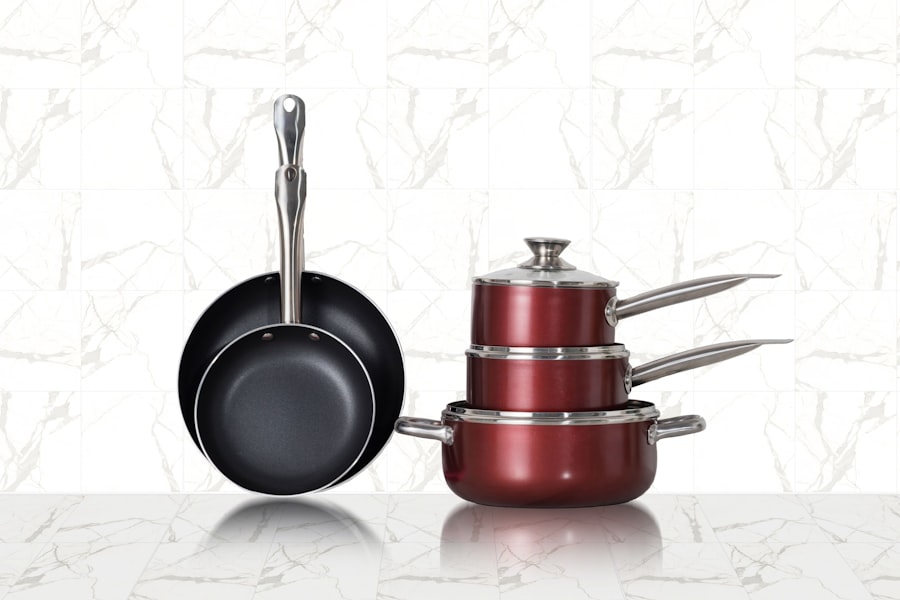
Beyond its inherent properties, cast iron cookware excels due to its remarkable versatility. It is a culinary chameleon, adapting seamlessly to a wide array of cooking techniques and environments, making it a true workhorse in any kitchen.
From Stovetop Searing to Oven Roasting
Cast iron is an exceptional performer on almost any heat source. Its ability to achieve and maintain high temperatures makes it ideal for searing meats, creating that coveted crispy crust on steaks, chicken, or fish. The even heat distribution ensures that every part of the food cooks uniformly, without hot or cold spots.
Crucially, cast iron pans are typically monolithic, meaning they are cast as a single piece of metal including the handle, or feature securely riveted handles. This design makes them inherently oven-safe at even the highest temperatures. This seamless transition from stovetop to oven unlocks a world of culinary possibilities. You can start a dish by searing on the stovetop and then transfer it directly to the oven to finish cooking, bake bread, roast vegetables, or even prepare a skillet cookie. This unparalleled oven compatibility is a distinct advantage over many other cookware types that have plastic or heat-sensitive handles.
Furthermore, cast iron is quite adaptable to open flames, making it a favorite for camping and outdoor cooking. Its robust construction can withstand the rigors of campfires, and its heat retention is perfect for cooking over coals.
Deep Frying, Baking, and Beyond
The heavy bottom and excellent heat retention of cast iron also make it ideal for deep frying. The consistent oil temperature prevents foods from becoming greasy and ensures a crisp, golden result. Whether you’re frying chicken, donuts, or tempura, cast iron provides the stable thermal environment necessary for perfect frying.
Beyond savory applications, cast iron shines in baking. Skillet cornbread, cobblers, pizzas, and even cakes find a perfect home in a well-seasoned cast iron pan. The even heat distribution contributes to a beautifully browned crust and thorough cooking. The natural non-stick surface, once properly seasoned, ensures easy release of baked goods.
Imagine a rustic apple pie baked directly in a cast iron skillet, its crust perfectly golden and crisp, the apples bubbling with sweet, spiced juices. This level of thermal conductivity and consistent baking achieved by cast iron elevates simple recipes into comforting masterpieces. The deep red-brown of a skillet brownie, or the perfectly charred crust of a focaccia baked in a cast iron pan, are testaments to its baking prowess. The ability to move directly from oven to table also makes for a charming presentation.
Health and Environmental Considerations: A Sustainable Choice
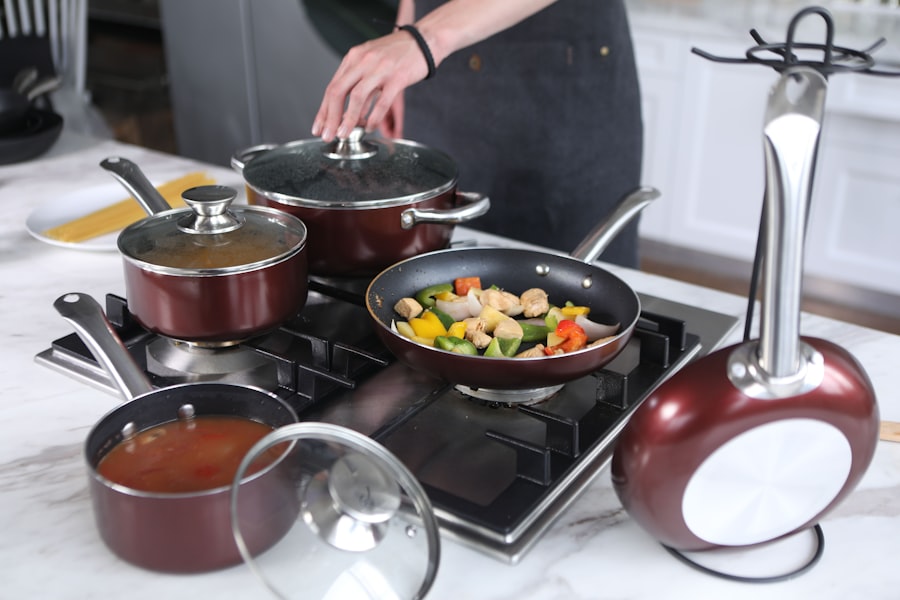
In an era increasingly focused on health, sustainability, and mindful consumption, cast iron cookware aligns remarkably well with contemporary values. Its natural composition and longevity make it an appealing choice for the environmentally conscious cook.
Chemical-Free Cooking and Iron Fortification
One of the most compelling health benefits of cast iron is its chemical-free nature. Unlike synthetic non-stick coatings, which can contain per- and polyfluoroalkyl substances (PFAS) that are a concern for both human health and the environment, seasoned cast iron provides a naturally non-stick surface. You are cooking directly on iron and polymerized oil, materials that are inherently safe for food contact. This offers peace of mind for those wary of chemical leaching into their food.
Furthermore, cooking in cast iron can contribute small, beneficial amounts of dietary iron to your food. As acidic foods gently interact with the seasoned surface, minute quantities of iron can leach into the meal. While not a primary source of iron supplementation, it can be a supplementary benefit, particularly for individuals with mild iron deficiencies. This natural iron fortification is a unique characteristic not found in other cookware materials.
A Sustainable and Eco-Friendly Option
From an environmental perspective, cast iron cookware is a champion of sustainability. Its extraordinary durability means it rarely needs to be replaced, significantly reducing waste compared to other cookware that might wear out and be discarded after a few years. A single cast iron pan can replace dozens of disposable or short-lived alternatives over its lifetime.
Moreover, cast iron is a highly recyclable material. When a pan finally reaches the end of its (potentially century-long) functional life, it can be melted down and repurposed, closing the loop on its material lifecycle. The environmental footprint associated with manufacturing and transporting a single, long-lasting cast iron pan is substantially less than that of constantly replacing less durable cookware.
The absence of synthetic coatings also means there are no microplastic particles or hazardous chemicals to worry about throughout its use or disposal. Choosing cast iron is, in many ways, an investment in a more sustainable kitchen, reflecting a commitment to products that endure rather than merely exist.
Cast iron cookware has gained immense popularity among home chefs for its durability and excellent heat retention properties. If you’re interested in learning more about the benefits and care of cast iron, you might find this related article helpful. It offers insights into how to properly season your cookware and maintain its non-stick surface over time. For more information, you can check out the article here.
The Ritual of Care and the Joy of Ownership: Beyond Mere Utility
| Metric | Value | Unit | Notes |
|---|---|---|---|
| Typical Weight | 3.5 – 12 | lbs | Varies by size and type (skillet, Dutch oven, griddle) |
| Heat Retention | High | Qualitative | Excellent for even cooking and maintaining temperature |
| Seasoning Layer Thickness | 0.1 – 0.3 | mm | Builds up over time with use and oil polymerization |
| Typical Lifespan | 50+ | Years | Can last generations with proper care |
| Thermal Conductivity | 55 | W/m·K | Lower than aluminum but retains heat better |
| Common Sizes | 6, 8, 10, 12 | Inches (diameter) | Skillet diameters most common |
| Typical Thickness | 3 – 6 | mm | Thickness of the cast iron pan base |
| Maintenance Required | Regular seasoning | Qualitative | Prevents rust and maintains non-stick surface |
Owning cast iron cookware is often described as an experience rather than just a possession. It fosters a connection between the cook and their tools, creating a small ritual of care that deepens appreciation for its capabilities. This engagement goes beyond mere utility, tapping into a sense of craftsmanship and tradition.
The Art of Seasoning and Maintenance
The process of seasoning and maintaining cast iron is often perceived as an “art” or a “science,” but it is more accurately described as a practiced ritual. It is a dialogue between the cook and the metal. Initially, a new pan requires deliberate seasoning to establish its non-stick foundation. This involves cleaning, applying a thin layer of high smoke point oil (like flaxseed, grapeseed, or sunflower oil), and baking it in a hot oven. This process is repeated several times to build robust layers.
Ongoing maintenance is straightforward but essential. After each use, the pan should be cleaned, typically with hot water and a stiff brush or scraper, avoiding harsh soaps that can strip the seasoning (though a mild soap is generally acceptable on a well-established seasoning). Crucially, the pan must be thoroughly dried immediately after washing to prevent rust. Many enthusiasts place it back on a warm burner for a minute to evaporate any residual moisture, then apply a tiny amount of oil with a paper towel, wiping off any excess. This replenishes the seasoning and protects the surface.
This hands-on care is not a chore for many cast iron aficionados; it is an act of nurturing. Each time you season and dry your pan, you are not just cleaning it; you are investing in its future performance, strengthening its non-stick qualities, and deepening its protective patina. This ongoing interaction creates a sense of pride and connection, transforming the pan from a simple utensil into a cherished culinary companion.
Connecting with Culinary Heritage and Community
Owning and using cast iron cookware often connects individuals to a broader culinary heritage. It is a material that evokes images of frontier cooking, rustic farmhouses, and generations of home cooks preparing hearty, wholesome meals. There is a sense of continuity, a link to the past, when you cook with a material that has graced kitchens for centuries. This historical resonance adds a layer of depth to the cooking experience, making each meal feel a little more grounded and traditional.
Furthermore, a vibrant community of cast iron enthusiasts exists globally. Online forums, social media groups, and specialized blogs are dedicated to sharing seasoning tips, restoration techniques, recipes, and anecdotes about beloved pans. This community provides support, knowledge, and a sense of shared passion. For many, owning cast iron is not just about the cooking; it’s about participating in a legacy and connecting with others who appreciate the enduring appeal of this humble yet remarkable material.
The simple joy of cooking with cast iron, of hearing the sizzle of food on a perfectly seasoned surface, of seeing the rich, dark patina deepen over time, is a powerful draw. It is an investment in quality, durability, and a genuine connection to the culinary arts, ensuring its timeless appeal will continue to draw cooks for generations to come.
FAQs
What are the benefits of using cast iron cookware?
Cast iron cookware is highly durable, provides excellent heat retention and even heating, and can be used on various heat sources including stovetops, ovens, and campfires. It also adds a small amount of dietary iron to food and can develop a natural non-stick surface with proper seasoning.
How do you properly season cast iron cookware?
To season cast iron cookware, clean it thoroughly, then apply a thin layer of vegetable oil or shortening to the entire surface. Bake it upside down in an oven at around 375-450°F (190-230°C) for about an hour. This process creates a protective, non-stick coating that improves with repeated use.
Can cast iron cookware be used on induction cooktops?
Yes, cast iron cookware is compatible with induction cooktops because it is made of ferrous metal, which allows it to generate the magnetic field necessary for induction heating.
How should cast iron cookware be cleaned?
Cast iron cookware should be cleaned with hot water and a stiff brush or sponge immediately after use. Avoid using soap or harsh detergents, as they can strip the seasoning. After washing, dry it thoroughly and apply a light coat of oil to prevent rust.
Is cast iron cookware suitable for cooking acidic foods?
While cast iron can be used to cook acidic foods like tomatoes or vinegar-based dishes, prolonged cooking of highly acidic foods may damage the seasoning and impart a metallic taste. It is best to limit cooking acidic foods in cast iron or ensure the cookware is well-seasoned.