
The rise of Kirkland Signature, Costco’s in-house brand, has become a significant disrupter in the retail landscape, instilling a quiet anxiety among established global brands. What began as a strategy to offer value and differentiate Costco’s offering has evolved into a formidable competitor, leveraging its vast purchasing power and direct-to-consumer model to challenge even the most entrenched market leaders. The ubiquitous red and white box represents more than just a product; it embodies a distinct proposition of quality and affordability that has resonated deeply with a vast and loyal consumer base. This article explores the multifaceted threat that Kirkland Signature poses to major brands, examining the strategic advantages that have propelled its growth and the reasons behind the palpable unease within corporate boardrooms.
Kirkland Signature’s origins are rooted in Costco’s core philosophy: providing members with exceptional value. Initially, the brand was used to sell generic versions of popular products, allowing Costco to achieve better margins and offer lower prices. However, over time, the brand’s scope and ambition expanded dramatically. It transitioned from being a mere placeholder for established goods to actively developing and sourcing its own unique product lines, often manufactured by reputable third-party companies under strict quality control. This strategic shift transformed Kirkland Signature from a cost-saving measure into a brand in its own right, commanding consumer trust and loyalty.
Early Stages: A Focus on Private Label Substitution
The “Generic vs. Brand Name” Debate
In its nascent phase, Kirkland Signature was primarily seen as an alternative to national brands. Consumers, already drawn to Costco’s bulk pricing, found the Kirkland Signature option a compelling way to reduce their grocery bills further without a perceived significant drop in quality. This initial appeal was built on the premise of direct substitution, offering a more economical choice for everyday staples.
The Role of Manufacturers and Contracts
While the Kirkland Signature name was on the packaging, it was common knowledge, and indeed often advertised, that many of these products were manufactured by established brands. This created a unique dynamic where consumers could enjoy a product essentially made by a familiar company at a considerably lower price point. This arrangement benefited not only the consumer but also the contract manufacturers, who gained consistent, high-volume orders from Costco.
Evolution into a Premium Private Label
Strategic Sourcing and Co-Branding Initiatives
The evolution of Kirkland Signature was marked by a deliberate move towards higher quality and more sophisticated product development. Costco began investing in research and development, forging closer relationships with manufacturers, and sometimes even collaborating on product formulations. This led to the introduction of premium products that rivaled or surpassed the quality of well-known brands.
The “Costco Seal of Approval”
As Kirkland Signature products consistently met or exceeded consumer expectations, the brand itself began to gain significant recognition and trust. The “Costco Seal of Approval,” as it were, became a powerful endorsement, encouraging consumers to choose Kirkland Signature not just for its price but for its inherent quality. This shift from mere substitution to brand preference is a crucial element of its threat to established players.
Big brands are increasingly wary of Costco’s Kirkland Signature line, as it poses a significant threat to their market share and pricing strategies. The private label brand has gained a reputation for offering high-quality products at competitive prices, which can undermine the perceived value of established brands. For a deeper understanding of this phenomenon and its implications for the retail industry, you can read more in this insightful article at Hey Did You Know This.
The Price-Quality Equilibrium: Kirkland’s Disruptive Advantage
Kirkland Signature’s most potent weapon is its ability to strike a remarkable balance between exceptional quality and highly competitive pricing. This equilibrium is a direct result of Costco’s unique business model, which allows it to absorb costs and pass on savings to its members in ways that traditional retailers and manufacturers cannot easily replicate. The brand’s success in consistently delivering high-quality products at a fraction of the cost of national equivalents creates a powerful value proposition that is difficult for competitors to counter.
Leveraging Costco’s Purchasing Power
Volume Discounts and Economies of Scale
The sheer volume of goods Costco purchases provides immense leverage in negotiations with suppliers. This allows Kirkland Signature to secure raw materials and manufacturing services at significantly lower costs than smaller brands or even national brands purchasing at smaller volumes. The resulting economies of scale translate directly into lower production costs for Kirkland Signature products.
Direct Sourcing and Reduced Distribution Layers
Costco’s model often involves direct sourcing from manufacturers, bypassing the complex and costly distribution networks that many national brands rely on. By controlling more of the supply chain, Kirkland Signature reduces overheads associated with warehousing, transportation, and intermediary markups, further contributing to its cost advantage.
The Value Proposition: More Than Just Cheap
Perceived Quality Parity
Crucially, Kirkland Signature products are often perceived by consumers as being of equal or even superior quality to their national brand counterparts. This perception is cultivated through careful product selection, rigorous quality control, and, in some cases, the actual use of high-quality ingredients or manufacturing processes. The brand has successfully shed the stigma of being “off-brand” and is now viewed as a premium offering in its own right.
The “Smart Shopper” Appeal
For many consumers, choosing Kirkland Signature is a statement of being a discerning and savvy shopper. It signifies an understanding of value and a willingness to make informed purchasing decisions that prioritize quality and affordability. This psychological aspect of the brand’s appeal further entrenches its position in the market.
The Trojan Horse Effect: Undermining Brand Loyalty and Market Share
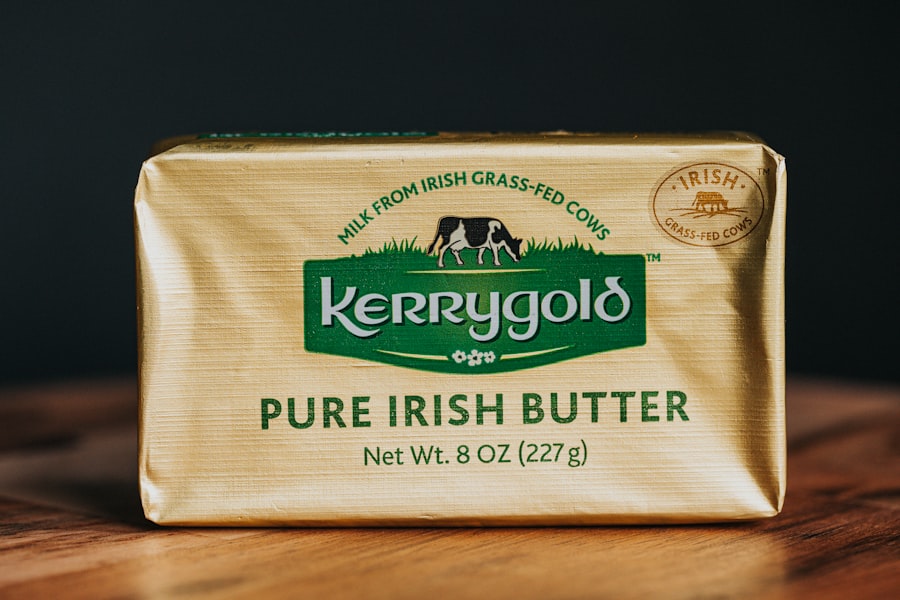
Kirkland Signature acts as a Trojan horse within the retail ecosystem, infiltrating consumer baskets and gradually eroding the market share and brand loyalty of established players. By offering a compelling alternative at a lower price, it forces consumers to question their long-standing brand affiliations and consider the tangible benefits of switching. This gradual erosion of consumer preference can have a significant, long-term impact on the market dominance of many well-known brands.
Capturing the Price-Sensitive Consumer
The Gateway to Costco Membership
For many, the allure of Kirkland Signature is a significant driver for obtaining a Costco membership. Once inside, the brand’s ubiquity and consistent quality ensure that a substantial portion of their shopping needs are met by Kirkland Signature products, reducing the likelihood of them seeking out national brands elsewhere.
Budgetary Pressures and Consumer Behavior
In an environment of rising inflation and economic uncertainty, consumers are increasingly scrutinizing their spending. Kirkland Signature’s consistent value proposition becomes even more attractive, making it a natural choice for individuals and families looking to stretch their budgets without compromising on essential goods.
The Slow Erosion of Brand Equity
Challenging Perceived Value Differences
National brands have long relied on the perceived value difference they offer over private labels, often stemming from marketing, brand heritage, or perceived superior quality. Kirkland Signature directly challenges this by demonstrating that comparable or even better quality can be achieved at a significantly lower price point. This forces national brands to either justify their higher prices with tangible improvements or risk losing market share.
The Impact on Impulse Purchases and Brand Reinforcement
When consumers consistently choose Kirkland Signature for their routine purchases, it reduces opportunities for impulse buys of national brands and diminishes the reinforcement of brand messaging. Over time, this can lead to a weakening of brand recall and a subtle shift in consumer preference towards the more economical private label.
Supply Chain Dominance and Manufacturer Dependencies
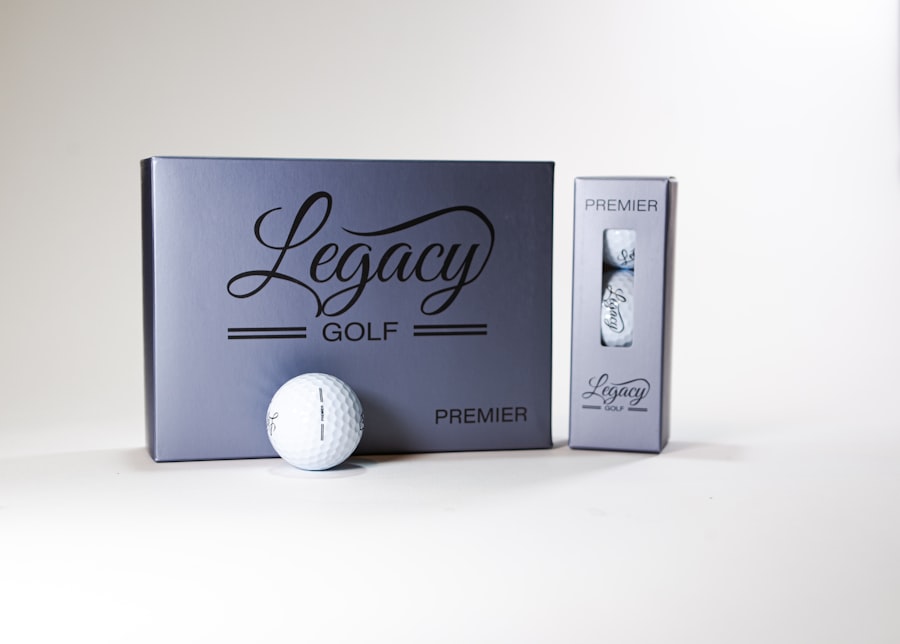
Kirkland Signature’s formidable presence has also created a complex web of dependencies within the manufacturing sector. Many established brands, and even the manufacturers that produce Kirkland Signature products, find themselves in a delicate balancing act. The success of Kirkland Signature means that manufacturers often prioritize Costco’s high-volume orders, potentially impacting the supply and pricing of products offered by national brands.
Manufacturers Caught in the Middle
The Temptation of Guaranteed Volume
For many manufacturers, the consistent and enormous order volumes from Costco represent a stable and predictable revenue stream. This can be particularly attractive in volatile economic conditions. The guarantee of such substantial business often outweighs the desire or ability to prioritize other clients, including national brands.
Impact on Production Slots and Lead Times
As Kirkland Signature’s demand grows, manufacturers may allocate more of their production capacity to fulfill these orders. This can lead to longer lead times and reduced availability for national brands, forcing them to accept less favorable terms or experience stockouts, further benefiting Kirkland Signature.
The Cost of Access: Negotiating Power Shift
“Kirkland Signature First” Mentality
Large manufacturers may adopt a “Kirkland Signature first” mentality to secure their relationship with Costco. This can translate into them offering more favorable terms to Kirkland Signature, including priority production, lower pricing, and greater flexibility, at the expense of negotiations with other clients.
The “KIRKLAND Effect” on Other Contract Manufacturers
Even manufacturers that do not produce for Kirkland Signature can feel the ripple effects. The success of the brand raises the bar for private label quality and pricing expectations. This can pressure other contract manufacturers to compete more aggressively on price and efficiency, potentially impacting their profitability and their ability to serve national brands.
Big brands are increasingly wary of Kirkland Signature, Costco’s private label, due to its ability to offer high-quality products at significantly lower prices. This phenomenon has led to a shift in consumer behavior, as shoppers often prefer the value and quality associated with Kirkland products over traditional brand names. For a deeper understanding of this trend and its implications for the retail market, you can read more in this insightful article here. As Kirkland continues to gain market share, established brands must rethink their strategies to remain competitive in an evolving landscape.
The Future Landscape: A Strategic Imperative for Big Brands
| Reasons Big Brands are Terrified of Kirkland Signature |
|---|
| 1. Competitive Pricing |
| 2. High Quality Products |
| 3. Diverse Product Range |
| 4. Strong Brand Loyalty |
| 5. Exclusive to Costco Members |
| 6. Limited Marketing Costs |
The continued ascent of Kirkland Signature presents a strategic imperative for major brands. Ignoring its threat is no longer an option. Brands must adapt their strategies to compete not only on product innovation and marketing but also on value and efficiency. The rise of private labels like Kirkland Signature signals a fundamental shift in consumer expectations and market dynamics, requiring established players to re-evaluate their long-term approaches to product development, pricing, and supply chain management.
Adapting to the Private Label Reality
Investing in Own Private Label Strategies (with caution)
Some brands might consider developing their own more affordable tiers or private label offerings to compete. However, this carries the risk of cannibalizing their premium brands and potentially blurring their brand identity. A nuanced approach is required.
Enhancing Brand Differentiation and Value Proposition
Brands need to more effectively communicate the unique value they offer beyond basic functionality. This includes highlighting innovation, sustainability, ethical sourcing, superior customer service, and the emotional connection consumers have with their brands.
Re-evaluating Supply Chain Partnerships
Diversifying Manufacturing Relationships
To mitigate the risk of over-reliance on a few key manufacturers, brands may need to diversify their supplier base and explore partnerships with a wider range of producers, including those less beholden to large private label buyers.
Building Greater Transparency and Agility
Achieving greater transparency in their supply chains and fostering agility in production will enable brands to respond more effectively to market demands and potential disruptions caused by the dominance of large private labels.
The Ongoing Battle for Consumer Mindshare
The threat of Kirkland Signature is not merely an economic one; it is also a battle for consumer mindshare and loyalty. As Kirkland Signature continues to expand its product offerings and solidify its reputation for quality and value, major brands will need to re-double their efforts to connect with consumers on a deeper level, reaffirming the intrinsic worth and desirability of their brands. The landscape has fundamentally changed, and the brands that fail to acknowledge and adapt to the persistent and growing threat of Kirkland Signature will find themselves increasingly vulnerable.
FAQs
1. What is Kirkland Signature?
Kirkland Signature is a private label brand owned and sold by Costco, a membership-based warehouse club. The brand offers a wide range of products, including food, household items, and clothing.
2. Why are big brands afraid of Kirkland Signature?
Big brands are afraid of Kirkland Signature because the private label brand offers high-quality products at lower prices, posing a threat to their market share and profitability. Kirkland Signature’s competitive pricing and strong reputation for quality make it a formidable competitor in the retail industry.
3. How does Kirkland Signature impact the retail industry?
Kirkland Signature’s success has forced big brands to reevaluate their pricing strategies and product offerings. The brand’s popularity has also influenced consumer shopping habits, as more shoppers are opting for private label products over traditional name brands.
4. What are some of the popular products offered under Kirkland Signature?
Kirkland Signature offers a wide range of products, including organic foods, wine, batteries, laundry detergent, and vitamins. The brand is known for its high-quality products and competitive pricing across various categories.
5. How does Kirkland Signature maintain its quality and affordability?
Kirkland Signature maintains its quality and affordability by working directly with manufacturers to produce its products. By cutting out middlemen and reducing marketing expenses, the brand is able to offer high-quality products at lower prices compared to traditional name brands.