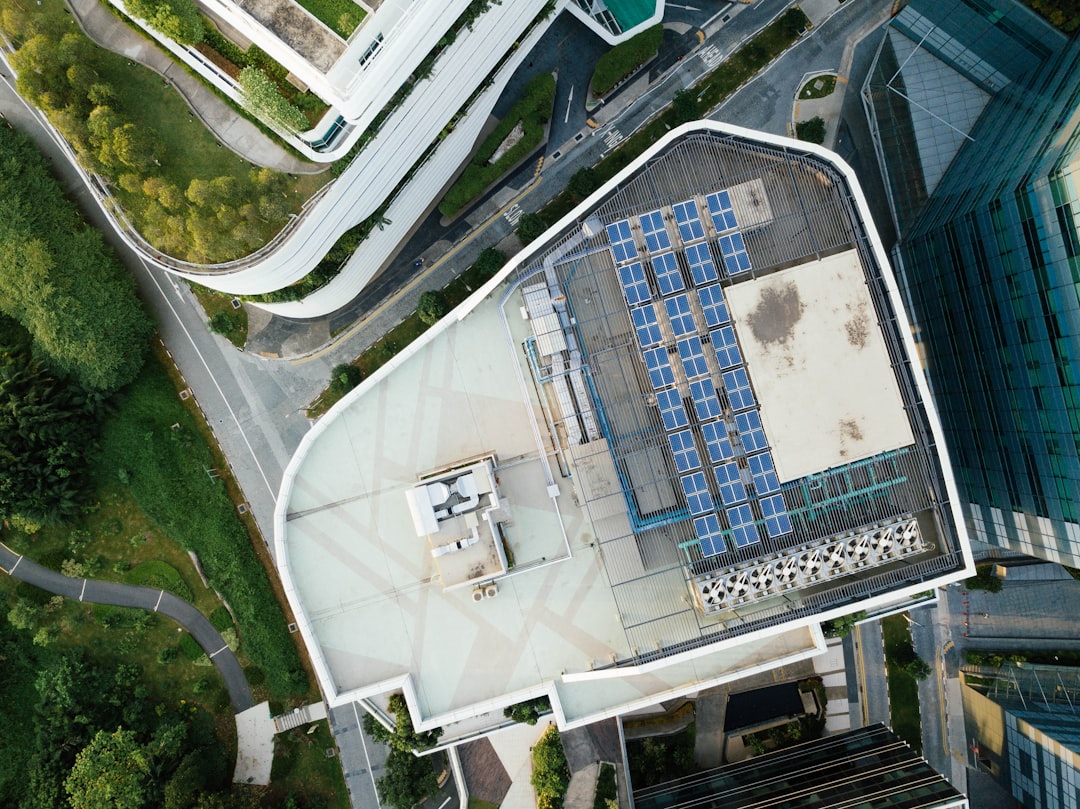
The landscape of energy production is undergoing a significant transformation, driven by advancements in renewable technologies. Among these, rooftop solar power has emerged as a decentralized and increasingly accessible option for consumers. However, this paradigm shift is not proceeding without resistance. Established utility companies, historically the gatekeepers of electricity supply, find themselves at odds with the burgeoning growth of rooftop solar. This article examines the multifaceted nature of this conflict, exploring the underlying motivations and strategies employed by utilities in what can be characterized as a power struggle over the future of energy.
The traditional energy model is a unidirectional flow: a central powerhouse generates electricity, which is then transmitted and distributed to consumers. Utilities have operated within this framework for decades, investing heavily in large-scale generation facilities, transmission lines, and distribution networks. Their business model is predicated on selling kilowatt-hours to a captive customer base.
The Rise of Distributed Generation
Rooftop solar represents a fundamental challenge to this established order. It introduces distributed generation, where electricity is produced closer to the point of consumption. This means that households and businesses can generate their own power, reducing their reliance on the grid and, consequently, reducing their electricity bills.
Economic Implications for Utilities
For utilities, the growth of rooftop solar translates directly into a loss of revenue. As more consumers adopt solar, they purchase less electricity from the grid. This erosion of their traditional customer base and revenue stream is a primary driver of their opposition.
The Concept of the “Death Spiral”
Some utility executives perceive the increasing adoption of rooftop solar as a potential “death spiral.” This theory posits that as utilities lose more high-revenue customers to solar, they must raise rates for the remaining customers to cover fixed costs. This in turn makes solar even more attractive to those remaining customers, accelerating the cycle of customer defection and rate increases. While the actual manifestation and severity of such a spiral are debated, the fear of it significantly influences utility strategies.
Consumer Empowerment and Choice
Beyond the economic implications, the rise of rooftop solar also represents a fundamental shift in consumer power and choice. Historically, consumers had little agency in their electricity source. Now, they can actively participate in their energy generation, often driven by environmental concerns, a desire for energy independence, or the financial benefits. This empowerment challenges the unilateral control utilities once held.
Environmental Drivers
A significant portion of rooftop solar adoption is fueled by environmental consciousness. Consumers seeking to reduce their carbon footprint and contribute to a cleaner energy future are drawn to solar power. Utilities, while increasingly investing in renewable energy themselves, often find this distributed approach less predictable and controllable than their own large-scale projects.
Energy Independence and Resilience
For some consumers, rooftop solar offers a degree of energy independence and resilience. The ability to generate power during grid outages, especially when paired with battery storage, provides a valuable safeguard against disruptions. This self-sufficiency is a concept that directly contrasts with the utility’s role as the sole provider of reliable electricity.
The ongoing debate surrounding rooftop solar energy often highlights the tension between individual homeowners seeking sustainable energy solutions and utility companies aiming to maintain their traditional business models. A related article discusses how utilities are implementing various strategies to suppress the growth of rooftop solar, including regulatory hurdles and financial disincentives. For more insights on this topic, you can read the article at Hey Did You Know This.
Utility Motivations for Opposition
The opposition from utilities to the widespread adoption of rooftop solar is not monolithic, but it is driven by a consistent set of underlying concerns and perceived threats to their business operations and profitability. These motivations often manifest in strategies aimed at slowing down, limiting, or making rooftop solar less financially attractive to consumers.
Preserving Existing Revenue Streams
As previously discussed, the most potent motivation for utility opposition is the protection of their existing revenue streams. The established utility business model relies on the sale of electricity, and rooftop solar directly reduces the volume of electricity sold.
The Value of the Grid
Utilities argue that they provide essential services beyond just the generation of electricity. They maintain the vast infrastructure – transmission lines, substations, and local distribution networks – that underpins the entire electricity system. When customers install rooftop solar and reduce their purchases from the utility, they still benefit from the reliability and stability of this grid, which is maintained at a cost. Utilities contend that these “grid services” should be compensated, and that current rate structures do not adequately account for them.
Fixed Cost Recovery
A significant portion of utility operating costs are fixed. These include the maintenance and capital expenditures for their infrastructure, as well as regulatory compliance and administrative expenses. As more customers generate their own power, the average cost of providing grid services to the remaining customers increases. Utilities seek mechanisms to ensure that all users of the grid contribute their fair share to these fixed costs.
Maintaining Grid Stability and Reliability
Utilities express concerns about the impact of widespread rooftop solar on grid stability and reliability. The integration of numerous small, intermittent energy sources poses technical challenges that differ from managing large, centralized power plants.
Intermittency and Variability
Solar power generation is inherently intermittent and variable, dependent on sunlight availability. This intermittency can create challenges for grid operators who must constantly balance electricity supply and demand in real-time. Managing these fluctuations requires sophisticated forecasting and grid management systems.
Two-Way Power Flow
Historically, electricity flowed in one direction: from the utility to the consumer. Rooftop solar introduces two-way power flow, where excess solar electricity can be fed back into the grid. This can create operational complexities, such as voltage fluctuations and the need for more advanced grid infrastructure to handle these bidirectional flows.
Grid Modernization Requirements
To effectively integrate and manage distributed solar resources, utilities argue that significant investments in grid modernization are required. This includes upgrades to substations, smart meters, and advanced distribution management systems. They contend that the current rate structures do not capture the necessary investment for these upgrades, which ultimately benefit all grid users, including solar owners.
Retaining Market Dominance and Control
Beyond immediate financial and operational concerns, utilities are also motivated by a desire to retain their market dominance and control over the energy sector. They have built their empires on being the sole providers, and the rise of distributed energy represents a potential erosion of that control.
Preventing “Unregulated” Competition
Utilities often view rooftop solar as a form of “unregulated” competition. They operate under strict regulatory oversight and are held to specific service standards. They argue that distributed solar, particularly when operating under net metering policies, can operate with fewer obligations and costs, creating an uneven playing field.
The “Decentralization” Threat
The very nature of distributed generation—decentralizing power production—is seen as a threat to the centralized control that has defined utilities for generations. This shift challenges their established business models and their ability to plan and manage the energy future.
Strategies Employed by Utilities
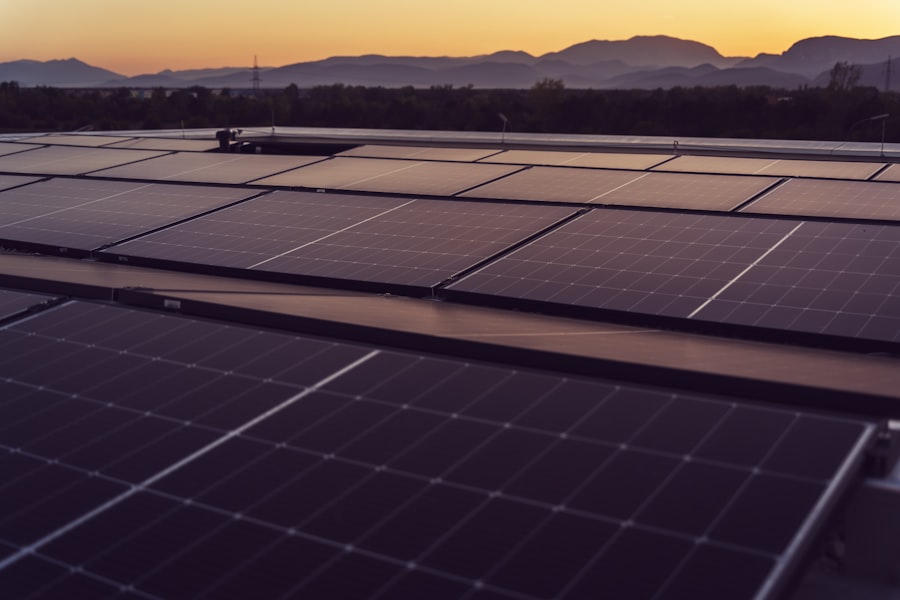
In response to the growing influence of rooftop solar, utilities have adopted a range of strategies. These tactics are often subtle, complex, and aimed at influencing policy, consumer behavior, and the economics of solar adoption.
Policy and Regulatory Influence
Perhaps the most significant leverage utilities possess is their influence over policy and regulatory bodies. They actively engage in lobbying efforts and participate in regulatory proceedings to shape the rules governing solar energy.
Net Metering Debates
Net metering is a policy that allows customers who generate their own electricity from solar to offset their electricity bills by receiving credit for excess power they send back to the grid. Utilities often advocate for the reduction or elimination of net metering, arguing that it unfairly subsidizes solar customers at the expense of non-solar customers.
Arguments for Net Metering Reform
Utilities present arguments that net metering policies are outdated and do not reflect the true cost of grid services. They often commission studies to demonstrate that solar customers are not paying their fair share for grid maintenance and reliability.
The Impact of Net Metering Reductions
Reductions or eliminations of net metering can significantly impact the economic viability of rooftop solar for consumers, making it a less attractive investment. This can effectively slow down adoption rates.
Rate Design Proposals
Utilities frequently propose changes to rate structures that can disincentivize rooftop solar. This includes implementing fixed charges, demand charges, or tiered rates that disproportionately affect customers who have reduced their overall electricity consumption through solar.
Fixed Charges and Customer Charges
The implementation of higher fixed monthly charges or customer charges aims to ensure that all customers contribute a baseline amount to cover utility fixed costs, regardless of their electricity consumption. This can offset some of the savings gained from rooftop solar.
Demand Charges
Demand charges penalize customers based on their peak electricity usage within a billing period, rather than just their total consumption. For solar customers who may still draw heavily from the grid during peak demand periods (e.g., evenings when the sun is not shining), demand charges can increase their bills.
Grid Interconnection Challenges
Navigating the process of interconnecting rooftop solar systems to the grid can be a source of frustration and a barrier to adoption. Utilities can implement complex and time-consuming interconnection procedures.
Lengthy Approval Processes
The time it takes for utilities to approve interconnection applications can be excessively long, delaying project completion and increasing development costs. This can deter potential solar adopters.
High Interconnection Fees
Utilities may impose significant fees for connecting rooftop solar systems to the grid. These fees can include technical studies, equipment upgrades, and administrative costs, which can add to the overall expense of installing solar.
Technical Requirements and Mandates
Utilities may impose stringent technical requirements for interconnection, sometimes exceeding national standards. These requirements can necessitate additional equipment and engineering expertise, increasing the complexity and cost of solar installations.
Public Relations and Information Campaigns
Utilities often engage in public relations and information campaigns designed to influence public perception of rooftop solar. These campaigns may highlight the perceived drawbacks of solar while emphasizing the benefits of the traditional grid and utility services.
Emphasizing Grid Costs
These campaigns often focus on the costs associated with maintaining the grid and the argument that solar customers do not pay their fair share for these services. This aims to foster resentment among non-solar customers towards their solar-powered neighbors.
Promoting Utility-Scale Renewables
Utilities also promote their own large-scale renewable energy projects, such as wind and utility-scale solar farms, as the “responsible” and “integrated” way to transition to clean energy. This can serve to downplay the role and benefits of distributed rooftop solar.
The Economic and Social Ramifications
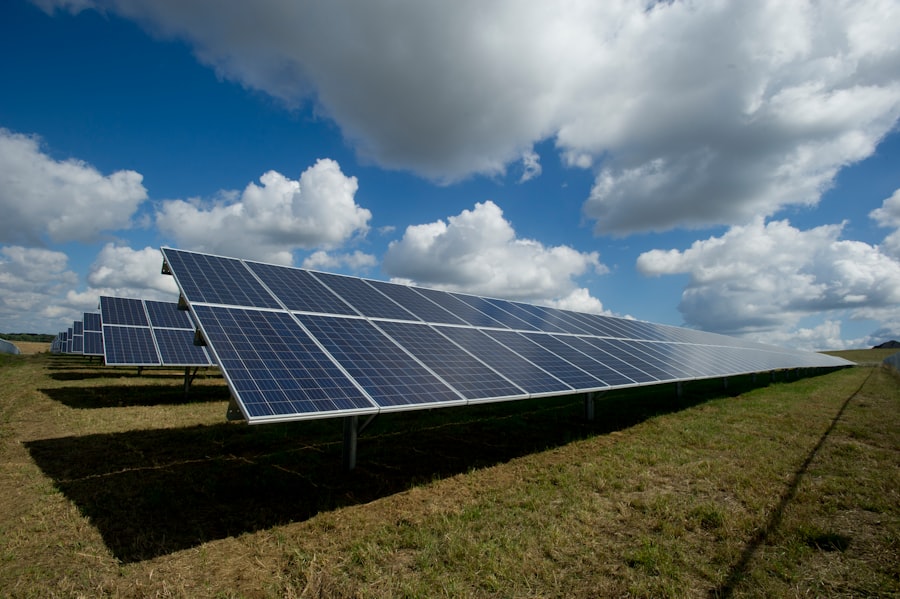
The ongoing power struggle between utilities and rooftop solar has significant economic and social ramifications, impacting consumers, the energy industry, and the broader transition to a cleaner energy future.
Impact on Consumers
For consumers, the outcomes of this struggle directly affect their energy bills, their choices, and their ability to participate in the clean energy transition.
Financial Burden on Solar Owners
When net metering is reduced or eliminated, or when rates are designed to penalize solar adoption, the financial return on investment for rooftop solar diminishes. This can place a financial burden on individuals and households who have invested in solar to save money.
Affordability of Energy
The debate over grid costs and rate design also has broader implications for energy affordability. If rates increase to compensate for declining sales, it can disproportionately affect low-income households who are less able to afford rooftop solar systems.
Choice and Equity in Energy Access
The suppression of rooftop solar can limit consumer choice and create inequities in energy access. Those who can afford rooftop solar may still benefit from lower bills and cleaner energy, while those who cannot are left with higher costs and potentially less environmental benefit.
Implications for the Energy Industry
The conflict is reshaping the energy industry, creating new business opportunities while also threatening established players.
Growth of Solar Industry Support Businesses
The rise of rooftop solar has spurred the growth of a vast ecosystem of businesses, including solar panel manufacturers, installers, financiers, and technology providers. Utilities’ efforts to suppress solar can directly impact the viability of these businesses.
The Future of Utility Business Models
Utilities are being forced to re-evaluate their business models. Some are proactively embracing distributed energy resources and exploring new revenue streams, while others remain entrenched in defending their traditional model.
Innovation and Grid Modernization
The challenge posed by rooftop solar is driving innovation in grid management, energy storage, and smart grid technologies. The need to integrate diverse energy sources is pushing the industry towards a more decentralized and intelligent grid.
The Pace of the Clean Energy Transition
The extent to which rooftop solar is supported or suppressed can significantly influence the pace and nature of the overall clean energy transition.
Decentralized vs. Centralized Renewables
The debate highlights a fundamental tension between decentralized and centralized approaches to renewable energy deployment. While both have their roles, the opposition to rooftop solar can slow the adoption of a more distributed and resilient energy system.
Consumer Participation in Climate Solutions
Rooftop solar empowers consumers to be active participants in climate solutions. If this pathway is significantly hindered, it can disempower individuals and communities seeking to contribute to a greener future.
Many homeowners are increasingly turning to rooftop solar as a sustainable energy solution, yet there are significant barriers to its widespread adoption, often stemming from utility companies. A recent article explores the various tactics employed by these utilities to suppress the growth of solar energy, highlighting how they may prioritize their own financial interests over consumer choice. For a deeper understanding of this issue, you can read more in this insightful piece on the subject here.
The Path Forward: Towards a Collaborative Energy Future?
| Reasons | Impact |
|---|---|
| Net metering policies | Reduces utility revenue |
| Grid connection fees | Increases upfront costs for consumers |
| Restrictive regulations | Limits consumer choice and competition |
| Anti-solar lobbying | Undermines support for solar energy |
The current adversarial dynamic between utilities and rooftop solar is unsustainable in the long term. A more collaborative approach is necessary to navigate the complex challenges and capitalize on the opportunities presented by the evolving energy landscape.
Rethinking Utility Business Models
Utilities must fundamentally rethink their business models to adapt to the realities of distributed energy. This involves moving beyond the sole reliance on kilowatt-hour sales and exploring new revenue streams.
Embracing Distributed Energy Resource Providers (DERs)
Utilities can transition from being solely providers of electricity to becoming facilitators and managers of a more complex energy ecosystem. This involves integrating and coordinating with distributed energy resources, rather than opposing them.
Offering Grid Services and Energy Management Solutions
New revenue opportunities lie in providing grid services, such as grid stability, voltage regulation, and demand response, which can be enhanced by distributed energy resources. Utilities can also offer energy management platforms and solutions for consumers.
Investing in Grid Modernization and Innovation
Utilities can leverage their expertise and resources to lead investments in grid modernization, smart grid technologies, and energy storage solutions. These investments are crucial for a resilient and efficient energy future.
Policy Reform for a Balanced Approach
Policy and regulation play a critical role in shaping the energy landscape. Reforms are needed to ensure a balanced and equitable approach that benefits all stakeholders.
Fair Compensation for Grid Services
New compensation mechanisms for grid services are required, ensuring that all users of the grid contribute their fair share to its maintenance and reliability, while also accurately valuing the contributions of distributed energy resources to grid support.
Streamlined and Transparent Interconnection Processes
Interconnection processes for rooftop solar should be streamlined, transparent, and affordable. This will reduce barriers to adoption and accelerate deployment.
Equitable Rate Design
Rate designs should be equitable, reflecting the true costs and benefits of all energy sources and consumption patterns. This may involve exploring innovative rate structures that incentivize efficiency and participation in grid services.
Empowering Consumers and Fostering Innovation
Consumers are key stakeholders in the energy transition. Policies and market structures should be designed to empower them and foster innovation in the clean energy sector.
Supporting Consumer Education and Access
Efforts should be made to educate consumers about their energy options and provide access to affordable and reliable clean energy solutions. This includes supporting community solar projects and other initiatives that broaden access to solar.
Encouraging Technological Advancement
Policies should encourage technological advancement in solar, energy storage, and grid management. This can be achieved through research and development funding, as well as market incentives.
Building a Resilient and Sustainable Energy Future
Ultimately, the goal is to build a resilient, sustainable, and equitable energy future. This requires moving beyond the adversarial power struggle and fostering collaboration among utilities, consumers, regulators, and industry players to achieve shared objectives. The path forward demands a recognition that the future of energy is not solely in the hands of large, centralized providers, but in a dynamic and interconnected system that embraces innovation and empowers all participants.
FAQs
What is rooftop solar?
Rooftop solar refers to the installation of solar panels on the roofs of residential or commercial buildings to generate electricity from sunlight.
Why are utilities suppressing rooftop solar?
Utilities are suppressing rooftop solar because it threatens their traditional business model by reducing the demand for their electricity and cutting into their profits.
How are utilities suppressing rooftop solar?
Utilities are suppressing rooftop solar by imposing fees and regulations that make it more expensive for homeowners and businesses to install and use solar panels. They also lobby against pro-solar policies and net metering.
What are the benefits of rooftop solar?
Rooftop solar allows homeowners and businesses to generate their own clean, renewable energy, reduce their electricity bills, and contribute to the fight against climate change.
What can be done to support rooftop solar in the face of utility suppression?
Supporting rooftop solar in the face of utility suppression can be done by advocating for pro-solar policies, net metering, and fair compensation for solar energy generation. Additionally, investing in community solar projects and educating the public about the benefits of rooftop solar can help counteract utility suppression.