
The wealth of the world’s wealthiest individuals, often referred to as billionaires, has witnessed a significant and sustained ascent in recent decades. This phenomenon is not a monolithic event but rather a complex interplay of economic forces, technological advancements, and shifting global dynamics. Understanding the contours of this accumulating fortune requires a dispassionate examination of its origins, its growth mechanisms, and its broader societal implications.
The path to becoming a billionaire is rarely a singular, preordained trajectory. Instead, it represents the culmination of innovation, shrewd investment, and often, significant risk-taking. The core of these immense fortunes frequently lies in the creation and scaling of businesses that address fundamental human needs or desires, or that disrupt existing markets with novel solutions.
Early Innovations and Entrepreneurship
Historically, many of the foundational fortunes were built upon industrial might – steel, oil, railroads. Today, the landscape has expanded dramatically. The digital revolution has been a particularly fertile ground. Companies that harness the power of information, connectivity, and software have become colossal engines of wealth creation. Think of the foundational pillars of the internet, the pioneers of e-commerce, or the architects of social networks. These individuals, through their foresight and execution, laid the groundwork for empires whose value is now measured in hundreds of billions.
The Role of Technology and the Digital Economy
The transformative power of technology cannot be overstated. The internet, mobile computing, and artificial intelligence have democratized access to global markets and amplified the reach of innovative ideas exponentially. A single application or platform can now connect billions of users, generating revenue streams previously unimaginable. This digital leverage allows for rapid scaling without the traditional constraints of physical infrastructure, enabling entrepreneurs to build global reach from humble beginnings.
Diversification and Investment Strategies
Beyond the core business, a significant portion of a billionaire’s wealth often accrues through astute investment. This can involve a wide range of assets, from real estate and venture capital to publicly traded stocks and private equity. Strategic diversification not only protects against individual asset class downturns but also provides avenues for further growth, often in sectors experiencing their own booms. The ability to access and deploy capital at scale, and to make informed long-term investment decisions, becomes a powerful compounding force.
In recent discussions surrounding billionaire wealth, an intriguing article titled “The Rise of Billionaire Wealth: Trends and Implications” delves into the factors contributing to the growing concentration of wealth among the ultra-rich. This article provides insights into economic trends, investment strategies, and the societal impacts of such wealth disparity. For more detailed information, you can read the full article here: The Rise of Billionaire Wealth: Trends and Implications.
Drivers of Wealth Accumulation
The sheer velocity and magnitude of billionaire wealth growth are fueled by a confluence of factors that have reshaped the global economic landscape. These drivers operate both on the macro and micro levels, creating a feedback loop that propels fortunes upwards.
Globalization and Market Access
The increasing interconnectedness of the world has opened up vast new markets for businesses. Companies that can operate on a global scale, or whose products and services have universal appeal, are poised for tremendous growth. This allows for economies of scale that reduce production costs and increase profit margins, directly contributing to the bottom line and, consequently, the owner’s wealth. The digital age has amplified this effect, enabling even small startups to reach a global audience with minimal friction.
Technological Disruption and Market Dominance
In many sectors, technological innovation has created “winner-take-all” or “winner-take-most” dynamics. Companies that are first to market with a truly disruptive technology or business model can establish a dominant position that is exceedingly difficult for competitors to challenge. This dominance translates into market share, pricing power, and an ever-growing revenue stream. Think of the platform businesses that become essential utilities for a vast number of users; their embeddedness creates a powerful moat around their operations.
Low Interest Rate Environments and Asset Inflation
Periods of sustained low interest rates, while intended to stimulate economic activity, can also contribute to asset inflation. When borrowing costs are low, capital becomes more readily available for investment. This influx of money can drive up the prices of assets like stocks, bonds, and real estate. Billionaires, with their substantial holdings in these assets, benefit disproportionately from such market appreciation. Their wealth acts as a ballast, weathering economic storms and capitalizing on upswings.
Favorable Tax Policies and Wealth Management
Tax policies can play a significant role in the accumulation and retention of wealth. Different jurisdictions offer varying tax regimes, and sophisticated wealth management strategies can be employed to optimize the tax liabilities of wealthy individuals and their entities. This can include the use of trusts, offshore accounts, and strategic business structuring, all designed to legally minimize tax burdens and maximize net retained wealth.
The Scale and Distribution of Billionaire Wealth

Quantifying the scope of billionaire wealth reveals a startling concentration of economic power. The numbers, when examined closely, paint a picture of a global economic system where a select few hold a disproportionately large share of its resources.
Global Wealth Statistics and Trends
Various organizations, such as Forbes and Bloomberg, meticulously track the net worth of the world’s richest individuals. These reports consistently show a trend of increasing billionaire numbers and a rising aggregate net worth. The data often highlights significant year-on-year growth, even in times of broader economic challenges. This suggests that the mechanisms driving wealth accumulation for the top percentile are remarkably resilient and potent. The sheer sums involved are often difficult to comprehend, representing more capital than many developing nations possess.
Concentration of Wealth and Inequality
The rise of billionaire wealth is inextricably linked to growing concerns about wealth inequality. As the fortunes of the super-rich soar, the gap between them and the majority of the population often widens. This concentration of wealth can lead to a host of societal issues, including reduced social mobility, political influence wielded by a select few, and a sense of economic disenfranchisement for those at the lower end of the spectrum. It creates a landscape where a small number of individuals control a vast amount of financial leverage.
Geographic Distribution of Billionaires
While the phenomenon of billionaires is global, there are certain geographic hubs where wealth tends to concentrate. Historically, the United States has been a dominant force, but in recent years, Asia, particularly China, has seen a dramatic surge in the number of its own billionaires and the growth of their fortunes. This shift reflects evolving global economic power dynamics and the emergence of new industrial and technological centers.
Impacts on the Global Economy
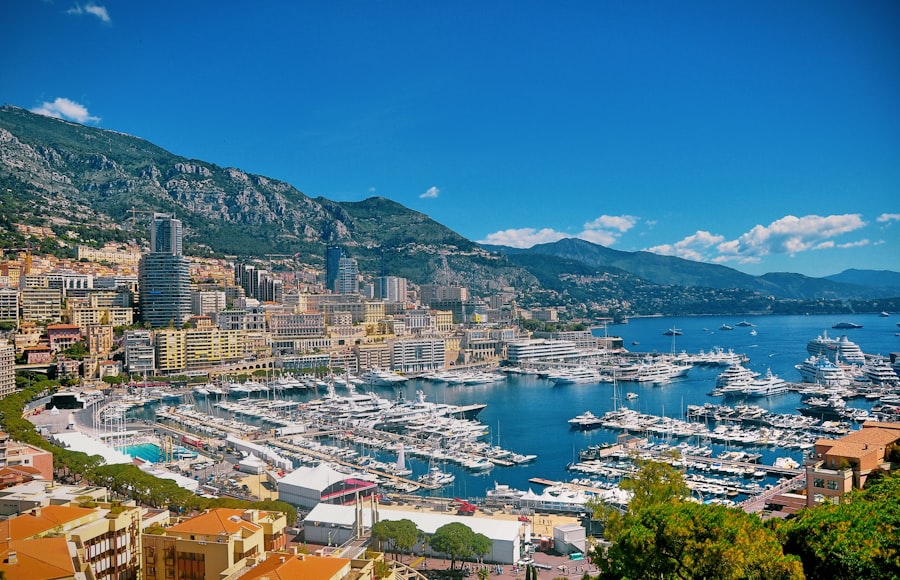
The immense wealth held by billionaires has tangible and far-reaching impacts on the global economy, influencing investment flows, consumer markets, and even the direction of technological development.
Investment and Capital Allocation
Billionaires are significant investors, deploying capital across a wide spectrum of industries and geographies. Their investment decisions can steer the direction of innovation, support emerging technologies, and create jobs. Venture capital arms of their companies, for instance, have been instrumental in funding many of today’s tech giants. However, the sheer scale of their investment power also means that their choices can concentrate economic activity in certain sectors, potentially at the expense of others.
Philanthropy and Social Impact
While much attention is focused on wealth accumulation, many billionaires also engage in significant philanthropic endeavors. Large foundations established by these individuals fund research, education, healthcare, and various social causes. The scale of these contributions can have a profound positive impact on global development and address critical societal challenges. However, the distribution of this philanthropic capital can also reflect the personal priorities and biases of the donors, leading to questions about its overall effectiveness and equity.
Influence on Policy and Governance
The economic power wielded by billionaires often translates into significant political influence. Through lobbying, campaign donations, and the funding of think tanks, wealthy individuals and corporations can shape public policy in ways that may benefit their interests. This raises concerns about democratic fairness and whether policy decisions are truly representative of the broader population or primarily cater to the desires of a wealthy elite.
The growing disparity in billionaire wealth has sparked significant discussions about economic inequality and its implications for society. A recent article explores the impact of this wealth concentration on global economies and social structures, shedding light on the challenges faced by the middle and lower classes. For more insights on this topic, you can read the article here: Billionaire Wealth and Its Impact. Understanding these dynamics is crucial for fostering a more equitable future.
Debates and Critiques
| Rank | Name | Net Worth (Billion) | Source of Wealth | Country |
|---|---|---|---|---|
| 1 | Elon Musk | 230 | Technology, Automotive | USA |
| 2 | Bernard Arnault | 190 | Luxury Goods | France |
| 3 | Jeff Bezos | 150 | E-commerce, Technology | USA |
| 4 | Gautam Adani | 125 | Infrastructure, Commodities | India |
| 5 | Warren Buffett | 115 | Investments | USA |
The phenomenon of soaring billionaire wealth is not without its detractors and is a frequent subject of intense debate. Critics often point to the broader societal implications of such concentrated affluence.
The Question of Fair Distribution
A central critique revolves around the fairness of wealth distribution. Critics argue that the current economic system allows for an excessive accumulation of wealth at the top, often at the expense of labor and societal well-being. They question whether such immense fortunes can be generated without exploiting existing inequalities or environmental resources. Is the economic pie being sliced in a way that leaves too few crumbs for the majority?
The Ethics of Extreme Wealth
Ethical considerations surrounding extreme wealth are frequently raised. Questions about the moral justification of possessing such vast resources when widespread poverty and inequality persist are common. Some argue that such concentrated wealth represents a failure of societal systems and a hoarding of resources that could be better utilized for collective good.
Proposed Solutions and Policy Interventions
In response to these concerns, various policy proposals have been put forth. These include implementing higher progressive income and wealth taxes, strengthening labor protections and unions, increasing minimum wages, and regulating corporate monopolies. The debate centers on finding mechanisms to temper extreme wealth accumulation and ensure a more equitable distribution of economic prosperity. These discussions are not merely academic; they have real-world implications for the structure of our economies and societies.
FAQs
What defines a billionaire?
A billionaire is an individual whose net worth or wealth is equal to or exceeds one billion units of currency, typically measured in US dollars. This includes assets such as cash, stocks, real estate, and other investments.
How is billionaire wealth calculated?
Billionaire wealth is calculated by summing the value of all their assets, including shares in companies, real estate, cash, and other investments, and then subtracting any debts or liabilities. Publicly available data, stock prices, and financial disclosures are often used for estimation.
Who are some of the richest billionaires in the world?
Some of the richest billionaires globally include individuals like Elon Musk, Jeff Bezos, Bernard Arnault, and Bill Gates. Their rankings can fluctuate based on stock market changes and business performance.
What industries do most billionaires come from?
Many billionaires have made their wealth in industries such as technology, finance, retail, real estate, and manufacturing. Technology and finance sectors have seen significant growth in billionaire wealth in recent years.
How does billionaire wealth impact the global economy?
Billionaire wealth can influence the global economy through investments, job creation, philanthropy, and market trends. However, it also raises discussions about wealth inequality and economic policy.