
The Silent Squeeze: American Workers Under Pressure
For a significant portion of the American workforce, the economic landscape has become a tightrope walk. The prevailing narrative often celebrates economic growth and job creation, yet beneath this surface, a persistent and often unseen pressure is being exerted on the average worker. This phenomenon—the “silent squeeze”—describes a multifaceted challenge where wages stagnate or grow at a pace outstripped by rising costs, leading to diminished purchasing power and an increasing sense of financial precarity. This piece will delve into the various facets of this pressure, examining its origins, its impact on different segments of the population, and the systemic factors contributing to this growing economic strain.
Wages, the lifeblood of household economies, have, for many, ceased to flow with the same vigor as in previous generations. While headline figures might show nominal wage increases, a closer examination often reveals a different story when adjusted for inflation. The real value of earnings, the true measure of what a worker can afford, has been a source of growing concern.
The Inflationary Tide
Inflation acts like a relentless tide, steadily eroding the value of money. When wage increases fail to keep pace with the rising cost of goods and services – from groceries and housing to healthcare and childcare – the net effect is a decrease in real wages. This means that even if a worker receives a pay raise, they may find themselves able to purchase less than they could before. For instance, a 3% wage increase might seem positive, but if inflation is running at 4%, the worker is effectively taking a 1% pay cut in terms of their purchasing power. This disconnect between nominal wage growth and inflation is a cornerstone of the silent squeeze.
The Decline of Union Power
Historically, labor unions played a crucial role in advocating for higher wages, better benefits, and improved working conditions. Through collective bargaining, unions were often able to secure a more equitable distribution of economic gains between labor and capital. However, coinciding with the rise of the silent squeeze, has been a significant decline in union membership and influence in the United States. This erosion of collective bargaining power has left many individual workers with less leverage to negotiate for fair compensation, contributing to the flattening of wage growth for a substantial portion of the workforce. The diminished roar of organized labor has left a quieter, more vulnerable individual voice in the economic arena.
The Productivity-Pay Gap
Economists have long observed a growing divergence between worker productivity and wage growth. For decades, output per hour worked has steadily increased, largely due to technological advancements and improved efficiency. Yet, the gains from this increased productivity have not consistently translated into commensurate wage increases for the workers responsible for generating them. This productivity-pay gap suggests that a larger share of the economic value created by labor is being captured by corporations and shareholders, rather than being distributed to the workers who produce it. This widening chasm represents a significant inflow of wealth away from the average worker’s pocket.
The ongoing silent squeeze on American workers has been a topic of increasing concern, as many individuals face stagnant wages and rising living costs. For a deeper understanding of this issue, you can read a related article that explores the various factors contributing to this phenomenon. The article discusses how inflation, job market dynamics, and corporate practices are impacting the financial well-being of workers across the nation. To learn more, visit the article here: Silent Squeeze on American Workers.
The Rising Tide of Living Expenses
Even if wages were keeping pace, the relentless ascent of everyday living costs would still present a formidable challenge. A multitude of essential expenses have, in recent years, surged at rates that outpace general inflation, creating a second, equally potent arm of the silent squeeze.
The Housing Affordability Crisis
The cost of housing, whether renting or owning, has become an insurmountable hurdle for many Americans. In major metropolitan areas and increasingly in suburban and even rural communities, housing prices and rental rates have skyrocketed. This is driven by a complex interplay of factors including limited supply, increased demand, foreign investment, and speculative practices. For many, a disproportionate amount of their income is now consumed by housing costs, leaving less for other necessities and savings. This can manifest as long commutes, overcrowded living situations, or the painful decision to forgo other essential spending. The dream of homeownership, once a cornerstone of the American middle class, has become increasingly elusive for a growing segment of the population.
The Healthcare Cost Conundrum
Access to affordable healthcare remains a persistent concern. Despite efforts to reform the healthcare system, out-of-pocket costs for insurance premiums, deductibles, co-pays, and prescription drugs continue to climb. For individuals and families without employer-sponsored health insurance, or those with high-deductible plans, unexpected medical expenses can be financially devastating, leading to debt or the agonizing choice between necessary medical care and other essential needs. This ongoing crisis places a heavy, often unpredictable, financial burden on workers and their families.
The Burden of Education and Childcare
The cost of higher education, while often touted as a pathway to economic advancement, has become a significant source of financial strain for many. Student loan debt has ballooned into a national crisis, with millions of Americans burdened by repayments that can impact their ability to save, invest, or even start a family. Similarly, the cost of childcare has become a luxury for many working parents. The expense of quality childcare can rival mortgage payments or college tuition, forcing difficult decisions about work, family, and financial stability. This dual burden of education and childcare costs acts as a formidable barrier, particularly for younger workers and families.
The Impact on Different Demographics
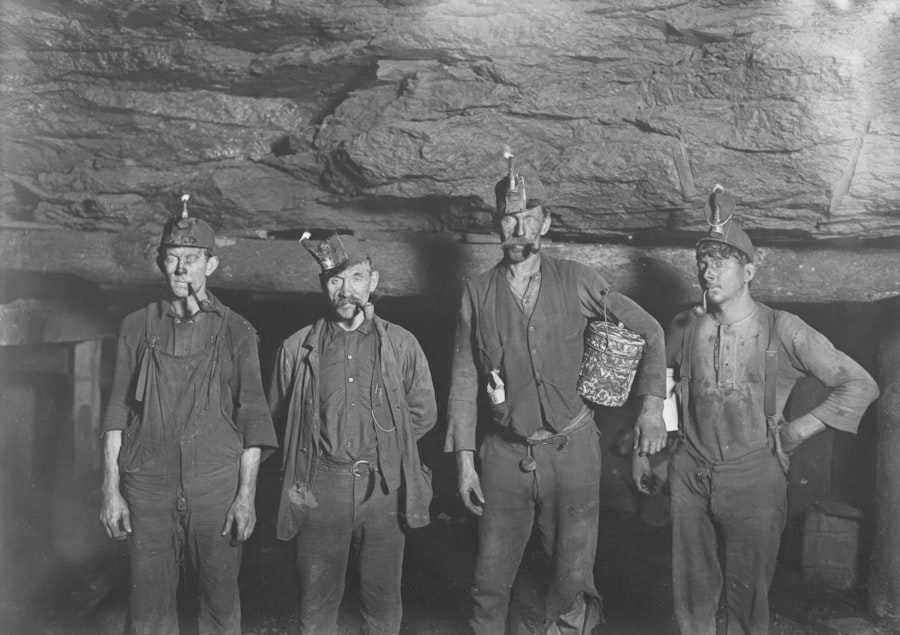
The silent squeeze does not affect all American workers equally. Certain demographics, due to historical inequities and systemic disadvantages, experience this pressure with amplified intensity.
The Widening Racial and Ethnic Wealth Gap
Minority communities, particularly Black and Hispanic Americans, often face additional systemic barriers that exacerbate the effects of the silent squeeze. Historically, discriminatory practices in housing, education, and employment have contributed to a significant wealth gap that persists today. These disadvantages can result in lower wages, limited access to financial resources, and greater vulnerability to economic downturns. The silent squeeze, therefore, often tightens with greater force on these already marginalized groups.
The Precariousness of Low-Wage Workers
Workers in low-wage sectors are on the front lines of the silent squeeze. These jobs, often in service industries, retail, and hospitality, typically offer modest pay, limited benefits, and little opportunity for advancement. Even with modest increases in the minimum wage, the cost of living in many areas can still make it nearly impossible to earn a living wage, leading to a constant struggle to meet basic needs. These workers often juggle multiple jobs, work long hours, and still find themselves one unexpected expense away from financial crisis.
The Strain on the Middle Class
The silent squeeze is not confined to low-wage earners; it has increasingly impacted the traditional middle class. As the costs of housing, education, and healthcare continue to climb, middle-class families find their purchasing power diminishing. The ability to save for retirement, afford higher education for their children, or even maintain the lifestyle they once envisioned becomes increasingly challenging. The buffer of financial security that defined the middle class is thinning, creating a sense of unease and a shrinking horizon for future prosperity.
Systemic Factors Fueling the Squeeze
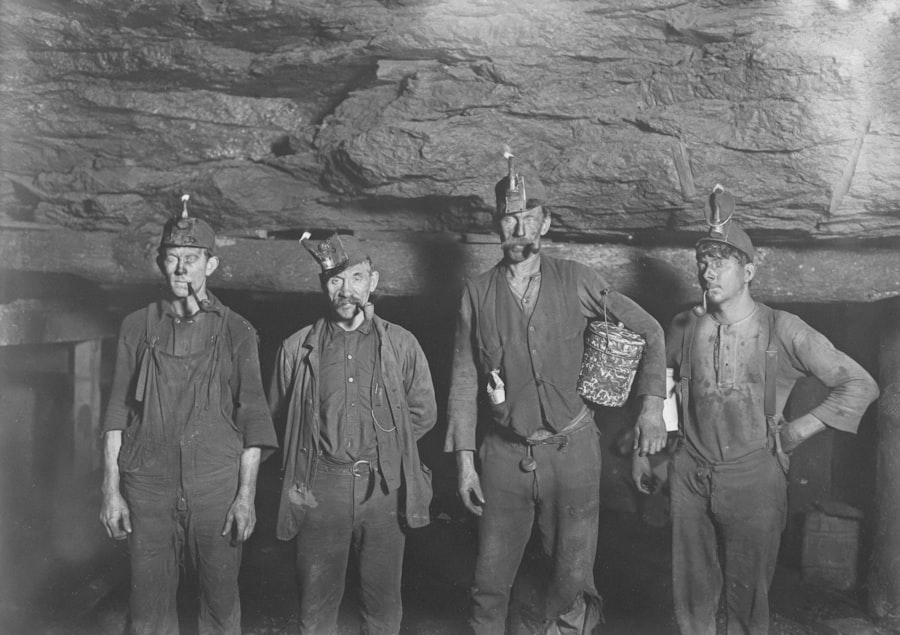
Understanding the silent squeeze requires looking beyond individual circumstances and examining the broader economic and policy structures that contribute to this phenomenon.
The Concentration of Corporate Power
In recent decades, there has been a significant increase in the concentration of corporate power and market share in many industries. This consolidation can lead to reduced competition, which can, in turn, suppress wages and limit consumer choice. When a few large corporations dominate an industry, they may have less incentive to compete on wages or offer better benefits, as workers have fewer alternative employment options. This concentration of power effectively tightens the noose around the economic necks of many workers.
The Influence of Corporate Lobbying
Corporate lobbying efforts play a significant role in shaping economic policy in the United States. Through financial contributions and persistent advocacy, corporations often influence legislation and regulations in ways that benefit their bottom line, sometimes at the expense of workers. This can include efforts to weaken labor protections, reduce corporate taxes (with the expectation of job creation and wage growth, which has not always materialized), or loosen regulatory oversight. The playing field, therefore, is often tilted in favor of capital over labor.
The Globalization of Labor Markets
While globalization has brought numerous benefits, it has also created pressures on domestic labor markets. The ability of companies to move production to countries with lower labor costs can put downward pressure on wages for workers in similar industries in the United States. This creates a global competitive dynamic that can force American workers to accept lower wages or face job displacement. The specter of offshore employment looms large, acting as a silent threat to wage demands.
The ongoing silent squeeze on American workers has sparked widespread concern about the erosion of wages and job security in various sectors. A related article explores the implications of this trend on the overall economy and the quality of life for many individuals. For a deeper understanding of these issues, you can read more about it in this insightful piece on the topic here. As the cost of living continues to rise, the challenges faced by workers become increasingly pronounced, highlighting the need for systemic changes to ensure fair compensation and job stability.
The Psychological and Societal Toll
| Metric | Value | Year | Notes |
|---|---|---|---|
| Median Hourly Wage Growth | 0.5% | 2023 | Adjusted for inflation, showing stagnation |
| Average Weekly Hours Worked | 34.5 hours | 2023 | Indicates slight increase in workload |
| Labor Force Participation Rate | 62.1% | 2023 | Below pre-pandemic levels |
| Percentage of Workers with Multiple Jobs | 7.5% | 2023 | Reflects financial pressure on workers |
| Inflation Rate | 4.2% | 2023 | Outpacing wage growth |
| Union Membership Rate | 10.1% | 2023 | Declining trend over decades |
| Percentage of Workers Reporting Job Insecurity | 35% | 2023 | Increased compared to previous years |
The persistent economic pressure experienced by American workers has profound psychological and societal consequences. The constant worry about making ends meet, the inability to save for the future, and the feeling of being trapped in a cycle of financial instability can lead to heightened stress, anxiety, and depression. This mental toll can impact individual well-being, family dynamics, and overall societal health.
The Erosion of Financial Security
The silent squeeze is chipping away at the foundation of financial security for many Americans. The dream of a comfortable retirement, of providing a secure future for one’s children, or of having the resources to weather an unexpected crisis is becoming increasingly distant for a growing segment of the population. This erosion of security can lead to a sense of resignation and a diminished belief in the promise of upward mobility.
The Impact on Consumer Spending and Economic Growth
When workers have less disposable income, their ability to spend on goods and services is curtailed. This reduced consumer spending can have a ripple effect throughout the economy, potentially slowing economic growth and job creation. The silent squeeze, therefore, can become a self-perpetuating cycle where diminished worker purchasing power hinders the very economic vitality that could alleviate their pressure.
The Political and Social Ramifications
The widespread experience of economic pressure and inequality can have significant political and social ramifications. It can fuel public discontent, contribute to political polarization, and lead to demands for systemic change. As the silent squeeze continues to exert its influence, the foundations of social cohesion and political stability may be tested.
In conclusion, the silent squeeze on American workers is a complex phenomenon driven by a confluence of factors, including stagnant wage growth, rising living expenses, and systemic economic and policy issues. The impact of this pressure is felt across demographics, with particular vulnerability for low-wage workers and minority communities. Addressing this challenge requires a multi-pronged approach that focuses on policies to promote equitable wage growth, control the rising cost of essential goods and services, and create a more level economic playing field for all American workers. The silent squeeze is not an abstract economic theory; it is a lived reality for millions, and understanding its intricacies is crucial for fostering a more just and prosperous future.
FAQs
What is meant by the “silent squeeze” on American workers?
The “silent squeeze” refers to the gradual and often unnoticed pressures that reduce the purchasing power and overall well-being of American workers. This can include stagnant wages, rising living costs, and diminishing benefits that collectively strain workers’ financial stability.
How have wages for American workers changed in recent years?
In recent years, wages for many American workers have remained relatively stagnant when adjusted for inflation. While nominal wages may have increased, the real income growth has often failed to keep pace with rising costs of living, effectively reducing workers’ purchasing power.
What factors contribute to the increased cost of living affecting American workers?
Several factors contribute to the rising cost of living, including higher housing prices, increased healthcare expenses, inflation in food and energy costs, and growing transportation expenses. These increases place additional financial burdens on workers, even if their wages do not rise correspondingly.
How does the silent squeeze impact worker productivity and morale?
The silent squeeze can lead to decreased morale and increased stress among workers, as financial pressures affect their quality of life. This can result in lower productivity, higher absenteeism, and increased turnover rates, which ultimately impact both employees and employers.
What measures can be taken to alleviate the silent squeeze on American workers?
Addressing the silent squeeze may involve policy interventions such as raising the minimum wage, improving access to affordable healthcare and housing, enhancing worker benefits, and promoting economic policies that support wage growth. Employers can also contribute by offering fair compensation, benefits, and opportunities for career advancement.