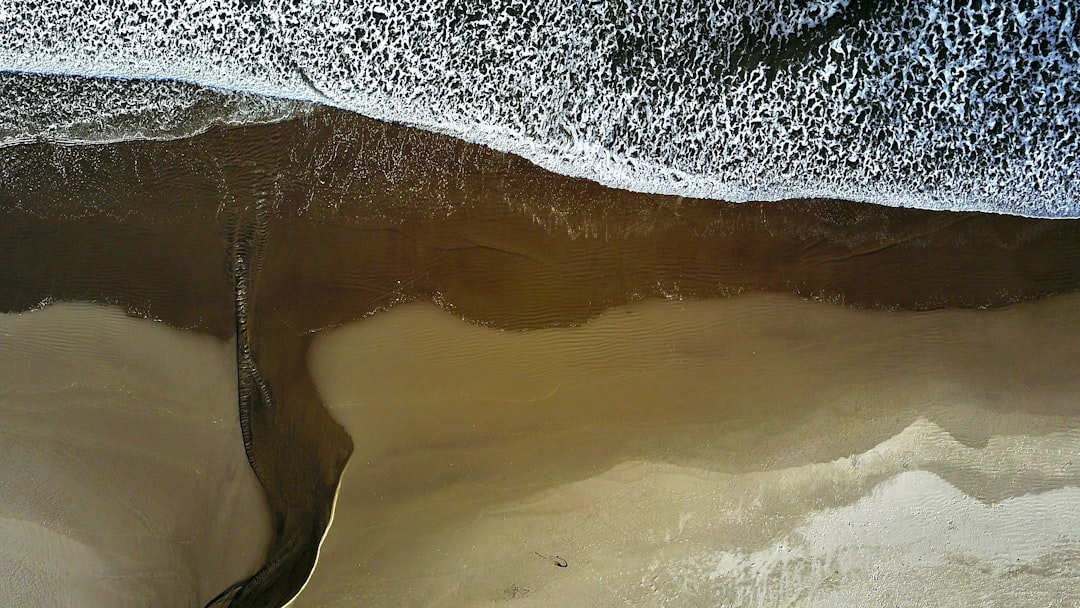
Nitrogen runoff, a seemingly innocuous element essential for plant growth, has become a stealthy antagonist to the world’s oceans, creating vast, oxygen-starved expanses known as “dead zones.” These aquatic deserts are places where life struggles to survive, a stark consequence of human activities upstream. Understanding the mechanisms by which nitrogen infiltrates these delicate ecosystems and the devastating impacts that follow is crucial for their restoration and the preservation of marine biodiversity.
Nitrogen, a fundamental building block of life, exists in various forms. In its gaseous state, it comprises about 78% of the Earth’s atmosphere, remaining largely inaccessible to most organisms. However, through natural processes and increasingly, through human intervention, nitrogen can be converted into compounds usable by plants, such as nitrates and ammonia. This conversion, often termed the nitrogen cycle, is a complex biogeochemical process.
Natural Nitrogen Fixation
Atmospheric Deposition of Nitrogen
Atmospheric deposition refers to the process by which nitrogen compounds, originating from both natural and anthropogenic sources, are transferred from the atmosphere to the Earth’s surface. Natural sources include lightning strikes and emissions from volcanic activity, which can convert atmospheric nitrogen into oxidized forms. However, the dominant driver of increased atmospheric nitrogen deposition in recent decades is human activity.
The Rise of Industrial Nitrogen Fixation
The Haber-Bosch process, developed in the early 20th century, revolutionized agriculture by enabling the industrial synthesis of ammonia from atmospheric nitrogen and hydrogen. This process, while vital for feeding a growing global population, has dramatically increased the availability of reactive nitrogen.
Agricultural Runoff: The Primary Culprit
The primary pathway for excess nitrogen to reach the oceans is through agricultural runoff. Farmers globally utilize synthetic fertilizers, which are rich in nitrates, to enhance crop yields. While essential for modern food production, a significant portion of these applied nitrogen compounds is not absorbed by plants.
Fertilizer Application and Inefficiencies
The application of fertilizers, while targeted at improving soil fertility, often results in an oversupply of nitrogen relative to plant needs. Factors such as timing of application, soil type, and weather conditions can influence the efficiency of nitrogen uptake by crops. When rainfall or irrigation occurs after fertilization, these excess soluble nitrogen compounds, primarily in the form of nitrates, are readily leached from the soil.
Manure Management and Animal Agriculture
Another significant source of nitrogen runoff stems from intensive animal agriculture. Large concentrations of livestock produce vast amounts of manure, which is rich in nitrogen. Improper storage and application of manure can lead to substantial nitrogen losses to surrounding water bodies. The sheer scale of modern industrial farming often strains the capacity of natural systems to absorb these nutrient inputs.
Urban and Suburban Runoff
Beyond agriculture, urban and suburban areas also contribute to nitrogen loading. Fertilizers used on lawns and gardens, pet waste, and inadequately treated human wastewater can all introduce nitrogen into storm drains, which often discharge directly into rivers and, eventually, the ocean.
The environmental impact of nitrogen runoff and ocean dead zones is a pressing issue that has garnered significant attention in recent years. For a deeper understanding of this topic, you can explore a related article that discusses the broader implications of nutrient pollution on marine ecosystems and human health. This article provides valuable insights into the causes and consequences of nitrogen runoff, as well as potential solutions to mitigate its effects. To read more, visit this link.
Eutrophication: The Feast Before the Famine
Once nitrogen-rich runoff enters rivers and streams, it embarks on a journey downstream. These waterways act as conduits, transporting the excess nutrients like a river of riches towards their ultimate destination: the ocean. This influx of nitrogen triggers a cascade of biological and chemical changes, a process known as eutrophication.
Algal Blooms: A Green Tsunami
The abundant nitrogen acts as a potent fertilizer for microscopic marine plants called phytoplankton. Like eager gardeners given an unlimited supply of prime compost, these organisms respond with explosive growth, forming dense mats on the surface of the water. These are the infamous algal blooms, turning the once clear ocean surface into a thick, often green or reddish, soup.
Phytoplankton: The Unsuspecting Drivers
Phytoplankton are the base of the marine food web, performing photosynthesis and converting sunlight into energy. Under normal conditions, their populations are regulated by nutrient availability and grazing by zooplankton. However, the sudden and sustained surge of nitrogen overwhelms these natural checks and balances, leading to massive proliferations.
The Role of Phosphorus
While nitrogen is often the limiting nutrient driving algal blooms in many coastal systems, phosphorus can also play a significant role, particularly in freshwater environments. However, in many oceanic dead zones, the excess nitrogen is the primary catalyst.
Decomposition: The Oxygen Drain
The thick surface layer of algae, while seemingly abundant with life, is a temporary feast. When these massive blooms eventually die, they sink to the ocean floor. Here, a different set of organisms takes center stage: bacteria. These decomposers, fueled by the abundance of organic matter, begin their work.
Aerobic Bacteria: The Oxygen Consumers
The decomposition process is an aerobic one, meaning it requires oxygen. Billions of bacteria colonize the sinking algal biomass and energetically break it down. This relentless consumption by bacteria creates a severe oxygen deficit in the water column, particularly in the deeper layers where the dead algae accumulate.
The Biochemical Consumption of Oxygen
The breakdown of organic matter by bacteria is an exothermic process (it releases heat), but more importantly, it is an oxygen-consuming process. The chemical reactions involved in metabolizing the carbon compounds within the dead algae directly deplete the dissolved oxygen in the surrounding water.
The Genesis of Dead Zones: Where Oxygen Fails
As the bacterial decomposition intensifies at the seafloor, the dissolved oxygen levels plummet. This creates a stark contrast between the oxygen-rich surface waters and the oxygen-depleted depths. When dissolved oxygen concentrations fall below a critical threshold, the environment becomes hypoxic (low oxygen) or anoxic (no oxygen), giving rise to the “dead zones.”
Hypoxia and Anoxia: The Oxygenless Realm
Dissolved oxygen is not merely a trace element in the ocean; it is the very breath of marine life. Most marine organisms, from fish and invertebrates to corals, require a certain level of dissolved oxygen to survive. Dead zones are characterized by a drastic reduction in this vital gas.
The Hypoxic Threshold
The specific threshold at which water becomes considered hypoxic can vary depending on the species and the ecosystem. However, generally, dissolved oxygen levels below 2 milligrams per liter are considered severely hypoxic and can lead to widespread mortality.
Anoxic Conditions: A Complete Absence of Oxygen
In the most severe cases, dead zones can become anoxic, meaning there is virtually no dissolved oxygen present. Under these conditions, aerobic life forms are unable to survive, and the ecosystem essentially shuts down.
Stratification: The Layered Trap
The formation and persistence of dead zones are often exacerbated by stratification. This is a phenomenon where layers of water with different densities form and do not readily mix.
Density Differences: Salt and Temperature
Water density is influenced by both temperature and salinity. Colder water is denser than warmer water, and saltier water is denser than fresher water. In many coastal regions, a layer of less dense freshwater from rivers can flow over the denser, saltier ocean water.
The Pycnocline: A Barrier to Exchange
This interface between layers of different densities is called a pycnocline. The pycnocline acts like a lid, preventing oxygen-rich surface waters from mixing with the oxygen-depleted waters below. This stratification traps the deoxygenated water at the bottom, effectively isolating it and preventing replenishment from the atmosphere.
Seasonal Weather Patterns
Seasonal weather patterns, such as calm summer periods with reduced wind, can further enhance stratification. Calm conditions minimize the mixing forces that could otherwise break down these density layers, allowing the oxygen depletion to become more pronounced.
The Devastating Consequences: Life in the Balance
The creation of dead zones is not merely an abstract environmental problem; it has profound and far-reaching consequences for marine life and the human communities that depend on healthy oceans. These oxygen-deprived areas become ecological deserts, rendering vast swathes of once productive ocean uninhabitable for many species.
Marine Life Mortality: A Silent Scythe
The most immediate and visible consequence of dead zones is the mass mortality of marine life. Fish, crustaceans, mollusks, and other organisms that cannot escape the expanding hypoxic zones are suffocated.
Fish Kills
Large-scale fish kills are often a stark indicator of a developing dead zone. Schools of fish, seeking refuge in areas with more oxygen, can become trapped as the dead zone expands, leading to their demise.
Impacts on Benthic Organisms
Organisms that live on or in the seafloor, such as clams, oysters, and worms, are particularly vulnerable. They are often unable to escape the oxygen depletion and face widespread mortality. This loss of benthic diversity has cascading effects throughout the food web.
Disruption of Food Webs: The Ripples of Loss
Dead zones fundamentally disrupt the intricate balance of marine food webs. The loss of prey species due to hypoxia or anoxia can have devastating impacts on predators that rely on them.
Impact on Commercially Important Fisheries
The decline of fish populations due to dead zones directly affects commercial fisheries, impacting the livelihoods of fishermen and the availability of seafood for consumers. Species like shrimp, crabs, and various finfish are often found in or near areas prone to dead zones, making them particularly susceptible.
Loss of Biodiversity
The cumulative effect of dead zones is a significant loss of marine biodiversity. Habitats that once supported a rich array of species are rendered barren, diminishing the overall resilience and health of the marine ecosystem.
Economic Repercussions: The Cost of Inaction
The economic consequences of dead zones are substantial, extending beyond the direct losses to fisheries.
Tourism Decline
Areas affected by dead zones can experience a decline in tourism as recreational activities like fishing and diving become less viable and the aesthetic appeal of the coast is diminished by algal blooms and the absence of marine life.
Coastal Property Values
The degradation of coastal environments due to dead zones can also negatively impact coastal property values.
The environmental impact of nitrogen runoff and ocean dead zones is a pressing issue that has garnered significant attention in recent years. A related article that explores the broader implications of nutrient pollution can be found at this link. This article delves into how agricultural practices contribute to the problem and highlights potential solutions to mitigate the effects on marine ecosystems. Understanding these interconnected issues is crucial for developing effective strategies to protect our oceans and maintain biodiversity.
Addressing the Silent Killer: Towards Solutions and Restoration
| Metric | Value | Unit | Description |
|---|---|---|---|
| Annual Nitrogen Runoff | 9 million | tons | Estimated global nitrogen runoff entering coastal waters annually |
| Number of Ocean Dead Zones | 500+ | zones | Identified hypoxic zones worldwide caused by nutrient pollution |
| Total Area of Dead Zones | 245,000 | km² | Combined surface area of ocean dead zones globally |
| Oxygen Concentration in Dead Zones | mg/L | Oxygen levels defining hypoxic conditions harmful to marine life | |
| Reduction in Fishery Yields | 30% | percent | Average decline in fishery productivity in affected regions |
| Primary Source of Nitrogen | Fertilizer Runoff | – | Main contributor to nitrogen loading in coastal waters |
| Economic Impact on Fisheries | Millions | USD/year | Estimated annual losses due to dead zones affecting fisheries |
The challenge posed by nitrogen runoff and ocean dead zones is significant, but not insurmountable. A multi-faceted approach, involving changes in agricultural practices, improved wastewater management, and the restoration of coastal ecosystems, is essential for mitigating this environmental crisis.
Agricultural Reforms: The Foundation of Change
Transforming agricultural practices is paramount in reducing the flow of excess nitrogen into waterways. This requires a shift towards more sustainable and nutrient-efficient farming methods.
Precision Agriculture: Smarter Fertilizer Use
Precision agriculture technologies, such as GPS-guided fertilizer applicators and soil testing, allow farmers to apply fertilizers more precisely, matching the nutrient needs of crops and reducing waste.
Cover Cropping and Crop Rotation
Practices like cover cropping involve planting non-cash crops between growing seasons to protect the soil and absorb excess nutrients. Crop rotation also helps to improve soil health and nutrient cycling.
Buffer Strips and Riparian Zones
Establishing vegetated buffer strips along rivers and streams, known as riparian zones, can act as natural filters. The plants in these zones absorb nutrients from runoff before they can reach the water, effectively creating a green barrier.
Wastewater Treatment Enhancements: Closing the Loop
Improving the treatment of domestic and industrial wastewater can significantly reduce nitrogen pollution.
Advanced Nutrient Removal Technologies
Modern wastewater treatment plants can incorporate advanced technologies to remove nitrogen compounds before discharging treated water. This includes biological processes that convert ammonia into nitrogen gas, which is then released harmlessly into the atmosphere.
Septic System Maintenance
In areas not connected to municipal sewer systems, proper maintenance of septic systems is crucial to prevent nutrient leakage into groundwater and surface water.
Coastal Ecosystem Restoration: Nature’s Allies
Restoring and protecting coastal ecosystems can enhance their natural capacity to filter nutrients and buffer against the impacts of dead zones.
Wetland Restoration
Wetlands, often referred to as nature’s kidneys, are highly effective at filtering pollutants, including nitrogen, from water. Restoring degraded wetlands can significantly improve water quality.
Oyster Reef Restoration
Oyster reefs can play a role in filtering water and can also create habitat complexity that supports a more resilient ecosystem.
Policy and Public Awareness: A Collective Effort
Effective policies and increased public awareness are critical to driving the necessary changes.
Regulatory Measures
Governments can implement regulations that limit nutrient pollution from agricultural and urban sources. This could include establishing nutrient management plans for farms or setting stricter discharge limits for wastewater treatment plants.
Public Education Campaigns
Educating the public about the causes and consequences of dead zones, and the importance of their role in reducing nutrient pollution, can foster a greater sense of stewardship and encourage individual actions to mitigate the problem. The silent killer may be invisible in its upstream origins, but its devastating impact on the ocean is a clear and present danger that demands our collective attention and action.
FAQs
What causes nitrogen runoff?
Nitrogen runoff primarily results from the excessive use of nitrogen-based fertilizers in agriculture. When these fertilizers are applied in large amounts, rainwater can wash the excess nitrogen into nearby rivers, lakes, and coastal waters.
How does nitrogen runoff affect aquatic ecosystems?
Nitrogen runoff leads to nutrient pollution in water bodies, which promotes the overgrowth of algae, known as algal blooms. When these algae die and decompose, they consume oxygen in the water, creating low-oxygen zones that can harm or kill aquatic life.
What are ocean dead zones?
Ocean dead zones are areas in coastal waters where oxygen levels are so low that most marine life cannot survive. These hypoxic conditions are often caused by nutrient pollution, including nitrogen runoff, which triggers excessive algal growth and subsequent oxygen depletion.
Why are ocean dead zones a concern for the environment?
Ocean dead zones disrupt marine ecosystems by reducing biodiversity and altering food webs. They can lead to the loss of fish and shellfish populations, negatively impacting commercial fisheries and the livelihoods of communities that depend on them.
What measures can be taken to reduce nitrogen runoff?
Reducing nitrogen runoff involves implementing better agricultural practices such as optimizing fertilizer application, using cover crops, establishing buffer zones near waterways, and promoting sustainable land management to minimize nutrient loss into water bodies.