A common experience for many consumers is the seemingly premature demise of household appliances. A refrigerator that once hummed reliably for decades might now falter after just a handful of years. Washing machines cease to spin, ovens refuse to heat, and televisions flicker out with frustrating regularity. This article explores the concept of planned obsolescence in modern appliances, examining the arguments for its existence, its potential mechanisms, and its multifaceted implications for consumers and the environment.
For generations, appliances were often built to last, becoming fixtures in homes for decades. Think of the cast-iron stove or the robust mechanical washing machine of the mid-20th century. These were machines designed with longevity in mind, often passed down through families. Their construction emphasized sturdy materials and simpler, repairable designs. The expectation was not just functional utility, but a generational legacy of reliability. However, a shift has occurred. The modern appliance, rather than being a steadfast sentinel of domestic life, frequently behaves more like a fleeting muse, inspiring a cycle of replacement rather than enduring service. This perceived decline in lifespan has led to widespread speculation and a growing body of evidence suggesting that the durability of our modern conveniences may not be entirely accidental.
The Consumer’s Frustration
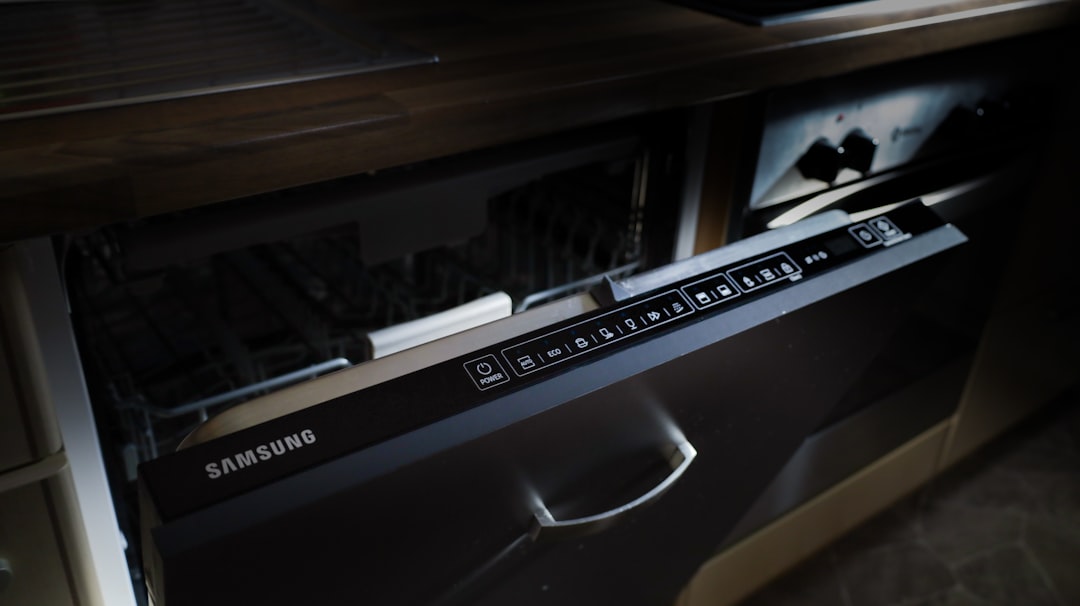
Consider the homeowner who invests a significant sum in a new dishwasher, only to find it developing a leak or an electronic fault within a mere five to seven years. The initial joy of a new, efficient appliance quickly sours into annoyance when faced with the prospect of costly repairs or, more often, a complete replacement. This recurring scenario breeds a sense of unease among consumers, fostering a subtle understanding that their purchases, regardless of initial quality perception, are on a predetermined trajectory towards obsolescence. The cost-benefit analysis of repair versus replacement becomes a constant, often frustrating, negotiation. The promise of “cutting-edge technology” can, in hindsight, feel like a gilded cage, trapping the consumer in a loop of consumption.
The Historical Context of Durability
Examining the history of consumer goods reveals a stark contrast. Early automobiles, furniture, and indeed, household appliances, were often constructed with an emphasis on repairability and material resilience. The ability to source spare parts and perform maintenance was a fundamental aspect of ownership. Manufacturers often provided detailed repair manuals, empowering users to extend the life of their products. This era fostered a culture of “built to last,” where products were seen as long-term investments. The shift away from this model represents a fundamental change in the relationship between producers and consumers, moving from a partnership in product longevity to a more transactional exchange.
In today’s fast-paced world, many consumers have noticed that modern appliances often don’t last as long as those from previous generations. This decline in durability can be attributed to various factors, including the use of cheaper materials, planned obsolescence, and the rapid advancement of technology that encourages frequent upgrades. For a deeper understanding of this issue, you can read a related article that explores the reasons behind the reduced lifespan of household appliances. Check it out here: Why Modern Appliances Don’t Last as Long.
Defining Planned Obsolescence in the Appliance Sector
Planned obsolescence, in its broadest sense, is a business strategy where the design of a product is intentionally limited in its lifespan to encourage repeat purchases. This tactic can manifest in various ways, from the use of less durable materials to the deliberate discontinuation of spare parts or software support. In the realm of modern appliances, the theory suggests that manufacturers actively engineer their products to fail or become outdated within a specific timeframe, thereby driving consumers back to the market for new purchases. This is not about a spontaneous failure due to poor manufacturing, but rather a calculated, deliberate shortening of a product’s useful life.
Types of Planned Obsolescence
Within the appliance industry, several distinct forms of planned obsolescence are theorized to be in play. These methods, often working in concert, create a multifaceted approach to ensuring a steady stream of replacement sales. Understanding these different strategies is crucial to grasping the full scope of the issue.
Technological Obsolescence
One of the most prevalent forms is technological obsolescence. This occurs when a product, even if still functional, is superseded by a newer, more advanced model that offers superior features or energy efficiency. While innovation is generally positive, in the context of planned obsolescence, it can be used to make perfectly good appliances seem outdated and undesirable. Think of a washing machine that, while still cleaning clothes effectively, lacks the sophisticated digital controls or smart-home integration of its newer counterparts. The subtle deprecation of older technology incentivizes upgrades, even if the core function remains unchanged.
Durability Obsolescence
This refers to the deliberate use of materials or construction techniques that are known to have a shorter lifespan than they ideally could. Components that were once made of metal might be replaced with plastic, or crucial parts might be designed to be less robust. The intention here is to increase the likelihood of mechanical failure over time. For example, a water pump in a dishwasher might be manufactured with a specific type of plastic that is known to degrade more quickly when exposed to varying water temperatures and pressures. This ensures that the pump will eventually fail, necessitating a replacement of the entire appliance, as such components are often not designed for easy replacement.
Perceived Obsolescence
This strategy focuses on influencing consumer perception. It involves marketing and design choices that make older products appear unfashionable or undesirable, even if they are still perfectly functional. Fashion trends in kitchen aesthetics, for instance, can play a role. A refrigerator in a classic white finish might be replaced by one in stainless steel, not because the white one has ceased to function, but because it no longer aligns with the current design zeitgeist. This appeals to a consumer’s desire to keep up with the latest trends, creating a psychological obsolescence that drives replacement.
Systems Obsolescence
This is a more insidious form, where a product’s lifespan is indirectly limited by the obsolescence of supporting systems. For appliances, this could involve the discontinuation of repair services, proprietary software updates, or the unavailability of essential spare parts. If a manufacturer stops producing the specific circuit board for a washing machine model after five years, then even if other parts are intact, the appliance becomes effectively irreparable. This creates a dependency on the producer and a limited window of usable life, regardless of the physical integrity of the appliance.
Investigating the Mechanisms of Shortened Lifespans
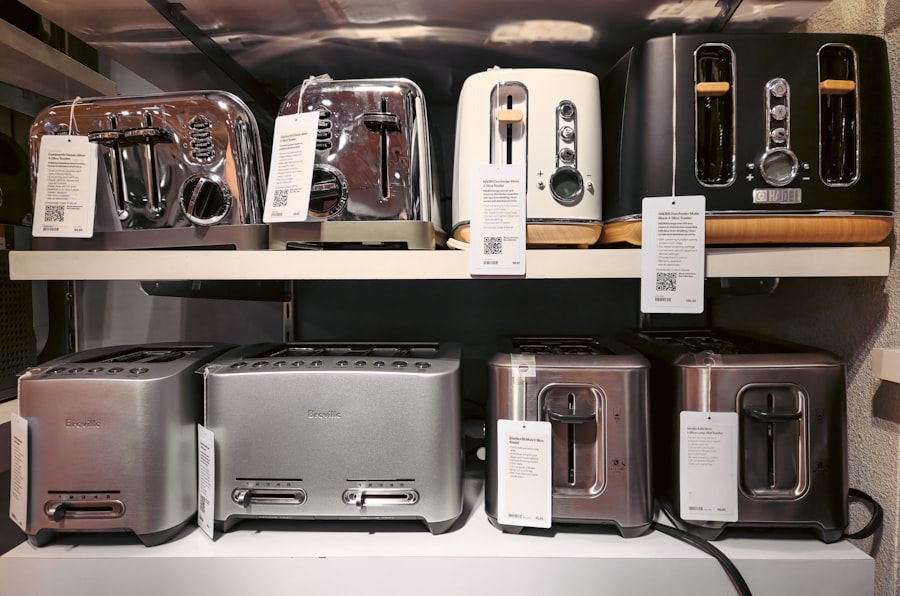
Theories about planned obsolescence in appliances suggest a variety of mechanisms employed by manufacturers to achieve this goal. These are not necessarily overt conspiracies, but rather subtle, integrated design choices and business practices that collectively contribute to a reduced product lifespan. The goal is to create a closed loop of consumption, where the product’s journey from purchase to disposal is a predictable, and profitable, cycle.
The “Fragile Five Percent” Hypothesis
A widely discussed concept suggests that manufacturers deliberately incorporate a small percentage of components that are designed to fail prematurely. This “fragile five percent” might represent a few critical parts within an appliance that are engineered to break after a certain number of cycles or a specific period of use. This ensures that the appliance will eventually require repair or replacement, but without making the failure so obvious that it can be easily attributed to a deliberate design flaw by the consumer or regulatory bodies. It’s akin to subtly weakening a rope in a few critical spots, ensuring it will eventually fray and snap, but not immediately under the slightest tension.
The Inconvenience of Repair
Another proposed mechanism is the deliberate design of appliances in ways that make them difficult and expensive to repair. This can involve the use of proprietary screws that require specialized tools, the sealing of components that were once easily accessible, or the integration of multiple functions into a single, expensive circuit board. When a single part fails, the entire integrated unit may need to be replaced, dramatically increasing the cost and often rendering repair economically unviable. This transforms a minor inconvenience into a significant financial decision, pushing consumers towards replacement rather than repair.
Integrated Circuit Boards
Modern appliances are increasingly reliant on complex electronic control boards. While these boards enable advanced features, they also present a vulnerability. If a single transistor on a large integrated circuit board fails, the entire board, which is often a single, expensive component, must be replaced. This contrasts sharply with older appliances where individual, inexpensive components could be swapped out to fix a specific malfunction. The emphasis shifts from fixing a small problem to replacing a large, costly module.
Proprietary Fasteners and Adhesives
The use of specialized fasteners, such as Torx screws or proprietary snap-fit mechanisms, can complicate simple repairs. These require specific tools that the average consumer might not possess, necessitating a trip to a specialized repair shop. Furthermore, the widespread use of industrial adhesives to seal components can make disassembly for repair a destructive process. Accessing a faulty part might involve breaking plastic casings or damaging other elements of the appliance.
The Role of Software and Digital Components
In contemporary appliances, software plays an increasingly dominant role. This introduces new avenues for planned obsolescence. Manufacturers can, through software updates, intentionally slow down older appliances or disable certain features, thereby rendering them less desirable. Furthermore, the inability to obtain software updates or patches for security vulnerabilities can eventually render an appliance obsolete and potentially unsafe. This digital leash shortens the appliance’s perceived usefulness and can eventually lead to complete functional limitations.
End-of-Life Software Support
Just as with smartphones, appliances with smart features often rely on ongoing software updates. When a manufacturer decides to end support for a specific model, the appliance may lose access to critical security patches, new features, or even its core functionalities. This effectively creates a digital guillotine, rendering a perfectly functional appliance functionally obsolete due to a lack of software life support.
Data and Connectivity Dependencies
Many modern appliances rely on connectivity to cloud servers for their operation. If a manufacturer shuts down these servers, or if the appliance becomes incompatible with newer network protocols, its smart features will cease to function. This can render a significant portion of the appliance’s intended utility useless, even if the underlying hardware remains sound.
The Economic and Environmental Ramifications
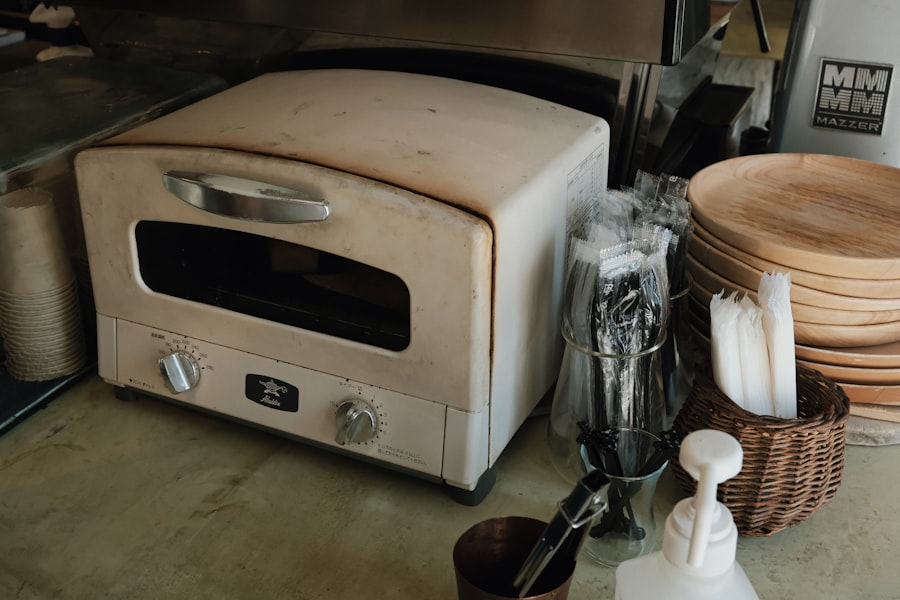
The implications of planned obsolescence extend far beyond the individual consumer’s wallet. This pervasive practice has significant economic and environmental consequences, creating a consumption-driven cycle that strains natural resources and generates vast amounts of waste. The short lifespan of appliances becomes a blip in the grander scheme of planetary health.
The Consumer’s Financial Burden
For households, the constant cycle of replacement represents a significant and recurring financial burden. Instead of investing in durable goods that provide long-term value, consumers are compelled to allocate a disproportionate amount of their budget to frequently replacing worn-out appliances. This can strain household finances, particularly for lower-income families, and divert funds from other essential needs or investments. The aggregate effect on national economies is also substantial, with a significant portion of consumer spending directed towards recurring appliance purchases.
E-Waste: A Growing Mountain
The accelerated disposal of appliances contributes significantly to the burgeoning problem of electronic waste (e-waste). These discarded machines often contain hazardous materials, such as lead, mercury, and cadmium, which can leach into the soil and water if not properly handled. The energy and resources required to extract raw materials, manufacture new appliances, and then process the resulting waste create a substantial environmental footprint. The sheer volume of e-waste generated by the appliance industry is staggering, forming a tangible monument to our disposable culture.
Hazardous Materials in Appliances
Many appliances, particularly those with older components or specialized electronics, contain materials that are harmful to human health and the environment. Improper disposal can lead to the contamination of groundwater and soil. Recycling these materials is often complex and costly, leading to a significant portion of e-waste being improperly handled.
Resource Depletion
The constant demand for new appliances drives the extraction of finite natural resources, including rare earth minerals, metáis, and fossil fuels. The energy-intensive processes involved in mining, refining, and manufacturing appliances contribute to greenhouse gas emissions and habitat destruction. This resource depletion is a long-term threat to both economic stability and ecological balance.
The Environmental Cost of Production and Disposal
The life cycle of an appliance, from the extraction of raw materials to its final disposal, is an energy-intensive and often polluting process. Manufacturing new appliances requires significant energy consumption and can release various pollutants into the atmosphere and waterways. When these appliances are discarded, they contribute to landfill burdens and the potential for hazardous material leaching. Recycling, while a partial solution, is not always efficient or widespread enough to mitigate the problem entirely.
Many consumers have noticed that modern appliances seem to have a shorter lifespan compared to those from previous decades. This decline in durability can be attributed to various factors, including the use of cheaper materials and a focus on energy efficiency over longevity. For a deeper understanding of this phenomenon, you might find it interesting to read a related article that explores the reasons behind the decline in appliance durability. You can check it out here.
Counterarguments and the Pursuit of Sustainability
| Factor | Description | Impact on Appliance Longevity | Example Metrics |
|---|---|---|---|
| Planned Obsolescence | Designing products with a limited lifespan to encourage repeat purchases. | Reduces average lifespan by 20-30% compared to older models. | Average lifespan: 7-10 years vs. 15-20 years (older models) |
| Use of Cheaper Materials | Replacing durable metals and components with plastics and lower-grade materials. | Increases failure rates and wear, shortening appliance life. | Failure rate increase: 15-25% within first 5 years |
| Complex Electronics | Incorporation of advanced electronics and sensors that are prone to malfunction. | Higher repair costs and more frequent breakdowns. | Electronic component failure: 30% higher than mechanical parts |
| Reduced Repairability | Designs that make repairs difficult or expensive, discouraging maintenance. | Leads to more replacements rather than repairs. | Repair success rate: 40% lower than older models |
| Energy Efficiency Regulations | Appliances designed to meet strict energy standards sometimes compromise durability. | May reduce mechanical robustness to save energy. | Durability reduction: 10-15% in some models |
While the evidence and consumer experiences strongly suggest the prevalence of planned obsolescence, some counterarguments exist, and a growing movement is advocating for more sustainable practices in appliance manufacturing and consumption. Recognizing these different perspectives is crucial for a comprehensive understanding of the issue.
The Drive for Innovation and Efficiency
Manufacturers often argue that the shorter lifespans of modern appliances are a byproduct of relentless innovation and the pursuit of greater energy efficiency. Newer models, they contend, offer significant improvements in performance and reduced energy consumption, which ultimately benefits consumers and the environment in the long run, despite a potentially shorter operational life. The rapid pace of technological advancement means that features that were cutting-edge a decade ago can become commonplace and even considered outdated today.
The Complexity of Modern Manufacturing
The intricate nature of modern appliances, with their integrated electronics and complex systems, can also contribute to perceived fragility. The miniaturization of components and the drive for sleek, compact designs can sometimes come at the expense of robustness and repairability. This complexity can make repairs more challenging and expensive, leading to a higher incidence of replacement.
The Rise of the Repair Movement and Right to Repair
In response to planned obsolescence, a growing “Right to Repair” movement is gaining momentum. This advocacy seeks to ensure that consumers and independent repair shops have access to the necessary parts, tools, and information to repair electronic devices and appliances. Legislation is being introduced in various regions to mandate greater repairability and the availability of spare parts for a reasonable period after a product’s discontinuation. This movement aims to shift the paradigm back towards longevity and user autonomy.
Legislation and Advocacy
Various legislative efforts are underway globally to combat planned obsolescence. These include proposed laws that would require manufacturers to provide spare parts for a minimum number of years, mandate the repairability of products, and enforce stricter regulations on the use of hazardous materials. Consumer advocacy groups play a vital role in raising awareness and lobbying for these changes.
Consumer Choices and Sustainable Alternatives
Consumers also hold significant power in driving change. By prioritizing products from manufacturers known for their durability and repairability, and by actively seeking out repair services rather than immediate replacement, individuals can contribute to a more sustainable market. The growing availability of refurbished appliances and the increasing popularity of taking older appliances to be repaired are positive indicators of a shift in consumer mindset.
Conclusion
The question of planned obsolescence in modern appliances is not a simple one, but the weight of consumer experience and the growing body of evidence point towards a significant impact of deliberate design choices on the lifespan of our essential household items. While innovation and efficiency are valuable pursuits, they should not come at the expense of durability and the fundamental right of consumers to own products that serve them reliably for their expected lifespan. The ongoing dialogue surrounding planned obsolescence, coupled with the rise of the repair movement and a growing consumer awareness of environmental responsibility, offers hope for a future where appliances are built to last, rather than to be replaced. The journey towards appliance sustainability is a long one, but with continued vigilance and a commitment to conscious consumption, its arrival is within reach.
FAQs
Why do modern appliances generally have a shorter lifespan compared to older models?
Modern appliances often have a shorter lifespan because they are designed with cost efficiency and planned obsolescence in mind. Manufacturers may use less durable materials and components to reduce production costs, and appliances are sometimes designed to be replaced rather than repaired.
How does planned obsolescence affect the durability of modern appliances?
Planned obsolescence is a strategy where products are intentionally designed to have a limited useful life. This means that modern appliances may be built with parts that wear out faster or are difficult to repair, encouraging consumers to purchase new models more frequently.
Are modern appliances more complex, and does this impact their longevity?
Yes, modern appliances often incorporate advanced technology and electronic components, which can increase complexity. While these features add convenience and functionality, they can also lead to more frequent malfunctions and make repairs more challenging, potentially reducing the appliance’s overall lifespan.
Does the availability of replacement parts influence how long an appliance lasts?
Absolutely. The availability and cost of replacement parts play a significant role in appliance longevity. If parts are expensive, hard to find, or discontinued, consumers may opt to replace the entire appliance rather than repair it, contributing to shorter appliance lifespans.
Can regular maintenance extend the life of modern appliances?
Yes, regular maintenance such as cleaning, timely repairs, and following manufacturer guidelines can help extend the life of modern appliances. However, even with proper care, some modern appliances may still have shorter lifespans due to design and manufacturing choices.