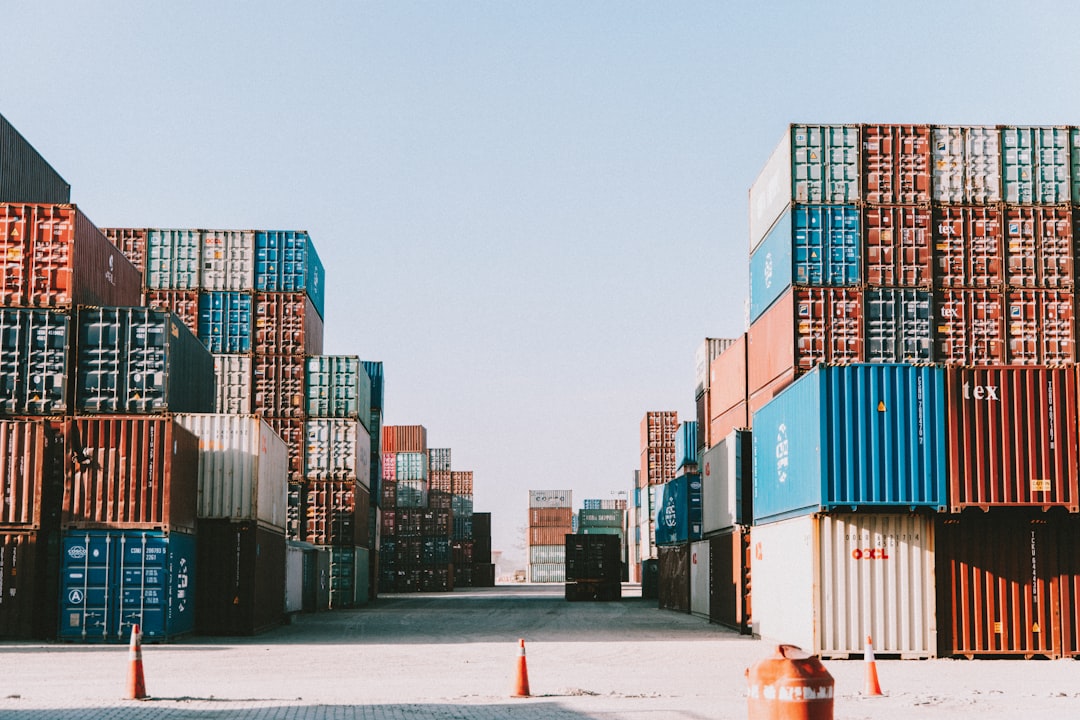
You might not give it much thought beyond its imposing presence on docks or stacked high on cargo ships, but the humble shipping container is a quiet force that has fundamentally reshaped global commerce. Its adoption was not a sudden eureka moment, but a gradual, deliberate evolution driven by the need for efficiency and standardization in a world grappling with increasingly complex trade routes. Before the container, the movement of goods was a labor-intensive, inefficient, and often perilous affair, contributing to higher costs and much longer transit times. The standardization of these metal boxes, however, has proven to be one of the most understated yet powerful innovations of the 20th century, providing a foundational pillar upon which much of today’s interconnected economy is built.
Before the ubiquitous presence of shipping containers, the process of loading and unloading cargo was a stark contrast to the streamlined operations you see today. Ships would arrive at ports, and teams of longshoremen would manually transfer individual items – sacks of grain, barrels of oil, crates of manufactured goods – from the quay to the ship’s hold, and vice versa. This process was not only incredibly time-consuming but also fraught with peril.
The Laborious Nature of Break-Bulk Cargo
Imagine the physical toll. Each item had to be individually handled, lifted, and stowed. Damage was common due to the constant handling and the risk of items shifting during transit, as they were often not secured with the same precision as they are today. This manual process made it difficult to estimate transit times accurately, leading to further unpredictability in supply chains.
Manual Loading and Unloading Processes
The sheer volume of goods being transported globally meant that ports were often choked with activity, a chaotic ballet of cranes, pallets, and human effort. This lack of uniformity in cargo handling meant that each ship required a tailored approach to loading, making it difficult to establish efficient patterns.
High Risk of Damage and Theft
With goods exposed and individually handled, the risk of accidental damage was significant. Moreover, the opportunity for pilferage was higher when items were not consolidated and secured within a sealed unit. This added to the overall cost of goods as businesses had to factor in these losses.
Inconsistent Port Operations
The methods of cargo handling varied wildly from port to port, and even from ship to ship. This lack of standardization meant that shippers and receivers had to navigate a complex and unpredictable landscape. Switching shipping lines or even using different ports could necessitate entirely different logistical arrangements, adding layers of complexity and cost.
Lack of Interoperability Between Ports
Different ports might have had varied equipment, handling practices, and even documentation requirements. This made it challenging to create seamless transfer points, often requiring additional repackaging or re-handling of goods.
Time-Consuming Customs and Inspection Procedures
Without standardized packaging, customs inspections could also be a protracted affair. Officials would have to open and examine individual shipments, leading to further delays and potential bottlenecks at busy ports. This inefficiency directly impacted the cost of goods and the speed at which they could reach consumers.
The advent of the shipping container revolutionized global trade by standardizing cargo transport, significantly reducing shipping costs and time. This innovation not only facilitated the rise of global supply chains but also transformed ports and logistics networks worldwide. For a deeper understanding of this pivotal change in trade history, you can read more in the related article found here: How the Shipping Container Changed Global Trade History.
The Malcolm McLean Revolution: Birth of the Container
The concept of standardizing cargo in reusable containers was not entirely new, but it was Malcolm McLean, a trucking magnate, who is widely credited with perfecting and popularizing the idea that revolutionized global trade. His vision was to treat a container as a single unit of shipment, reducing the need for individual handling and integrating different modes of transport.
McLean’s Vision for Integrated Transport
McLean’s insight was remarkably simple yet profound: what if you could lift an entire load from a truck and place it onto a ship without disturbing the cargo inside? This idea aimed to bridge the gap between road, rail, and sea transport, creating a more fluid and efficient system.
The “Cellular” Ship Design
McLean commissioned the development of ships designed to hold containers in a standardized, interlocking grid system, often referred to as “cellular” ships. This design dramatically increased the number of containers a ship could carry and made loading and unloading significantly faster and more secure.
Overcoming Initial Resistance
The idea was met with skepticism. Many in the shipping industry were hesitant to abandon established practices, and the initial investment in new ships and infrastructure was substantial. However, McLean’s persistence and the demonstrable advantages of his system eventually led to widespread adoption.
Standardization: The Key to Success
The true power of McLean’s innovation lay in standardization. The development of a universal container size and secure locking mechanisms meant that these containers could be handled by specialized equipment and transported across different modes of transport without requiring the cargo inside to be touched.
The ISO Standards
The International Organization for Standardization (ISO) played a crucial role in formalizing the dimensions and specifications of shipping containers, most notably the 20-foot equivalent unit (TEU) and the 40-foot equivalent unit (FEU). This global agreement ensured interoperability and compatibility across the world’s ports and fleets.
Dimensions and Load Capacities
The standardized dimensions allowed for predictable stacking and handling. You can see this reflected in the cargo holds of ships and the design of container terminals, where precise layouts are engineered to maximize space and efficiency.
Corner Castings and Twist Locks
The standardized corner castings and the development of twist locks provided secure points for lifting and securing containers, making them robust enough to withstand the rigors of ocean travel and intermodal transfer.
The “Lift-On, Lift-Off” (Lo-Lo) System
This standardized system facilitated the “lift-on, lift-off” (Lo-Lo) method of cargo handling. Cranes could efficiently pick up a container from a truck or train and place it directly onto a ship, or vice versa, dramatically reducing the time and labor required.
The Impact on Global Trade: A Connected World
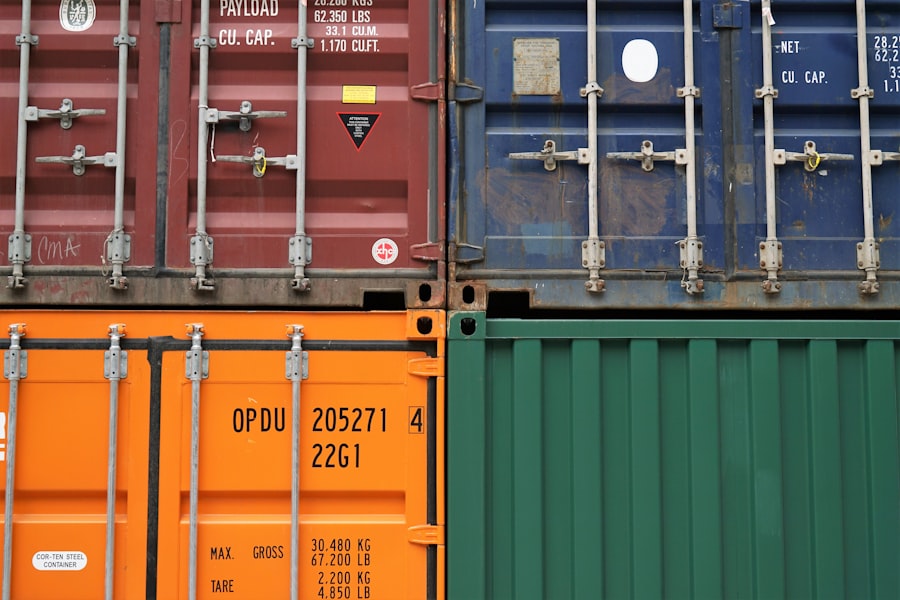
The widespread adoption of shipping containers has had a profound and transformative effect on the global economy. It has lowered costs, increased the speed of delivery, and enabled the growth of complex international supply chains that were previously unimaginable.
Reduced Shipping Costs and Increased Efficiency
The most tangible benefit of containerization is the dramatic reduction in the cost of shipping goods. By automating and standardizing the loading and unloading process, labor costs were significantly reduced.
Economies of Scale in Shipping
Container ships, designed to carry vast numbers of standardized units, allow for significant economies of scale. This means that the cost per unit of cargo shipped has plummeted, making it more economical to transport goods across long distances.
Increased Cargo Throughput
Ports equipped with specialized container cranes and handling equipment can process cargo at a pace that was impossible with break-bulk shipping. This increased throughput means more goods can be moved through the system, contributing to greater economic activity.
Reduced Transit Times
The speed at which containers can be loaded and unloaded, coupled with the efficiency of modern container ships, has dramatically reduced transit times. This allows businesses to operate with leaner inventories and respond more quickly to market demands.
Facilitation of Globalization and Supply Chains
Containerization is often cited as a primary driver of modern globalization. It has made it feasible and cost-effective for companies to manufacture components in one country, assemble them in another, and sell the final product in markets all over the world.
The Rise of “Global Factories”
The ability to reliably and affordably transport goods across oceans has enabled the development of complex global supply chains. Businesses can optimize their production processes by sourcing materials and labor from locations offering the best cost-benefit, creating what are sometimes called “global factories.”
Outsourcing and Specialization
This has led to increased outsourcing and specialization, where countries focus on producing goods and services in which they have a comparative advantage. You see this in the electronics industry, textiles, and many other sectors.
Just-In-Time Inventory Management
The predictability and speed offered by container shipping also support “just-in-time” inventory management, where companies aim to receive goods only as they are needed for production or sale, thereby reducing warehousing costs and managing waste.
Accessibility of Goods to Consumers
For the consumer, containerization has meant a wider variety of goods at lower prices. Products that might once have been imported only in small, expensive batches are now readily available due to the efficiencies of the containerized shipping system.
The Infrastructure of Containerization: A Global Network
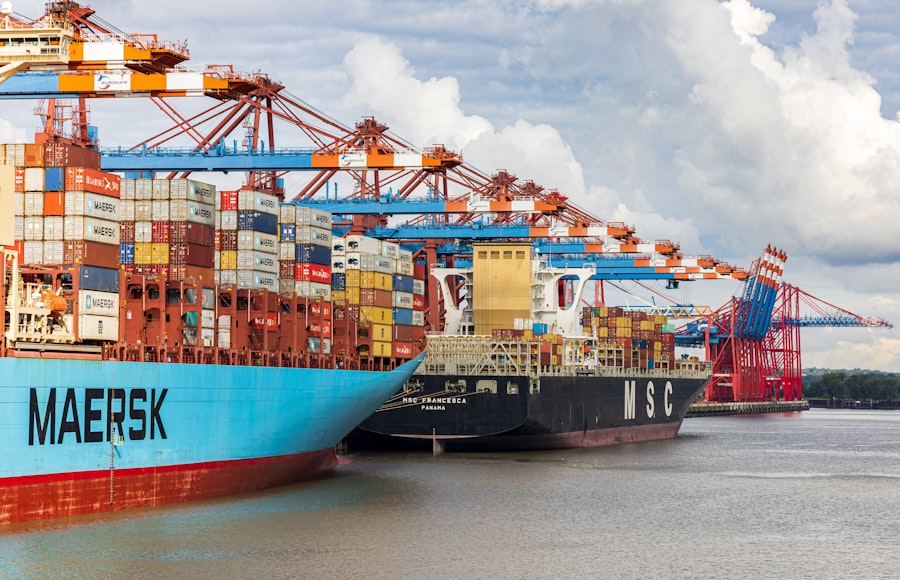
The rise of the shipping container necessitated the development of a massive, interconnected infrastructure to support its movement. This infrastructure is a testament to the scale of this revolution, encompassing ports, vessels, and land-based transport.
Specialized Port Facilities
Modern container ports are highly specialized and technologically advanced. They are designed to handle the massive flow of containers with speed and precision.
Gantry Cranes and Terminal Operations
You’ll observe colossal gantry cranes, some of the largest pieces of machinery in operation, that are specifically designed to lift and stack containers with incredible accuracy. These cranes, along with sophisticated terminal operating systems, manage the complex flow of containers within the port.
Automated Terminal Operations
Many modern terminals are increasingly employing automation, with self-driving vehicles and robotic systems playing a larger role in moving containers within the port, further enhancing efficiency and safety.
Dedicated Container Terminals
These facilities are dedicated specifically to container handling, separating them from other types of cargo. This specialization allows for optimized workflows and reduced congestion.
Container Shipping Vessels
The ships themselves have evolved dramatically to accommodate the container revolution.
Ultra Large Container Vessels (ULCVs)
Today, you see massive ULCVs, capable of carrying tens of thousands of TEUs. These behemoths are the workhorses of global trade, traversing the oceans packed with standardized units.
Design for Container Stowage
Their design prioritizes efficient and secure stowage of containers, with specialized cell guides and locking mechanisms to ensure stability during voyages.
Fuel Efficiency and Environmental Considerations
As the industry has matured, there has been increasing focus on fuel efficiency and environmental considerations in vessel design, seeking to reduce emissions and operational costs.
Intermodal Connectivity
The true genius of the container lies in its ability to be seamlessly transferred between different modes of transport.
Rail and Road Integration
Container terminals are typically located with efficient access to rail networks and major roadways. This allows for rapid transfer of containers from ships to trains or trucks for inland distribution.
Chassis and Specialized Trucks
Specialized trucks and trailers, known as chassis, are designed to carry containers, allowing them to be moved efficiently over land.
Block Trains and Integrated Logistics
The concept of “block trains” – entire trains loaded with a single series of containers – further enhances the efficiency of rail transport for containerized goods. This integration forms the backbone of global supply chains.
The advent of the shipping container revolutionized global trade, transforming the way goods are transported across the world. This innovation not only streamlined the loading and unloading processes at ports but also significantly reduced shipping costs, enabling businesses to expand their reach. For a deeper understanding of how such innovations have shaped our economy, you can explore this insightful article on the impact of shipping containers on global trade history found here. The efficiency brought by containers has paved the way for the modern logistics industry, making it possible for products to move seamlessly from one corner of the globe to another.
Challenges and the Future of Containerization
| Aspect | Impact |
|---|---|
| Efficiency | Shipping containers allowed for faster and more efficient loading and unloading of cargo, reducing turnaround times at ports. |
| Globalization | The standardization of shipping containers facilitated the globalization of trade by making it easier to transport goods across borders. |
| Cost | Shipping containers reduced transportation costs by enabling larger quantities of goods to be transported at once. |
| Security | Containers improved the security of goods in transit, reducing the risk of theft and damage. |
| Standardization | The uniform size and shape of shipping containers allowed for easier handling and transfer between different modes of transportation. |
While the shipping container has been a resounding success, it is not without its challenges, and the industry continues to evolve.
Congestion and Supply Chain Disruptions
Paradoxically, the very efficiency of containerization can lead to significant congestion when imbalances occur. Disruptions, whether due to port strikes, global demand surges, or geopolitical events, can cause massive backlogs and cascading effects throughout supply chains.
Port Congestion
When too many ships arrive at a port simultaneously, or when land-based transport cannot keep up with unloading, ports become congested. This was starkly evident during the COVID-19 pandemic.
Empty Container Repositioning
A persistent challenge is ensuring the efficient repositioning of empty containers. When containers are emptied in one location but needed elsewhere, it creates an imbalance that can lead to shortages and increased costs.
Impact of Global Trade Imbalances
Geopolitical factors and trade imbalances can exacerbate these issues, leading to situations where ports are overflowing with empty containers while other regions face shortages.
Environmental Concerns and Sustainability
The vast scale of container shipping raises significant environmental concerns.
Carbon Emissions
Container ships are major emitters of greenhouse gases and other pollutants. The industry is under increasing pressure to adopt more sustainable practices.
Development of Cleaner Fuels
You are seeing ongoing research and development into alternative fuels, such as ammonia, hydrogen, and methanol, as well as the retrofitting of existing vessels to improve their environmental performance.
The Role of Digitalization and Optimization
Digitalization and advanced logistics software are playing a crucial role in optimizing routes and vessel movements to reduce fuel consumption and emissions.
Technological Advancements and the Future
The future of containerization will likely involve further technological integration and innovation.
Blockchain and Supply Chain Transparency
Blockchain technology holds promise for increasing transparency and traceability within containerized supply chains, offering improved security and efficiency.
AI-Powered Logistics and Predictive Analytics
Artificial intelligence and machine learning are being used to optimize port operations, predict demand, and manage container flow more effectively.
Autonomous Vessels and Drones
The long-term vision for some in the industry includes the potential for autonomous container ships and the use of drones for port surveillance and package delivery. The humble shipping container, which you might overlook, has undeniably transformed the way the world does business. Its standardized form has unlocked a level of global connectivity and economic efficiency that continues to underpin much of our modern lives.
FAQs
1. What is the history of the shipping container and its impact on global trade?
The shipping container was first developed in the 1950s and revolutionized global trade by standardizing the process of transporting goods. This innovation significantly reduced shipping costs, increased efficiency, and facilitated the growth of international trade.
2. How did the shipping container change the logistics and transportation industry?
The shipping container drastically improved the logistics and transportation industry by streamlining the process of loading and unloading cargo, reducing theft and damage, and enabling the use of intermodal transportation, where goods can seamlessly move between different modes of transport such as ships, trains, and trucks.
3. What are the economic impacts of the shipping container on global trade?
The shipping container has had a profound economic impact on global trade by lowering transportation costs, enabling economies of scale, and expanding the reach of international markets. This has led to increased trade volumes, economic growth, and the globalization of supply chains.
4. How has the shipping container influenced the development of ports and infrastructure?
The widespread adoption of shipping containers has led to significant investments in port infrastructure, including the construction of container terminals and the implementation of advanced handling equipment. This has transformed ports into key hubs for global trade and contributed to the development of specialized logistics and distribution centers.
5. What are the environmental implications of the shipping container on global trade?
While the shipping container has contributed to the growth of global trade, it has also raised environmental concerns related to carbon emissions from transportation, the disposal of empty containers, and the impact of port operations on local ecosystems. Efforts are being made to address these issues through sustainable transportation practices and the development of eco-friendly container technologies.