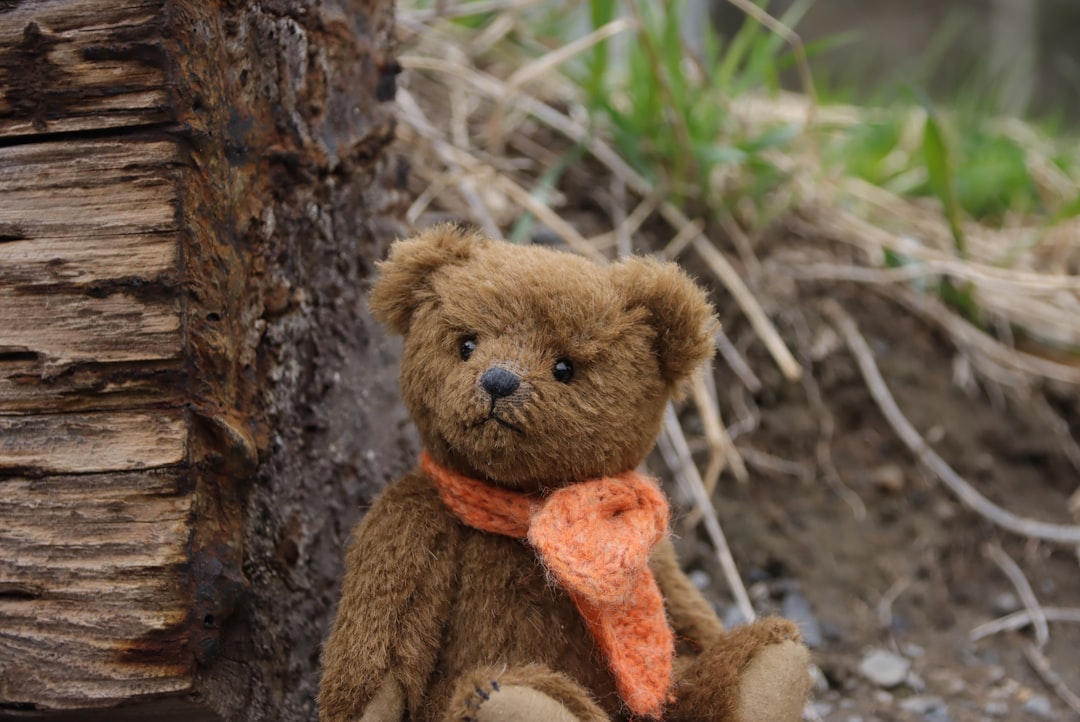
The teddy bear, a ubiquitous symbol of childhood and comfort, possesses an origin story far more intricate and surprising than its cuddly exterior suggests. Often perceived as a timeless fixture, its actual genesis is rooted in early 20th-century events, intertwining political figures, enterprising manufacturers, and a burgeoning market for children’s toys. This article delves into the factual history of the teddy bear, tracing its evolution from a novelty item to a global phenomenon.
The popular narrative surrounding the teddy bear’s creation invariably points to U.S. President Theodore Roosevelt. This connection, while foundational, is often oversimplified.
The Mississippi Bear Hunt of 1902
In November 1902, President Roosevelt embarked on a bear hunting trip in Mississippi. Organized by local politician Andrew H. Longino, the expedition was intended to provide the avid hunter with a substantial trophy. However, after several days, Roosevelt had failed to encounter a bear. To avoid embarrassment, members of the hunting party, led by Holt Collier, a renowned bear tracker, cornered and tied an old, injured black bear to a willow tree, offering it to the President as an easy target.
Roosevelt’s Moral Stand
Roosevelt, known for his strong ethical code regarding hunting, refused to shoot the tethered animal. He deemed it unsportsmanlike and an act incompatible with his principles. He did, however, instruct that the bear be humanely put down to end its suffering. This act of compassion, rather than a kill, became the catalyst for the teddy bear’s conceptualization.
Clifford Berryman’s Iconic Cartoon
The incident quickly caught the attention of the media. Clifford Berryman, a political cartoonist for The Washington Post, immortalized the event in a cartoon published on November 16, 1902. Titled “Drawing the Line in Mississippi,” the cartoon depicted Roosevelt in hunting attire, turning away from a small, appealing bear cub tied to a tree. The cartoon’s impact was immediate and widespread, casting Roosevelt in a sympathetic light and unknowingly laying the groundwork for a cultural icon. The key to understanding the eventual proliferation of the teddy bear lies, in part, in the viral nature of this early 20th-century political cartoon.
The secret history of the teddy bear’s origin is a fascinating tale that intertwines with the cultural shifts of the early 20th century. For those interested in exploring this topic further, you can read a related article that delves into the evolution of this beloved toy and its impact on childhood and society. Check it out here: The Evolution of the Teddy Bear.
The Dual Conception: Morris Michtom and Richard Steiff
While Berryman’s cartoon sparked the public imagination, the actual creation of the first toy bears as we know them occurred nearly simultaneously and independently in two disparate locations, an intriguing example of parallel invention.
Morris Michtom’s “Teddy’s Bear” in America
Morris Michtom, a Russian immigrant and candy store owner in Brooklyn, New York, saw Berryman’s cartoon. His wife, Rose, was adept at crafting plush toys. Inspired by the cartoon and understanding its appeal, Michtom and his wife created a small, jointed plush bear, likely stuffed with kapok or excelsior. They displayed it in their shop window with a sign that read “Teddy’s Bear.”
Securing Presidential Endorsement
Michtom, recognizing the potential commercial value of the association, sent one of his bears to President Roosevelt, respectfully requesting permission to use his name. Roosevelt, reportedly amused and rather indifferent to the commercialization of his name in this context, granted his informal approval. This presidential nod was pivotal, lending immediate legitimacy and a degree of charm to Michtom’s fledgling toy. Michtom subsequently founded the Ideal Novelty and Toy Co., which would become a major player in the toy industry.
Richard Steiff’s “Bear 55 PB” in Germany
Across the Atlantic, in Giengen an der Brenz, Germany, Richard Steiff, nephew of Margarete Steiff, the founder of the Steiff toy company, was independently developing a similar concept. Margarete Steiff, despite being confined to a wheelchair due to polio, established her company in 1880, initially producing pincushions and later expanding to animal-themed toys. Richard, an art student and a keen observer of zoological gardens, designed a standing, jointed bear with movable limbs made of mohair.
The Leipzig Toy Fair Breakthrough
In 1903, Steiff exhibited the “Bear 55 PB” (55 cm, Plush, Movable) at the Leipzig Toy Fair. Initially, the bear garnered little interest. However, an American buyer, Hermann Berg (often misidentified as a representative of FAO Schwarz, though he was an independent buyer), saw the potential. He placed an order for 3,000 bears, a momentous decision that launched Steiff’s bear into international prominence. This transaction serves as a poignant reminder that sometimes, the genesis of a cultural artifact hinges on the discerning eye of a single individual. Thus, the teddy bear, like a bifurcated river, found its source in distinct geographical locations but flowed towards a common ocean of global recognition.
Early 20th-Century Manufacturing and Materiality

The early production of teddy bears, both in the United States and Germany, reflects the manufacturing capabilities and aesthetic sensibilities of the early 20th century. These original bears represent a significant departure from earlier forms of children’s toys.
Traditional Materials and Craftsmanship
Early bears were primarily constructed from mohair, a durable and luxurious fabric derived from angora goat hair. This material provided a soft, appealing texture while also being robust enough to withstand the rigors of play. Stuffing varied, with kapok, excelsior (wood wool), and sometimes even straw being used. These materials contributed to the bears’ characteristic firmness and often, their eventual uneven contours as the stuffing settled. Eyes were typically shoe buttons or glass, sewn in place, giving the bears a lifelike, yet still toy-like, gaze. Noses and mouths were often hand-embroidered.
Jointed Limbs and Articulation
A key innovation in the design of the early teddy bear was the incorporation of jointed limbs. This was a sophisticated feature for the time, allowing the bears’ arms, legs, and even heads to rotate. These joints, often made of cardboard discs with metal pins, enabled the bears to be posed in various ways, enhancing their play value and contributing to their endearing personality. This articulation was a major factor in differentiating the teddy bear from simpler, non-articulated cloth dolls or stuffed animals.
The Rise of Mass Production
As demand for the teddy bear soared, manufacturers shifted towards more streamlined production methods. While early bears were largely handmade, the pressure to meet orders led to the adoption of more industrialized processes. This transition meant a greater standardization of design and the exploration of new, often cheaper, materials as the century progressed. The teddy bear, therefore, is not merely a toy; it is a physical embodiment of the evolving industrial landscape of its era.
The Teddy Bear’s Cultural Ascendancy

From its humble beginnings, the teddy bear rapidly transcended its role as a mere toy, evolving into a multifaceted cultural phenomenon. Its journey from a novelty item to an enduring symbol is a testament to its inherent appeal and adaptability.
A Symbol of Comfort and Companionship
The teddy bear quickly established itself as a universal symbol of comfort, security, and companionship for children. Its soft texture, non-threatening appearance, and readiness to be hugged made it an ideal confidant and source of emotional support during childhood. It became, in essence, a child’s first friend, a silent guardian in the bedroom, and a recipient of many whispered secrets. This emotional resonance is perhaps the most profound aspect of the teddy bear’s enduring legacy.
Collectibility and Nostalgia
Beyond its primary function as a child’s plaything, the teddy bear developed a significant collector’s market. Early Steiff bears, particularly those from the immediate post-1903 period, are highly prized among collectors, fetching considerable sums at auction. This collectibility is fueled by rarity, craftsmanship, and a deep sense of nostalgia. For many adults, the teddy bear represents a tangible link to a cherished past, an embodiment of innocence and simpler times. The very act of collecting these bears is a journey into personal and collective memory.
Media Representation and Enduring Popularity
The teddy bear’s presence in popular culture is pervasive. It has appeared in countless books, films, television shows, and songs, further cementing its iconic status. From Winnie-the-Pooh to Paddington Bear, fictional teddy bears have introduced generations to stories of friendship, adventure, and emotional development. This constant cultural reinforcement ensures the teddy bear’s relevancy, continually reintroducing it to new audiences and adapting it to contemporary narratives. The teddy bear, in this sense, acts as a cultural mirror, reflecting societal values and evolving storytelling traditions.
The secret history of the teddy bear is a fascinating tale that intertwines with the evolution of childhood toys and their cultural significance. For those interested in exploring this topic further, you can read an insightful article that delves into the origins and impact of these beloved stuffed animals. Discover how the teddy bear became a symbol of comfort and companionship by visiting this article that sheds light on its intriguing backstory.
Evolving Designs and Future Horizons
| Year | Event | Key Figures | Significance |
|---|---|---|---|
| 1902 | Teddy Roosevelt’s Hunting Trip | Theodore Roosevelt | Inspired the creation of the teddy bear after Roosevelt refused to shoot a bear cub |
| 1902 | Political Cartoon Published | Clifford Berryman | Depicted Roosevelt sparing the bear, popularizing the story |
| 1902 | First Teddy Bear Created | Morris Michtom (USA), Richard Steiff (Germany) | Simultaneous creation of the teddy bear toy inspired by Roosevelt’s story |
| 1903 | Michtom’s Teddy Bear Goes on Sale | Morris Michtom | First commercial teddy bear sold in the United States |
| 1903 | Steiff Teddy Bear Released | Richard Steiff | German teddy bear introduced, becoming popular in Europe |
| Early 1900s | Teddy Bear Popularity Grows | Various Toy Manufacturers | Teddy bears become a widespread children’s toy internationally |
The teddy bear’s journey from its surprising origin has been marked by continuous innovation in design, materials, and technological integration. Its enduring appeal lies in its adaptability and its ability to remain relevant across generations.
Modern Materials and Ergonomics
Contemporary teddy bears are often made from synthetic furs like acrylic or polyester plush, offering a wide range of textures and colors, often at a lower cost than traditional mohair. Stuffing materials have also evolved, with polyester fibers providing a lighter, more resilient, and often hypoallergenic alternative to older fillings. Designs increasingly incorporate ergonomic considerations, ensuring bears are soft, pliable, and perfectly sized for cuddling by infants and young children. Safety standards have also become paramount, with rigorous testing to prevent choking hazards and ensure material non-toxicity.
Technological Integration
The 21st century has seen the integration of technology into teddy bear design. “Smart” teddy bears can record and play back messages, interact with apps, or even incorporate sensors for educational or health monitoring purposes. While these innovations push the boundaries of what a teddy bear can be, the core appeal of a soft, comforting companion remains central. This fusion of tradition and technology highlights the teddy bear’s capacity for reinvention without sacrificing its fundamental identity.
Environmental Consciousness and Ethical Sourcing
A growing trend in the teddy bear industry is an emphasis on environmental sustainability and ethical sourcing. Manufacturers are increasingly exploring recycled materials for both fabric and stuffing, as well as eco-friendly dyes and manufacturing processes. There is also a greater focus on fair labor practices and transparent supply chains, reflecting a broader societal shift towards conscious consumerism. The humble teddy bear, therefore, is not merely a product; it is becoming a canvas upon which modern values of sustainability and ethics are increasingly painted.
The teddy bear, born from a presidential act of compassion and brought to life by entrepreneurial vision on two continents, stands as a testament to the power of a simple idea. Its journey from a novelty item to a global icon is a rich tapestry woven with threads of history, craftsmanship, and profound emotional resonance. As you gaze upon a teddy bear, consider not just its soft exterior, but the remarkable secret history it quietly holds.
FAQs
What is the origin of the teddy bear?
The teddy bear originated in the early 20th century, inspired by a 1902 incident involving U.S. President Theodore “Teddy” Roosevelt. After Roosevelt refused to shoot a captured bear during a hunting trip, a political cartoon depicted the event, which inspired toy makers to create a stuffed bear named “Teddy’s bear.”
Who were the key figures in the creation of the teddy bear?
The key figures include Morris Michtom, an American toy maker who created the first stuffed bear and named it after President Roosevelt, and Richard Steiff, a German toy designer who independently developed a similar stuffed bear around the same time.
Why is the teddy bear named after President Theodore Roosevelt?
The teddy bear is named after President Roosevelt because of a famous hunting trip in Mississippi where he refused to shoot a bear that had been tied up for him. This act of sportsmanship was widely publicized and led to the creation of the teddy bear as a tribute.
When did the teddy bear become popular as a children’s toy?
The teddy bear became popular shortly after its creation in 1902, gaining widespread appeal in the United States and Europe by 1903 and 1904, and quickly becoming a beloved children’s toy.
How did the teddy bear influence toy manufacturing?
The teddy bear’s success helped establish the stuffed animal as a popular toy category, influencing toy manufacturing by encouraging the production of soft, cuddly toys and inspiring innovations in toy design and marketing.