
The gleaming dishes that emerge from an automatic dishwasher are often perceived as the epitome of cleanliness. This perception, however, may be compromised by a subtle yet pervasive phenomenon: toxic film stemming from rinse aids. This article delves into the scientific underpinnings of this often-unseen problem, exploring the chemical compositions, mechanisms of formation, and potential health implications of these residues.
Rinse aids are an integral component of modern automatic dishwashing systems, designed to enhance the drying process and prevent water spots. Their efficacy lies in their ability to manipulate the surface tension of water, facilitating its drainage from dishware.
Surfactants: The Core of Rinse Aid Formulation
At the heart of rinse aid chemistry are surfactants, an abbreviation for “surface active agents.” These compounds possess a unique amphiphilic structure, meaning they have both hydrophilic (water-loving) and hydrophobic (water-fearing) parts. This dual nature allows them to gather at the interface between water and a solid surface, such as a dish.
Non-ionic Surfactants
The majority of rinse aid formulations utilize non-ionic surfactants. These neutral molecules do not dissociate into ions in water, making them less reactive and generally more stable across a range of pH conditions. Common examples include ethoxylates of fatty alcohols, such as alcohol ethoxylates. Their mechanism of action involves reducing the cohesive forces between water molecules, allowing the water film to break more easily and drain away. Imagine water clinging to a windowpane; surfactants are like tiny invisible shepherds, guiding each droplet away from the glass with gentle persuasion rather than abrupt force.
Anionic and Cationic Surfactants
While less prevalent in rinse aids compared to non-ionics, some formulations may incorporate small quantities of anionic or cationic surfactants for specific purposes, such as an antimicrobial effect or enhanced sheeting action. However, their inclusion can sometimes lead to greater foam production, which is generally undesirable in a dishwasher.
Other Components: Enhancers and Preservatives
Beyond surfactants, rinse aids often contain a cocktail of other ingredients designed to optimize performance and longevity.
Solvents
Solvents, such as alcohol or propylene glycol, are incorporated to ensure the homogeneity and stability of the rinse aid solution, particularly for concentrating the active ingredients. They help keep the surfactants dispersed and prevent them from separating or forming precipitates.
Acidity Regulators
Acidity regulators, like citric acid, are often added to adjust the pH of the rinse aid solution. This helps to optimize the performance of the surfactants, as some are more effective within a specific pH range. Furthermore, a slightly acidic environment can contribute to preventing the formation of hard water spots by chelating mineral ions.
Preservatives and Fragrances
Preservatives are included to inhibit the growth of bacteria and fungi within the rinse aid bottle, extending its shelf life. Fragrances are added for aesthetic appeal, imparting a “fresh” scent to the finished dishes, though their chemical residues are also subject to scrutiny.
Many consumers are unaware that rinse aids can leave a toxic film on their dishes, which raises concerns about both health and safety. For a deeper understanding of this issue, you can read the article titled “The Hidden Dangers of Rinse Aids” on the Hey Did You Know This website. This article explores the chemicals commonly found in rinse aids and how they can accumulate on your dishware, potentially posing risks to your health. To learn more, visit this link.
Mechanism of Toxic Film Formation
The formation of toxic film from rinse aids is not an instantaneous event but rather a cumulative process influenced by several factors. It is the insidious consequence of repeated exposure and the inherent properties of rinse aid components.
Incomplete Rinsing: The Root Cause
The primary driver behind rinse aid residue is incomplete rinsing. While dishwashers are designed to rinse away detergents and rinse aids, the efficiency of this process is not absolute. Factors such as water pressure, spray arm design, and the porosity of the dishware surface can all influence the thoroughness of the final rinse.
Adhesion of Surfactants to Surfaces
Surfactants, by their very nature, are designed to adhere to surfaces. This is precisely how they reduce water tension and promote sheeting. However, if the final rinse is insufficient, these adherent molecules remain bound to the dishware. Think of a tiny, tenacious octopus, clinging to the surface even after the tide has receded.
Reaction with Food Residues and Minerals
Even microscopic food particles or dissolved minerals in hard water can interact with residual surfactants. These interactions can lead to the formation of more complex organic films that are even more difficult to remove in subsequent washes. It creates a molecular scaffold upon which further deposits can accumulate.
Polymerization and Cross-linking
Over time, and with repeated heat cycles in the dishwasher, some rinse aid components can undergo chemical reactions, including polymerization and cross-linking.
Formation of Persistent Polymers
Certain surfactant types, particularly those with reactive functional groups, can polymerize under heated conditions, forming longer, more stable molecular chains. These polymers are far less soluble in water than their precursor monomers and thus more resistant to removal. Imagine individual building blocks gradually linking together to form a much larger, more robust structure that water struggles to erode.
Cross-linking with Food Proteins and Lipids
Residual food proteins and lipids, if present, can also participate in cross-linking reactions with rinse aid components. This creates a dense, interlocked matrix that can be highly resistant to detergents and subsequent rinsing. This is akin to weaving a durable fabric from disparate threads, each contributing to the overall strength and impermeability of the material.
Identification and Characterization of Toxic Film
Identifying the presence of toxic film requires more than a casual glance. It often presents itself as a tenacious, sometimes greasy, and often invisible layer, betraying its nature only through specific analytical techniques.
Visual Clues: The Subtle Indicators
While the film may not always be overtly visible, certain visual cues can suggest its presence.
Haziness and Cloudiness
Dishes, especially glassware, may exhibit a persistent haziness or cloudiness, even after being washed. This is distinct from typical hard water spots, which tend to be more localized mineral deposits. This haze is a diffuse scattering of light caused by the irregular surface of the adherent film.
Greasy or Slimy Texture
When handling dishes that have accumulated this film, they may feel slightly greasy or slimy to the touch, even when seemingly dry. This tactile sensation arises from the hydrophobic nature of the surfactant and polymer residues. It’s like feeling a thin, invisible layer of oil on the surface.
Analytical Techniques: Unmasking the Invisible
For a definitive diagnosis of toxic film, analytical chemistry techniques are often employed.
Fourier-Transform Infrared Spectroscopy (FTIR)
FTIR spectroscopy is a powerful tool for identifying the chemical composition of thin films. By exposing the film to infrared radiation and analyzing the absorption patterns, specific functional groups present in rinse aid components can be identified. This technique acts like a molecular fingerprint reader, identifying the unique spectral signature of the rinse aid chemicals.
Gas Chromatography-Mass Spectrometry (GC-MS)
GC-MS can be used to separate and identify individual volatile or semi-volatile compounds present in the film. This helps to pinpoint specific surfactant molecules, their degradation products, or any other organic residues that might be contributing to the film’s formation. It’s like meticulously dissecting the film into its constituent parts to identify each individual ingredient.
Electron Microscopy and Energy-Dispersive X-ray Spectroscopy (EDX)
Scanning Electron Microscopy (SEM) can provide high-resolution images of the film’s morphology, revealing its thickness and surface irregularities. Coupled with EDX, which analyzes the elemental composition, these techniques can confirm the presence of organic residues and distinguish them from inorganic mineral deposits. Imagine scrutinizing the film under a powerful magnifying glass, not only seeing its structure but also learning what elements it’s made of.
Potential Health Implications
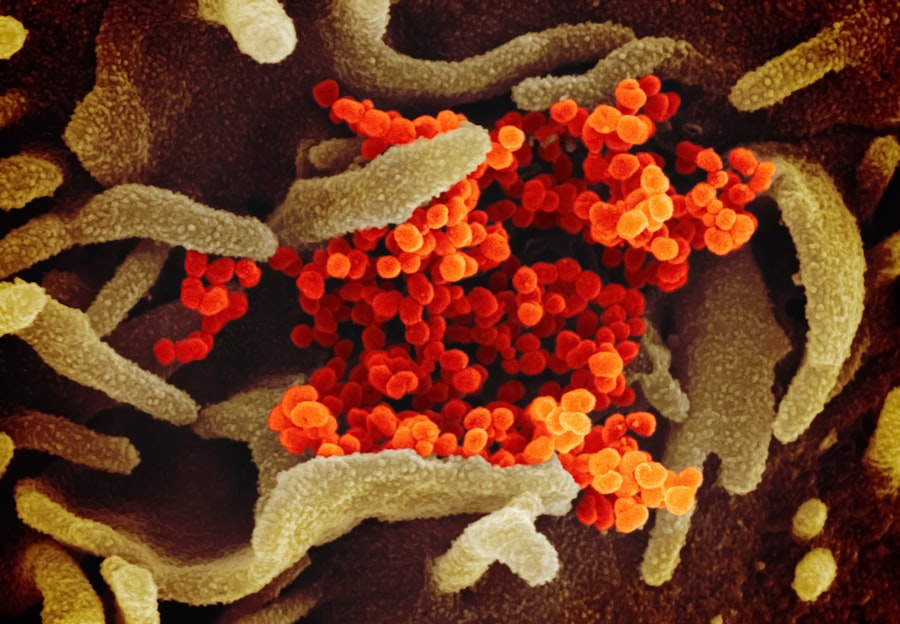
The implications of toxic film from rinse aids extend beyond aesthetics. While the immediate effects may be subtle, chronic exposure to these residues raises legitimate concerns regarding human health.
Ingestion of Residual Surfactants and Chemicals
Each time an individual eats or drinks from a dish bearing rinse aid film, there is a potential for ingesting residual chemicals. While the quantities may be small per meal, the cumulative effect over months and years can be significant.
Disruption of Gut Microbiome
Emerging research suggests that even low levels of surfactants, especially certain types of non-ionic surfactants, can disrupt the delicate balance of the gut microbiome. This intricate ecosystem of bacteria plays a crucial role in digestion, nutrient absorption, and immune function. Any perturbation can have widespread systemic effects, like a ripple effect across a pond.
Potential for Inflammatory Responses
Some studies indicate that certain rinse aid components can trigger low-grade inflammatory responses in sensitive individuals. Chronic inflammation, even at subclinical levels, is implicated in a range of chronic diseases. It’s akin to a constant, subtle irritation that, over time, can contribute to more significant problems.
Allergic Reactions and Sensitization
For susceptible individuals, exposure to rinse aid residues can lead to allergic reactions or sensitization.
Skin Irritation and Dermatitis
Direct contact with dishes bearing substantial film can cause skin irritation, particularly for individuals with pre-existing skin conditions like eczema. The residues can act as irritants, breaking down the skin’s protective barrier and leading to redness, itching, and scaling.
Respiratory Sensitization (Hypersensitivity Pneumonitis)
While less common, some chemicals, particularly those found in fragrances or certain types of solvents, can act as respiratory sensitizers. Inhalation of airborne particles released from hot, steamy dishwashers can potentially trigger respiratory symptoms in highly sensitive individuals, akin to an allergic asthma attack.
Long-Term Toxicological Concerns
The long-term toxicological profile of chronic, low-level exposure to rinse aid components is an area that warrants further investigation.
Endocrine Disruption Potential
Certain types of chemicals, including some surfactants, are known or suspected endocrine disruptors. These compounds can mimic or interfere with natural hormones in the body, potentially impacting reproductive health, metabolism, and development. This is a subtle but profound interference with the body’s finely tuned internal communication system.
Carcinogenicity and Mutagenicity
While current data on the carcinogenicity and mutagenicity of rinse aid components at environmental exposure levels is generally limited, ongoing research is crucial. The formation of complex, recalcitrant polymers underscores the need for rigorous investigation into their long-term biological effects.
Many people are unaware that rinse aids can leave a toxic film on dishes, which can pose health risks over time. This issue is often linked to the chemicals used in these products, which may not rinse away completely during the washing process. For a deeper understanding of this topic, you can explore a related article that discusses the hidden dangers of common household products and their effects on our health. You can read more about it here. By being informed, consumers can make better choices for their dishwashing needs.
Mitigation Strategies and Prevention
| Factor | Description | Impact on Toxic Film Formation | Measurement/Metric |
|---|---|---|---|
| Chemical Composition | Presence of surfactants, phosphates, and preservatives in rinse aids | Residue buildup due to incomplete rinsing of chemicals | Concentration of surfactants (ppm) |
| Water Hardness | Level of calcium and magnesium ions in water | Hard water reacts with rinse aid chemicals, forming insoluble films | Hardness level (mg/L CaCO3) |
| Rinse Aid Dosage | Amount of rinse aid used per wash cycle | Excessive dosage increases residue and toxic film risk | Milliliters per cycle (mL) |
| Dishwasher Temperature | Temperature during rinse cycle | Lower temperatures reduce chemical solubility, increasing residue | Temperature (°C) |
| Rinse Cycle Duration | Length of rinse cycle in dishwasher | Short cycles may not fully remove rinse aid chemicals | Time (minutes) |
| pH Level of Rinse Water | Acidity or alkalinity of rinse water | pH affects chemical stability and residue formation | pH value |
Addressing the issue of toxic film from rinse aids requires a multi-pronged approach, encompassing both consumer choices and industry innovation. It is about empowering the individual and demanding responsibility from manufacturers.
Consumer Practices: Empowering the User
Individuals can take proactive steps to minimize their exposure to rinse aid residues.
Use Less Rinse Aid or Opt for Natural Alternatives
Many dishwashers are designed to be effective even with reduced amounts of rinse aid. Experimenting with lower settings or even omitting rinse aid entirely for certain loads, especially with softer water, can be beneficial. Consider natural alternatives such as white vinegar, which acts as a gentle acid to neutralize minerals and aid drying without introducing synthetic chemicals. Vinegar works by lowering the pH of the rinse water, which helps to dissolve mineral deposits and prevents the formation of water spots.
Ensure Proper Dishwasher Load and Maintenance
Overloading the dishwasher can impede water circulation and proper rinsing. Ensure dishes are spaced adequately to allow water jets to reach all surfaces effectively. Regularly inspect and clean spray arms and filters to prevent blockages that can compromise rinsing efficiency. Think of a well-orchestrated dance – every element needs space and freedom to perform its function.
Thorough Manual Rinsing of Food Residues
Pre-rinsing dishes manually before loading them into the dishwasher can significantly reduce the amount of food debris that interacts with rinse aid chemicals, thereby reducing the potential for complex film formation. This simple step can act as a preventative barrier, minimizing interactions between different chemical entities.
Industry Innovations: Towards Safer Solutions
Manufacturers hold a significant responsibility in developing safer and more sustainable rinse aid formulations.
Development of Bio-based and Biodegradable Surfactants
Research into and implementation of bio-based and readily biodegradable surfactants can significantly reduce the environmental footprint and potential for chronic residue accumulation. These are surfactants derived from renewable resources and designed to break down quickly into harmless components, minimizing their persistence on dishes and in the environment. This is akin to choosing building materials that are strong but also designed to decompose naturally when their purpose is served.
Rinse Aid-Free Dishwasher Programs and Designs
Some advanced dishwasher models are incorporating features that minimize or eliminate the need for rinse aid, such as enhanced drying cycles (e.g., zeolite drying) or specialized spray patterns. These innovations aim to achieve spot-free drying through mechanical means rather than chemical intervention. This represents a paradigm shift, moving from a chemical solution to an engineering solution.
Clear Labeling and Consumer Education
Manufacturers should provide clear and comprehensive labeling of rinse aid ingredients, along with accessible information regarding their potential health implications and proper usage. Consumer education is paramount in empowering individuals to make informed choices. Transparency is the bedrock of trust between producer and consumer.
The issue of toxic film from rinse aids is a compelling example of how seemingly innocuous household products can have far-reaching and often subtle implications for human health. By understanding the science behind these residues, from their chemical composition to their mechanisms of formation and potential health effects, individuals can make informed choices to mitigate their exposure. Simultaneously, the industry bears a responsibility to innovate and prioritize the development of safer, more sustainable solutions. The gleaming surface of a clean dish should not come at the cost of one’s well-being.
WATCH NOW ▶️ WARNING: Why Your Shampoo Is Illegal In Europe
FAQs
What are rinse aids and why are they used in dishwashers?
Rinse aids are liquid products added to dishwashers to help water sheet off dishes more effectively, reducing water spots and improving drying. They work by lowering the surface tension of water, allowing it to drain more easily from dishes and glassware.
How can rinse aids leave a toxic film on dishes?
Some rinse aids contain chemicals such as surfactants, fragrances, and preservatives that may not fully rinse off during the dishwasher cycle. These residues can accumulate as a thin film on dishes, which may be toxic if ingested or cause allergic reactions in sensitive individuals.
Are all rinse aids likely to leave toxic residues on dishes?
No, not all rinse aids leave toxic residues. The risk depends on the specific ingredients used in the product and the dishwasher’s effectiveness in rinsing. Some rinse aids are formulated with safer, biodegradable ingredients that minimize residue buildup.
How can consumers reduce the risk of toxic film from rinse aids?
Consumers can reduce risk by choosing rinse aids with non-toxic, natural ingredients, using the recommended amount, and ensuring their dishwasher is properly maintained and functioning well. Additionally, thoroughly rinsing dishes by hand after the dishwasher cycle can help remove any residual film.
Is it safe to use rinse aids if concerned about toxicity?
If concerned about toxicity, it is advisable to use rinse aids labeled as non-toxic or eco-friendly, or to avoid using rinse aids altogether. Regularly cleaning the dishwasher and using high-quality detergents can also help maintain dish cleanliness without relying heavily on rinse aids.