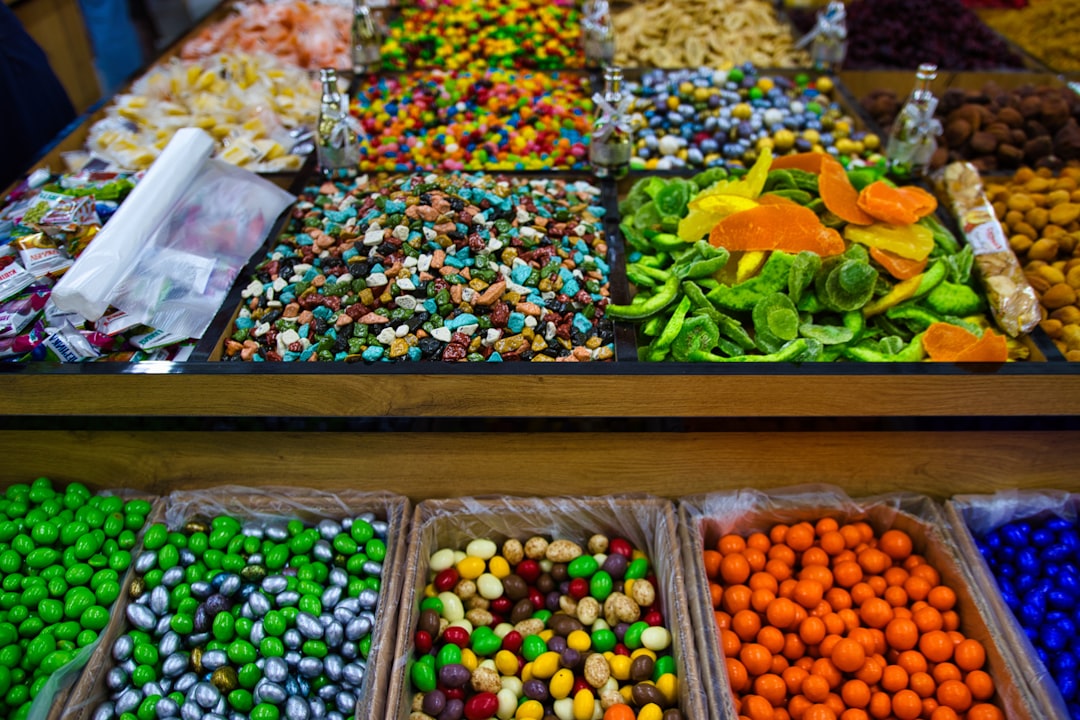
You’ve just finished a meal that, on paper, should be a triumph of healthy eating. It’s light, it’s practically devoid of fat, and you’re diligently ticking off the boxes of your dietary goals. Yet, mere moments later, a peculiar sensation begins to stir. It’s not hunger in the traditional sense, but a persistent, almost gnawing desire for something sweet. Why does this happen? You ask yourself, staring longingly at the vending machine down the hall, as if it holds the secrets to the universe, or at least, to satisfying this inexplicable urge. The science behind these post-low-fat meal sugar cravings is intricate, involving a delicate ballet of hormones, brain chemistry, and evolutionary programming.
Your body is a sophisticated biological machine, finely tuned to seek out nutrients that provide energy and promote survival. For millennia, fat has been a dense and reliable source of calories, crucial for enduring periods of scarcity. When you eliminate fat from your diet, it sends a signal, a subtle yet powerful cue, that a significant energy source is missing. Your palate, an incredibly astute sensory organ, is accustomed to the rich mouthfeel and satisfaction that fat confers. When that experience is absent, it’s like listening to a symphony with the bass section removed; something vital feels incomplete.
The Mouthfeel Mirage
Fat coats your tongue, carrying flavour molecules and creating a sensation of fullness and satisfaction. When this is absent, your mouth can feel… empty. This emptiness is not necessarily a physical void but a sensory one. It’s like walking through a beautifully decorated room but finding it sterile and lacking warmth; you crave a tactile and aromatic richness that was stripped away. The absence of fat can diminish the overall gastronomic pleasure, leaving your brain searching for a way to compensate for this perceived deficit. This compensation often manifests as a desire for easily digestible and quickly available energy: sugar.
Palatability and Pleasure Pathways
Fat is an extraordinarily palatable nutrient. Its presence triggers the release of pleasure chemicals in your brain, such as dopamine. This creates a positive association with fatty foods, reinforcing the idea that they are desirable and rewarding. When you remove fat, you are essentially removing a key ingredient that contributes to this pleasure response. Without the inherent gratification that fat provides, your brain seeks alternative routes to achieve that euphoric sensation. Sugar, being a potent stimulator of the dopamine reward pathway, becomes the obvious, or rather, the readily available, substitute. It’s as if your brain, accustomed to a jazz trio, is suddenly presented with a solo instrument and seeks another performer to restore the ensemble’s richness.
Evolutionary Echoes: The Fat-As-Energy Imperative
From an evolutionary perspective, fat has always been the gold standard of energy storage. Our ancestors relied heavily on fatty foods to survive harsh winters and periods of famine. This deep-seated biological programming means that your body is wired to perceive fat as a highly valuable commodity. When you consume a low-fat meal, it’s akin to a system alert signaling a potential energy shortfall. Your brain, a master of risk assessment, may interpret this as a danger signal and send out a craving for a quick energy boost to replenish perceived depleted reserves. This is not a conscious decision; it’s an ancient survival mechanism kicking in, a primal whisper urging you to seek out calorie-dense fuel.
Many people experience a strong craving for sugar after consuming low-fat meals, a phenomenon that can be attributed to the body’s response to reduced fat intake. When we eat low-fat foods, our bodies may seek out sugar as a quick source of energy to compensate for the missing fat, which is essential for satiety and flavor. This craving can lead to a cycle of unhealthy eating habits, as individuals may turn to sugary snacks to satisfy their hunger. For more insights on this topic, you can read a related article at Hey Did You Know This.
Hormonal Havoc: The Ghrelin and Leptin Gambit
The regulation of appetite and satiety is a complex hormonal dance involving several key players. Two of the most prominent are ghrelin, often dubbed the “hunger hormone,” and leptin, the “satiety hormone.” When you consume a meal, particularly one lacking in fat, the interplay between these hormones can be significantly disrupted, leading to a cascade of physiological responses that ultimately culminate in sugar cravings.
Ghrelin’s Grim Grasp: The Hunger Signal Amplified
Ghrelin is primarily produced in the stomach and plays a pivotal role in signaling hunger to the brain. Its levels typically rise before meals and fall after eating. However, research suggests that the composition of your meal can influence how effectively ghrelin is suppressed. Low-fat meals, especially those high in rapidly digestible carbohydrates but lacking in fat and protein, may not trigger the same robust ghrelin suppression as a balanced meal. This means that even though you’ve technically eaten, your body might still be sending out hunger signals, leaving you feeling unsatisfied and prone to seeking out more calorie-dense options, with sugar being a prime candidate. It’s like a leaky faucet that continues to drip, reminding you of an unfinished task, even when the main tap has been turned off.
Leptin’s Lullaby: The Satiety Signal Fades
Leptin, produced by fat cells, signals to the brain that you are full and have sufficient energy stores. While leptin’s primary role is to signal satiety, its production and effectiveness are also influenced by meal composition. Some studies suggest that very low-fat diets, or meals lacking in fat and protein, may lead to a less sustained release or a reduced sensitivity to leptin. This means that the feeling of fullness and satisfaction might be shorter-lived. Without that lingering sense of satiety, your brain is more likely to interpret your current state as one of ongoing hunger, making you susceptible to cravings for quick energy sources like sugar. Imagine a gentle lullaby that fades too quickly; the soothing effect is lost, and restlessness returns.
The Role of Blood Sugar Fluctuations
Another critical factor is the impact of low-fat meals on your blood glucose levels. Meals composed primarily of refined carbohydrates and low in fat and fiber can lead to rapid spikes in blood sugar. This rapid rise is often followed by an equally rapid decline, or “crash.” This blood sugar rollercoaster can trigger an intense desire for more carbohydrates, particularly sugar, to bring your blood sugar levels back up. Your body is essentially trying to correct an imbalance, and sugar provides the quickest fix. It’s like a sudden drop in altitude in an airplane; the passengers instinctively reach for something to stabilize themselves.
The Brain’s Sweet Seduction: Neurochemical Crossroads

Beyond hormones, your brain itself plays a crucial role in sugar cravings. The intricate network of neural pathways and neurochemicals involved in reward, pleasure, and appetite regulation is profoundly influenced by the foods you consume. Low-fat meals often shortchange these pathways, leading your brain to seek out sweeter alternatives.
Dopamine’s Delight: The Reward System
Dopamine is a neurotransmitter heavily implicated in pleasure and reward. When you eat highly palatable foods, especially those containing sugar and fat, dopamine is released in the brain’s reward centers, creating a feeling of satisfaction and reinforcing the behavior. Low-fat meals, lacking the rich mouthfeel and sustained energy release that fat provides, might not trigger the same robust dopamine release. Your brain, accustomed to this rewarding stimulus, may then seek out other sources of dopamine. Sugar is a potent trigger, leading to a surge of this feel-good chemical and thus, a craving. It’s like a musician seeking a specific chord that’s missing from the current composition.
The Serotonin Connection: Mood and Appetite Regulation
Serotonin is another neurotransmitter known for its role in mood regulation and appetite control. Carbohydrate intake, particularly from refined sugars, can indirectly increase serotonin levels in the brain. This temporary boost in serotonin can create a sense of calm and well-being, which your brain may interpret as a desirable state. When a low-fat meal doesn’t provide the usual pleasurable sensations or the sustained energy release that contributes to mood stability, your brain might instinctively turn to sugar as a means of boosting serotonin and improving your mood. It’s as if your emotional thermostat is fluctuating, and sugar is a quick, albeit temporary, fix to bring it back to a comfortable setting.
The Gut-Brain Axis: A Whispering Network
The gut-brain axis is a bidirectional communication system between your digestive system and your brain. Your gut harbors trillions of microorganisms, collectively known as the gut microbiome, which play a surprisingly influential role in your overall health, including your appetite and food preferences. Certain gut bacteria thrive on sugars and fermented carbohydrates. When you consume a meal that doesn’t adequately nourish or support these particular microbes, or when a low-fat meal leads to imbalances in gut bacteria, signals can be sent to the brain that contribute to sugar cravings. These microbes, in essence, can “request” their preferred fuel source, and their signals are often interpreted as cravings by your brain. It’s like a vast underground network of messengers relaying information from your stomach to your brain, influencing your desires.
The Glycemic Index Gamble: Quick Energy, Quick Crash
The glycemic index (GI) is a measure of how quickly a food raises blood glucose levels. Foods with a high GI are rapidly digested and absorbed, leading to a swift rise in blood sugar followed by a subsequent drop. Low-fat meals often, though not always, have a higher proportion of refined carbohydrates, which tend to have a higher GI. This characteristic plays a significant role in the post-meal sugar craving phenomenon.
High GI Foods and Insulin Surges
When you consume a high-GI, low-fat meal, your body responds by releasing a surge of insulin, a hormone responsible for moving glucose from your bloodstream into your cells for energy. While this is a necessary process, a large insulin surge can be too effective, lowering your blood sugar levels more dramatically than intended. This sudden dip in blood glucose can then trigger feelings of fatigue and hunger, prompting a craving for more readily available energy – sugar. You have essentially thrown your body into overdrive, and now it’s struggling to adjust. It’s like over-watering a plant; the roots become waterlogged, and the plant starts to droop, needing immediate attention.
The Phantom Hunger: Fueling the Cycle
The rapid fall in blood sugar after a high-GI meal can create a sensation akin to hunger, even though you’ve recently eaten. This is often referred to as “phantom hunger.” Your body interprets the drop in glucose as a sign of an energy deficit and sends out signals to seek food. Since sugar provides the quickest available fuel, it becomes the most appealing option for alleviating this perceived lack of energy. You haven’t truly run out of fuel, but your internal fuel gauge is flashing red, urging you to refuel, and sugar is the fastest way to do so.
Fiber’s Fumble: The Missing Stabilizer
Fiber plays a crucial role in slowing down digestion and the absorption of carbohydrates, thereby moderating blood sugar responses. Low-fat meals, particularly those lacking in whole grains, fruits, and vegetables, are often deficient in fiber. Without adequate fiber to act as a natural brake on glucose absorption, your blood sugar levels are more prone to dramatic fluctuations, setting the stage for those post-meal sugar cravings. Fiber is the steady hand on the wheel, and when it’s absent, the ride becomes much bumpier.
Many people often find themselves craving sugar after consuming low-fat meals, and this phenomenon can be attributed to the body’s response to reduced fat intake. When we eat low-fat foods, our bodies may seek out quick sources of energy, leading to an increased desire for sugary snacks. This relationship between fat consumption and sugar cravings is explored in detail in a related article that discusses the science behind our dietary choices. For more insights on this topic, you can read the article here. Understanding these cravings can help us make more informed decisions about our diets and overall health.
Evolutionary Adaptations: The Sweetness Imperative
| Factor | Description | Impact on Sugar Craving | Scientific Explanation |
|---|---|---|---|
| Reduced Fat Intake | Low fat meals contain less dietary fat | Increases craving for sugar | Fat slows digestion and promotes satiety; without it, the body seeks quick energy sources like sugar |
| Blood Sugar Levels | Low fat meals often have higher carbohydrate content | Causes rapid blood sugar spikes and drops | Blood sugar fluctuations trigger hunger and cravings for sweet foods to restore glucose levels |
| Hormonal Response | Low fat intake affects hormones like leptin and ghrelin | Leads to increased appetite and sugar cravings | Lower fat reduces leptin (satiety hormone) and increases ghrelin (hunger hormone), promoting sugar desire |
| Reward System Activation | Fat and sugar both stimulate brain reward pathways | Low fat meals may cause the brain to seek sugar for reward | Reduced fat intake lowers dopamine release, increasing desire for sugar to compensate |
| Insulin Response | High carb, low fat meals increase insulin secretion | May cause hypoglycemia and sugar cravings | Insulin lowers blood glucose, sometimes too much, triggering cravings for quick sugar replenishment |
Your body’s predisposition to crave sugar is not merely a modern-day indulgence; it is deeply rooted in our evolutionary history. For our ancestors, sweetness was a reliable indicator of ripe fruits and vegetables, which provided essential vitamins, minerals, and energy. This innate attraction to sweetness served as a vital survival mechanism, guiding them towards nutritious food sources in a world where calories were often scarce.
The Sweetness Signal: A Beacon of Nutrients
In the ancestral environment, sweetness was a clear signal of calorie-dense, vitamin-rich food. Ripe fruits provided a quick and easily digestible source of energy, crucial for foraging and escaping predators. This biological wiring means that your brain is inherently programmed to find sweetness appealing. When you consume a low-fat meal that lacks the satisfying richness and sustained energy that fat provides, your brain might revert to this ancient programming, seeking out the most readily available and historically reliable source of quick energy: sugar. It’s like an old, ingrained habit that resurfaces during times of perceived “need.”
Fat vs. Sugar: A Prehistoric Trade-Off
While fat has always been a caloric powerhouse, acquiring sufficient amounts consistently could be challenging. Sugar, found in fruits, offered a more readily available, albeit less calorically dense, energy source. In situations of fluctuating food availability, the ability to readily access and consume sugars would have provided a significant survival advantage. This might explain why, even in the presence of other food, the allure of sugar can be so potent, especially when a meal lacks the satiety and energy signals that fat traditionally provides. Imagine a hunter who knows where to find berries easily, even if there’s a chance of finding a larger, more difficult-to-catch animal. The immediate reward of berries might be the more practical choice in the moment.
The Modern Diet Disconnect: Exploiting an Ancient System
The modern food landscape, with its abundance of highly processed, sugar-laden foods, has created a disconnect between our evolutionary biology and our dietary reality. Our ancient cravings, designed to guide us towards naturally occurring sugars in fruits, are now being exploited by industrial food production to create hyper-palatable products that can lead to overconsumption and health issues. When you consume a low-fat meal, you might be inadvertently creating a scenario where this ancient system, designed for a different era, is being triggered and misdirected by readily available, refined sugars. You are essentially using a compass designed for ancient forests to navigate a modern cityscape; it can get you to your destination, but it’s not the most efficient or appropriate tool for the job.
FAQs
Why do people often crave sugar after eating low-fat meals?
People may crave sugar after low-fat meals because low-fat foods can sometimes be higher in carbohydrates or sugars to enhance flavor, leading to blood sugar fluctuations that trigger cravings. Additionally, fat helps slow digestion and promote satiety, so its absence might cause the body to seek quick energy sources like sugar.
Does eating low-fat meals affect blood sugar levels?
Yes, low-fat meals that are high in carbohydrates can cause rapid increases and subsequent drops in blood sugar levels. These fluctuations can stimulate cravings for sugary foods as the body seeks to quickly restore energy balance.
Is it healthier to avoid sugar cravings after low-fat meals?
Managing sugar cravings is generally beneficial for maintaining stable energy levels and overall health. Incorporating balanced meals with adequate protein, fiber, and healthy fats can help reduce cravings and promote satiety.
Can adding healthy fats to meals reduce sugar cravings?
Yes, including healthy fats such as avocados, nuts, or olive oil in meals can slow digestion, stabilize blood sugar, and increase feelings of fullness, which may help reduce the desire for sugary foods afterward.
Are sugar cravings after low-fat meals a sign of nutritional imbalance?
They can be. Cravings may indicate that the meal lacks sufficient fat, protein, or fiber, which are important for satiety and blood sugar regulation. Ensuring a balanced intake of macronutrients can help minimize these cravings.