The decision to use the atomic bomb during World War II remains one of the most contentious and debated topics in modern history. At the heart of this pivotal moment was President Franklin D.
The atomic bomb, a weapon of unprecedented destructive power, was developed under the auspices of the Manhattan Project, a top-secret initiative that aimed to harness nuclear fission for military purposes. Roosevelt’s decision to deploy this weapon against Japan in August 1945 marked a significant turning point in global politics and military strategy. As the war drew to a close, the United States faced a critical juncture.
The conflict in the Pacific had been protracted and brutal, with heavy casualties on both sides. The prospect of a ground invasion of Japan loomed large, raising concerns about the potential loss of American lives. Roosevelt’s choice to utilize the atomic bomb was influenced by a complex interplay of military necessity, scientific innovation, and geopolitical considerations.
This article delves into the multifaceted aspects of Roosevelt’s decision, exploring its historical context, ethical implications, and lasting legacy.
Key Takeaways
- President Roosevelt played a crucial role in initiating and guiding the development of the atomic bomb through the Manhattan Project.
- The decision to use the atomic bomb involved complex ethical and moral dilemmas regarding its devastating impact.
- Military and strategic factors heavily influenced the choice to deploy the bomb to hasten the end of World War II.
- The atomic bomb significantly impacted Japan, contributing to their surrender and the conclusion of the war.
- The decision remains controversial, with ongoing debates about alternative options and the legacy of Roosevelt’s choice.
The Manhattan Project and the Development of the Atomic Bomb
The Manhattan Project was a monumental scientific endeavor that brought together some of the brightest minds in physics and engineering. Initiated in response to fears that Nazi Germany might develop nuclear weapons first, the project was shrouded in secrecy and urgency. Scientists such as J. Robert Oppenheimer, Enrico Fermi, and Richard Feynman worked tirelessly at various sites across the United States, including Los Alamos, Oak Ridge, and Hanford, to unlock the secrets of atomic energy. Their efforts culminated in the successful detonation of the first atomic bomb in July 1945 at the Trinity test site in New Mexico. The development of the atomic bomb represented not only a technological breakthrough but also a profound shift in military strategy. The bomb’s potential to cause mass destruction was unlike anything seen before, raising questions about its ethical use. As scientists grappled with the implications of their work, they were acutely aware that they were creating a weapon that could alter the course of human history. The urgency of World War II propelled their efforts, but it also cast a long shadow over the moral considerations surrounding the bomb’s eventual deployment.
The Role of President Roosevelt in the Decision-Making Process
President Franklin D. Roosevelt played a crucial role in shaping the direction of the Manhattan Project and ultimately deciding to use the atomic bomb against Japan. His leadership style was characterized by pragmatism and a willingness to embrace innovative solutions to complex problems.
Roosevelt understood that the stakes were high; defeating Japan quickly would save countless lives and bring an end to a devastating conflict. He was deeply involved in discussions about the project and its implications, often consulting with military leaders and scientists to gauge the feasibility and potential impact of using atomic weapons. Roosevelt’s decision-making process was influenced by various factors, including his commitment to ending the war swiftly and his desire to assert American dominance on the global stage.
He recognized that demonstrating military superiority through the use of the atomic bomb could reshape post-war geopolitics and establish the United States as a preeminent world power. However, Roosevelt’s untimely death in April 1945 meant that he did not witness the culmination of his decisions; his successor, Harry S. Truman, would ultimately carry out the order to drop the bombs on Hiroshima and Nagasaki.
The Ethical and Moral Dilemmas Surrounding the Use of the Atomic Bomb
The ethical implications of using the atomic bomb have been hotly debated since its deployment. Critics argue that targeting civilian populations with such a devastating weapon constituted a moral failure, raising questions about humanity’s capacity for compassion in wartime. The bombings of Hiroshima on August 6 and Nagasaki on August 9 resulted in immense loss of life and suffering, with estimates suggesting that over 200,000 people perished as a direct result of the attacks.
This staggering toll has led many to question whether such actions could ever be justified, even in pursuit of military objectives. Supporters of Roosevelt’s decision often cite the necessity of ending the war quickly as a mitigating factor. They argue that an invasion of Japan would have resulted in far greater casualties for both American forces and Japanese civilians.
In this view, the atomic bomb was seen as a means to an end—a way to compel Japan’s surrender without further bloodshed. Nevertheless, this rationale does not erase the profound moral dilemmas posed by the bomb’s use, leaving historians and ethicists to grapple with questions about just war theory and the responsibilities of leaders during times of conflict.
The Military and Strategic Considerations in the Decision
| Metric | Data/Value |
|---|---|
| President | Franklin D. Roosevelt |
| Decision Date | October 9, 1939 (initial support for research) |
| Manhattan Project Start | 1942 (after Roosevelt’s death) |
| Roosevelt’s Role | Authorized initial research and funding for atomic bomb development |
| Key Advisors | Albert Einstein (via letter), Leo Szilard, Vannevar Bush |
| Reason for Decision | Fear Nazi Germany would develop atomic bomb first |
| Outcome | Initiation of U.S. atomic bomb research program |
| Roosevelt’s Death | April 12, 1945 (before bomb completion) |
From a military perspective, Roosevelt’s decision to use the atomic bomb was rooted in strategic calculations aimed at hastening Japan’s surrender. By mid-1945, American forces had made significant gains in the Pacific theater, but Japan remained resolute in its refusal to capitulate unconditionally. Military planners estimated that an invasion of Japan would result in staggering casualties—potentially hundreds of thousands of American lives lost alongside millions of Japanese civilians caught in the crossfire.
The atomic bomb presented an alternative strategy that promised to bring about a swift conclusion to hostilities. Military leaders believed that demonstrating such overwhelming force would shock Japan into submission and deter any further resistance. Additionally, there were concerns about Soviet involvement in Asia; showcasing American military might through the use of atomic weapons could serve as a signal to both Japan and the Soviet Union regarding U.S.
intentions in post-war negotiations.
The Impact of the Atomic Bomb on Japan and the End of World War II
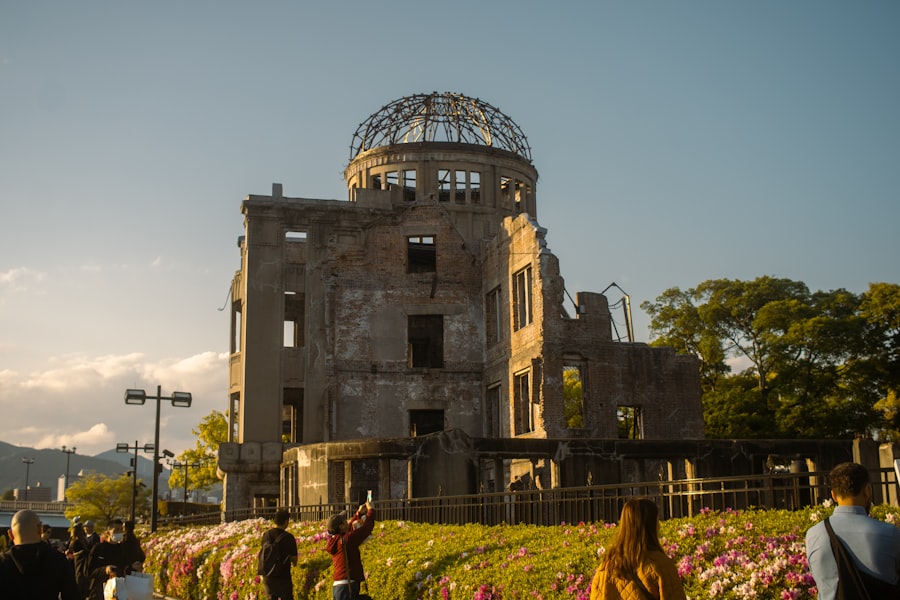
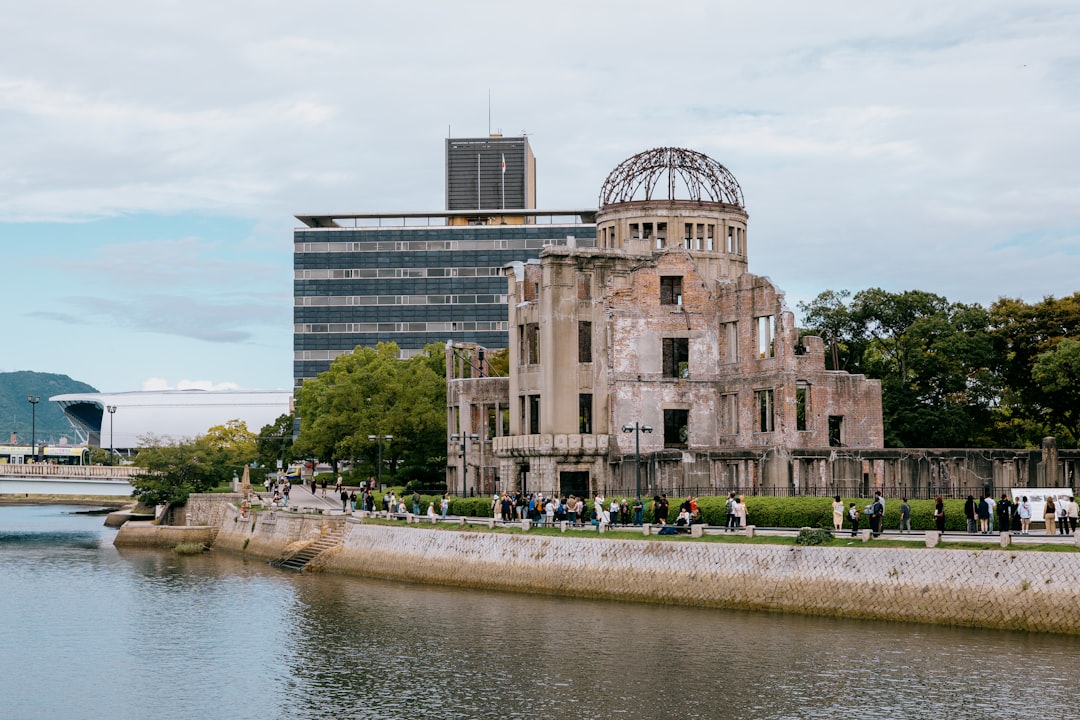
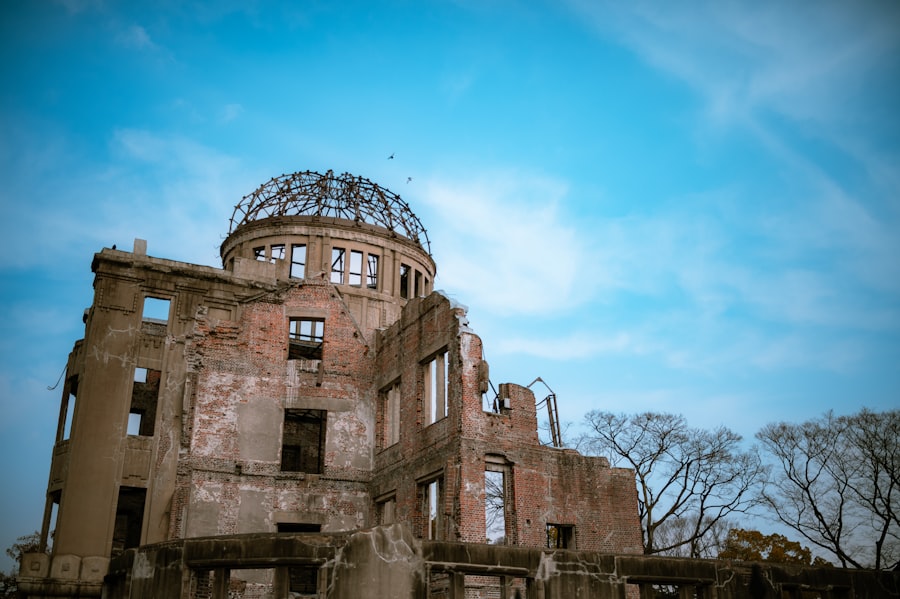
The immediate impact of the atomic bomb on Japan was catastrophic. Hiroshima was devastated on August 6, 1945, when “Little Boy,” a uranium-based bomb, was dropped from an American B-29 bomber. The explosion obliterated much of the city and resulted in tens of thousands of deaths within moments.
Three days later, “Fat Man,” a plutonium-based bomb, was dropped on Nagasaki, causing similar destruction and loss of life. The sheer scale of devastation left Japan reeling and contributed significantly to its decision to surrender on August 15, 1945. The bombings not only marked a dramatic end to World War II but also ushered in a new era characterized by nuclear proliferation and Cold War tensions.
Japan’s surrender effectively concluded years of brutal conflict in Asia and set the stage for U.S.-Japan relations in the post-war period. However, it also raised profound questions about nuclear warfare’s role in international relations moving forward, as nations grappled with the implications of possessing such destructive capabilities.
The Legacy of the Roosevelt Atomic Bomb Decision
The legacy of Roosevelt’s decision to use the atomic bomb is multifaceted and continues to resonate today.
On the other hand, it has become emblematic of humanity’s capacity for destruction and has sparked ongoing debates about nuclear ethics and warfare.
In subsequent decades, nuclear weapons have become central to international relations, shaping military strategies and diplomatic negotiations around disarmament and non-proliferation. The bombings also left an indelible mark on Japanese society, influencing cultural narratives around war, peace, and resilience. As nations navigate complex geopolitical landscapes today, Roosevelt’s decision serves as a cautionary tale about the consequences of wielding such immense power.
Criticisms and Controversies Surrounding the Decision
Critics of Roosevelt’s decision have raised numerous concerns regarding its justification and consequences. Many historians argue that Japan was already on the brink of surrender due to conventional bombing campaigns and naval blockades that had crippled its economy and military capabilities. They contend that using atomic weapons was unnecessary and constituted an act of cruelty against civilians who bore no responsibility for their government’s actions.
Moreover, some critics assert that Roosevelt’s decision was influenced by political motivations rather than purely military considerations. The desire to demonstrate American technological superiority over both Japan and potential adversaries like the Soviet Union has been cited as a driving factor behind deploying atomic bombs. This perspective raises questions about whether ethical considerations were adequately weighed against strategic imperatives during this critical juncture in history.
Alternative Options Considered by President Roosevelt
In contemplating his options for ending World War II, President Roosevelt faced numerous alternatives beyond using atomic weapons. One possibility was intensifying conventional bombing campaigns against Japanese cities or continuing naval blockades to further weaken Japan’s capacity for war. These strategies had already proven effective in diminishing Japanese morale and resources without resorting to nuclear weapons.
Another alternative considered was diplomatic negotiations aimed at securing Japan’s surrender through conditional terms rather than unconditional ones. Some advisors suggested that offering assurances regarding Japan’s imperial status or allowing for some degree of autonomy could facilitate a peaceful resolution without resorting to mass destruction. However, these options were ultimately overshadowed by concerns about prolonging the war and increasing American casualties.
The Influence of Key Advisors and Allies on the Decision
Roosevelt’s decision-making process regarding the atomic bomb was significantly influenced by key advisors and allies who provided insights into military strategy and scientific developments. Figures such as Secretary of War Henry Stimson and General Leslie Groves played pivotal roles in advocating for using atomic weapons as a means to expedite Japan’s surrender. Additionally, international dynamics shaped Roosevelt’s thinking; he was acutely aware of Soviet ambitions in Asia following World War
Lessons Learned from the Roosevelt Atomic Bomb Decision
The decision to use atomic bombs during World War II offers profound lessons for contemporary leaders grappling with issues related to warfare, ethics, and international relations. One key takeaway is the importance of weighing moral considerations alongside strategic imperatives when making decisions that could have far-reaching consequences for humanity. Furthermore, it underscores the need for transparency and accountability in military decision-making processes—ensuring that ethical frameworks guide actions taken during times of conflict can help prevent future atrocities stemming from unchecked power dynamics or political motivations.
As nations continue navigating complex global challenges today, reflecting on Roosevelt’s decision serves as a reminder that choices made during wartime can shape not only immediate outcomes but also long-term legacies for generations to come.
The decision by President Franklin D. Roosevelt to use the atomic bomb during World War II has been a topic of extensive debate among historians. For a deeper understanding of the implications and the context surrounding this pivotal moment in history, you can read a related article that explores the broader consequences of nuclear warfare. Check it out here: The Impact of the Atomic Bomb on Global Politics.
WATCH THIS 🔐 The $2 Billion Lie: How America Built the Atomic Bomb in Secret
FAQs
Who was President Roosevelt in relation to the atomic bomb decision?
President Franklin D. Roosevelt was the 32nd President of the United States, serving from 1933 until his death in 1945. He played a key role in initiating the development of the atomic bomb during World War II.
What was the atomic bomb decision during Roosevelt’s presidency?
The atomic bomb decision refers to President Roosevelt’s authorization and support for the Manhattan Project, the secret U.S. research and development program aimed at creating an atomic bomb during World War II.
When did Roosevelt make the decision to pursue the atomic bomb?
Roosevelt approved the initial steps toward developing the atomic bomb in October 1939, after receiving a letter from physicist Albert Einstein and physicist Leo Szilard warning about the potential for Nazi Germany to develop such a weapon.
What was the Manhattan Project?
The Manhattan Project was a top-secret U.S. government research project during World War II that developed the first nuclear weapons. It was initiated under Roosevelt’s administration and continued under President Harry S. Truman after Roosevelt’s death.
Did Roosevelt live to see the atomic bomb used in warfare?
No, President Roosevelt died on April 12, 1945, before the atomic bombs were dropped on Hiroshima and Nagasaki in August 1945.
What factors influenced Roosevelt’s decision to develop the atomic bomb?
Roosevelt was influenced by concerns over Nazi Germany’s potential to develop nuclear weapons, scientific advice from experts, and the desire to end World War II swiftly to save lives.
How did Roosevelt’s decision impact the outcome of World War II?
Roosevelt’s decision to pursue the atomic bomb led to the development of nuclear weapons that were later used by the United States to hasten the end of World War II, although the bombs were deployed after his death.
Was the decision to develop the atomic bomb controversial during Roosevelt’s time?
At the time, the decision was largely seen as a necessary wartime measure, but it raised ethical and moral questions that have been debated extensively since then.
Who succeeded Roosevelt and oversaw the use of the atomic bomb?
Vice President Harry S. Truman succeeded Roosevelt after his death and authorized the use of atomic bombs on Japan in August 1945.
What role did scientists play in Roosevelt’s atomic bomb decision?
Scientists, including Albert Einstein, Leo Szilard, and others, alerted Roosevelt to the possibility of nuclear weapons and advised the government on the feasibility and urgency of developing the atomic bomb.