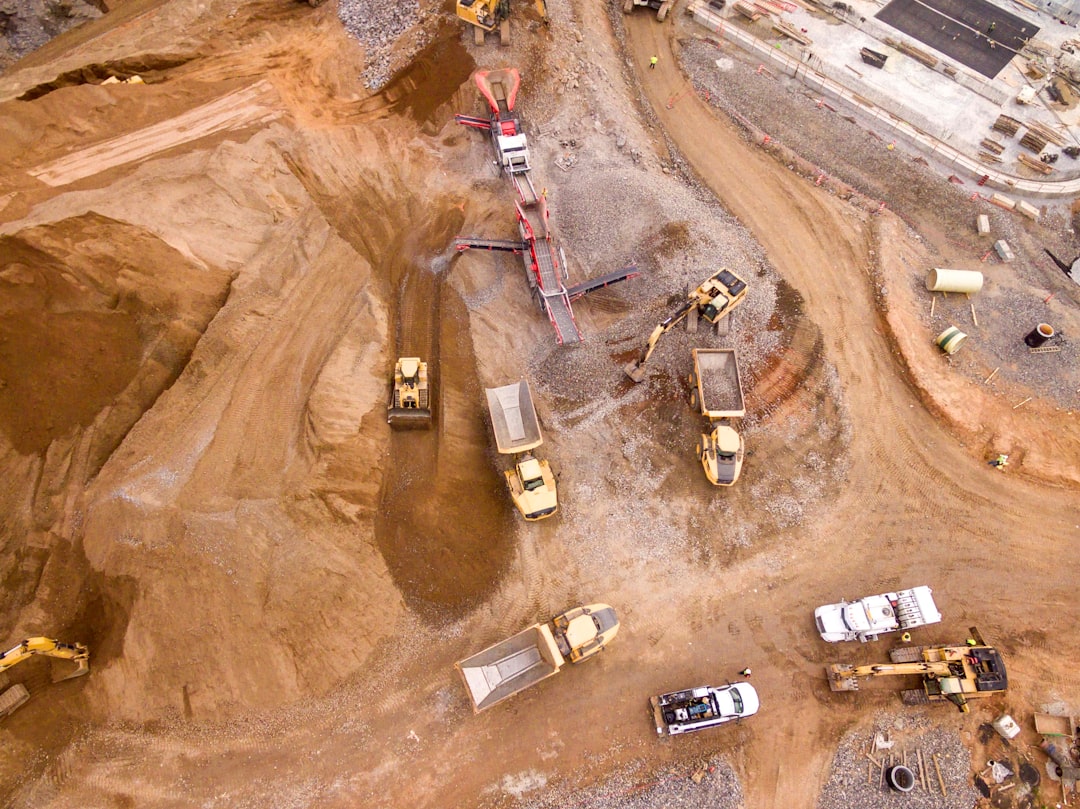
The relentless march of urban expansion, a phenomenon commonly referred to as urban sprawl, is a complex interplay of economic forces, demographic shifts, and planning decisions. While often discussed in terms of housing developments, infrastructure, and land use policies, a critical, and often overlooked, component underpinning this growth is the vast material requirements of construction. Among these essential resources, sand plays a pivotal, though frequently unacknowledged, role. This article will explore the multifaceted role of sand mining in fueling urban sprawl, examining its impact on resource availability, environmental degradation, and the economic incentives that drive this unsustainable cycle.
Urban sprawl necessitates an enormous volume of construction materials. Cities expand horizontally, consuming surrounding undeveloped land for residential areas, commercial centers, and transportation networks. This expansion is not abstract; it is built with tangible materials, and sand is one of the most fundamental.
Aggregates for Concrete
The primary use of sand in urban development is as an aggregate in concrete. Concrete, a mixture of cement, water, and aggregates (sand and gravel), is the ubiquitous material used in constructing everything from building foundations and walls to roads, bridges, and dams. The sheer scale of construction required to accommodate growing urban populations means that the demand for concrete, and consequently for sand, is immense. As urban areas spread outwards, they require new infrastructure to connect sprawling communities, further increasing the call for materials like concrete.
Mortar and Other Building Materials
Beyond concrete, sand is also a key ingredient in mortar, used to bind bricks and stones in construction. It is utilized in plastering and rendering walls, providing smooth finishes. Furthermore, sand finds its way into the production of blocks, paving stones, and various other materials integral to the built environment. Each new housing development, shopping mall, or expanded highway represents a significant demand for these sand-dependent products.
Land Reclamation and Filling
In coastal urban areas or regions with significant water bodies, sand mining also plays a role in land reclamation. Dredging sand from riverbeds or the seabed allows for the creation of new land upon which development can occur, effectively extending the urban footprint. This process directly facilitates sprawl by making previously unusable land available for construction.
Sand mining plays a significant role in fueling urban sprawl, as the demand for sand in construction projects continues to rise. This relentless extraction not only contributes to the rapid expansion of cities but also poses serious environmental challenges. For a deeper understanding of the implications of sand mining on urban development and its environmental impact, you can read a related article at Hey Did You Know This. This resource provides valuable insights into how the increasing need for sand is reshaping our urban landscapes and the ecological consequences that follow.
The Insatiable Demand: Fueling the Sprawl Engine
The connection between urban sprawl and the demand for sand is not coincidental; it is a causative relationship driven by the material needs of an expanding built environment.
Demographic Pressures
Increasing population density in urban centers, coupled with migration from rural to urban areas, drives the need for more housing and associated infrastructure. As cities grow, they tend to expand outwards to accommodate this influx, leading to the characteristic pattern of sprawl. This outward expansion directly translates into increased demand for construction materials, with sand being a primary component.
Economic Growth and Development
Urban sprawl is often intertwined with economic growth. New businesses require facilities, retail spaces expand, and industries may relocate to areas with perceived advantages. This economic activity necessitates further construction, fueling the demand for sand. The profitability associated with developing new land and constructing new facilities creates a powerful economic incentive for continued sprawl.
The Cycle of Redevelopment and Expansion
Even in established urban areas, the demand for construction materials, including sand, persists through redevelopment and infill projects. However, the most significant driver for escalating sand demand, and thus an exacerbating factor for sprawl, comes from the outward expansion of cities into undeveloped territories. This expansion often involves building on previously untouched land, requiring virgin materials for every new structure and piece of infrastructure.
Environmental Consequences: The Hidden Costs of Sprawl

The extensive sand mining required to support urban sprawl carries a heavy environmental toll, often disproportionately impacting the ecosystems from which the sand is extracted.
Habitat Destruction and Biodiversity Loss
The extraction of sand, whether from rivers, lakes, or coastal areas, can lead to the destruction of aquatic habitats. Dredging operations disrupt riverbeds and seabeds, obliterating the homes of numerous species of fish, invertebrates, and aquatic plants. This habitat destruction can lead to significant biodiversity loss and ecological imbalance. Areas rich in aggregate resources, often vital natural ecosystems, are particularly vulnerable to this form of extractive pressure.
Water Quality Degradation
Sand mining can significantly impact water quality. The disturbed sediment can increase turbidity, reducing light penetration and harming aquatic life. Furthermore, the release of fine particles can clog fish gills and bury spawning grounds. In coastal areas, sand extraction can alter water currents, impacting nutrient distribution and potentially leading to the degradation of marine ecosystems. Changes in water flow can also affect the salinity balance in deltas and estuaries.
Coastal Erosion and Land Subsidence
In coastal regions, the removal of sand from beaches and offshore areas can exacerbate coastal erosion. Sand dunes and beaches act as natural defenses against storm surges and wave action. Their removal weakens these natural barriers, making coastlines more vulnerable to erosion and inundation. In some instances, the removal of large quantities of sand from riverbeds can lead to land subsidence, causing infrastructure damage and affecting drainage patterns.
Landscape Alteration
The physical landscape is visibly altered by sand mining operations. Large pits are left behind, often becoming water-filled quarries. Riverbanks can be significantly reshaped, and the natural contours of coastlines are permanently changed. These alterations not only represent an ecological scar but can also impact the aesthetic and recreational value of a region.
Economic Incentives and Market Dynamics
The role of sand mining in urban sprawl is also shaped by powerful economic forces and market dynamics that favor continued extraction and development.
Cost-Effectiveness of Local Sand Sources
In the immediate vicinity of urban development, sand extracted from local sources often presents the most cost-effective option. Transportation costs for construction materials are significant, making it economically advantageous to mine sand close to where it will be used. This proximity creates a strong incentive for developers to utilize readily available local sand deposits, even if these deposits are environmentally sensitive.
The “Externalized” Costs
A critical aspect of the economic incentive structure is the fact that many of the environmental costs associated with sand mining are “externalized.” This means that the environmental damage and the associated mitigation or restoration costs are not fully borne by the sand extraction companies or the developers who utilize the sand. These costs are often borne by society at large through environmental degradation, loss of ecosystem services, and the need for future remediation efforts.
The Role of Regulation and Enforcement
The effectiveness of regulations designed to mitigate the environmental impact of sand mining plays a crucial role in the economic calculus. Weak regulations or lax enforcement can allow for unsustainable mining practices to continue, as the penalties for non-compliance may be insufficient to deter detrimental activities. Conversely, robust regulations, coupled with effective monitoring and enforcement, can incentivize more responsible mining practices and discourage resource depletion.
Global Sand Trade and its Implications
While local sand sourcing is often preferred, the global trade in sand is also growing, particularly for high-quality construction sand that may be scarce in certain regions. This global market can influence local extraction patterns. For instance, if local sand is being exported to other regions, it can create a void that needs to be filled, potentially leading to increased pressure on remaining local resources or a shift to less desirable mining locations. The demand in rapidly urbanizing regions can drive extraction in areas with less stringent environmental controls.
Sand mining plays a crucial role in fueling urban sprawl, as the demand for construction materials continues to rise with the expansion of cities. This process not only depletes natural resources but also leads to significant environmental degradation. For a deeper understanding of how these dynamics interact, you can explore a related article that discusses the implications of sand mining on urban development and sustainability. By examining these connections, we can better appreciate the challenges posed by rapid urbanization. Check out the article here for more insights.
Towards Sustainable Urban Development: Rethinking Sand Consumption
| Impact of Sand Mining on Urban Sprawl | Statistics |
|---|---|
| Increased demand for construction materials | 80% of global sand extraction is used for construction |
| Loss of natural habitats | 30% of land area affected by sand mining is for urban development |
| Impact on water resources | 50% of groundwater extraction is for sand mining |
| Contribution to land degradation | 23% of land degradation is attributed to sand mining |
Addressing the role of sand mining in urban sprawl requires a multi-pronged approach that focuses on reducing demand, promoting sustainable alternatives, and implementing effective governance.
Resource Efficiency and Material Innovation
A fundamental strategy is to reduce the overall demand for sand. This can be achieved through greater resource efficiency in construction, such as optimizing building designs to minimize material usage. Furthermore, investing in research and development of alternative construction materials is crucial. This includes exploring supplementary cementitious materials (SCMs) like fly ash or slag, which can replace a portion of cement in concrete, thereby reducing the demand for aggregates. The use of recycled aggregates from demolition waste also offers a significant opportunity to reduce the reliance on virgin sand.
Sustainable Mining Practices and Policy
Where sand mining is unavoidable, implementing and enforcing sustainable mining practices is essential. This includes strict environmental impact assessments, rehabilitation plans for mined areas, and monitoring of water quality and ecosystem health. Policies that incentivize responsible mining, such as tiered royalty systems that reward sustainable practices, can be effective. Furthermore, designating sensitive ecological areas as off-limits to sand extraction is a critical conservation measure.
Urban Planning and Land Use Management
Rethinking urban planning to discourage unchecked sprawl is paramount. Promoting higher-density development, investing in public transportation, and creating mixed-use urban centers can reduce the geographical footprint of cities and, consequently, the demand for new construction materials. Integrated land-use planning that considers resource availability and environmental constraints is vital for long-term sustainability. This involves a more holistic approach that recognizes the interconnectedness of urban growth and resource extraction.
Public Awareness and Consumer Choices
Raising public awareness about the environmental consequences of sand mining and its link to urban sprawl can foster a demand for more sustainable building practices and products. Consumers can play a role by asking about the source of construction materials and supporting projects that utilize recycled or alternative materials. Informed public opinion can exert pressure on developers and policymakers to adopt more sustainable approaches.
The role of sand mining in urban sprawl is a stark illustration of how seemingly mundane resources underpin the grand narratives of urban expansion. Without a concerted effort to manage demand, foster innovation, and regulate extraction, the foundations of our expanding cities will continue to be built upon a resource whose exploitation carries profound and lasting environmental costs, perpetuating a cycle of growth that compromises the health of our planet. The intricate web connecting sand, construction, and urban development demands our urgent attention, urging a paradigm shift towards a more conscious and sustainable future.
FAQs
What is sand mining?
Sand mining is the extraction of sand from beaches, rivers, and ocean beds for use in construction and other industries. It is a major source of sand for the global construction industry.
How does sand mining fuel urban sprawl?
Sand is a key ingredient in concrete, and as urban areas continue to expand, the demand for sand increases. This leads to extensive sand mining, which can result in environmental degradation, habitat destruction, and displacement of communities.
What are the environmental impacts of sand mining?
Sand mining can lead to erosion, loss of biodiversity, and disruption of ecosystems. It can also contribute to the depletion of groundwater and the destruction of natural habitats for wildlife.
What are the social impacts of sand mining?
Sand mining can lead to the displacement of communities that rely on coastal or riverine resources for their livelihoods. It can also result in conflicts over access to and control of sand resources.
What are the alternatives to sand mining?
There are alternatives to sand mining, such as using recycled materials in construction, promoting sustainable building practices, and investing in research and development of alternative construction materials. These alternatives can help reduce the demand for sand and mitigate the negative impacts of sand mining.