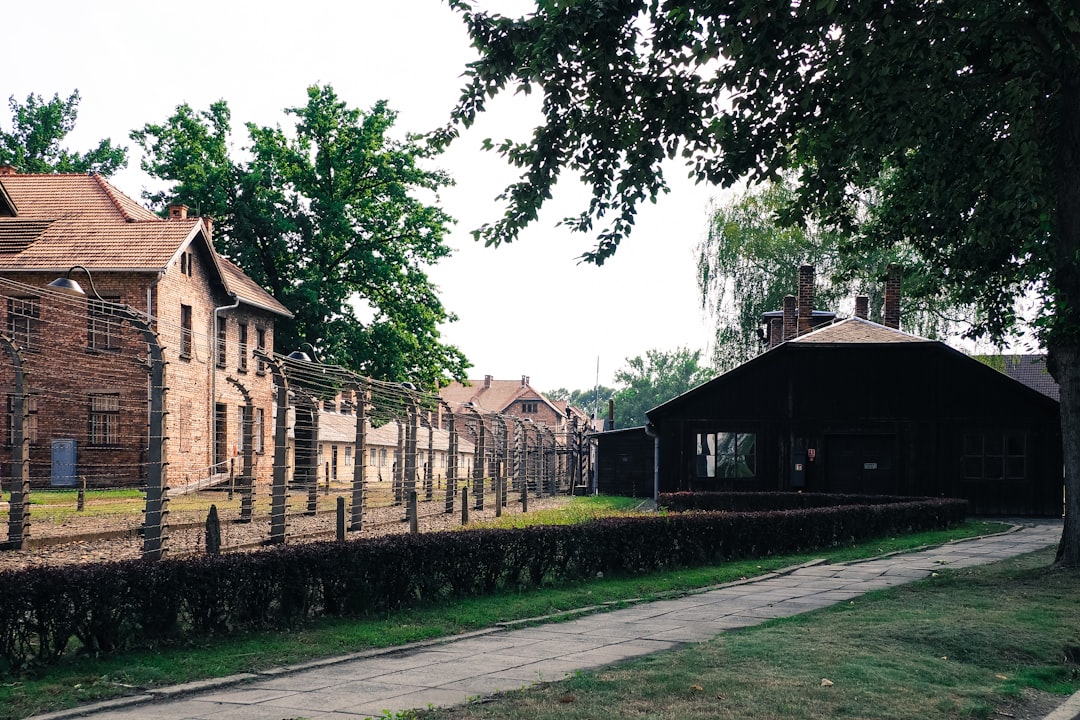
The rise and fall of Nazi Germany represents a chilling chapter in human history, an epoch shaped by fervent nationalism, systematic brutality, and ultimately, catastrophic defeat. This period, spanning from 1933 to 1945, continues to be a subject of intense study, not only for its historical significance but also for the profound lessons it offers about the fragility of democracy and the perils of unchecked power.
Germany in the interwar period was a crucible of political and economic turmoil. The defeat in World War I, coupled with the harsh terms of the Treaty of Versailles, festered like an open wound in the national psyche. The Weimar Republic, Germany’s first attempt at parliamentary democracy, struggled under the weight of hyperinflation, political extremism, and social unrest. This fertile ground of disillusionment and resentment provided a perfect breeding ground for extremist ideologies.
The Treaty of Versailles and its Aftermath
The Treaty of Versailles, signed in 1919, imposed severe reparations, territorial losses, and military restrictions on Germany. Article 231, the “war guilt clause,” particularly wounded German pride, fueling a sense of injustice and humiliation. For many Germans, the treaty was a “Diktat” – a diktat imposed by the victorious Allied powers. This perception of betrayal and oppression became a powerful tool for nationalist agitators.
Economic Chaos and Social Unrest
The early 1920s witnessed unprecedented hyperinflation, rendering the German mark virtually worthless. Savings evaporated overnight, wages became meaningless, and the middle class was decimated. This economic catastrophe further eroded faith in the Weimar Republic and created widespread desperation. Political instability manifested in frequent changes of government, attempted coups, and violent clashes between paramilitary groups on the left and right.
The Rise of Adolph Hitler and the Nazi Party
Amidst this chaos, a charismatic ex-corporal named Adolf Hitler, through his oratorical prowess and the nascent Nazi Party (Nationalsozialistische Deutsche Arbeiterpartei), began to gain traction. Hitler’s speeches, often delivered in Bierhallen, resonated with a populace yearning for strong leadership and a return to national greatness. He skillfully exploited existing grievances, blaming “November Criminals” (those who signed the armistice), Jews, and communists for Germany’s woes. The party’s hierarchical structure, paramilitary wings (SA and SS), and potent propaganda machine, led by figures like Joseph Goebbels, were meticulously crafted to appeal to a broad spectrum of disaffected Germans.
In exploring the complex history of Nazi Germany, one can gain deeper insights by reading the article available at Hey Did You Know This, which delves into lesser-known facts and events that shaped the era. This resource provides a comprehensive overview of the political, social, and economic factors that contributed to the rise and fall of the Nazi regime, offering a nuanced perspective on this pivotal period in history.
The Consolidation of Power and the Totalitarian State
Once in power, the Nazi regime moved swiftly and brutally to dismantle democratic institutions and establish a totalitarian state. The Reichstag Fire in February 1933, a mysterious arson attack on the German parliament, provided the pretext for the suspension of civil liberties and the suppression of political opposition. This event, whether orchestrated or merely exploited, served as a crucial stepping stone towards dictatorship.
The Enabling Act and Gleichschaltung
The Enabling Act, passed in March 1933, effectively granted Hitler dictatorial powers, allowing his government to enact laws without parliamentary approval. This was the metaphorical death knell for German democracy. The subsequent policy of Gleichschaltung (coordination) systematically brought all aspects of German life – politics, culture, education, media, and even leisure activities – under Nazi control. Independent organizations were dissolved, political parties outlawed, and trade unions replaced by the German Labor Front.
Propaganda and Indoctrination
The Nazi regime, a master of propaganda, employed a sophisticated apparatus to shape public opinion and indoctrinate the populace. Goebbels’s Ministry of Public Enlightenment and Propaganda controlled all media, from newspapers and radio to films and art. Rallies, parades, and carefully staged events were designed to create a sense of national unity and unwavering loyalty to Hitler, portrayed as a superhuman savior. Children were indoctrinated from a young age through organizations like the Hitler Youth, where they were taught Nazi ideology, racial purity, and blind obedience.
The Cult of Personality
Adolf Hitler cultivated a powerful cult of personality around himself, presenting himself as the embodiment of the German nation and its destiny. His image was ubiquitous, adorning posters, flags, and public buildings. His speeches, delivered with theatrical flourish, were broadcast nationwide, captivating millions. This cult of personality was a cornerstone of the Nazi regime, fostering unquestioning loyalty and discouraging dissent.
Expansionism, Racial Persecution, and World War II

Emboldened by its consolidation of power and a rearmed military, Nazi Germany embarked on a course of aggressive expansionism, driven by the ideology of Lebensraum (living space) for the German people. This pursuit of territorial agrandissement, coupled with an increasingly radicalized racial policy, inevitably led to the outbreak of World War II.
Rearmament and the Violation of Versailles
Hitler openly defied the Treaty of Versailles by aggressively rearming Germany and reintroducing conscription. This move, met with only hesitant protests from the Western powers, signaled to Hitler that his expansionist ambitions might face little resistance. The remilitarization of the Rhineland in 1936 further tested international resolve and demonstrated Hitler’s audacity.
Anschluss, Sudetenland, and the Path to War
The Anschluss (annexation) of Austria in 1938, followed by the annexation of the Sudetenland region of Czechoslovakia after the Munich Agreement (a policy of appeasement fiercely criticized in hindsight), further fueled Hitler’s territorial appetite. These actions, despite international condemnation, went unopposed militarily, convincing Hitler that the Western democracies lacked the will to confront him. The invasion of Poland on September 1, 1939, finally shattered the fragile peace, igniting World War II.
The Holocaust and the “Final Solution”
Central to Nazi ideology was a virulent strain of anti-Semitism, which had festered in Europe for centuries. This prejudice escalated into state-sponsored persecution, culminating in the Holocaust, the systematic, bureaucratic, state-sponsored persecution and murder of six million Jews by the Nazi regime and its collaborators. Jews were stripped of their rights, property confiscated, and ultimately herded into ghettos and then extermination camps such as Auschwitz-Birkenau and Treblinka, where mass murder was carried out with chilling efficiency. The “Final Solution,” a euphemism for the genocide of the Jews, remains a stark reminder of humanity’s capacity for unimaginable cruelty. Other groups deemed “undesirable” by the Nazi regime, including Roma, Sinti, homosexuals, disabled people, and political opponents, also faced persecution and murder.
The Tide Turns: Allied Resistance and German Defeat
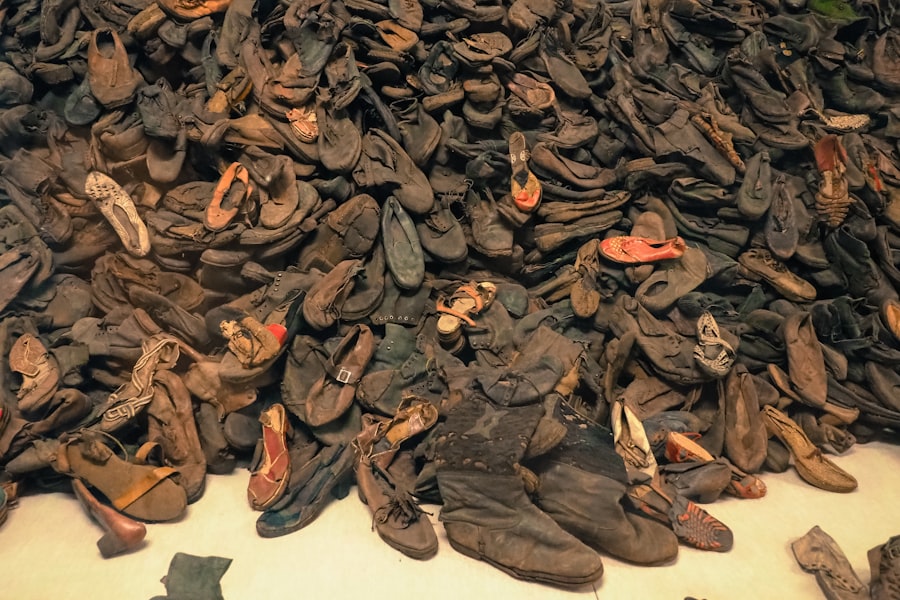
Initially, Nazi Germany achieved remarkable military successes, conquering much of Europe with its innovative Blitzkrieg (lightning war) tactics. However, the tide began to turn as the Allied powers rallied and Germany stretched its resources too thin, locked in a two-front war.
The Eastern Front and the Battle of Stalingrad
The invasion of the Soviet Union in June 1941, Operation Barbarossa, marked a turning point in the war. The vast distances, severe Russian winter, and fierce Soviet resistance, particularly at the Battle of Stalingrad in 1942-1943, crippled the German war machine. Stalingrad became a cauldron of attrition, swallowing hundreds of thousands of German soldiers and resources, and marked the first major turning point on the Eastern Front.
Allied Air Campaigns and the “Total War”
While the Eastern Front consumed vast resources, the Western Allies launched devastating strategic bombing campaigns against German cities and industrial centers, aiming to cripple their war production and civilian morale. Germany itself entered a state of “total war,” with all national resources directed towards the war effort. Civilian life became increasingly harsh, characterized by shortages, rationing, and constant air raids.
D-Day and the Collapse of the Western Front
The D-Day landings on June 6, 1944, saw the Allied forces establish a foothold in Normandy, opening a crucial second front in Western Europe. Over the next year, the Western Allies pushed eastward, while the Soviets advanced from the east, slowly but surely squeezing Nazi Germany in a vice. The Battle of the Bulge in late 1944, a desperate German counteroffensive, ultimately failed to halt the Allied advance.
Nazi Germany, a regime known for its totalitarian control and aggressive expansionism, has been the subject of extensive historical analysis. One particularly insightful article explores the social dynamics and propaganda techniques employed by the Nazis to maintain their grip on power. For those interested in understanding the complexities of this dark chapter in history, you can read more about it in this detailed examination of the era.
The End of the Thousand-Year Reich and its Legacy
| Metric | Value | Notes |
|---|---|---|
| Period of Rule | 1933-1945 | From Hitler’s appointment as Chancellor to the end of WWII in Europe |
| Leader | Adolf Hitler | Führer of Nazi Germany |
| Population (1939) | ~70 million | Approximate population of Germany before WWII |
| Military Size (1939) | ~3.7 million | Size of the Wehrmacht at the start of WWII |
| Holocaust Victims | ~6 million Jews | Estimated number of Jewish people murdered |
| Other Victims of Nazi Persecution | Millions | Including Romani people, disabled individuals, Poles, Soviet POWs, and others |
| GDP Growth Rate (1933-1938) | ~5-8% annually | Economic recovery largely due to rearmament and public works |
| Unemployment Rate (1933) | ~30% | High unemployment before Nazi economic policies |
| Unemployment Rate (1938) | Significant reduction due to government programs and militarization | |
| Territorial Expansion | Austria, Sudetenland, Czechoslovakia, Poland (partial) | Annexations and invasions before and during WWII |
By the spring of 1945, Nazi Germany was on the brink of collapse. Its cities lay in ruins, its armies were shattered, and its leader, Adolf Hitler, clung to power in a subterranean bunker in Berlin.
The Fall of Berlin and Hitler’s Suicide
The Soviet Red Army, after years of brutal fighting, finally encircled Berlin in April 1945. As the Soviets closed in, Hitler, refusing to surrender, committed suicide on April 30, 1945. His death signaled the end of the “Thousand-Year Reich,” which had lasted a mere twelve years.
Unconditional Surrender and the Nuremburg Trials
On May 8, 1945, Germany formally surrendered unconditionally to the Allied powers, bringing an end to World War II in Europe. The subsequent Nuremberg Trials brought leading Nazi figures to justice for war crimes, crimes against humanity, and crimes against peace, establishing crucial precedents in international law. These trials served as a crucial reckoning for the perpetrators of unspeakable atrocities.
The Division of Germany and the Cold War
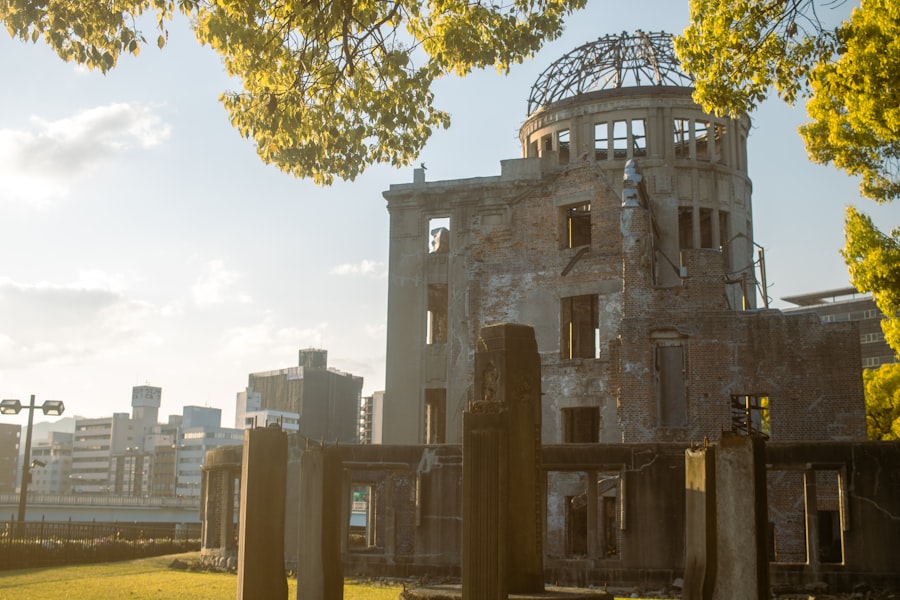
The defeat of Nazi Germany led to its occupation and eventual division into East and West Germany, a key factor in the onset of the Cold War. The geopolitical landscape of Europe was redrawn, and the world grappled with the profound implications of the Nazi era. The legacy of Nazi Germany continues to cast a long shadow, reminding us of the destructive power of hatred, the importance of vigilance against extremism, and the imperative to defend democratic values and human rights. Understanding this period is not merely an academic exercise; it is a moral imperative to ensure such atrocities are never repeated.
WATCH NOW ▶️ The Shocking Nazi-Zionist Deal of 1933: The Havara Agreement 🤯
FAQs
What was Nazi Germany?
Nazi Germany refers to the period from 1933 to 1945 when Germany was governed by Adolf Hitler and the National Socialist German Workers’ Party (NSDAP). It was characterized by totalitarian rule, aggressive expansionism, and the implementation of fascist policies.
Who was Adolf Hitler?
Adolf Hitler was the leader of the Nazi Party and the dictator of Germany from 1933 until his death in 1945. He initiated World War II and was responsible for the Holocaust, which led to the genocide of six million Jews and millions of other victims.
What were the main goals of Nazi Germany?
The main goals of Nazi Germany included establishing a totalitarian state, promoting Aryan racial supremacy, expanding German territory (Lebensraum), and eliminating perceived enemies such as Jews, communists, and other minority groups.
What led to the rise of Nazi Germany?
The rise of Nazi Germany was influenced by factors such as the economic hardships following World War I, the Treaty of Versailles’ harsh terms, political instability, and widespread nationalist sentiment. These conditions allowed Hitler and the Nazi Party to gain popular support.
What was the outcome of Nazi Germany’s rule?
Nazi Germany’s rule ended with its defeat in World War II in 1945. The regime caused immense destruction, loss of life, and human rights atrocities. After the war, Germany was divided, and many Nazi leaders were prosecuted for war crimes during the Nuremberg Trials.