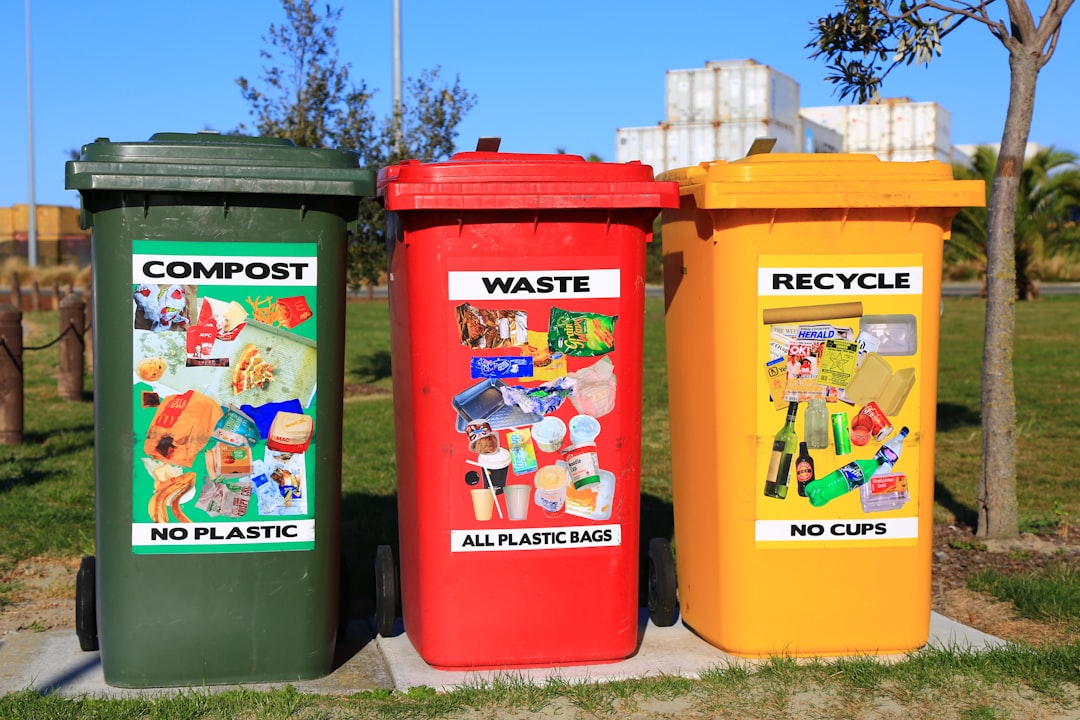
Recycling has long been heralded as a panacea for the environmental challenges posed by waste. Many individuals believe that simply tossing items into a recycling bin absolves them of any further responsibility regarding their consumption habits. However, this perception is misleading. The reality is that recycling is not a flawless solution; it is a complex process fraught with limitations and challenges. While recycling can reduce the volume of waste sent to landfills and conserve natural resources, it is not a catch-all remedy for the environmental crisis. Understanding the nuances of recycling is essential for fostering a more sustainable future. Moreover, the myth of recycling often leads to complacency among consumers. Many people assume that their efforts to recycle are sufficient, neglecting the importance of reducing consumption and reusing materials. This mindset can perpetuate a cycle of overconsumption, where individuals feel justified in their purchasing habits because they believe they can simply recycle what they no longer need. In truth, the most effective way to address waste and environmental degradation is to prioritize reduction and reuse over recycling. By recognizing the limitations of recycling, individuals can take more meaningful steps toward sustainability.
Key Takeaways
- Recycling faces significant challenges due to sorting difficulties and contamination, reducing its effectiveness.
- The global recycling market is complex, influenced by economic factors that affect how materials are processed and valued.
- Many plastics cannot be fully recycled, leading to environmental concerns about their true sustainability.
- E-waste often ends up in improper disposal sites, highlighting the need for better management of electronic waste.
- Reducing and reusing materials are crucial strategies that complement recycling to minimize environmental impact.
Sorting and Contamination: The Challenges of Recycling
One of the most significant challenges facing recycling programs is the issue of sorting and contamination. When recyclables are mixed with non-recyclable materials, it complicates the recycling process and can lead to entire batches of materials being deemed unusable. Contamination can occur in various forms, from food residue on containers to the inclusion of non-recyclable plastics in recycling bins.
This contamination not only hampers the efficiency of recycling facilities but also increases operational costs, as workers must spend additional time sorting through materials to ensure quality. The consequences of contamination extend beyond operational inefficiencies; they can also undermine public trust in recycling programs. When consumers see that their efforts to recycle are thwarted by contamination issues, they may become disillusioned and less likely to participate in recycling initiatives.
This cycle can lead to decreased recycling rates and increased waste in landfills. To combat these challenges, education and awareness campaigns are essential. By informing the public about proper recycling practices and the importance of clean materials, communities can work together to improve the effectiveness of their recycling programs.
The Global Recycling Market: Understanding the Economics

The global recycling market operates within a complex web of economic factors that influence its viability and effectiveness. The demand for recycled materials fluctuates based on market conditions, technological advancements, and regulatory changes. For instance, when oil prices are low, the cost of producing new plastic may be cheaper than recycling existing plastic, leading to decreased demand for recycled materials.
This economic reality poses significant challenges for recycling programs, as they often rely on stable markets to sustain their operations. Additionally, the economics of recycling are further complicated by international trade dynamics. Many countries export their recyclables to other nations for processing, which can create a reliance on foreign markets.
However, this practice has come under scrutiny due to concerns about environmental standards and labor practices in importing countries.
Understanding these economic factors is crucial for policymakers and consumers alike as they navigate the complexities of recycling in an interconnected world.
The Truth about Plastic: Can it Really Be Recycled?
Plastic has become synonymous with modern convenience, but its recyclability is often overstated. While certain types of plastic can be recycled, many cannot be processed effectively due to their chemical composition or contamination issues. For instance, single-use plastics like straws and plastic bags are notoriously difficult to recycle and often end up in landfills or oceans.
Even when plastics are labeled as recyclable, the reality is that only a small percentage actually makes it through the recycling process and is transformed into new products. Moreover, the notion that plastic can be endlessly recycled is a misconception. Most plastics degrade in quality each time they are recycled, leading to a phenomenon known as downcycling.
This means that while plastic may be recycled into new products, those products often have limited lifespans and cannot be recycled again in the same way. As a result, the accumulation of plastic waste continues to pose significant environmental challenges. To address this issue, it is essential for consumers to rethink their relationship with plastic and consider alternatives that prioritize sustainability over convenience.
The Reality of Paper Recycling: Is it as Sustainable as We Think?
| Metric | Value | Details |
|---|---|---|
| Percentage of Plastic Actually Recycled | 9% | Only 9% of all plastic waste is effectively recycled globally. |
| Percentage of Plastic Sent to Landfills or Oceans | 79% | Majority of plastic waste ends up in landfills or oceans, not recycled. |
| Recycling Rate of PET Bottles | 30% | Only about 30% of PET plastic bottles are recycled in the US. |
| Contamination Rate in Recycling Bins | 25% | Approximately 25% of materials in recycling bins are contaminated and not recyclable. |
| Energy Saved by Recycling Aluminum | 95% | Recycling aluminum saves up to 95% of the energy compared to producing new aluminum. |
| Myth: All Plastic is Recyclable | False | Many plastics are not recyclable due to chemical composition or contamination. |
Paper recycling is often viewed as a straightforward and environmentally friendly process; however, it too has its complexities. While recycling paper can save trees and reduce landfill waste, the process is not without its environmental costs. The production of recycled paper requires significant amounts of water and energy, and the chemicals used in de-inking can pose environmental hazards if not managed properly.
Furthermore, not all paper products are recyclable; items coated with plastic or treated with chemicals may end up contaminating entire batches. Additionally, the demand for recycled paper has fluctuated in recent years due to changes in consumer behavior and digitalization trends. As more people turn to digital formats for communication and documentation, the need for paper products has diminished, impacting the economics of paper recycling.
This shift raises questions about the long-term sustainability of paper recycling initiatives and whether they can adapt to changing market conditions. To ensure that paper recycling remains a viable option, it is crucial for consumers to be mindful of their paper usage and support sustainable practices within the industry.
The Impact of E-Waste: Where Do Your Electronics Really End Up?
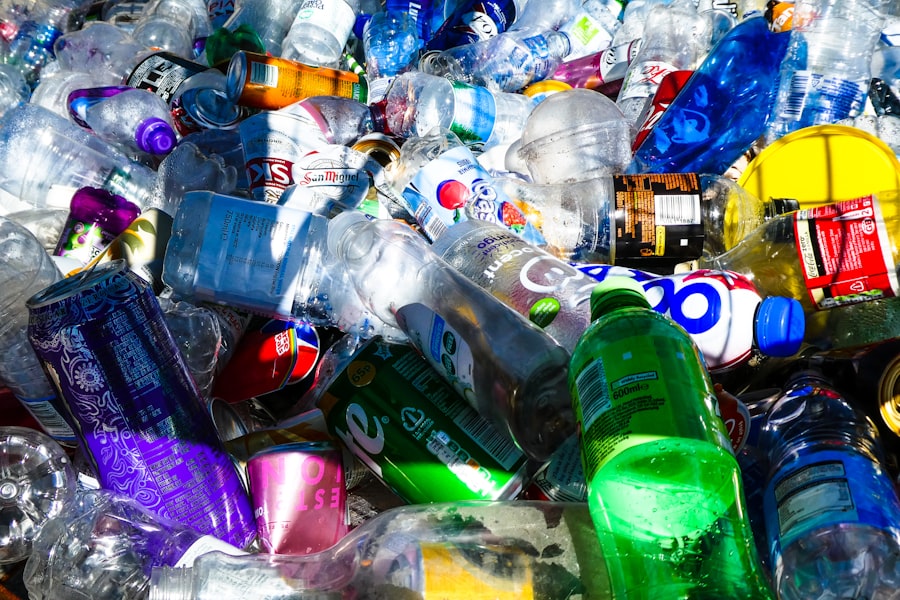
E-waste, or electronic waste, represents one of the fastest-growing waste streams globally. As technology advances at an unprecedented pace, consumers frequently upgrade their devices, leading to an increase in discarded electronics. Unfortunately, many people remain unaware of the environmental impact of e-waste disposal.
Improperly discarded electronics can release toxic substances into the environment, posing risks to both human health and ecosystems. The journey of e-waste often involves complex supply chains that can lead to unethical practices in developing countries where discarded electronics are sent for processing. In many cases, these countries lack adequate regulations for handling hazardous materials, resulting in dangerous working conditions for laborers who dismantle electronics without proper safety measures.
To combat this issue, it is essential for consumers to understand the importance of responsible e-waste disposal and seek out certified e-waste recycling programs that prioritize environmental safety and ethical practices.
The Role of Waste Management Companies: How Do They Handle Recyclables?
Waste management companies play a crucial role in the recycling process by collecting, sorting, and processing recyclables from households and businesses. These companies are tasked with ensuring that materials are properly handled and diverted from landfills whenever possible. However, their operations are not without challenges; they must navigate fluctuating market demands, contamination issues, and regulatory requirements while striving to maintain efficiency.
To effectively manage recyclables, waste management companies employ various technologies and processes designed to streamline sorting and processing. Advanced sorting systems utilize optical sensors and artificial intelligence to identify different materials quickly and accurately. Despite these innovations, human oversight remains essential in ensuring quality control throughout the recycling process.
By understanding the role of waste management companies in recycling efforts, consumers can better appreciate the complexities involved in turning recyclables into new products.
The Environmental Cost of Shipping Recyclables Overseas
The practice of shipping recyclables overseas has become increasingly common as countries seek cost-effective solutions for processing waste materials. However, this approach raises significant environmental concerns that cannot be overlooked.
Furthermore, exporting recyclables can create a reliance on foreign markets that may not adhere to stringent environmental standards or labor practices. This reliance raises ethical questions about where recyclables ultimately end up and how they are processed once they reach their destination. To mitigate these concerns, it is essential for countries to invest in domestic recycling infrastructure that prioritizes local processing capabilities while minimizing transportation-related emissions.
The Future of Recycling: Innovations and Solutions
As society grapples with the challenges posed by waste management and recycling inefficiencies, innovative solutions are emerging on multiple fronts. Advances in technology are paving the way for more efficient sorting processes, improved material recovery rates, and enhanced product design that prioritizes recyclability from the outset. For instance, researchers are exploring biodegradable alternatives to traditional plastics that could reduce reliance on fossil fuels while minimizing environmental impact.
Additionally, circular economy principles are gaining traction as businesses seek ways to design products with end-of-life considerations in mind. By adopting practices that prioritize reuse and resource recovery, companies can contribute to a more sustainable future while reducing waste generation at its source. As these innovations continue to evolve, they hold promise for transforming the landscape of recycling into a more effective and environmentally responsible system.
The Importance of Reducing and Reusing: Alternatives to Recycling
While recycling plays a vital role in waste management efforts, it should not be viewed as the sole solution to environmental challenges. Reducing consumption and reusing materials are equally important strategies that can significantly lessen waste generation at its source. By prioritizing reduction—whether through mindful purchasing decisions or opting for minimal packaging—individuals can help decrease overall demand for new products.
Reusing items extends their lifespan and reduces the need for new resources altogether. Thrift stores, community exchanges, and repair initiatives promote a culture of reuse that benefits both consumers and the environment. By embracing these alternatives alongside recycling efforts, individuals can contribute to a more sustainable future while fostering a sense of community around resource sharing.
Taking Action: What You Can Do to Make a Difference
Individuals have the power to make meaningful changes in their consumption habits that contribute positively to environmental sustainability. Educating oneself about proper recycling practices is an essential first step; understanding what materials can be recycled and how to prepare them for collection can significantly improve recycling rates within communities. Additionally, advocating for local policies that support sustainable waste management practices can amplify individual efforts on a larger scale.
Moreover, individuals can take proactive steps by reducing their reliance on single-use plastics and opting for reusable alternatives whenever possible. Supporting businesses that prioritize sustainability through eco-friendly practices sends a powerful message about consumer preferences while encouraging others to follow suit. By taking action at both personal and community levels, individuals can play an integral role in shaping a more sustainable future for generations to come.
In recent discussions about the effectiveness of recycling programs, the article titled “Recycling Lies Exposed” sheds light on the misconceptions surrounding recycling practices and their actual impact on the environment. For a deeper understanding of this topic, you can read more in the related article available at Hey Did You Know This. This resource provides valuable insights into the realities of recycling and encourages readers to think critically about their waste management habits.
WATCH THIS! 🚨 THE RECYCLING LIE: How Big Oil Fooled the World for 50 Years 🚨
FAQs
What is the main claim of the article “Recycling Lie Exposed”?
The article claims that common beliefs about recycling may be misleading or false, exposing inaccuracies in how recycling processes and their benefits are portrayed.
Does the article suggest that recycling is ineffective?
The article highlights certain inefficiencies and challenges in recycling systems but does not categorically state that recycling is entirely ineffective. It emphasizes the need for improved practices and transparency.
What are some common misconceptions about recycling mentioned?
Common misconceptions include the belief that all recycled materials are effectively reused, that recycling significantly reduces waste without limitations, and that all types of plastics and materials are equally recyclable.
Why is recycling sometimes considered a “lie” according to the article?
Recycling is sometimes called a “lie” because the public may be misled about the extent of recycling’s environmental benefits, the actual processing of materials, and the economic viability of recycling certain products.
What materials are often not recycled as people think?
Materials such as certain plastics, mixed materials, and contaminated recyclables often do not get recycled as expected and may end up in landfills or incinerators.
How can consumers better understand recycling practices?
Consumers can educate themselves by researching local recycling guidelines, understanding which materials are accepted, and supporting policies that improve recycling infrastructure and transparency.
Does the article provide solutions to improve recycling?
Yes, it suggests enhancing recycling technology, increasing public awareness, reducing contamination in recycling streams, and promoting waste reduction alongside recycling efforts.
Is recycling still beneficial despite the issues raised?
Recycling remains beneficial in reducing waste and conserving resources, but its effectiveness depends on proper sorting, processing, and systemic improvements highlighted in the article.