You’ve probably experienced it. That low, grinding hum that starts subtly, almost dismissible, then escalates into a full-blown roar during the spin cycle. The washing machine, once a paragon of domestic convenience, is now signaling its impending doom. The culprit? Nine times out of ten, it’s the washing machine bearings. You might think of them as an obscure, internal component, but their failure is the primary driver behind the rapid deterioration and eventual demise of your trusty appliance. Understanding why these bearings succumb so quickly is crucial to appreciating the lifespan of your washing machine and the potential frustrations that await.
Before you can grasp their quick deterioration, you must first understand what these bearings actually do. They are the unsung heroes of your washing machine, essential cogs in the complex machinery that transforms soiled clothes into clean ones. Without them, the entire operation would grind to a halt – quite literally.
The Role of Bearings in the Washing Cycle
Imagine the inner workings of your washing machine. At its heart lies a drum, responsible for tumbling your clothes through water and detergent. This drum doesn’t just float; it’s attached to a motor and suspended within the main tub. The bearings act as precision-engineered interfaces, allowing the drum to rotate smoothly and efficiently.
Enabling Smooth Rotation
Your washing machine operates in cycles of agitation and high-speed spinning. During agitation, the drum moves back and forth, creating the mechanical action that loosens dirt. Then comes the spin cycle, where the drum rotates at hundreds, sometimes even thousands, of revolutions per minute to extract water. This rapid rotation puts immense stress on the components. The bearings, typically consisting of metal balls or rollers encased in a race, are designed to minimize friction between the rotating shaft (connected to the drum) and the stationary part of the machine. They facilitate this high-speed rotation with minimal resistance, ensuring energy efficiency and preventing excessive heat buildup.
Supporting the Drum’s Weight and Forces
Beyond their role in enabling rotation, bearings are also structural supports. The drum, filled with wet laundry, can be incredibly heavy. During the spin cycle, centrifugal forces generate significant outward pressure. The bearings absorb and manage these forces, preventing the drum shaft from wobbling or bending. They ensure that the drum remains precisely aligned within the tub, preventing contact with the outer casing, which would lead to catastrophic damage.
The Types of Bearings in Your Washing Machine
While the fundamental principle of bearing function remains the same, washing machines often employ specific types designed for their unique demands.
Ball Bearings vs. Roller Bearings
Most modern washing machines utilize ball bearings. These are characterized by spherical balls positioned between two rings (races). The small contact area of the balls allows for high-speed rotation and relatively low friction. In some older or heavy-duty models, you might encounter roller bearings, which use cylindrical rollers. These offer a larger contact area, capable of supporting greater radial loads, but may be less suited for the extreme rotational speeds found in many modern washing machines. The choice of bearing type is a design consideration, influenced by factors like load capacity, speed requirements, and manufacturing costs.
The Importance of Seals
Crucial to the longevity of any bearing, especially in a water-rich environment like a washing machine, are the seals. These are typically rubber or felt components that fit snugly around the bearing. Their primary function is to keep contaminants – water, detergent residue, lint, and debris – out of the bearing and to retain the lubricating grease within. The integrity of these seals is paramount. When they fail, the ingress of water is almost immediate, and the lubricant is washed away.
Washing machine bearings can fail prematurely due to several factors, including poor maintenance, overloading, and exposure to moisture. Understanding these causes can help users prolong the lifespan of their appliances. For a deeper insight into the reasons behind washing machine bearing failures and tips on how to prevent them, you can read a related article at this link.
The Assault: Factors Contributing to Bearing Deterioration
Given their critical role and the harsh environment they operate in, it’s no surprise that washing machine bearings are susceptible to rapid wear and tear. Several factors, often interacting with each other, accelerate their demise.
The Inherent Nature of the Environment
You’re washing clothes. This means water. Lots of water. And detergent. And often, fabric softener. This constant exposure to moisture and chemical agents is a significant challenge for any mechanical component.
Constant Exposure to Water and Detergents
Water, even when clean, can penetrate bearing seals over time, especially if those seals are not in perfect condition. Once water enters, it begins to corrode the metal components of the bearing. The lubricating grease, essential for smooth operation and preventing metal-on-metal contact, is emulsified and washed away by the water. Detergents and fabric softeners, with their various chemical compositions, can further exacerbate this process. Some chemicals can degrade the grease, while others can actively contribute to corrosion. Think of it as a slow, relentless chemical attack on the delicate metal surfaces.
Accumulation of Lint and Debris
During the wash and spin cycles, lint from your clothes is shed. This lint, along with other small debris like small coins, buttons, or even hairpins that manage to escape pockets, can find its way into the bearing housing. This debris acts as an abrasive, grinding away at the bearing surfaces and the seals. Over time, this causes wear, creating gaps that allow even more water and dirt to ingress, creating a vicious cycle of deterioration.
Stress and Overload During Operation
Washing machines are designed for specific load capacities. Exceeding these limits, either intentionally or unintentionally, places undue stress on all components, but the bearings bear a significant portion of this burden.
Overloading the Drum
You might be tempted to cram that extra set of sheets or that thick duvet into your machine. While visually it might seem to fit, the internal stresses created by an overloaded drum are immense. The motor has to work harder, the drum shaft is subjected to greater forces, and the bearings are strained to their limits. This excessive strain can lead to premature wear on the bearing races and balls. Imagine trying to spin a heavy object very quickly – the faster it spins, the more force is required, and the more pressure is applied to the point of rotation.
Imbalance During Spin Cycles
An unbalanced load is a common culprit for bearing damage. If your laundry isn’t distributed evenly, especially during the high-speed spin cycle, the drum will vibrate excessively. This violent shaking sends shockwaves through the machine, and the bearings are directly impacted. This constant, jarring impact can quickly wear down the bearing races and loosen the internal components. You might notice this as a more pronounced thumping or banging sound during the spin cycle, distinct from the normal whirring.
Wear and Tear Over Time
Even with perfect operation and adherence to load limits, mechanical components eventually succumb to the rigors of time and use. Bearings are no exception.
Natural Lubricant Degradation
The grease within bearings is not designed to last forever. Over thousands of cycles, it can break down, lose its viscosity, and become less effective at lubrication. Heat generated during operation also contributes to lubricant degradation. As the grease deteriorates, friction increases, leading to higher temperatures and accelerated wear of the metal components. Think of it like engine oil – it needs to be changed periodically to maintain optimal performance.
Fatigue of Metal Components
The constant cyclical stress from rotation and vibration can lead to metal fatigue in the bearing components. Tiny cracks can form and propagate over time, eventually leading to failure. This process is accelerated by any existing imperfections, corrosion, or excessive load. It’s akin to repeatedly bending a paperclip – eventually, it will break.
The Audible Alarm: Signs of Bearing Deterioration
Fortunately, your washing machine often gives you ample warning before its bearings completely fail. Recognizing these signs is key to addressing the issue before it leads to more extensive damage.
The Symphony of Sounds
The most common and unmistakable indicator of failing bearings is the sound they produce. This isn’t a subtle change; it’s a dramatic escalation.
The Grinding and Roaring Noise
As the protective grease is depleted and the metal surfaces of the bearings begin to rub against each other, a distinct grinding or roaring sound emerges. This sound typically starts as a low hum or growl, often noticeable only during the spin cycle. As the wear progresses, the noise becomes louder, harsher, and more persistent. It can evolve into a loud, metallic grinding or a deep roar that fills your laundry room. The intensity of the sound is usually directly proportional to the severity of the bearing damage.
The Clanking and Thumping During Spin
When bearings become significantly worn or loose, they can contribute to a clanking or thumping sound, especially during the high-speed spin cycle. This is often due to the drum shaft not being held perfectly stable, allowing for slight movements that result in impact noises. If you hear a rhythmic banging that seems to sync with the drum’s rotation, your bearings are likely past their prime.
Visual and Physical Indicators
Beyond the auditory cues, you might also notice some physical signs that point towards bearing issues.
Excessive Drum Wobble
Gently try to move the drum of your washing machine when it’s in its resting state. If you can easily move it excessively from side to side, or if it feels loose and unstable, this is a strong indication of worn or damaged bearings. The drum should feel firmly anchored, with minimal play. Significant wobble suggests that the bearings are no longer providing adequate support.
Leaks Around the Drum Seal
Water or a greasy residue leaking from around the central seal of the drum can also be a sign of bearing trouble. When the bearings degrade, they can cause the drum shaft to shift slightly, compromising the integrity of the main seal. This allows water from the tub to escape, and potentially allows more water to reach the damaged bearings.
The Cascade Effect: How Bearing Failure Impacts Other Components
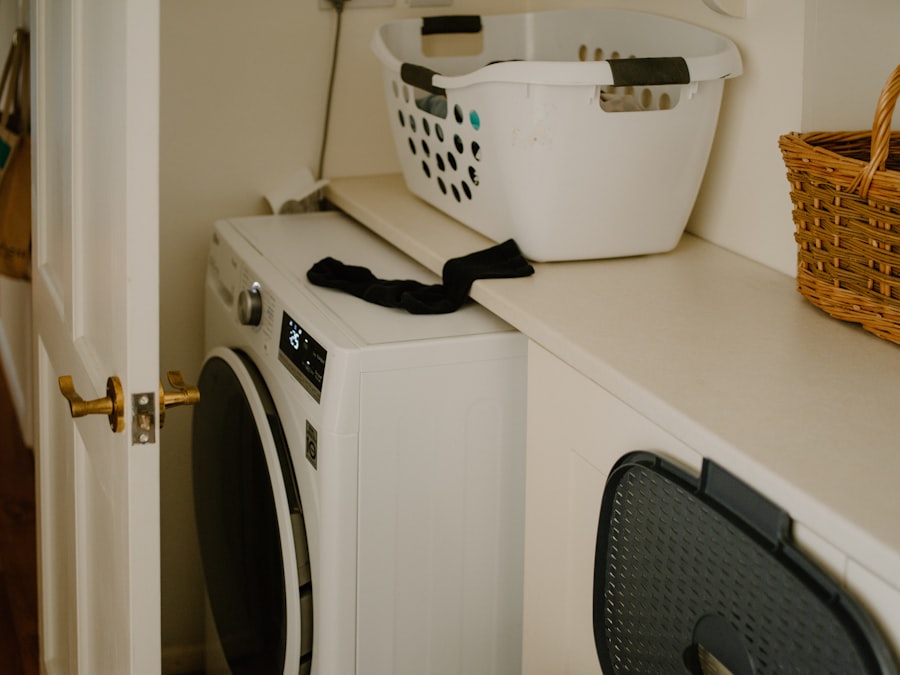
The failure of washing machine bearings isn’t an isolated event. It initiates a chain reaction that can lead to the swift and often irreparable damage of other, more expensive components.
The Motor Under Strain
The motor is the powerhouse of your washing machine. But when the bearings are failing, the motor is forced to work overtime.
Increased Friction and Heat
As mentioned, worn bearings create increased friction. This friction doesn’t just affect the bearings themselves; it transmits increased resistance to the motor shaft. The motor has to exert more torque and power to overcome this resistance, leading to elevated operating temperatures. Prolonged exposure to excessive heat can degrade the motor’s windings and control electronics, leading to burnout.
Vibrations Transmitted to the Motor
The excessive vibrations caused by failing bearings are also transmitted directly to the motor. This constant jarring can loosen motor mounts, damage internal motor components, and eventually lead to motor failure. The motor is designed to spin smoothly; it’s not built to withstand the kind of violent shaking that accompanies severely damaged bearings.
Damage to the Drum and Outer Tub
The structural integrity of your washing machine is also at risk when the bearings give out.
Drum Shaft Bending or Breaking
In extreme cases of bearing failure, the stress on the drum shaft can become so great that it begins to bend or even break. This is a catastrophic failure that will almost certainly render the washing machine irreparable. Even before a complete break, a bent shaft can cause the drum to scrape against the outer tub, creating significant damage.
Punctures and Cracks in the Outer Tub
When the drum shaft is unstable due to failing bearings, the rotating drum has a higher chance of coming into contact with the stationary outer tub. This can lead to punctures, cracks, and significant damage to the plastic or metal of the outer tub, which is a crucial structural element of the machine. Repairing a cracked outer tub is often prohibitively expensive, if not impossible.
Impact on Drive Belts and Pulleys
Many washing machines use a drive belt to connect the motor to the drum. Failing bearings can also lead to the premature demise of these components.
Premature Wear of Drive Belts
The increased resistance from failing bearings means the drive belt has to work harder. This increased tension and friction can cause the belt to stretch, fray, and eventually snap. A broken drive belt will prevent the drum from rotating altogether, effectively disabling the machine.
Damage to Pulley Systems
The pulleys connected to the motor and drum shaft also bear the brunt of the stress and vibrations. Worn bearings can cause these pulleys to become misaligned or develop flat spots, further exacerbating the strain on the drive belt and potentially damaging the pulley bearings themselves.
Washing machine bearings can fail prematurely due to several factors, including poor maintenance, excessive load, and exposure to moisture. A related article discusses common causes of washing machine issues and offers tips on how to extend the lifespan of your appliance. For more insights on this topic, you can read the article here. Understanding these factors can help you take better care of your washing machine and prevent costly repairs.
The Inevitable Conclusion: Repair vs. Replacement
| Reasons for Washing Machine Bearings Failure | Metrics |
|---|---|
| Overloading | Number of times the machine is overloaded per month |
| Low-Quality Bearings | Percentage of machines with low-quality bearings |
| High-Speed Spin Cycles | Average speed of spin cycles in RPM |
| Water Leakage | Frequency of water leakage incidents |
| Poor Maintenance | Number of maintenance checks per year |
When those tell-tale grinding noises start, you’re faced with a critical decision: attempt a repair, or resign yourself to the inevitable and replace the entire unit. The swift deterioration of washing machine bearings often makes this a straightforward, albeit potentially expensive, calculation.
The Complexity and Cost of Bearing Replacement
Replacing washing machine bearings is often not a simple DIY task. It requires a degree of technical skill, specialized tools, and a willingness to disassemble a significant portion of the appliance.
Disassembly and Reassembly Challenges
Accessing the bearings typically involves removing the outer panels, the motor, the drive belt, and often the entire tub assembly. This can be a time-consuming and intricate process. Many modern washing machines are designed with compact, integrated components, making it difficult to reach and remove the bearings without specialized knowledge. Reassembling everything correctly can also be a challenge, and a single misplaced screw or improperly connected wire can lead to further problems.
The Cost of Parts and Labor
While individual bearings themselves might not be exorbitantly expensive, the cost can quickly escalate when you factor in the labor involved, especially if you’re paying a technician. Often, the quoted price for a bearing replacement can approach, or even exceed, the cost of a new, entry-level washing machine. This is particularly true when the technician discovers additional damage caused by the bearing failure during the repair process.
When Replacement Becomes the Logical Choice
In many scenarios, the cost and effort involved in repairing a washing machine with failed bearings simply don’t make economic sense.
Age and Overall Condition of the Machine
If your washing machine is already several years old and has a history of other minor issues, the expense of a bearing repair might be better invested in a new, more reliable appliance. You might be repairing one problem only to have another component fail shortly thereafter. Consider the overall lifespan of the machine; if it’s nearing the end of its expected service life, a major repair is rarely a prudent investment.
The Presence of Secondary Damage
As detailed earlier, bearing failure often triggers a cascade of damage to other components like the motor, tub, or drive system. If these parts are already compromised, the cost of repairing all the affected elements can quickly become prohibitive. In such cases, replacement is almost always the more sensible and cost-effective option. The diagnostic process for a technician will reveal the extent of this collateral damage, allowing you to make an informed decision.
Proactive Maintenance: A Smarter Approach?
While bearing failure is often seen as an inevitable consequence of wear and tear, there are steps you can take to potentially prolong their lifespan and delay the inevitable.
Regularly Inspecting for Signs of Wear
Periodically listening to your washing machine during its cycles and performing the simple drum wobble test can help you catch bearing issues early. Addressing a slight wobble before it becomes severe might prevent further damage.
Avoiding Overloading and Imbalance
Consistently adhering to the manufacturer’s recommended load capacity and ensuring loads are balanced can significantly reduce the stress placed on the bearings and other mechanical components. Even simple actions like distributing clothes evenly can make a difference.
Using Appropriate Detergents and Additives
While it’s difficult to counteract the inherent water exposure, using high-quality detergents as recommended and avoiding excessive use of harsh chemical additives might offer a degree of protection against corrosive elements.
In conclusion, the rapid deterioration of washing machine bearings is a common and frustrating reality of modern appliance ownership. Understanding the factors that contribute to their failure, recognizing the warning signs, and making informed decisions about repair versus replacement will ultimately save you time, money, and a great deal of unnecessary hassle. You are, after all, only as good as your weakest link, and in the case of your washing machine, those seemingly insignificant bearings often prove to be that Achilles’ heel.
FAQs
1. What are washing machine bearings?
Washing machine bearings are small, circular metal balls that help the inner and outer tubs of the washing machine rotate smoothly during the wash cycle.
2. Why do washing machine bearings fail quickly?
Washing machine bearings can fail quickly due to a variety of reasons, including overloading the machine, using too much detergent, or not using the machine according to the manufacturer’s instructions.
3. How can I tell if my washing machine bearings are failing?
Signs of failing washing machine bearings include loud noises during the wash cycle, excessive vibration, and leaking water from the machine.
4. Can washing machine bearings be repaired?
In some cases, washing machine bearings can be repaired by a professional technician. However, in many cases, it may be more cost-effective to replace the entire tub assembly.
5. How can I prevent washing machine bearings from failing quickly?
To prevent washing machine bearings from failing quickly, it’s important to follow the manufacturer’s guidelines for loading the machine, using the correct amount of detergent, and performing regular maintenance such as cleaning the machine and checking for any signs of wear and tear.