The divergence between productivity growth and wage growth in many developed economies, particularly observed since the early 1970s, represents a significant economic phenomenon. This gap, often referred to as the productivity-wage gap, signifies that while the economy’s output per worker has increased, the compensation for those workers has not kept pace. This article will explore the evolution of this gap, its contributing factors, and its far-reaching implications, beginning with the shift that occurred around 1971 and continuing into the present day.
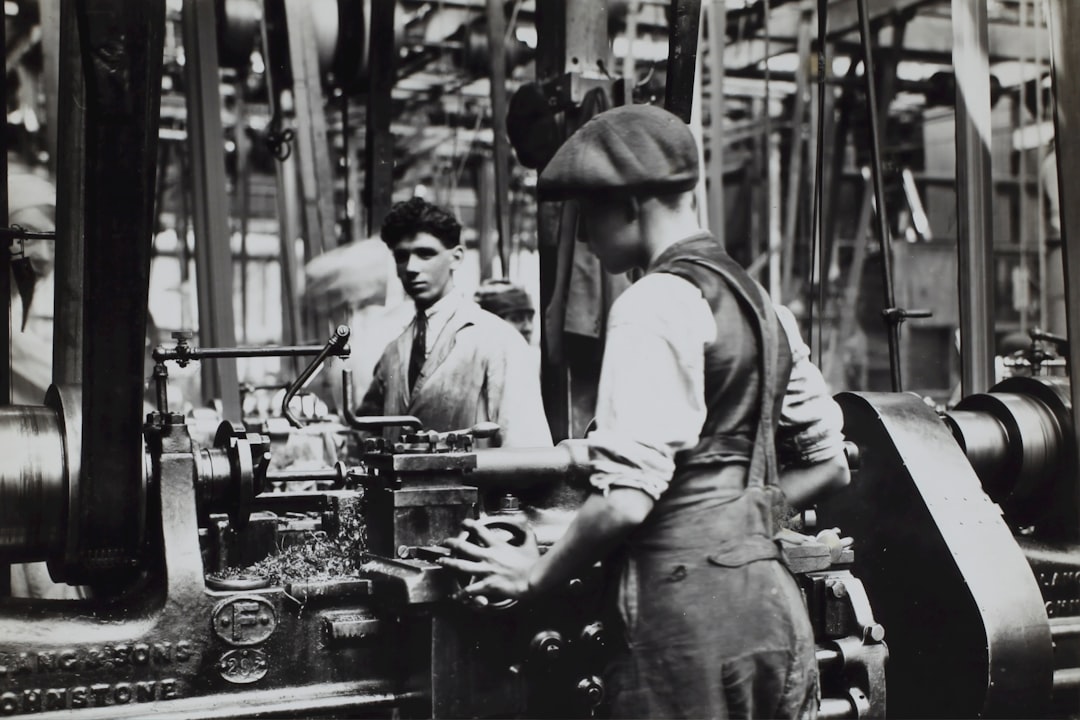
Between the end of World War II and the early 1970s, a period often characterized by robust economic expansion, a notable alignment existed between productivity growth and wage growth. This era, sometimes referred to as the “Golden Age of Capitalism,” witnessed a consistent rise in output per hour worked, and importantly, a corresponding increase in real wages for the majority of workers. This period laid the foundation for the middle-class prosperity enjoyed by many in Western nations.
Factors Contributing to the Alignment
Several key factors underpinned this harmonious relationship. The rapid adoption of new technologies, the expansion of education and skills training, and a relatively strong unionized workforce played crucial roles.
Technological Diffusion and Capital Deepening
The post-war period saw the widespread adoption of technologies that had been developed during and before the war. This included innovations in manufacturing, infrastructure, and agriculture. As businesses invested in these new tools and processes, the amount of capital available to each worker (capital deepening) increased, leading to higher output.
Human Capital Development
Investments in education and vocational training expanded significantly during this period. A more educated and skilled workforce was inherently more productive, capable of utilizing more advanced technologies and contributing to greater efficiency.
Labor Union Strength and Collective Bargaining
Labor unions played a significant role in ensuring that the gains from increased productivity were shared with workers. Through collective bargaining, unions were able to negotiate for higher wages, improved benefits, and better working conditions, effectively acting as a counterbalance to the rising power of capital.
The productivity versus wages gap has been a significant topic of discussion since 1971, highlighting the disparity between the growth of worker productivity and the stagnation of wages over the decades. For a deeper understanding of this issue, you can explore a related article that delves into the historical context and implications of this gap. To read more, visit this article which provides valuable insights into how these economic trends have shaped the labor market.
The Unraveling: The 1971inflection Point and Beyond
While the early 1970s are often cited as a turning point, the process of divergence was not sudden. It was more akin to a slow leak in a tire, initially barely noticeable, but gradually deflating the smooth ride of shared prosperity. The oil shocks of the 1970s, while significant, are not the sole culprits for the widening gap, but they marked a period of economic turbulence and shifting global dynamics. Concurrently, structural changes began to reshape the economic landscape, setting the stage for a widening chasm between what workers produced and what they earned.
Shifting Economic Structures
The transition from manufacturing-based economies to service-based economies, coupled with increasing globalization, began to alter the traditional relationship between labor and capital.
Deindustrialization and the Rise of the Service Sector
As manufacturing jobs declined in many Western countries due to automation, offshoring, and changing consumer demand, the labor market shifted towards the service sector. While the service sector can be highly productive, it also encompasses a wide range of jobs with vastly different skill requirements and compensation levels, leading to greater wage dispersion.
Globalization and Increased Competition
The accelerating pace of globalization led to increased international competition. Companies were able to seek out lower labor costs in other countries, putting downward pressure on wages for less skilled workers in developed nations. This created a dynamic where capital became more mobile and less tethered to specific national labor markets.
The Mechanics of the Gap: Where Did the Gains Go?
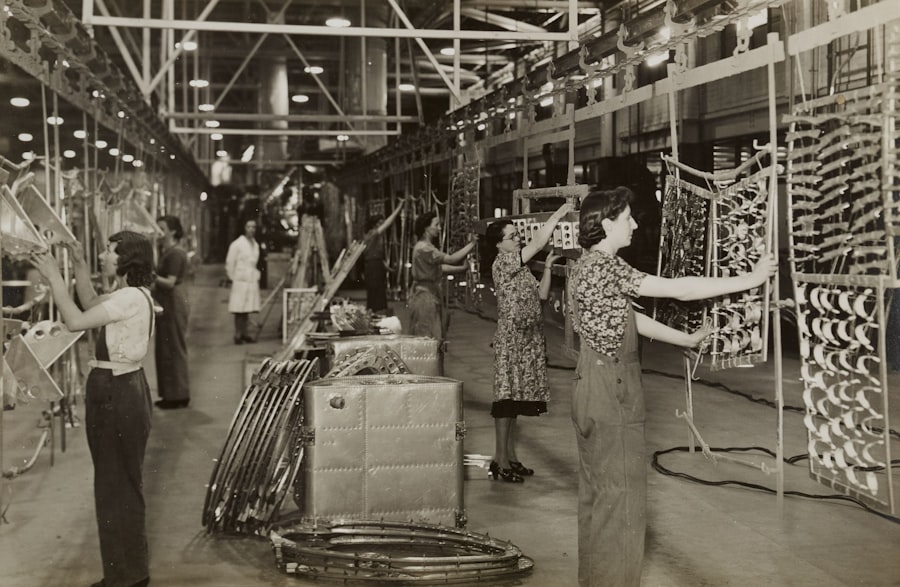
The question of where the gains from productivity growth have disappeared to is central to understanding the productivity-wage gap. While aggregate measures indicate continued increases in output per worker, a significant portion of these gains have not translated into commensurate increases in wages for the average worker.
The Role of Capital and Technology
The increasing returns to capital and the nature of technological advancement have played pivotal roles in this redistribution of economic gains. Technology, in many instances, has become a substitute for labor, rather than a pure complement.
Automation and Labor Substitution
Advances in automation and artificial intelligence have enabled businesses to achieve higher output with fewer human workers. This has particularly impacted routine tasks in both manufacturing and some service industries, leading to job displacement or wage stagnation for those whose skills are easily automated.
The “Winner-Take-All” Effect and Skill-Biased Technological Change
Technological progress has often been “skill-biased,” meaning it tends to disproportionately benefit highly skilled workers who can leverage new technologies to increase their productivity and earning potential. This creates a “winner-take-all” dynamic, where a smaller, highly skilled group captures a larger share of the economic pie, while the majority see their wages lag.
The Decline of Labor’s Bargaining Power
The weakening of organized labor and changes in corporate governance have also contributed to the disproportionate capture of productivity gains by capital.
Erosion of Union Membership and Influence
The decline in union membership and bargaining power in many developed countries has reduced workers’ collective ability to negotiate for a larger share of profits generated by their labor. This has shifted the balance of power further towards employers.
Shifting Corporate Norms and Shareholder Primacy
A greater emphasis on shareholder value and executive compensation, often disconnected from overall worker compensation, has become a dominant corporate norm. This prioritization can lead to decisions that favor capital returns over wage growth for the rank-and-file workforce.
Consequences of the Productivity-Wage Gap
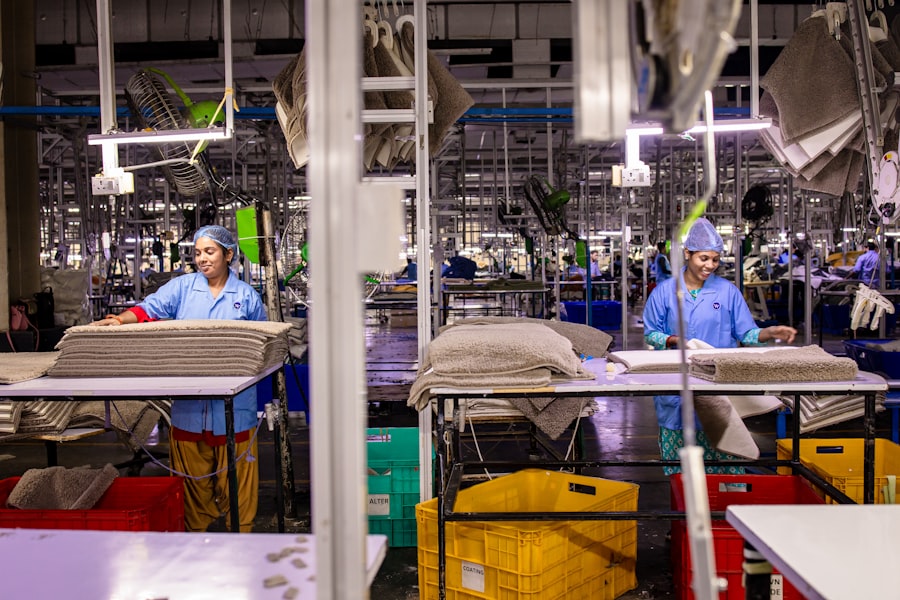
The widening gap between productivity and wages is not merely an academic curiosity; it has tangible and far-reaching consequences for individuals, communities, and the broader economy.
Impact on Income Inequality
The most direct consequence of the productivity-wage gap is the exacerbation of income inequality. As the top earners capture a larger share of economic growth, the gap between the rich and the rest widens, leading to a more stratified society.
The Hollowing Out of the Middle Class
For many, the dream of upward mobility and a secure middle-class lifestyle has become increasingly elusive. Stagnant wages, coupled with rising costs of living, have squeezed household budgets and eroded the economic foundation of the middle class.
Social and Political Ramifications
Rising inequality can have profound social and political ramifications, including increased social unrest, political polarization, and a decline in social cohesion. When a significant portion of the population feels left behind, it can erode trust in institutions and democratic processes.
Effects on Consumer Demand and Economic Growth
The productivity-wage gap can also act as a drag on overall economic growth by suppressing consumer demand.
Reduced Aggregate Consumption
With a larger portion of the population experiencing stagnant or declining real wages, their purchasing power diminishes. This reduced aggregate consumption can lead to slower economic growth as businesses face weaker demand for their goods and services.
The Paradox of Productivity
This situation presents a paradox: the very productivity gains that should fuel economic prosperity and widespread welfare are, in fact, contributing to economic stagnation for many, making it harder to generate the demand needed to absorb the increased output.
The productivity versus wages gap has been a significant topic of discussion since 1971, highlighting the disparity between the growth of worker output and the stagnation of wages. This issue raises important questions about economic equity and the distribution of wealth in society. For further insights into this ongoing debate, you can explore a related article that delves deeper into the implications of this gap and its effects on the workforce. To learn more, visit this informative article that sheds light on the historical context and current relevance of these economic trends.
Addressing the Productivity-Wage Gap: Pathways Forward
| Year | Productivity Index (1971=100) | Average Hourly Wages Index (1971=100) | Productivity to Wages Ratio |
|---|---|---|---|
| 1971 | 100 | 100 | 1.00 |
| 1980 | 120 | 110 | 1.09 |
| 1990 | 140 | 115 | 1.22 |
| 2000 | 170 | 130 | 1.31 |
| 2010 | 200 | 140 | 1.43 |
| 2020 | 230 | 150 | 1.53 |
Closing the productivity-wage gap is a complex challenge with no single, easy solution. It requires a multi-pronged approach involving policy interventions, corporate responsibility, and a renewed focus on human capital development.
Policy Levers and Government Intervention
Governments have a crucial role to play in rebalancing the economic playing field and ensuring that the benefits of productivity growth are more broadly shared.
Strengthening Labor Protections and Collective Bargaining
Policies that support the right to organize, bargain collectively, and protect workers from exploitation can help restore labor’s bargaining power. This could include modernizing labor laws and providing greater support for unionization efforts.
Investing in Education, Training, and Public Goods
Investing in accessible, high-quality education and lifelong learning opportunities is essential to equip workers with the skills needed for the evolving job market. Furthermore, robust investments in public goods such as infrastructure, healthcare, and affordable housing can indirectly boost living standards and improve overall well-being.
Rethinking Tax and Transfer Systems
Reforming tax policies to ensure that corporations and high earners contribute a fairer share can provide resources for public investments and social programs. Progressive taxation and robust social safety nets can help mitigate the effects of inequality.
Corporate Responsibility and Stakeholder Capitalism
Corporations themselves have a significant role to play in ensuring that their success is shared with their employees and communities.
Embracing Stakeholder Capitalism
Moving beyond a singular focus on shareholder value to embrace “stakeholder capitalism,” where the interests of employees, customers, communities, and the environment are also considered, can lead to more sustainable and equitable outcomes.
Fair Wage Policies and Profit Sharing
Adopting fair wage policies, including living wage initiatives and investing in employee training and development, can directly address the wage stagnation issue. Exploring profit-sharing models can also create a more direct link between company success and employee compensation.
The Future of Work and Inclusive Growth
As the economy continues to evolve, proactive strategies are needed to ensure that technological advancement benefits society as a whole.
Navigating the Automation Frontier
Developing policies and investments that help workers transition from jobs displaced by automation to new, emerging roles is critical. This requires anticipating future labor needs and providing relevant training and support.
Fostering Inclusive Innovation
Ensuring that innovation is “inclusive” means designing technologies and economic systems that create opportunities for a broad range of individuals and communities, rather than concentrating benefits in the hands of a few. This requires a conscious effort to consider the distributional consequences of technological change from the outset.
The productivity-wage gap is a defining economic challenge of our time, a consequence of shifts that began in earnest around 1971. Understanding its origins and mechanisms is the first step towards crafting effective solutions. The path forward requires a commitment to policies and practices that foster shared prosperity, ensuring that the engine of productivity drives not just economic growth, but also widespread well-being and opportunity for all.
FAQs
What is the productivity vs wages gap?
The productivity vs wages gap refers to the divergence between the growth of worker productivity and the growth of wages over time. While productivity measures the output per worker or per hour worked, wages represent the compensation workers receive. A gap occurs when productivity increases but wages do not rise at the same rate.
Why is the year 1971 significant in discussions about the productivity-wages gap?
The year 1971 is often cited as a turning point because it marks the beginning of a period when productivity growth in the United States continued to rise steadily, but median wages for workers largely stagnated. This divergence has been a focus of economic research and policy debates.
What factors have contributed to the productivity-wages gap since 1971?
Several factors have contributed, including globalization, technological changes, declining union membership, changes in labor market policies, and shifts in the bargaining power of workers. These factors have influenced how the gains from increased productivity are distributed between employers and employees.
How has the productivity-wages gap affected income inequality?
The widening gap has contributed to increased income inequality, as higher productivity has led to greater profits and higher incomes for business owners and top executives, while wage growth for average workers has remained relatively flat. This has resulted in a larger share of economic gains going to the wealthiest individuals.
What are some proposed solutions to address the productivity-wages gap?
Proposed solutions include strengthening labor unions, increasing the minimum wage, implementing policies that promote wage growth, investing in worker training and education, and reforming tax and labor laws to ensure a more equitable distribution of productivity gains.