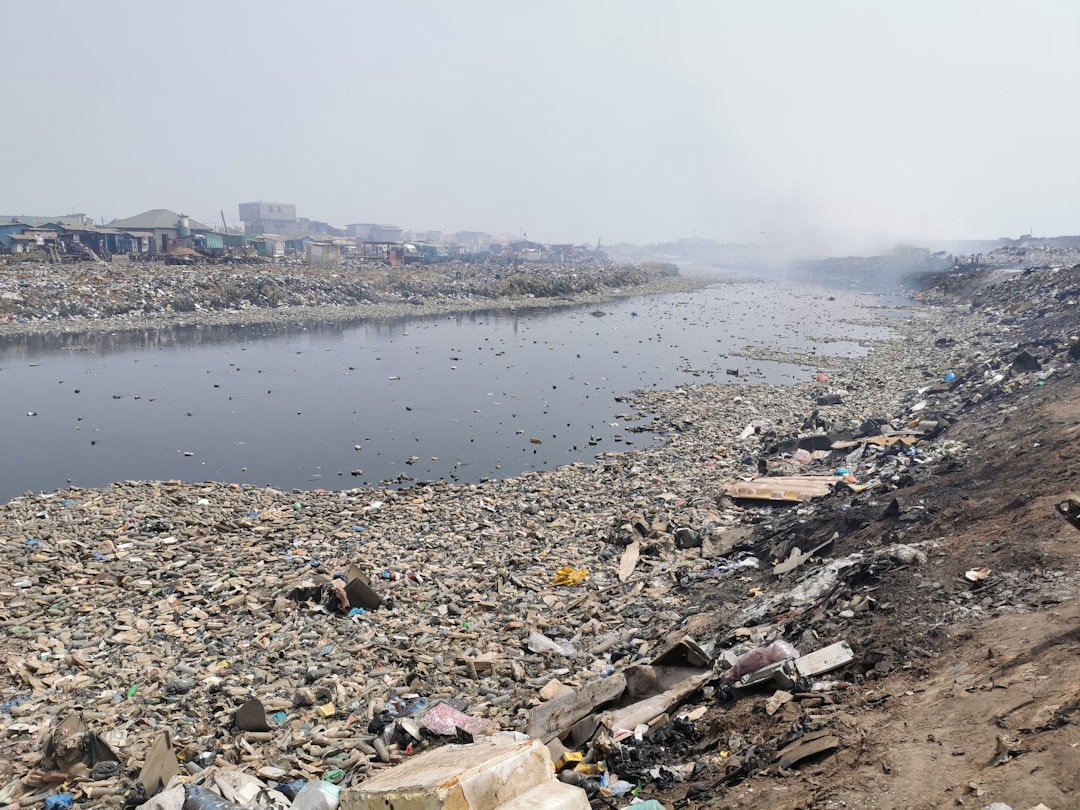
The unseen guests in our daily routine are a growing concern: microplastics, tiny fragments of plastic less than 5 millimeters in size, have been detected in tap water worldwide. What was once a pristine resource, flowing freely from our taps, now carries with it an invisible cargo, a testament to humanity’s pervasive relationship with plastic. This article will delve into the presence of microplastics in tap water, exploring their origins, pathways, detection methods, potential health implications, and the ongoing efforts to mitigate this pervasive environmental issue.
For decades, plastic has been heralded as a miracle material. Its durability, versatility, and low cost have revolutionized industries and transformed our daily lives. From single-use packaging and clothing fibers to tires and personal care products, plastic has become an integral part of the modern world. However, this convenience comes at a cost. The very resilience that makes plastic so useful also makes it incredibly persistent in the environment. Instead of biodegrading, plastic breaks down over time into smaller and smaller pieces, culminating in the formation of microplastics and even smaller nanoplastics. These microscopic particles are now found in virtually every corner of the planet, from the deepest oceans to the highest mountains, and, alarmingly, in the water we drink.
The Grand Tapestry of Plastic Production
The sheer scale of global plastic production paints a stark picture. Since the mid-20th century, billions of tons of plastic have been manufactured, and a significant portion of this has entered the waste stream, often escaping proper disposal and ending up in landfills, incinerators, or directly into the environment.
- The Petrochemical Origin: The genesis of plastic lies in fossil fuels. Crude oil and natural gas are the primary feedstocks for the vast majority of plastics produced today. Through complex chemical processes, these raw materials are transformed into polymers, the building blocks of plastic.
- The Evolution of Polymer Variety: Over time, a bewildering array of plastic polymers has been developed, each with specific properties tailored for different applications. Common examples include polyethylene (PE) used in bags and films, polypropylene (PP) found in containers and fibers, and polyvinyl chloride (PVC) used in pipes and flooring.
- The Endless Applications: The widespread adoption of plastic has permeated every facet of society. Its use ranges from the packaging that preserves our food to the synthetic textiles that clothe us, the automobiles that transport us, and the electronic devices that connect us.
Microplastics in tap water have become a growing concern for public health and environmental safety. Recent studies indicate that these tiny plastic particles can infiltrate our drinking water sources, raising questions about their potential impact on human health. For further insights into this pressing issue, you can read a related article that explores the prevalence of microplastics in our daily lives and their implications by visiting this link.
Pathways to Our Pours: How Microplastics Enter the Water Supply
The journey of microplastics from their point of origin to our drinking water is multifaceted, involving a complex interplay of environmental processes and human activities. They are not simply falling from the sky; rather, they are actively transported and distributed through a variety of channels.
The Environmental Footprint of Plastic Waste
The primary source of microplastics in the environment is the degradation of larger plastic items. Once discarded and exposed to sunlight, wind, and water, these larger plastics begin to fragment.
- The Legacy of Landfill Leachate: Inadequate landfill management can lead to the leaching of microplastics from waste into surrounding soil and groundwater. Rainwater percolating through refuse can carry these tiny fragments into underground water systems.
- The Whispers of Wastewater Treatment: While wastewater treatment plants are designed to remove pollutants, they are not always equipped to capture the smallest microplastic particles. These can pass through the filtration systems and be discharged into rivers and oceans, eventually finding their way into water sources.
- The Silent Erosion of Infrastructure: Plastic pipes, commonly used in water distribution networks, can also contribute to microplastic presence. Over time, wear and tear can cause microscopic fragments to detach and enter the water.
The Unseen Contribution of Everyday Products
Beyond the breakdown of larger waste items, microplastics are also directly released into the environment through the use of numerous consumer products.
- The Textile Tidal Wave: Synthetic fabrics, such as polyester, nylon, and acrylic, are prolific sources of microfibers. Every time we wash clothes made from these materials, millions of tiny fibers are shed and washed down the drain, eventually reaching waterways.
- The Cosmetic Cascade: Many personal care products, including exfoliants, toothpastes, and soaps, contain intentionally added microplastic beads, often referred to as microbeads. Despite bans in some regions, their legacy persists, and they are still present in products globally.
- The Tire Tread Trails: The abrasion of vehicle tires on roads releases microplastic particles into the air and surrounding environment. These particles can be washed into waterways by rain and wind.
The Atmospheric Ascent and Descent
Remarkably, microplastics are not confined to terrestrial and aquatic environments. They can become airborne and travel significant distances before precipitating back to Earth in dust, rain, or snow.
- The Pervasive Presence in Air: Microplastics have been detected in indoor and outdoor air samples globally, originating from sources like synthetic textiles, construction materials, and vehicle emissions.
- The Atmospheric Transport Mechanism: Once airborne, microplastics can be carried long distances by wind currents, acting as tiny aerial pollutants.
- The Precipitation Pathways: These airborne particles can then settle onto land and water bodies, including the catchments of our drinking water sources.
Unveiling the Invisible: Methods for Detecting Microplastics
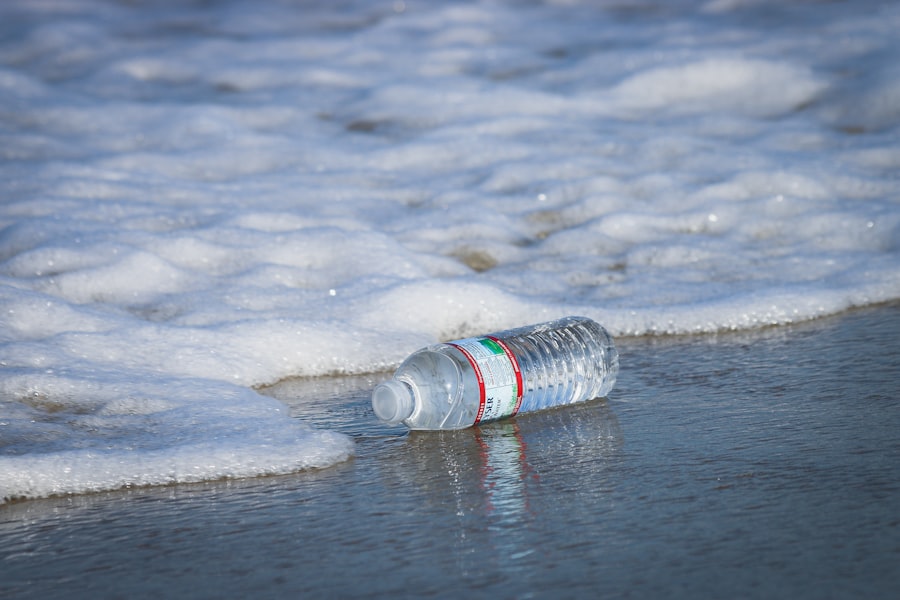
The detection and quantification of microplastics in water are challenging due to their small size and diverse composition. Scientists have developed a range of sophisticated techniques to identify and analyze these elusive particles.
The Microscopic Scrutiny
The fundamental step in microplastic analysis involves visual identification under a microscope.
- The Magnified Maze: Researchers meticulously examine water samples, often pre-filtered, to visually locate and count particles that exhibit plastic-like characteristics, such as color, shape, and transparency.
- The Limitations of Sight: While microscopy is a foundational technique, it is susceptible to human error and can be time-consuming. Distinguishing between plastic and natural organic materials can also be challenging at these scales.
Spectroscopic Fingerprinting
To confirm the plastic nature of suspected particles, advanced spectroscopic methods are employed, which analyze the unique chemical signatures of materials.
- The Infrared Inquisition: Fourier Transform Infrared (FTIR) spectroscopy is a widely used technique. It shines infrared light onto a sample, and the absorption patterns reveal the chemical bonds present, allowing for the identification of specific polymer types.
- The Raman Revelation: Raman spectroscopy offers another powerful method for identifying microplastics. It measures the scattering of light from a sample and provides a vibrational fingerprint that is unique to different molecules.
The Advanced Arsenal of Analytical Tools
Beyond standard spectroscopic techniques, more advanced methods are being developed to overcome the limitations of existing approaches.
- The Pyrolysis-Gas Chromatography-Mass Spectrometry (Py-GC-MS) Pathway: This technique involves heating the sample to decompose the plastic into smaller volatile compounds, which are then analyzed by gas chromatography and mass spectrometry to identify the original polymer.
- The Emerging Technologies Frontier: Researchers are continuously exploring new technologies, such as automated microscopy coupled with AI, and advanced imaging techniques, to improve the speed, accuracy, and comprehensiveness of microplastic detection.
The Shadow Beneath the Surface: Potential Health Implications
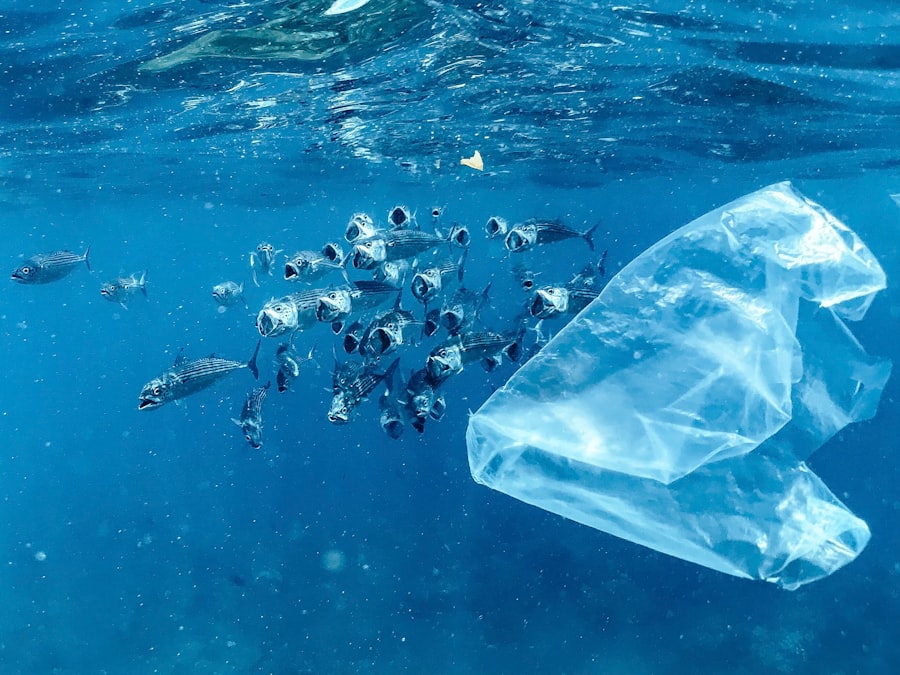
The presence of microplastics in our drinking water raises a critical question: what are the potential health consequences for those who consume it? While research is ongoing and definitive conclusions are still emerging, the scientific community is actively investigating the biological impacts of microplastic ingestion.
The Biological Intrusion: How They Might Enter the Body
Once ingested, microplastics can take various routes through the human body.
- The Gastrointestinal Gateway: The most direct route of entry is through ingestion of contaminated food and water. Microplastics can reside in the digestive tract.
- The Cellular Sojourn: There is growing evidence suggesting that smaller microplastics, and particularly nanoplastics, may be able to cross the intestinal barrier and enter the bloodstream, potentially reaching various organs.
The Unanswered Questions of Toxicity
The precise mechanisms and extent of microplastic toxicity are areas of intense scientific investigation.
- The Physical Disruption Hypothesis: Some concerns revolve around the potential for microplastics to cause physical irritation or inflammation within tissues, particularly if they accumulate.
- The Chemical Contaminant Concern: Microplastics themselves are not inert. They can contain chemical additives that were incorporated during their manufacturing process, such as plasticizers and flame retardants. Furthermore, they can adsorb pollutants from their surrounding environment, acting as vectors for harmful substances.
- The Immune System Response: The human body’s immune system may recognize microplastics as foreign entities, potentially triggering inflammatory responses. The long-term effects of such chronic immune activation are not yet fully understood.
- The Epigenetic Shadows: Emerging research is exploring whether microplastic exposure could lead to epigenetic changes – modifications to gene expression that do not alter the underlying DNA sequence but can still have health consequences.
The Growing Body of Research and the Need for Caution
Numerous studies have investigated the effects of microplastic exposure in laboratory settings, using various model organisms and cell cultures. These studies have pointed to potential impacts on cellular function, reproductive health, and the immune system. However, translating these findings directly to human health risks from tap water exposure is complex. Factors such as the type, size, and concentration of microplastics, as well as individual susceptibility, play crucial roles.
- The Research Landscape: The scientific literature on microplastics and health is rapidly expanding, with new studies emerging regularly. This dynamic field underscores the ongoing effort to understand this emerging environmental health concern.
- The Precautionary Principle: In the absence of definitive answers, many public health experts advocate for a precautionary approach, emphasizing efforts to reduce microplastic pollution.
Recent studies have raised concerns about the presence of microplastics in tap water, highlighting potential health risks associated with their consumption. A related article discusses the broader implications of plastic pollution and its impact on our environment and health. For more insights on this pressing issue, you can read the article here. Understanding the sources and effects of microplastics is crucial as we navigate the challenges posed by this pervasive pollutant.
Towards Cleaner Cruets: Mitigation and Future Solutions
| Location | Microplastic Concentration (particles/L) | Common Microplastic Types | Sampling Year | Source of Contamination |
|---|---|---|---|---|
| United States (various cities) | 4 – 10 | Polyethylene, Polypropylene, Polyester | 2017 | Water treatment inefficiencies, pipe degradation |
| Europe (Germany, France, UK) | 1 – 5 | Polyethylene terephthalate (PET), Polyamide | 2018 | Urban runoff, wastewater treatment plants |
| Asia (China, India) | 5 – 15 | Polypropylene, Polystyrene | 2019 | Industrial discharge, plastic waste mismanagement |
| Australia | 2 – 6 | Polyethylene, Polyvinyl chloride (PVC) | 2020 | Environmental runoff, aging infrastructure |
| South America (Brazil, Argentina) | 3 – 8 | Polyester, Polyethylene | 2021 | Wastewater contamination, plastic litter |
Addressing the pervasive issue of microplastics in tap water requires a multi-pronged approach, involving both individual actions and large-scale systemic changes. While completely eliminating microplastics from our water supply may be a formidable challenge, significant strides can be made to reduce their prevalence.
The Homefront Defense: Filtration and Lifestyle Choices
Consumers can take steps within their own homes to minimize their exposure to microplastics.
- The Advanced Filtration Frontier: High-quality water filters, particularly those employing reverse osmosis or ultrafiltration technologies, can effectively remove a significant percentage of microplastics from tap water.
- Understanding Filter Technologies: Not all filters are created equal. While basic activated carbon filters may offer some benefits, achieving substantial microplastic removal often requires more advanced membrane filtration systems.
- The Maintenance Mandate: Regular cleaning and replacement of filter cartridges are crucial to ensure their continued effectiveness. Clogged filters can become a breeding ground for bacteria and may even release trapped particles.
- The Conscious Consumer’s Compass: Making informed choices about the products we use can significantly reduce the release of microplastics into the environment.
- The Natural Fiber Embrace: Opting for clothing made from natural fibers like cotton, wool, or linen can dramatically decrease microplastic shedding from laundry.
- The Microbead Moratorium: Avoiding personal care products that contain polyethylene, polypropylene, or other plastic microbeads is a simple yet effective measure.
- The Reusable Revolution: Embracing reusable water bottles, coffee cups, and shopping bags reduces reliance on single-use plastics, thereby decreasing the overall volume of plastic waste destined to break down.
The Industrial Imperative: Innovation and Regulation
Addressing the root causes of microplastic pollution necessitates action from industries and governments.
- The Material Innovation Mission: The development and widespread adoption of biodegradable or compostable alternatives to conventional plastics are crucial.
- The Bioplastic Promise: While bioplastics offer a promising avenue, careful consideration of their end-of-life management is essential to avoid simply shifting the problem.
- The Circular Economy Concept: Shifting towards a circular economy, where materials are reused and recycled effectively, can significantly reduce the demand for virgin plastic production.
- The Wastewater Wisdom: Enhancing wastewater treatment processes to capture microplastics more effectively is a critical step.
- The Advanced Treatment Technologies: Investing in advanced filtration and separation technologies for wastewater treatment plants can significantly reduce the discharge of microplastics into waterways.
- The Stormwater Scrutiny: Implementing strategies to capture and treat microplastics from stormwater runoff, which often carries pollutants from urban environments, is also vital.
- The Regulatory Reinforcement: Government regulations and policies play a pivotal role in driving change.
- The Extended Producer Responsibility: Implementing extended producer responsibility schemes, where manufacturers are held accountable for the end-of-life management of their products, can incentivize more sustainable design and waste management practices.
- The Phasing Out of Problematic Plastics: Banning or restricting the use of microplastics in certain consumer products and promoting the adoption of industry best practices are essential regulatory measures.
The Global Guardian: Research and Awareness
Continued scientific research and public awareness campaigns are fundamental to tackling this issue.
- The Scientific Spotlight: Ongoing research is essential to better understand the sources, pathways, and impacts of microplastics, thereby informing effective solutions.
- The Public Information Pulse: Educating the public about the presence of microplastics and the steps they can take to reduce their exposure is crucial for fostering collective action and driving policy change.
- The International Alliance: Microplastic pollution is a global problem that requires international cooperation and coordinated efforts to develop and implement effective solutions. Collaboration between nations on research, policy, and best practices is paramount.
The presence of microplastics in our tap water is a stark reminder of our profound impact on the environment. While the challenge is significant, it is not insurmountable. Through a combination of individual responsibility, industrial innovation, robust regulation, and sustained scientific inquiry, we can work towards a future where the water flowing from our taps is as pure and untarnished as nature intended. The journey ahead requires vigilance, commitment, and a collective understanding that the smallest particles can indeed leave the largest footprints.
FAQs
What are microplastics?
Microplastics are tiny plastic particles less than 5 millimeters in size. They originate from the breakdown of larger plastic debris or from microbeads used in personal care products.
How do microplastics get into tap water?
Microplastics can enter tap water through various sources, including the degradation of plastic pipes, contamination during water treatment, and environmental pollution that affects water sources.
Are microplastics harmful to human health?
The health effects of microplastics on humans are still being studied. While some research suggests potential risks due to chemical additives or contaminants attached to microplastics, definitive conclusions have not yet been reached.
Can water treatment plants remove microplastics?
Water treatment plants can reduce the amount of microplastics in tap water, but they may not eliminate all particles due to their small size and varying properties.
What can consumers do to reduce microplastic exposure from tap water?
Consumers can use water filters certified to remove microplastics, opt for bottled water with caution, and support policies aimed at reducing plastic pollution to minimize microplastic contamination in water supplies.