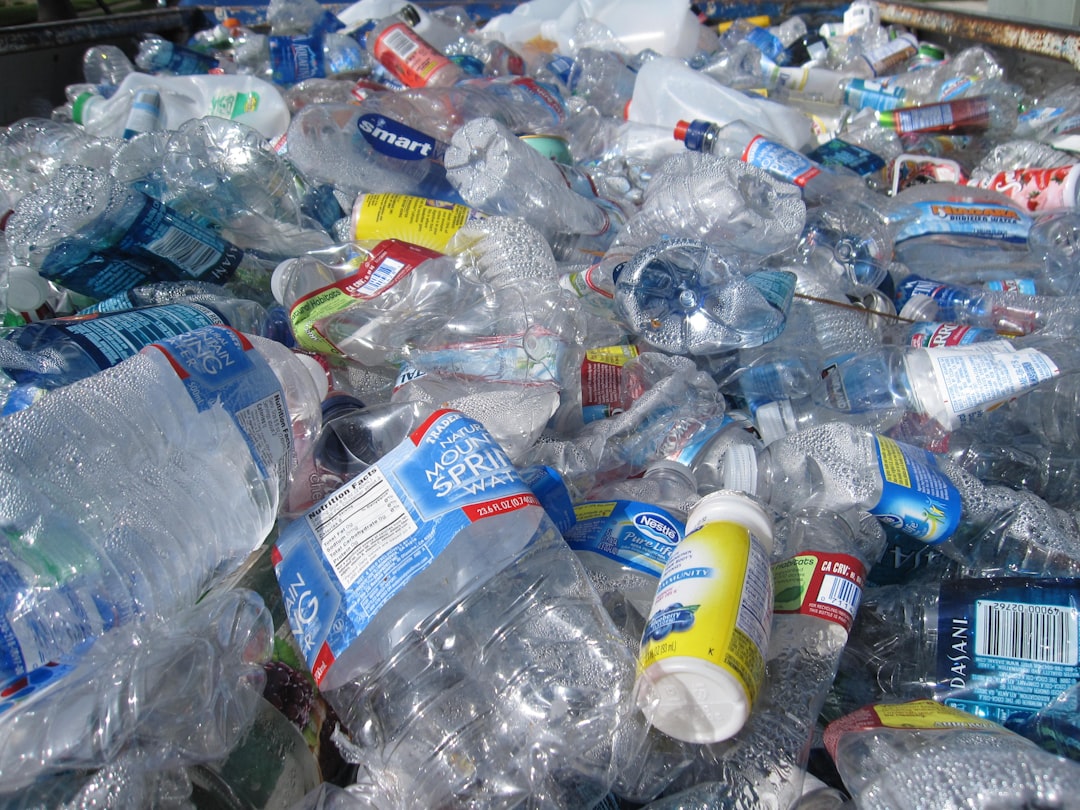
You stand in front of a bin, a familiar ritual. You’ve sorted through your waste, carefully separating that crinkled chip bag, that milk jug, that plastic water bottle. You deposit them, a small act of environmental stewardship, a nod to the idea that your discarded items might find a new life. Yet, as you walk away, a persistent unease lingers, a quiet question mark hanging over your diligent efforts. You’re participating in recycling, diligently, habitually, but the global narrative surrounding plastic paints a starkly different picture: spiraling production, overwhelming waste, and a planet increasingly choked by the very material you’re trying to manage. This is the paradox of plastic, a complex entanglement of progress and pollution that demands your attention.
You’ve likely encountered plastic in virtually every facet of your life today. From the moment you wake up to the moment you sleep, plastic is an undeniable presence. Its versatility and affordability have cemented its status as a cornerstone of modern convenience, driving its relentless surge in production.
A Material Revolution: From Novelty to Necessity
You might not remember a time before plastic, or perhaps you possess a faint recollection of a world less dominated by it. But the story of plastic is a relatively recent one, a testament to human ingenuity and its unintended consequences. Its early iterations, like Bakelite in the early 20th century, were revolutionary, offering durable and insulating properties sought after in burgeoning industries. You still see its influence in the handles of old appliances or the casings of early electronics.
The Rise of the “Disposable” Culture
The mid-20th century witnessed a dramatic acceleration in plastic production and consumption. The post-war economic boom, coupled with advancements in petrochemical processing, made plastics incredibly cheap and accessible. This affordability fueled a shift towards what many now term a “disposable culture.” You can observe this in the prevalence of single-use items: the plastic cutlery you might grab with a takeout meal, the shrink-wrapped produce you select at the grocery store, the endless stream of packaging that accompanies nearly every purchase. This convenience, while superficially appealing, has created a monumental waste management challenge.
Innovations Driving Demand
Beyond mere convenience, plastic’s adaptability has spurred innovation across numerous sectors. You benefit from its lightweight properties in transportation, contributing to fuel efficiency in cars and airplanes. Its durability makes it indispensable in construction, from pipes and insulation to window frames. In the medical field, sterile, disposable plastic syringes, gloves, and packaging have revolutionized hygiene and patient safety. You might even have a medical device at home that relies on plastic components. The very concept of progress in many fields has become inextricably linked with the continued development and application of plastic materials.
Despite the growing awareness of environmental issues and the importance of recycling, plastic production continues to surge, driven by factors such as consumer demand and the low cost of production. An insightful article that delves into this paradox can be found at Hey Did You Know This, which explores the complexities of the plastic industry and the challenges faced in increasing recycling rates. The article highlights how the convenience of single-use plastics and the lack of effective recycling infrastructure contribute to the ongoing rise in plastic production, even as efforts to promote sustainability gain momentum.
The Paradox Revealed: Production Outpaces Our Efforts
Despite your best intentions and the growing awareness of plastic pollution, the global production of plastic continues to climb. This stark reality forms the core of the paradox, where individual and collective efforts to manage the problem are being swamped by the sheer volume of material being manufactured.
The Ever-Expanding Plastic Pie Chart
You might picture the global plastic market as a pie, and unfortunately, the slices representing virgin plastic production are consistently growing larger. Statistics from various environmental organizations and industry reports paint a consistent picture: year after year, more plastic is produced than the last. You see this reflected in the sheer volume of plastic items entering the market, from new packaging designs to the proliferation of plastic-based consumer goods.
Packaging: The Dominant Driver
Globally, packaging remains the largest segment of plastic consumption, and it’s a segment that shows little sign of shrinking. Think about your own consumption: the plastic bottle you buy your water in, the film wrapping your food, the rigid containers for your cleaning supplies, the bubble wrap protecting your online orders. This extensive use, often for single-use purposes, contributes a significant portion to the overall plastic production figures. You are, in many ways, a cog in this massive machine of packaging.
The Rise of Single-Use Plastics
The convenience of single-use plastics is a potent force. While you might opt for a reusable coffee cup or water bottle, countless others do not. The proliferation of plastic straws, disposable cutlery, coffee cup lids, and takeaway food containers exemplifies this trend. This is not a niche issue; it represents a fundamental aspect of modern consumption patterns that manufacturers are keen to cater to. You are witnessing this trend, perhaps even reluctantly participating in it due to a lack of readily available alternatives.
The Recycling Mirage: A System Under Strain
You participate in recycling with the understanding that it’s a solution. However, the reality of recycling is far more complex and, frankly, often disappointing. The effectiveness of recycling programs is a critical factor in the paradox, and the system is demonstrably struggling to keep pace with the incoming tide of plastic waste.
Low Global Recycling Rates
Despite widespread public awareness and participation, the global plastic recycling rate remains alarmingly low. Many sources estimate that only a fraction of the plastic produced is actually collected and effectively recycled. You are part of the majority that dutifully sorts, but a significant portion of what you place in the bin may never reach a recycling facility or become new products. This is a difficult truth to confront when you consider your own efforts.
The “Wishcycling” Phenomenon
You’ve likely engaged in “wishcycling” yourself. This refers to the act of placing non-recyclable items in the recycling bin with the hope that they will somehow be processed. This well-intentioned behavior can actually contaminate entire batches of recyclables, rendering them unusable. You might have tossed in a greasy pizza box or a plastic bag, assuming it would be handled. This highlights a systemic issue of consumer education and the complexity of what can and cannot be recycled in different regions.
The Economics of Virgin Plastic
A significant factor undermining recycling is the enduring economic advantage of producing virgin plastic. The price of oil, the primary feedstock for most plastics, fluctuates, but often the cost of creating new plastic is lower than the cost of collecting, sorting, and reprocessing used plastic. This economic reality incentivizes manufacturers to continue using virgin materials, making your recycled efforts a less attractive option for them. You are up against powerful economic forces.
The Environmental Fallout: More Than Just Ugly Litter

The consequences of this production-and-waste imbalance extend far beyond aesthetics. The environmental toll of unchecked plastic production and inadequate waste management is profound and multifaceted, impacting ecosystems, human health, and the planet’s delicate balance.
The Pervasiveness of Plastic Pollution
You’ve seen the images: beaches littered with plastic debris, marine animals entangled in discarded fishing nets, microplastics found in the deepest oceans and the highest mountains. This is not an exaggeration; it is the current state of plastic pollution. The persistence of plastic means that it breaks down into smaller and smaller pieces, but it never truly disappears.
Oceans and Waterways: A Plastic Sink
Oceans are particularly vulnerable to plastic pollution. You hear about the Great Pacific Garbage Patch, but this is just one symptom of a global problem. Plastic enters rivers and streams, eventually making its way to the sea, where it can persist for centuries. Marine life ingests this plastic, mistaking it for food, leading to starvation, internal injuries, and death. You are contributing to this problem with every disposable plastic item that escapes proper disposal and enters a waterway.
Terrestrial Ecosystems Under Siege
Plastic pollution is not confined to the oceans. Landfills overflow with plastic waste, leaching harmful chemicals into the soil and groundwater. Plastic fragments are also found in agricultural lands, potentially entering the food chain through crops. You might be a city dweller, but even you are indirectly impacting these terrestrial ecosystems through the global demand for products that generate this waste.
The Microplastic Menace: An Invisible Threat
Perhaps the most insidious aspect of plastic pollution is the proliferation of microplastics. These are tiny plastic particles, less than 5 millimeters in size, that result from the breakdown of larger plastic items or are intentionally manufactured as microbeads. You might not see them, but they are everywhere.
In Our Food and Water
Microplastics have been found in a wide range of food products, including seafood, salt, and even bottled water. They are also present in the air we breathe and the water we drink. The long-term health effects of ingesting microplastics are still being researched, but concerns are growing about potential inflammation, hormonal disruption, and other adverse health outcomes. You are, in all likelihood, consuming microplastics on a regular basis.
Beyond the Human Body
Microplastics are also impacting wildlife at every level of the food chain, from plankton to top predators. Their presence can affect reproductive success, growth rates, and overall health. This disruption at the foundational levels of ecosystems has far-reaching implications for biodiversity and planetary health. You are witnessing the potential unraveling of natural systems due to this pervasive contaminant.
Incineration and Chemical Leaching: Unseen Dangers
While recycling rates are low, and landfilling is a significant issue, another problematic method of dealing with plastic waste is incineration. While some waste-to-energy plants exist, this process can release harmful pollutants into the atmosphere if not managed with advanced emission controls. Furthermore, even seemingly inert plastic in landfills can leach harmful chemicals into the surrounding environment over time. You are often unaware of the fate of the plastic that doesn’t make it into your household recycling bin, but it’s rarely a benign process.
The Role of Industry: Profit Over Planet?
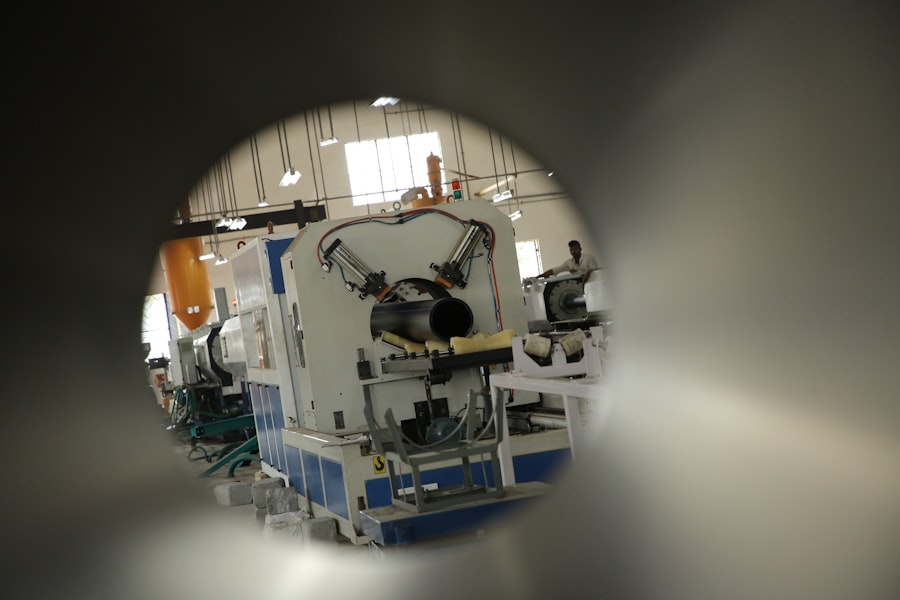
The continued surge in plastic production is not happening in a vacuum. It is driven by powerful economic forces and strategic decisions made within the petrochemical and manufacturing industries. Understanding their role is crucial to grasping the paradox.
The Economic Incentives of Virgin Production
As mentioned earlier, the economics often favor virgin plastic production. The established infrastructure for extracting fossil fuels and manufacturing new plastic is immense and deeply entrenched. The cost of these raw materials, often subsidized by government policies or market fluctuations, makes virgin plastic a consistently attractive option for manufacturers. You are indirectly supporting this through your purchasing power and the broader economic landscape.
Lobbying and Market Influence
The plastics industry is a significant economic player, and its influence extends to policy-making and public discourse. Lobbying efforts often focus on promoting the benefits of plastic while downplaying its environmental drawbacks. You often see these messages in advertising or industry-sponsored reports, subtly shaping public perception and influencing regulatory frameworks.
The “Solutions” Offered by Industry
The industry often promotes solutions like advanced recycling technologies or the development of new, supposedly more sustainable plastics. While some of these innovations may hold promise, critics argue that they often serve to deflect from the fundamental issue: the overproduction of plastic in the first place. You might be swayed by the promise of a technological fix, but it’s important to critically assess whether these are genuine solutions or merely delaying tactics.
The Circular Economy: A Distant Dream?
The concept of a “circular economy,” where materials are reused and recycled infinitely, is often touted as the ultimate solution. However, for plastics, achieving true circularity remains a formidable challenge. The complexity of plastic types, the contamination issues in recycling streams, and the economic disincentives all stand in the way. You may hear about ambitious circular economy goals, but the tangible progress on the ground often lags significantly behind the rhetoric.
Despite the growing awareness of environmental issues and the importance of recycling, plastic production continues to surge at an alarming rate. This paradox can be attributed to various factors, including the low cost of raw materials and the increasing demand for convenience products. For a deeper understanding of this phenomenon, you can explore a related article that discusses the complexities of plastic production and recycling efforts. It highlights how the industry is adapting to consumer needs while grappling with sustainability challenges. To read more about this topic, visit this insightful article.
Moving Forward: Beyond Individual Responsibility
| Reasons for Surging Plastic Production | Explanation |
|---|---|
| Lack of Effective Recycling Infrastructure | Many regions lack the necessary infrastructure for efficient plastic recycling, leading to a reliance on new plastic production. |
| Cost-Effectiveness | Producing new plastic can be more cost-effective than recycling, especially when oil prices are low. |
| Increased Demand | Growing global demand for plastic products, particularly in developing countries, is driving increased production. |
| Complexity of Plastic Recycling | Plastic recycling processes can be complex and costly, making it less attractive for some manufacturers. |
While your individual actions are important, the paradox of plastic cannot be solved by individual recycling efforts alone. A systemic shift involving industry, government, and consumers is necessary to move beyond this unsustainable trajectory.
Shifting the Burden: Producer Responsibility
You are already bearing a significant portion of the burden when it comes to managing plastic waste. Extended Producer Responsibility (EPR) schemes, which hold manufacturers accountable for the end-of-life management of their products, are gaining traction. This would incentivize companies to design products that are more durable, repairable, and ultimately, more easily recyclable. You might see legislative proposals related to EPR in your region, indicating a growing recognition of this need.
Policy and Regulation: Driving Change
Government intervention is crucial. This can include policies that:
Ban or restrict problematic single-use plastics.
Implement robust deposit-return schemes for beverage containers.
Invest in and improve waste management and recycling infrastructure.
Mandate the use of recycled content in new products.
Support research and development into truly sustainable material alternatives.
You are a constituent, and your voice can influence these policy decisions. Supporting politicians and initiatives that prioritize environmental protection is one way to exert your influence.
Innovation and Material Alternatives: The Future of Materials
The future likely lies in a combination of reducing our reliance on virgin plastics and developing innovative, sustainable alternatives. This includes:
Investing in biodegradable and compostable materials, where appropriate and with proper infrastructure.
Developing and scaling up true closed-loop recycling systems.
Exploring alternative materials like paper, glass, and metal where they offer a more sustainable lifecycle.
Redesigning products to minimize plastic use and maximize durability.
You might encounter these new materials in your daily life, from packaging made from plant-based sources to reusable product systems.
Consumer Consciousness and Demand: Your Ultimate Power
Ultimately, your purchasing decisions have power. By choosing products with minimal or sustainable packaging, by supporting companies committed to reducing their plastic footprint, and by advocating for change, you can send a clear signal to the market. You are not just a passive consumer; you are an active participant in shaping the future of materials. The paradox of plastic demands your engagement, not just your diligence at the recycling bin, but a broader understanding and a commitment to systemic change. You have the capacity to be part of the solution, but it requires more than just good intentions. It demands informed action and a persistent challenge to the status quo of plastic production.
FAQs
1. Why is plastic production surging despite recycling efforts?
Plastic production is surging due to increasing demand from various industries such as packaging, construction, and consumer goods. Additionally, the low cost and versatility of plastic make it a preferred material for many applications, leading to continued production growth despite recycling efforts.
2. How does recycling impact plastic production levels?
While recycling efforts have increased in recent years, they have not been able to keep up with the growing demand for plastic. This has resulted in a continued surge in plastic production, as the recycling infrastructure and technology are still not advanced enough to fully replace the need for new plastic production.
3. What are the challenges in recycling plastic effectively?
Challenges in recycling plastic effectively include contamination of plastic waste, lack of infrastructure for collection and processing, and limited market demand for recycled plastic products. Additionally, the wide variety of plastic types and lack of standardized recycling processes make it difficult to efficiently recycle all plastic materials.
4. What are the environmental impacts of surging plastic production?
The surging plastic production has significant environmental impacts, including increased carbon emissions from plastic production, pollution of waterways and ecosystems from plastic waste, and depletion of natural resources used in plastic production. These impacts contribute to the urgency of finding sustainable solutions to reduce plastic production and increase recycling rates.
5. What are potential solutions to address the surge in plastic production?
Potential solutions to address the surge in plastic production include investing in advanced recycling technologies, implementing policies to reduce single-use plastics, promoting the use of biodegradable and compostable alternatives, and increasing consumer awareness and participation in recycling programs. Collaboration between governments, industries, and consumers is crucial in finding sustainable solutions to mitigate the environmental impact of plastic production.