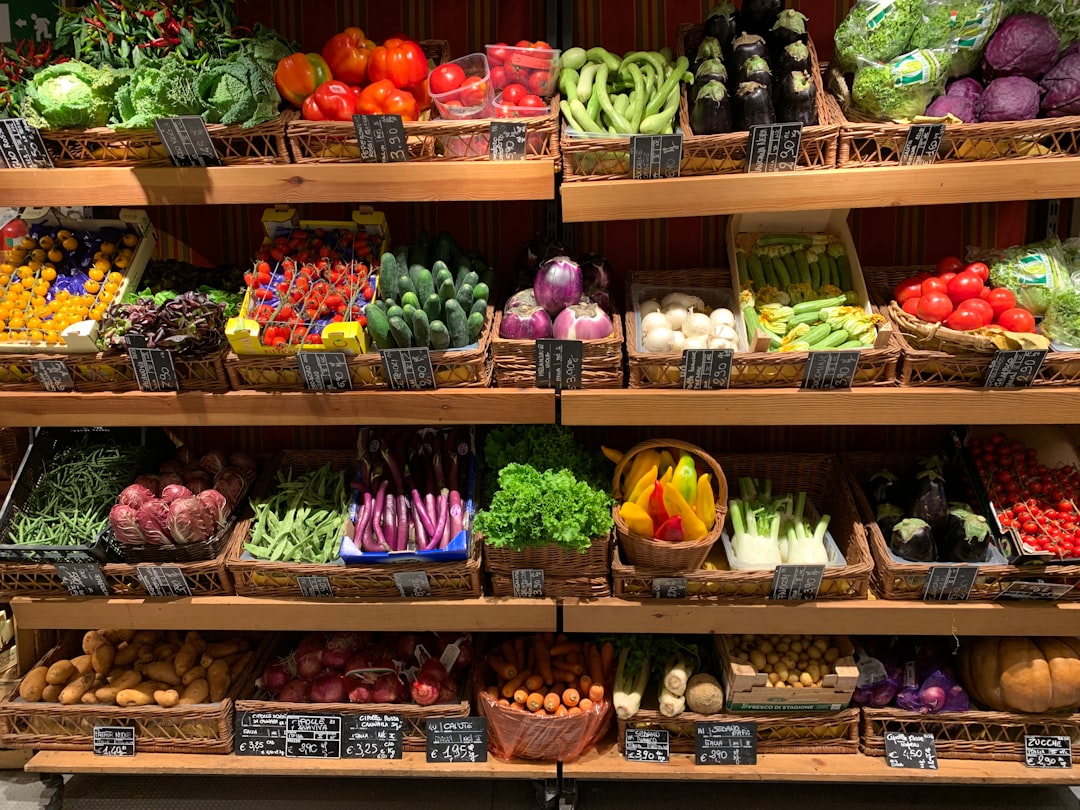
In recent years, the food industry has experienced a significant shift toward organic food consumption, with market data showing substantial growth in organic sales across multiple product categories. This increase stems from heightened consumer awareness regarding health concerns, environmental impacts of conventional agriculture, and interest in sustainable farming methods. Grocery stores and farmers’ markets now stock extensive organic selections spanning produce, dairy products, processed foods, and snacks, reflecting broader changes in consumer purchasing patterns and food preferences.
The growing demand for organic food connects to several factors beyond perceived health advantages. Consumer research indicates that buyers often associate organic products with support for local agricultural communities and environmentally responsible farming practices. Many consumers view organic certification as an indicator of ethical production methods.
The organic food market’s continued expansion has created a complex landscape that requires careful examination of the various economic, environmental, and health considerations involved in organic versus conventional food production systems.
Key Takeaways
- Organic food popularity is growing, but marketing can be misleading.
- Organic certification has strict standards, yet some claims may be exaggerated.
- Organic farming benefits the environment but may have limitations.
- Health advantages of organic food are not always clear-cut.
- Consumer education is crucial for making informed and sustainable food choices.
The Misleading Marketing Tactics
As you navigate the aisles of your grocery store, you might encounter various labels and marketing claims that can be confusing. Terms like “natural,” “free-range,” and “locally sourced” often appear alongside organic labels, leading you to believe that these products are healthier or more environmentally friendly. However, many of these terms lack strict definitions and can be misleading.
Companies may use these marketing tactics to capitalize on the organic trend without adhering to the same standards that true organic products must meet. You may find yourself questioning the integrity of these claims as you learn more about the food industry. For instance, a product labeled as “natural” may still contain artificial ingredients or preservatives, while “free-range” does not necessarily guarantee that animals were raised in humane conditions.
This ambiguity can make it challenging for you to make informed choices about what you are putting into your body. As a savvy consumer, it is crucial to look beyond the marketing jargon and seek out products that genuinely align with your values and health goals.
The Truth about Organic Certification

When you see the USDA Organic seal on a product, it may give you a sense of reassurance that you are making a healthy choice. However, understanding what this certification entails is vital for making informed decisions. The organic certification process involves rigorous standards that farmers must meet, including restrictions on synthetic pesticides, fertilizers, and genetically modified organisms (GMOs).
While this certification does provide some assurance of quality, it is essential to recognize that not all organic farms operate under the same conditions. You might be surprised to learn that some organic farms still employ practices that can be harmful to the environment or animal welfare. For example, large-scale organic farms may rely on monoculture practices, which can deplete soil nutrients and reduce biodiversity.
Additionally, the transportation of organic products over long distances can contribute to carbon emissions, undermining some of the environmental benefits associated with organic farming. As you consider your options, it is essential to delve deeper into the practices of specific brands and farms rather than relying solely on certification labels.
The Environmental Impact of Organic Farming
While organic farming is often touted as a more sustainable alternative to conventional agriculture, its environmental impact is not as clear-cut as it may seem. On one hand, organic farming practices typically avoid synthetic pesticides and fertilizers, which can lead to healthier soil and reduced chemical runoff into waterways. This aspect aligns with your desire for environmentally friendly choices.
However, the reality is more nuanced; organic farming can also have its drawbacks. For instance, organic farms may require more land to produce the same yield as conventional farms due to lower productivity levels. This increased land use can lead to deforestation and habitat loss if not managed responsibly.
Additionally, some organic practices, such as tilling, can contribute to soil erosion and carbon release into the atmosphere. As you weigh the environmental benefits of organic food against its potential drawbacks, it becomes clear that sustainable agriculture encompasses a broader range of practices beyond just organic certification.
The Cost of Organic Food
| Metric | Value | Description |
|---|---|---|
| Percentage of Fraudulent Organic Products | 20% | Estimated share of organic-labeled products found to be falsely certified |
| Number of Reported Organic Food Scams (2023) | 150 | Cases reported globally involving mislabeling or counterfeit organic claims |
| Average Penalty for Organic Food Fraud | 50,000 | Average fine imposed on companies caught in organic food scams |
| Consumer Trust Decline | 15% | Decrease in consumer trust in organic labels over the past 5 years |
| Percentage of Organic Imports with Fraud Issues | 12% | Share of imported organic products flagged for certification fraud |
One of the most significant barriers to purchasing organic food is its higher price point compared to conventional options. You may have noticed that organic fruits and vegetables often come with a premium price tag, which can make it challenging for budget-conscious consumers to incorporate them into their diets. This cost disparity arises from various factors, including stricter farming regulations, labor-intensive practices, and smaller-scale production.
As you consider your grocery budget, it’s essential to evaluate whether the benefits of organic food justify the additional expense for you personally. While some consumers are willing to pay more for perceived health benefits and environmental sustainability, others may prioritize affordability over these factors. Understanding your own values and priorities can help guide your purchasing decisions in a way that aligns with your financial situation.
The Health Benefits (or Lack Thereof) of Organic Food
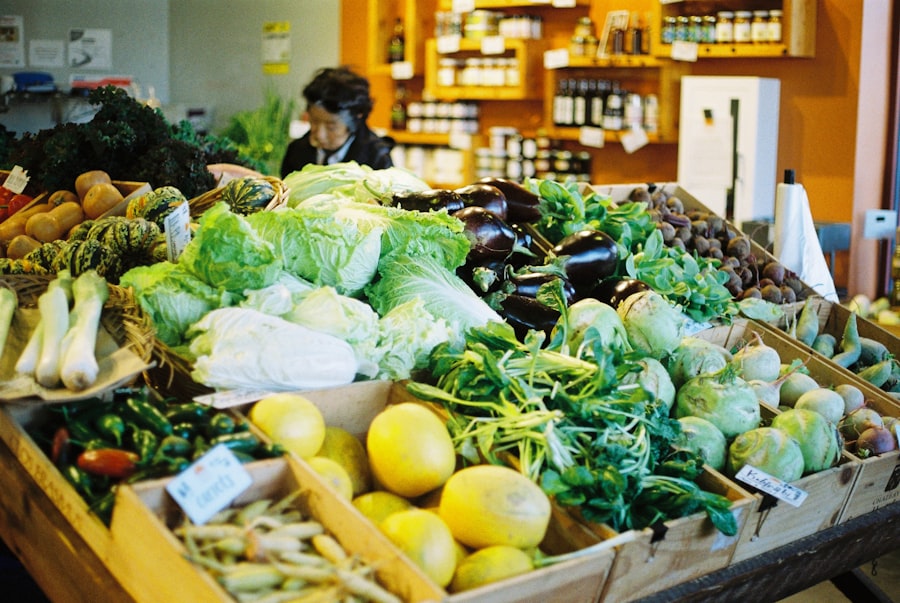
The health benefits of organic food are often touted as one of its primary selling points. Many consumers believe that organic produce is more nutritious and free from harmful chemicals. However, research on this topic has yielded mixed results.
Some studies suggest that organic foods may contain higher levels of certain nutrients or antioxidants, while others find little difference in nutritional value between organic and conventionally grown foods. As you evaluate the health claims surrounding organic food, it’s essential to consider the broader context of your diet and lifestyle. Eating a variety of fruits and vegetables—whether organic or conventional—is crucial for maintaining good health.
Additionally, focusing on whole foods and minimizing processed items can have a more significant impact on your well-being than simply choosing organic options. Ultimately, your health is influenced by many factors beyond just the type of food you consume.
The Role of Big Corporations in the Organic Industry
As the demand for organic food has surged, big corporations have taken notice and entered the market in droves. You may have seen familiar brand names on organic products that were once associated with conventional agriculture. While this influx of investment has led to increased availability of organic options, it has also raised concerns about the integrity of the organic label.
The involvement of large corporations can sometimes dilute the principles of organic farming as they prioritize profit margins over sustainable practices. You might find yourself questioning whether these companies are genuinely committed to organic principles or simply capitalizing on a lucrative market trend.
The Alternatives to Organic Food
If you’re hesitant about fully committing to organic food due to cost or concerns about marketing tactics, there are several alternatives worth considering. Local farmers’ markets often offer fresh produce at competitive prices while allowing you to connect directly with growers who prioritize sustainable practices. You might also explore community-supported agriculture (CSA) programs that provide seasonal produce directly from local farms.
Another option is to focus on purchasing conventional produce from sources that prioritize sustainable farming methods without necessarily being certified organic. Many farmers employ eco-friendly practices while still operating outside the stringent requirements of organic certification. By seeking out these alternatives, you can support local agriculture while making choices that align with your values.
The Importance of Consumer Education
As a consumer in today’s complex food landscape, educating yourself about what you’re buying is crucial for making informed choices. Understanding the nuances of organic certification, marketing tactics, and environmental impacts can empower you to navigate the grocery store with confidence. You might consider seeking out resources such as documentaries, books, or reputable websites that delve into these topics in greater depth.
Engaging with local communities or online forums can also provide valuable insights from fellow consumers who share your interests in sustainable eating. By fostering discussions around food choices and sharing knowledge about responsible consumption, you can contribute to a more informed consumer base that holds companies accountable for their practices.
The Future of the Organic Food Industry
Looking ahead, the future of the organic food industry appears both promising and challenging. As consumer demand continues to grow, there is potential for innovation in sustainable farming practices and increased accessibility to organic products. However, this growth must be balanced with a commitment to maintaining the integrity of organic standards and ensuring that large corporations do not compromise these principles for profit.
You may find yourself playing an essential role in shaping this future by advocating for transparency and supporting brands that prioritize ethical practices. As consumers become more discerning about their food choices, companies will be encouraged to adopt more sustainable methods and prioritize quality over quantity.
Taking Action: How to Make Informed Choices
Ultimately, making informed choices about your food requires a combination of education, awareness, and intentionality. Start by familiarizing yourself with local farmers’ markets or community-supported agriculture programs in your area; these options often provide fresh produce at reasonable prices while supporting local economies. Additionally, take time to research brands before purchasing their products—look for transparency in sourcing and production methods.
As you navigate your grocery shopping experience, remember that every choice you make contributes to a larger narrative about food production and consumption. By prioritizing sustainability and supporting ethical practices, you can play an active role in shaping a healthier future for both yourself and the planet. Your choices matter; embrace them with confidence as you embark on your journey toward informed eating.
The organic food industry has seen its fair share of controversies, including allegations of scams that mislead consumers about the authenticity of products. For a deeper understanding of these issues, you can read more in the article available at Hey Did You Know This. This resource provides insights into the challenges faced by consumers in navigating the organic food market and highlights the importance of transparency in labeling practices.
FAQs
What is the organic food industry scam?
The organic food industry scam refers to deceptive practices where products labeled as “organic” do not meet the established organic standards. This can include mislabeling conventional produce as organic, using prohibited pesticides, or falsifying certification documents.
How can consumers identify genuine organic products?
Consumers should look for certification labels from recognized organic certifying bodies, such as USDA Organic in the United States or EU Organic in Europe. Additionally, purchasing from trusted brands or local farmers with transparent practices can help ensure authenticity.
Are all organic products more expensive due to the scam?
Not necessarily. While organic products often cost more due to stricter farming practices, the scam involves some producers charging premium prices without adhering to organic standards. This means some expensive products may not be genuinely organic.
What regulations exist to prevent organic food fraud?
Many countries have regulatory agencies that set organic standards and conduct inspections, such as the USDA’s National Organic Program. These agencies enforce certification requirements and can penalize fraudulent labeling.
What impact does the organic food industry scam have on consumers?
Consumers may pay higher prices for products that do not meet organic standards, potentially exposing themselves to pesticides or chemicals they intended to avoid. It also undermines trust in the organic label and harms legitimate organic farmers.
How widespread is the organic food industry scam?
While exact figures vary, reports and investigations have revealed instances of fraud in various regions. However, many organic producers comply with standards, and regulatory oversight continues to improve to reduce fraud.
What steps can authorities take to combat organic food fraud?
Authorities can increase inspections, improve traceability systems, impose stricter penalties for violations, and enhance consumer education to reduce fraud in the organic food industry.
Is buying organic food always safer or healthier?
Organic foods are grown without synthetic pesticides and fertilizers, which some consumers prefer for health or environmental reasons. However, the safety and health benefits depend on genuine adherence to organic standards, which can be compromised by fraud.