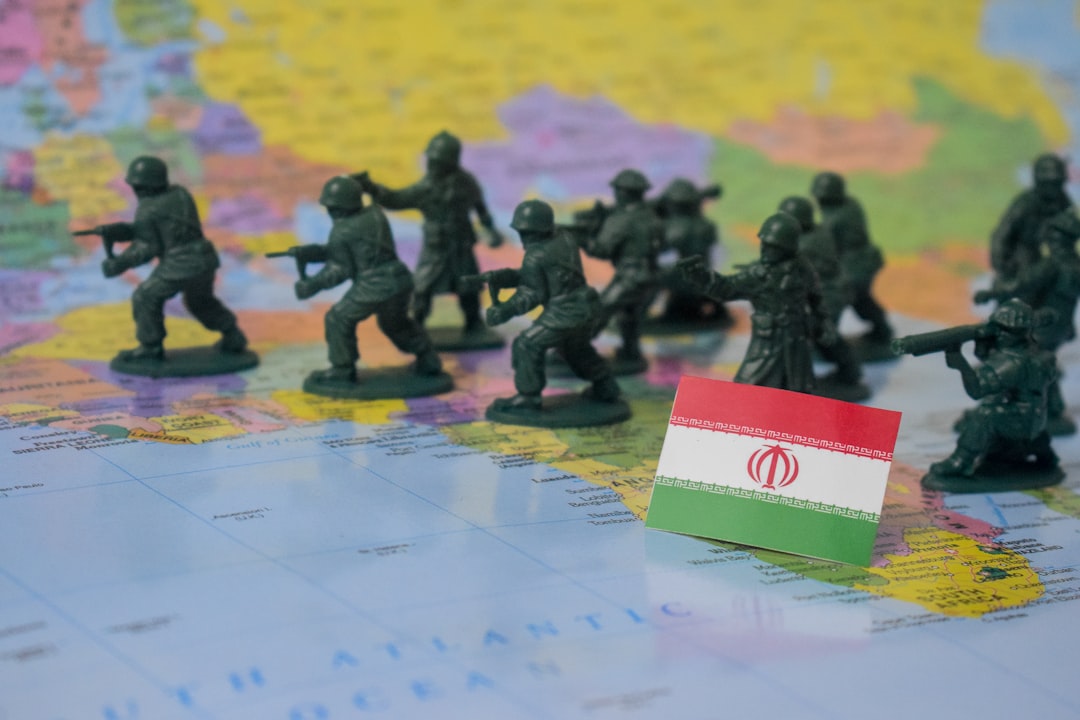
The strategic importance of nitrogen (N), phosphorus (P), and potassium (K)—the primary macronutrients essential for plant growth—extends far beyond the agricultural fields they nourish. For nations, the control and access to these elements, often referred to as the “NPK Triangle,” represent a potent form of geopolitical trade leverage, shaping international relations, economic stability, and even national security. Understanding this triumvirate is akin to deciphering the hidden currents that steer global commerce and power dynamics.
To grasp the geopolitical significance of NPK, one must first understand their fundamental role and their uneven distribution across the globe. These three nutrients are the bedrock of agriculture, the primary building blocks that enable crops to thrive. Without them, food production would be severely curtailed, leading to widespread shortages and instability.
Nitrogen: The Air We Breathe, The Food We Eat
Nitrogen, constituting approximately 78% of the Earth’s atmosphere, is abundant but largely inaccessible to plants in its gaseous form (N2). Its transformation into usable compounds, primarily through the Haber-Bosch process, relies heavily on natural gas. This dependence on natural gas for synthetic nitrogen fertilizer production makes regions with significant natural gas reserves, such as Russia, the Middle East, and North America, key players in the global nitrogen market. The energy-intensive nature of its production acts as a significant bottleneck and a strategic vulnerability.
Phosphorus: A Finite Resource with Essential Roles
Phosphorus, unlike nitrogen, is not regenerated in a natural cycle on a timescale relevant to human needs. It is primarily mined from phosphate rock deposits. These deposits are finite, and their geographical concentration is relatively limited. Major phosphate rock reserves are concentrated in countries like Morocco, China, the United States, and Russia. This geological lottery has created a geopolitical landscape where a few nations hold disproportionate control over this vital nutrient. The extraction and processing of phosphate rock are also environmentally sensitive, adding another layer of complexity to its global trade.
Potassium: The Backbone of Plant Health and Resilience
Potassium, often extracted from potash (potassium chloride) deposits, is also unevenly distributed. Canada, Russia, and Belarus are the dominant global producers of potash. These nations can exert considerable influence over global potassium supplies and prices. Potassium plays a crucial role in plant resilience, water regulation, and nutrient uptake, making it indispensable for high-yield agriculture, especially in the face of climate change and increasing demand for food.
The geopolitical leverage of the NPK triangle in world trade highlights the strategic importance of nitrogen, phosphorus, and potassium in global agriculture and economics. For a deeper understanding of how these elements influence international relations and trade dynamics, you may find the article on the significance of agricultural resources in shaping geopolitical strategies particularly insightful. You can read more about it here: Significance of Agricultural Resources.
The Leverage: How NPK Shapes International Power Dynamics
The concentration of NPK resources in specific regions, coupled with their indispensable nature for agriculture, creates significant leverage for producer nations. This leverage can be translated into economic gains, diplomatic influence, and even a degree of strategic defense.
Fertilizer as a Diplomatic Tool
The availability and affordability of fertilizers directly impact the food security of import-dependent nations. Countries that are major exporters of fertilizers can use their supply as a diplomatic tool. Access to fertilizers can be granted or withheld, directly influencing the agricultural output and, by extension, the political stability of recipient countries. This creates a web of interdependencies, where food security becomes a negotiable commodity. A nation’s ability to fulfill its citizens’ food needs can be directly correlated with its relationship with fertilizer-exporting powers, creating a subtle but powerful form of co-option.
Economic Power and Market Control
Nations with substantial NPK reserves and advanced fertilizer production capabilities hold significant economic power. They can set prices, influence market trends, and benefit from the global demand for their commodities. This economic clout can be used to secure favorable trade agreements, attract foreign investment, and bolster their national economies. The control over fertilizer prices can also be a potent weapon against economic adversaries, impacting their agricultural sectors and contributing to broader economic instability.
National Security Implications: Food Security as a Strategic Imperative
For many nations, the consistent supply of affordable fertilizers is not merely an economic concern; it is a matter of national security. A disruption in fertilizer imports can lead to crop failures, food shortages, price hikes, and social unrest. This makes securing reliable fertilizer pathways a critical strategic imperative. Nations may seek to diversify their sources, build strategic reserves, or even invest in domestic fertilizer production capabilities to mitigate these risks. The very notion of food sovereignty is intrinsically linked to access to these fundamental nutrients.
The Trade Routes: Mapping the Flow of NPK and its Geopolitical Significance
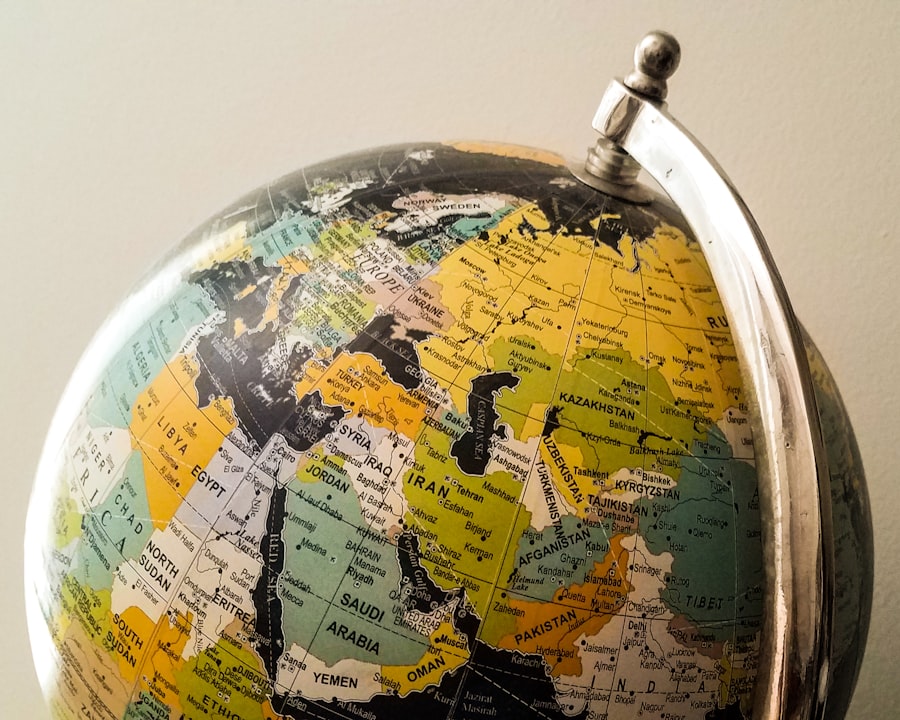
The global trade of NPK fertilizers is a complex network, with established routes and emerging pathways reflecting geopolitical shifts and economic realities. These trade routes are not just lines on a map; they are arteries of global sustenance, carrying critical commodities that underpin national stability.
Established Fertilizer Hubs and Their Influence
Certain regions have historically established themselves as major hubs for fertilizer production and export. For instance, North Africa and the Middle East are significant players in nitrogen fertilizer production due to their abundant natural gas reserves. Canada’s dominance in potash mining makes it a critical supplier for global markets. China’s vast industrial capacity also positions it as a major producer and exporter of various fertilizer types. These established hubs exert considerable influence over global supply and pricing mechanisms.
Emerging Players and Shifting Dynamics
While traditional players remain dominant, emerging economies with newly discovered phosphate rock reserves or expanding industrial capabilities are beginning to shift the geopolitical landscape. Furthermore, advancements in fertilizer technology and production methods could potentially alter the cost-effectiveness and geographical viability of production in different regions, leading to new trade patterns. The ongoing development of regions with significant untapped reserves holds the potential to democratize fertilizer access and reshape current geopolitical power balances.
The Shadow of Supply Chain Disruptions
The interconnectedness of the global fertilizer market means that disruptions in one region can have ripple effects worldwide. Geopolitical tensions, trade disputes, natural disasters, and even pandemics can significantly impact production and transportation, leading to price volatility and shortages. The Suez Canal blockage, for example, highlighted the fragility of global supply chains for essential commodities, including fertilizers. These disruptions underscore the strategic vulnerability associated with over-reliance on specific import sources.
Geopolitical Strategies and Counter-Strategies: Navigating the NPK Landscape

Nations are actively developing strategies to secure their fertilizer needs and leverage their NPK resources. These strategies range from diplomatic alliances and trade agreements to direct investments in exploration and production.
Securing Supply Chains: Diversification and Bilateral Agreements
Import-dependent nations often pursue strategies of supply chain diversification, seeking multiple suppliers to mitigate the risks associated with a single source. Bilateral agreements with fertilizer-producing nations are common, aiming to secure preferential access and stable pricing. These agreements often involve reciprocal trade benefits and can deepen diplomatic ties. The formation of regional fertilizer blocs or alliances can also serve to enhance collective bargaining power and ensure a more stable supply for member nations.
Resource Nationalism and Export Controls
Conversely, countries with significant NPK reserves may engage in “resource nationalism,” asserting greater control over their natural resources. This can manifest as increased state involvement in extraction industries, higher export taxes, or even temporary export bans during periods of domestic shortage or heightened geopolitical tension. Such measures are often aimed at prioritizing domestic needs and maximizing national revenue, but can lead to international friction and accusations of market manipulation.
Investment in Domestic Production and Technological Innovation
To reduce their reliance on external supplies, some nations are investing heavily in developing their domestic fertilizer production capabilities. This includes exploring domestic phosphate and potash reserves, as well as investing in nitrogen fertilizer production facilities, often linked to their energy resources. Furthermore, research and development into more efficient fertilizer formulations, slow-release fertilizers, and alternative nutrient sources are gaining traction, aiming to reduce the overall demand for traditional NPK inputs and potentially decrease their geopolitical significance.
The geopolitical leverage of the NPK triangle in world trade is a fascinating topic that highlights the intricate relationships between nations and their agricultural resources. For a deeper understanding of how these dynamics play out in various contexts, you might find it interesting to explore a related article that discusses the broader implications of resource distribution on global markets. This insightful piece can be found here, offering a comprehensive look at the interconnectedness of trade and geopolitics.
The Future of NPK Leverage: Challenges and Opportunities
| Metric | India | China | Pakistan | Geopolitical Leverage Impact |
|---|---|---|---|---|
| GDP (Trillion USD) | 3.7 | 17.7 | 0.4 | Economic size influences bargaining power in trade negotiations |
| Trade Volume (Billion USD) | 1,200 | 5,000 | 70 | Trade volume reflects integration and influence in global markets |
| Exports of Key Commodities (%) | Fertilizers 5% | Fertilizers 10% | Fertilizers 3% | Control over fertilizer exports affects agricultural supply chains |
| Strategic Trade Routes Controlled | 2 (e.g., Indian Ocean) | 3 (e.g., South China Sea) | 1 (e.g., Arabian Sea) | Control of routes enhances leverage in maritime trade security |
| Membership in Trade Blocs | BRICS, SAARC | BRICS, RCEP | SAARC | Trade bloc memberships expand diplomatic and economic influence |
| Military Expenditure (% of GDP) | 2.4% | 1.9% | 3.6% | Military strength supports geopolitical positioning in trade disputes |
| Foreign Direct Investment (FDI) Inflows (Billion USD) | 50 | 150 | 5 | FDI inflows indicate attractiveness and influence in global economy |
The geopolitical landscape surrounding NPK is constantly evolving, influenced by demographic shifts, climate change, and technological advancements. The future holds both challenges and opportunities for nations navigating this critical sector.
The Growing Demand for Food and Fertilizer
The global population is projected to continue growing, placing immense pressure on food production and, consequently, on fertilizer demand. This escalating demand inherently amplifies the geopolitical leverage of fertilizer-producing nations. The race to secure adequate food supplies for a burgeoning global population will naturally place a premium on access to the very nutrients that enable such production.
Climate Change and its Impact on NPK Availability
Climate change poses a dual threat to the NPK triangle. It can disrupt agricultural cycles, increasing the need for fertilizers to maintain yields in unpredictable environments. Simultaneously, climate-induced events like extreme weather can impact mining operations, transportation networks, and even the availability of natural gas required for nitrogen fertilizer production, further complicating supply chains and potentially creating new vulnerabilities.
Technological Innovations and the Potential for Decoupling
However, technological innovations offer a glimmer of hope for decoupling food production from traditional NPK reliance. Advancements in precision agriculture, soil health management, and the development of novel bio-fertilizers and nutrient recycling technologies could potentially reduce the overall demand for conventional NPK inputs. This could lead to a rebalancing of geopolitical power, diminishing the leverage of nations that currently hold a near-monopoly on NPK resources. The embrace of these innovations may well represent a pathway towards greater food security and a more equitable global agricultural system.
In conclusion, the NPK Triangle is far more than just a collection of essential nutrients; it is a fundamental pillar of the global economy and a potent force in international geopolitics. The uneven distribution of these vital elements, coupled with their indispensability for feeding a growing world, creates a complex web of trade, influence, and strategic maneuvering. Understanding the dynamics of this NPK leverage is crucial for comprehending current global power structures and for anticipating the challenges and opportunities that lie ahead in the realm of food security and international relations.
FAQs
What is the NPK triangle in the context of world trade?
The NPK triangle refers to the interconnected trade relationships involving Nitrogen (N), Phosphorus (P), and Potassium (K) fertilizers, which are essential for global agricultural production and food security.
Why does the NPK triangle have geopolitical significance?
The NPK triangle holds geopolitical leverage because the production and distribution of these key fertilizers are concentrated in specific countries, influencing global trade dynamics, agricultural productivity, and political relationships.
Which countries are the main players in the NPK fertilizer market?
Major producers and exporters of NPK fertilizers include countries like China, Russia, the United States, Canada, and Morocco, each playing a critical role in the supply chain and global market stability.
How does the NPK triangle impact global food security?
Access to affordable and sufficient NPK fertilizers is crucial for crop yields worldwide; disruptions in the supply chain can lead to reduced agricultural output, higher food prices, and increased risk of food insecurity.
What are the potential risks associated with the geopolitical leverage of the NPK triangle?
Risks include supply disruptions due to political conflicts, trade restrictions, or resource nationalism, which can cause volatility in fertilizer prices and affect global agricultural markets and food availability.