
You likely grew up hearing it: skim milk, the virtuous sibling of whole milk. It was touted as the healthier choice, the option for those watching their weight or their heart. This pervasive narrative, a dietary dogma passed down through generations, has shaped grocery store habits and dietary guidelines for decades. However, a deeper dive into the science, examining the nuanced interplay of nutrients and their effects on your body, reveals a different story altogether. The pedestal upon which skim milk has been placed, its supposed unassailable health superiority, is increasingly looking like a crumbling edifice, built more on marketing and outdated assumptions than robust scientific consensus.
The 20th century witnessed a dramatic shift in dietary recommendations, largely driven by a growing concern over heart disease. Fat, particularly saturated fat, became the primary villain. You were told to cut it out, to reduce your intake to safeguard your cardiovascular health. It was a well-intentioned effort, a public health campaign aimed at addressing a pressing medical issue.
The Demonization of Dietary Fat
For years, dietary fat was painted with a broad, negative brush. You were led to believe that all fats were created equal in their detriment, a simplistic view that overlooked the crucial distinctions between different types. This reductionist approach paved the way for low-fat diets to become the prevailing wisdom, permeating every aspect of dietary advice.
The Rise of Skim Milk as the “Healthy” Alternative
In this fat-phobic climate, skim milk emerged as the natural heir to the dairy throne. By removing the fat, producers could market it as a “light” and “healthy” option, aligning perfectly with the prevailing dietary zeitgeist. You were encouraged to choose it over whole milk, believing you were making a responsible and health-conscious decision. The logic was seemingly straightforward: less fat equals fewer calories, and fewer calories equal better health. This linear equation, however, overlooked a multitude of other factors, turning out to be a classic example of “the map is not the territory.”
Recent discussions around the health benefits of skim milk versus whole milk have sparked interest, particularly regarding the misconception that skim milk is inherently healthier. An insightful article that delves into this topic can be found at Hey Did You Know This, where it explores the nutritional differences and highlights the importance of healthy fats found in whole milk. The article emphasizes that whole milk may provide better satiety and essential nutrients, challenging the common belief that reducing fat content is always the healthier choice.
Beyond Calories: The Complex Role of Whole Dairy Fat
While skim milk indeed contains fewer calories per serving due to the absence of fat, this simplistic energy equation fails to capture the full picture of how different dairy products interact with your physiology. The fat in whole milk is not merely an inert energy source; it is a complex matrix of beneficial compounds that play a multifaceted role in your health.
Nutrient Absorption and Bioavailability
Imagine nutrients as tiny passengers on a journey through your digestive system. Some passengers, particularly fat-soluble vitamins like A, D, E, and K, require a vehicle of fat to be effectively absorbed. When you remove the fat entirely, as in skim milk, you effectively sideline these crucial vehicles. This means that even if skim milk is fortified with these vitamins, their bioavailability – the proportion of the nutrient that is absorbed and utilized by your body – can be compromised. You might be consuming the vitamins, but your body isn’t necessarily getting the full benefit. It’s like trying to fill a bucket with water using a leaky hose; some will reach the destination, but much will be lost along the way.
Satiety and Appetite Regulation
Consider the feeling of fullness and satisfaction after a meal. This is largely governed by hormonal signals that communicate with your brain. Dietary fat is a powerful contributor to satiety. When you consume whole milk, the fat content helps to slow down digestion, leading to a more sustained feeling of fullness. This can prevent you from reaching for unhealthy snacks later, ultimately aiding in weight management. Skim milk, being devoid of fat, tends to be less satiating. You might find yourself feeling hungry sooner, potentially leading to overconsumption of other foods. It’s the difference between a satisfying meal that keeps you going and a light snack that leaves you wanting more.
Conjugated Linoleic Acid (CLA) and Other Beneficial Fatty Acids
Whole milk fat is not just “fat”; it’s a rich source of various fatty acids, some of which possess unique health benefits. Conjugated Linoleic Acid (CLA), for instance, found predominantly in the milk of grass-fed cows, has been linked to potential anti-cancer properties, improved immune function, and positive effects on body composition. Removing the fat means removing these valuable compounds, essentially stripping the milk of some of its inherent goodness. You’re not just taking out the fat; you’re taking out the nuances and the beneficial complexity that comes with it.
The Unintended Consequences of Skim Milk Consumption
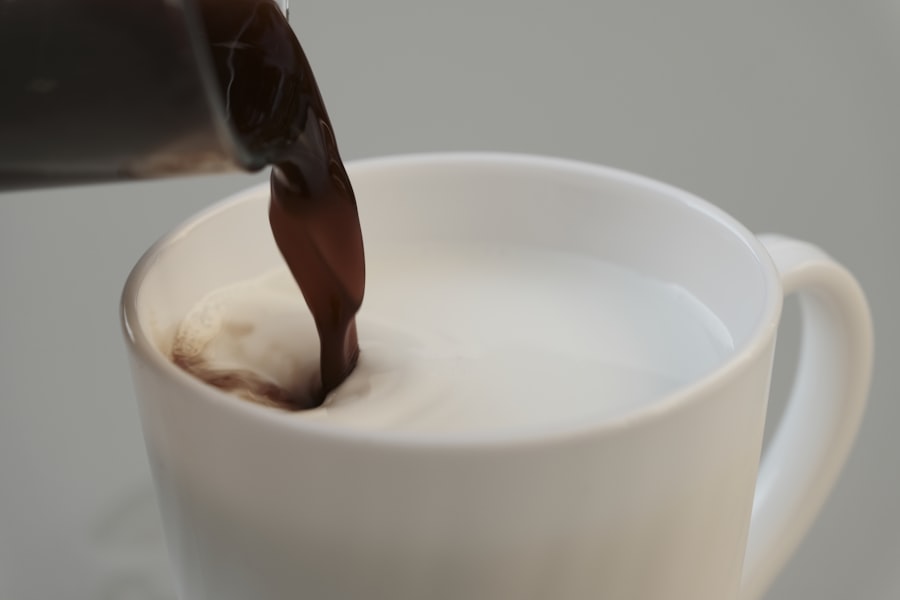
The pivot towards skim milk, driven by the low-fat paradigm, has inadvertently led to a cascade of effects on your dietary patterns and metabolic health, some of which are proving to be detrimental rather than beneficial.
Compensatory Eating and Increased Carbohydrate Intake
When you choose skim milk over whole milk, you’re not just reducing fat; you’re also reducing the caloric density and satiating power of your dairy intake. This often leads to a phenomenon known as compensatory eating. Your body, still seeking satisfaction and energy, may prompt you to consume more carbohydrates or sugars to fill the void. This can manifest as an increased intake of sugary cereals, processed snacks, or sweetened beverages, effectively replacing one perceived dietary evil with another, potentially more insidious one. It’s like trying to patch a hole in a dam with a sieve; the problem shifts rather than being resolved.
The Sugar Dilemma: A Hidden Truth
To compensate for the loss of flavor and mouthfeel associated with fat removal, some skim milk products, particularly flavored varieties, often contain added sugars. While plain skim milk avoids this pitfall, the wider trend of substituting fat with sugar in processed foods, including certain dairy products, is a significant concern. Sugar, in excessive quantities, is now recognized as a major contributor to a host of metabolic problems, including insulin resistance, type 2 diabetes, and obesity. In the pursuit of a “fat-free” ideal, you might unwittingly be trading one dietary challenge for another.
Glycemic Load and Insulin Response
The fat in whole milk plays a crucial role in moderating the glycemic response of milk. When you consume whole milk, the fat slows down the digestion and absorption of lactose (milk sugar). This leads to a more gradual rise in blood sugar and a more tempered insulin response. Skim milk, without the buffering effect of fat, can lead to a more rapid spike in blood glucose and a corresponding surge in insulin. While not a concern for everyone, for individuals with insulin resistance or those at risk of metabolic disorders, this difference can be significant. It’s the difference between a gentle slope and a steep incline for your blood sugar levels.
Rediscovering the Wisdom of Traditional Diets
For centuries, across diverse cultures, full-fat dairy products were a dietary staple, valued for their nutritional density and satisfying properties. The modern aversion to whole milk is a relatively recent phenomenon, a nutritional experiment born out of the latter half of the 20th century.
Historical Consumption Patterns
Cast your mind back to historical diets. From the pastoral communities of Europe to the nomadic tribes of Africa, whole milk, butter, and cheese were integral components of food systems. These were not populations plagued by the chronic diseases we see today; in fact, many exhibited robust health and longevity. They intuitively understood the value of full-fat dairy, not just for its macronutrients but for its overall contribution to satiety and well-being. This ancient wisdom, however, was largely disregarded in the haste to modernize dietary guidelines.
The Role of Whole Foods in a Balanced Diet
The emphasis on extracting and isolating individual nutrients, rather than appreciating the synergy of whole foods, was a core tenet of the low-fat movement. Whole milk, like many other natural foods, offers a tapestry of nutrients that work in concert. When you selectively remove components, you disrupt this natural balance. A balanced diet, you know, prioritizes whole, unprocessed foods, allowing you to benefit from the complete spectrum of nutrients and their synergistic effects.
Recent discussions have emerged around the health benefits of different types of milk, particularly focusing on why skim milk is not necessarily healthier than whole milk. Many experts argue that whole milk, with its higher fat content, can actually promote better nutrient absorption and satiety, leading to healthier dietary choices overall. For a deeper understanding of this topic, you can explore a related article that delves into the misconceptions surrounding milk fat and its impact on health. Check it out here for more insights.
Navigating Modern Dietary Recommendations: A Call for Critical Thinking
| Metric | Skim Milk | Whole Milk | Notes |
|---|---|---|---|
| Fat Content | 0.1% – 0.3% | 3.25% – 3.5% | Skim milk has almost all fat removed, which reduces fat-soluble vitamins. |
| Calories (per 8 oz) | 80 | 150 | Lower calories in skim milk but may reduce satiety. |
| Vitamin A | Fortified (added back) | Natural | Vitamin A is fat-soluble; skim milk is often fortified to compensate. |
| Vitamin D | Fortified (added back) | Fortified (natural fat aids absorption) | Fat in whole milk helps absorption of vitamin D. |
| Satiety | Lower | Higher | Fat in whole milk promotes fullness and reduces hunger. |
| Blood Sugar Impact | Higher glycemic response | Lower glycemic response | Fat slows digestion, reducing blood sugar spikes. |
| Heart Health | No clear advantage | May improve lipid profiles | Some studies suggest whole milk fat may be neutral or beneficial. |
| Processing | More processed | Less processed | Skim milk undergoes fat removal and fortification. |
The shifting landscape of nutritional science can be disorienting. What was once hailed as gospel today is questioned tomorrow. This highlights the importance of critical thinking and a willingness to challenge established narratives, especially when they lack robust, long-term evidence.
Questioning Dogma: From Saturated Fat to Whole Milk
The tide is turning on the blanket condemnation of saturated fat. Recent research suggests that the effects of saturated fat on health are far more complex than previously understood, and that not all saturated fats are created equal. The source of saturated fat, and the overall dietary context in which it is consumed, play crucial roles. You should approach dietary recommendations with a healthy skepticism, understanding that science is an evolving process, not a collection of immutable truths.
Personalization of Diet: Listening to Your Body
Ultimately, the best diet for you is a personalized one. While general guidelines are useful, individual responses to different foods can vary significantly. Some individuals may thrive on lower-fat approaches, while others may feel more satiated and healthy with moderate amounts of full-fat dairy. Paying attention to your own body’s signals – your energy levels, satiety, and overall well-being – is paramount. Don’t let rigid dietary rules overshadow your own lived experience. Your body is a finely tuned instrument; learn to read its signals.
Conclusion: Re-evaluating Your Dairy Choices
The myth of skim milk’s unquestionable health superiority is unraveling. While it may offer a lower calorie option, the complete absence of fat can compromise nutrient absorption, reduce satiety, and potentially lead to compensatory eating patterns that are counterproductive to health goals. The nuanced understanding of dietary fat, the importance of whole foods, and the lessons from historical consumption patterns all point to a re-evaluation of our approach to dairy.
You are encouraged to consider whole milk, in moderation, as a nutrient-dense food that can play a valuable role in a balanced diet. Its fat content is not merely caloric ballast; it is a carrier for vital nutrients, a contributor to satiety, and a source of beneficial fatty acids. When you make your next trip to the dairy aisle, remember that the choice between skim and whole milk is not simply a matter of fat content, but a deeper consideration of nutrient synergy, satiety, and overall physiological impact. It’s time to move beyond the simplistic “fat is bad” narrative and embrace a more holistic and evidence-informed approach to your dietary choices. Your journey towards optimal health benefits from a discerning eye, one that understands that sometimes, the “lighter” option is not always the better one.
FAQs
1. Is skim milk lower in calories than whole milk?
Yes, skim milk contains fewer calories than whole milk because it has most of the fat removed. This reduction in fat leads to a lower calorie content per serving.
2. Does skim milk provide the same nutrients as whole milk?
Skim milk contains similar amounts of protein, calcium, and vitamins as whole milk, but it has less fat-soluble vitamins like A and D unless they are added back through fortification.
3. Is the fat in whole milk unhealthy?
The fat in whole milk includes saturated fat, which has been debated in terms of health impact. Recent research suggests that moderate consumption of whole milk fat may not be as harmful as once thought and can be part of a balanced diet.
4. Can drinking skim milk help with weight loss?
While skim milk is lower in calories, studies show that whole milk may promote satiety better due to its fat content, potentially helping with appetite control. Weight loss depends on overall diet and lifestyle rather than milk fat content alone.
5. Does skim milk taste different from whole milk?
Yes, skim milk has a thinner texture and less creamy taste compared to whole milk because it lacks the fat that contributes to milk’s richness and mouthfeel.