
Sunscreen bottles display a number followed by “SPF,” which stands for Sun Protection Factor. This rating measures the product’s effectiveness against ultraviolet B (UVB) radiation, the primary cause of sunburn and a contributing factor to skin cancer development.
For example, if unprotected skin burns after 10 minutes of sun exposure, SPF 30 sunscreen would theoretically extend that time to 300 minutes. This calculation serves as a basic guideline, though actual protection varies based on multiple environmental and application factors.
SPF 15 filters approximately 93% of UVB rays, while SPF 30 blocks roughly 97% of these harmful rays. The jump from SPF 30 to SPF 50 yields only a marginal improvement, blocking about 98% of UVB radiation. This logarithmic relationship means that higher SPF values do not provide proportionally greater protection, despite common consumer assumptions.
While SPF remains a critical consideration in sunscreen selection, it represents just one component of comprehensive sun protection strategy.
Key Takeaways
- SPF indicates the level of UVB protection but does not guarantee complete sun safety.
- Higher SPF values offer marginally better protection but can create a false sense of security.
- Reapplying sunscreen regularly is essential, as SPF effectiveness diminishes over time.
- High SPF sunscreens may pose potential health and environmental risks.
- Effective sun protection requires a balanced approach, including other measures beyond just SPF.
The Myth of Complete Protection: Why Higher SPF Doesn’t Guarantee Safety
Many people believe that using a higher SPF sunscreen means they are completely protected from sun damage. This myth can lead to a false sense of security, causing individuals to spend more time in the sun than they should. While higher SPF products do offer more protection against UVB rays, they do not provide complete safety.
No sunscreen can block 100% of UV rays, and relying solely on a high SPF can result in neglecting other essential sun safety practices. Moreover, the effectiveness of sunscreen is influenced by various factors such as skin type, application method, and environmental conditions. For example, if you apply a high SPF sunscreen too sparingly or fail to reapply it after swimming or sweating, you may not receive the level of protection indicated on the label.
This highlights the importance of understanding that while higher SPF can offer additional protection, it should not be viewed as a foolproof solution against sun damage.
The Role of UVA and UVB Rays in Sun Damage
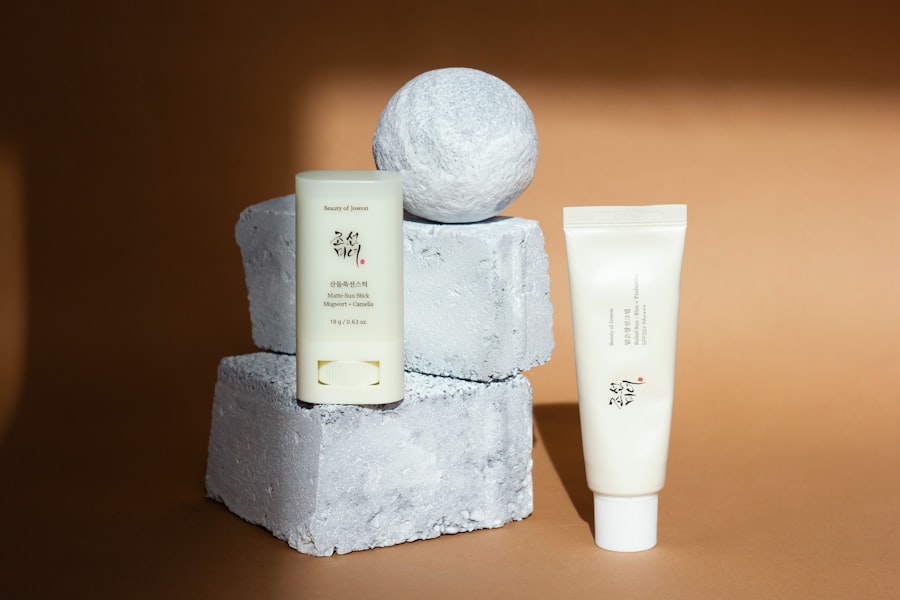
To fully grasp the importance of sunscreen, it’s essential to understand the two types of ultraviolet (UV) rays: UVA and UVUVB rays are primarily responsible for causing sunburn and are linked to skin cancer. On the other hand, UVA rays penetrate deeper into the skin and are associated with premature aging and long-term skin damage. Many sunscreens focus primarily on UVB protection, which can lead to inadequate defense against UVA rays.
When selecting a sunscreen, look for broad-spectrum products that protect against both UVA and UVB rays. This ensures that you are safeguarding your skin from immediate damage as well as long-term effects. Understanding the distinction between these two types of rays can empower you to make more informed choices about your sun protection strategy.
The Importance of Reapplying Sunscreen: Why SPF Isn’t a One-Time Solution
One of the most critical aspects of effective sun protection is reapplication. Many people mistakenly believe that applying sunscreen once in the morning is sufficient for an entire day at the beach or park. However, sunscreen can wear off due to sweating, swimming, or even just regular wear and tear throughout the day.
To maintain optimal protection, it is recommended to reapply every two hours or immediately after swimming or excessive sweating. Reapplying sunscreen is not just about maintaining the SPF level; it also helps ensure that your skin remains adequately protected from harmful UV rays throughout your time outdoors. By making reapplication a part of your routine, you can significantly reduce your risk of sunburn and long-term skin damage.
The Potential Risks of High SPF: Are We Trading Safety for False Security?
| Metric | Explanation | Impact on Safety |
|---|---|---|
| SPF Rating | Sun Protection Factor indicating UVB protection level | Higher SPF blocks more UVB but marginally beyond SPF 50 |
| UVB Protection Increase | SPF 30 blocks ~97%, SPF 50 blocks ~98%, SPF 100 blocks ~99% | Minimal increase in UVB protection with very high SPF |
| False Sense of Security | Users may stay longer in the sun, assuming full protection | Increased risk of UV damage due to prolonged exposure |
| Application Thickness | Higher SPF requires thicker, more even application to be effective | Improper application reduces actual protection, increasing risk |
| UVA Protection | SPF mainly measures UVB protection, not UVA | High SPF may not protect against UVA, which causes skin aging and cancer |
| Potential Chemical Exposure | Higher SPF sunscreens often contain more chemical filters | Increased risk of skin irritation or allergic reactions |
| Reapplication Frequency | Users may reapply less frequently with high SPF | Reduced reapplication leads to decreased overall protection |
While high SPF sunscreens may seem like an ideal choice for maximum protection, they can also pose risks. One significant concern is that individuals may feel overly confident using high SPF products, leading them to spend more time in the sun without taking additional precautions. This overexposure can increase the risk of skin damage and even skin cancer.
Additionally, some high SPF formulations may contain chemical ingredients that could irritate sensitive skin or cause allergic reactions. It’s essential to read labels carefully and consider your skin type when selecting a sunscreen. Instead of solely focusing on high SPF numbers, consider a balanced approach that includes proper application techniques and complementary sun safety measures.
The Environmental Impact of High SPF Sunscreens
As awareness grows about environmental issues, it’s important to consider the impact of high SPF sunscreens on marine ecosystems. Some chemical ingredients commonly found in sunscreens have been linked to coral bleaching and other forms of marine life disruption. For instance, oxybenzone and octinoxate are two chemicals that have been banned in certain locations due to their harmful effects on coral reefs.
Choosing environmentally friendly sunscreens can help mitigate these impacts while still providing adequate sun protection. Look for mineral-based sunscreens containing zinc oxide or titanium dioxide, which are generally considered safer for marine life. By making informed choices about your sunscreen, you can protect not only your skin but also the environment.
The Misconception of All-Day Protection: Why SPF 100 Doesn’t Mean You’re Covered for 10 Hours
A common misconception is that using an SPF 100 sunscreen means you are protected for an entire day without needing to reapply. In reality, no sunscreen provides all-day protection, regardless of its SPF rating. Factors such as sweating, swimming, and even towel-drying can diminish the effectiveness of sunscreen over time.
Understanding this limitation is crucial for effective sun safety. Even with high SPF products, you should still adhere to reapplication guidelines to ensure continuous protection throughout your outdoor activities. Remember that time spent in direct sunlight can vary greatly depending on various factors like location and time of year; thus, staying vigilant about reapplication is key.
The Need for Balanced Sun Protection: Why SPF Isn’t the Only Factor to Consider
While SPF is an important component of sun protection, it should not be your sole focus. Other factors play a significant role in how well you protect your skin from harmful UV rays. For instance, wearing protective clothing such as hats and long sleeves can provide additional barriers against sun exposure.
Seeking shade during peak sunlight hours—typically between 10 AM and 4 PM—can also help minimize your risk. Moreover, understanding your skin type and its specific needs can guide you in choosing the right products and practices for effective sun protection. By adopting a holistic approach that combines various strategies—such as using broad-spectrum sunscreen, wearing protective clothing, and seeking shade—you can significantly enhance your overall sun safety.
The Potential Health Risks of Higher SPF Sunscreens
While higher SPF sunscreens may seem like a safer option, they can come with potential health risks that are often overlooked. Some studies suggest that certain chemical ingredients found in high SPF formulations may disrupt hormones or cause skin irritation in sensitive individuals. Additionally, relying too heavily on high SPF products may lead people to neglect other important sun safety measures.
It’s essential to be aware of what you’re putting on your skin and how it may affect your health in the long run. Opting for mineral-based sunscreens with fewer chemical additives can be a safer choice for those concerned about potential health risks while still providing adequate sun protection.
The Role of Other Sun Protection Measures: Why SPF Shouldn’t Be the Sole Focus
Sunscreen is just one piece of the puzzle when it comes to effective sun protection. Other measures—such as wearing sunglasses with UV protection, seeking shade during peak hours, and wearing protective clothing—are equally important in safeguarding your skin from harmful UV rays. By combining these strategies with proper sunscreen use, you create a comprehensive approach to sun safety.
Incorporating these additional measures into your routine not only enhances your overall protection but also reinforces the idea that sunscreen alone cannot provide complete safety from sun damage. A multi-faceted approach ensures that you are taking every possible step to protect your skin while enjoying outdoor activities.
Finding the Right Balance: How to Choose the Right SPF for Your Needs
Choosing the right SPF involves understanding your unique needs and lifestyle factors. If you have fair skin or a history of skin cancer in your family, opting for a higher SPF may be wise. Conversely, if you have darker skin or plan to spend limited time outdoors, a lower SPF might suffice.
It’s essential to assess your individual circumstances when selecting a product. Additionally, consider factors such as activity level and environment when choosing an SPF level. If you’re engaging in water sports or activities that cause sweating, look for water-resistant formulas that maintain their effectiveness even when exposed to moisture.
Ultimately, finding the right balance between adequate protection and practical use will help ensure that you enjoy the outdoors safely while minimizing your risk of sun damage. In conclusion, understanding sunscreen’s complexities goes beyond simply choosing a high SPF number. By educating yourself about various factors such as UVA/UVB rays, reapplication needs, environmental impacts, and complementary protective measures, you can make informed decisions that prioritize both your health and well-being while enjoying time in the sun.
While many people believe that higher SPF ratings provide significantly better protection from the sun, recent discussions suggest that this may not be the case. In fact, some studies indicate that higher SPF can lead to a false sense of security, causing individuals to spend more time in the sun without reapplying sunscreen. For a deeper understanding of this topic, you can read more in the article found at Hey Did You Know This.
FAQs
What does SPF stand for in sunscreen?
SPF stands for Sun Protection Factor. It measures how well a sunscreen protects the skin from UVB rays, which are the main cause of sunburn and contribute to skin cancer.
Why might higher SPF sunscreens be considered less safe?
Higher SPF sunscreens can give a false sense of security, leading people to stay in the sun longer or apply less sunscreen than needed. Additionally, some high SPF products contain higher concentrations of chemical filters, which may increase the risk of skin irritation or allergic reactions.
Does a higher SPF provide exponentially better protection?
No, the increase in protection is not proportional. For example, SPF 30 blocks about 97% of UVB rays, while SPF 50 blocks about 98%. The difference in protection between very high SPFs (e.g., 70 or 100) and SPF 50 is minimal.
Can high SPF sunscreens cause skin irritation?
Yes, some high SPF sunscreens contain more chemical UV filters or higher concentrations of active ingredients, which can increase the likelihood of skin irritation, especially for sensitive skin.
Is it better to use a lower SPF sunscreen more frequently?
Yes, applying a broad-spectrum sunscreen with SPF 30 to 50 regularly and in sufficient amounts is generally more effective and safer than relying on a very high SPF sunscreen applied infrequently.
What is the recommended amount of sunscreen to apply?
Experts recommend applying about one ounce (a shot glass full) of sunscreen to cover the entire body 15 minutes before sun exposure and reapplying every two hours, or more often if swimming or sweating.
Are physical (mineral) sunscreens safer than chemical sunscreens?
Physical sunscreens containing zinc oxide or titanium dioxide are generally considered safer for sensitive skin and have a lower risk of irritation. They also provide broad-spectrum protection and start working immediately upon application.
Should I rely solely on sunscreen for sun protection?
No, sunscreen should be part of a comprehensive sun protection strategy that includes seeking shade, wearing protective clothing, hats, and sunglasses, and avoiding peak sun hours.
Can high SPF sunscreens prevent all skin damage from the sun?
No sunscreen can block 100% of UV rays. Even with sunscreen, some UV exposure occurs, so additional protective measures are important to reduce the risk of skin damage and skin cancer.