
The mattress industry, a ubiquitous presence in nearly every home, operates on a complex and often opaque system that can lead consumers to believe they are purchasing a product of superior value when, in many cases, the cost is inflated far beyond its intrinsic worth. This phenomenon has led to the perception, and in many instances, the reality, of a “costly scam” within the mattress market. The illusion of necessity and the pervasive marketing efforts contribute to a cycle of overspending that benefits manufacturers and retailers at the expense of the average consumer.
The perception of a premium mattress is a carefully cultivated narrative, a story woven through decades of advertising and retail strategy. Consumers are often led to believe that the price tag directly correlates with quality, durability, and sleep-enhancing benefits. This is a convenient simplification, but it overlooks the intricate pricing mechanisms and the considerable profit margins inherent in the industry.
The Psychology of Price and Quality
The human brain is remarkably adept at associating higher prices with superior quality. This heuristic, while often useful, can be exploited. In the mattress industry, this psychological bias is a powerful tool. Retailers often feature a tiered selection of mattresses, with the most expensive models prominently displayed and accompanied by the most persuasive marketing language. The implication is that these high-priced options represent the pinnacle of sleep technology and comfort, a necessary investment in one’s well-being. This strategy, dubbed “anchoring bias,” sets a high benchmark, making even moderately expensive mattresses seem like a reasonable compromise. The consumer, desiring the best, is nudged towards the upper echelons of pricing, often irrespective of the actual marginal improvement in sleep quality.
The Illusion of Innovation
The mattress industry is rife with claims of revolutionary materials and groundbreaking designs. Terms like “memory foam,” “gel-infused,” “hybrid,” and “orthopedic” are deployed with the frequency of buzzwords at a tech conference. While some of these innovations may offer tangible benefits, the marketing often exaggerates their impact and novelty. The consumer is presented with a parade of supposed breakthroughs, each promising a more restorative night’s sleep, justifying a higher price point. This relentless pursuit of “new” often masks incremental changes or, in some cases, repackaged older technologies. It’s akin to a chef constantly announcing a “new secret ingredient” when the fundamental recipe remains the same, only with a slightly different spice blend.
The Role of Brand Prestige
Established mattress brands carry a weight of perceived authority and trust. Decades of advertising, celebrity endorsements, and a ubiquitous presence in retail spaces have cemented their position in the consumer’s mind. This brand prestige allows them to command higher prices, even when competitors offer comparable products at a lower cost. The consumer is essentially paying a premium for the brand name, the assurance of familiarity, and the perceived reduced risk associated with a trusted label. This is not to say these brands are inherently inferior, but rather that their pricing reflects a significant component of brand equity, which doesn’t always translate directly into superior product performance. It’s like choosing a designer handbag over a functional, well-made but unbranded equivalent; the value is partly in the logo.
Many consumers are becoming increasingly aware of the hidden pitfalls within the mattress industry, leading some to label it a scam. A related article that delves deeper into this topic can be found at Hey Did You Know This, where it explores the marketing tactics and pricing strategies that often leave customers feeling misled. The piece highlights how inflated prices and misleading claims can lead to confusion, prompting buyers to question the true value of their purchases.
The Arbitrage of the Retail Space
The traditional mattress retail landscape is a significant contributor to inflated prices. Brick-and-mortar stores come with substantial overhead costs, and the commission-based sales model incentivizes pushing higher-priced items. This physical retail model provides a fertile ground for profit maximization, often at the expense of consumer savings.
The Overhead Burden
Leasing prime retail locations, staffing sales teams, maintaining inventory, and marketing efforts all contribute to a substantial overhead for mattress stores. These costs are inevitably passed on to the consumer in the form of higher retail prices. The tangible presence of a showroom, while offering the tangible benefit of trying before buying, comes at a cost that is not always transparently reflected in the product’s manufacturing expenses. The consumer is, in essence, subsidizing the existence of these physical showrooms.
The Commission-Driven Sales Machine
Mattress sales associates are often compensated through commissions, meaning their income is directly tied to the sale of higher-priced items. This creates an inherent bias in the sales process. Associates are incentivized to steer customers towards more expensive mattresses, not necessarily because they are the best fit for the individual’s needs, but because they offer a larger commission. This dynamic can lead to pressure tactics and a focus on features that justify a higher price, rather than a genuine assessment of what the customer truly requires for optimal sleep. The mattress store becomes a battleground of persuasion, where your wallet is the target.
The “Set” Pricing Ploy
Retailers often encourage the purchase of a matching mattress and foundation (box spring) ensemble. This practice can be a subtle way to increase the overall transaction value. While a properly supporting foundation is important for many mattresses, the necessity of purchasing a specific, often overpriced, branded foundation can inflate the total cost. Consumers may be led to believe that a generic or lower-cost alternative will void warranties or negatively impact performance, a claim that is not always substantiated. This creates a captive market for the foundation, further contributing to the inflated total cost of a “bed system.”
The Rise of Online Mattress Retailers and the Shifting Landscape

The advent of online mattress retailers, often referred to as “bed-in-a-box” companies, disrupted the traditional model and offered consumers a glimpse into a potentially more cost-effective way to purchase a mattress. However, even this seemingly transparent approach is not entirely devoid of its own strategies for profit maximization.
Direct-to-Consumer Advantages
Online retailers bypass the overhead associated with brick-and-mortar stores, allowing them to offer mattresses at potentially lower prices. This direct-to-consumer model removes several layers of the traditional retail markup. The savings are often passed on to the customer, making these options attractive for budget-conscious consumers. This is the democratizing force in the mattress market, breaking down the old guard’s pricing walls.
The Marketing Mirage of Convenience
While the “bed-in-a-box” concept emphasizes convenience, the marketing often sells more than just a mattress. It sells a lifestyle of effortless comfort and modern living. The unboxing experience is often meticulously crafted to be a social media-worthy event, adding a layer of perceived value that extends beyond the physical product. This curated unboxing becomes a storytelling element, a performance that elevates the mattress from a functional item to an aspirational purchase.
The “Trial Period” Game
Online mattress companies often offer lengthy trial periods, encouraging consumers to purchase without the ability to try the mattress in person. While this is a valuable consumer safeguard, it also serves a strategic purpose. Many customers who order a mattress online do not return it. The cost of returns, while present, is often offset by the high volume of sales and the fact that many returns are refurbished or resold at a discount, creating a secondary profit stream. The trial period is a sophisticated gamble, with the odds often tilted in favor of the retailer.
The Hidden Costs and Deceptive Practices
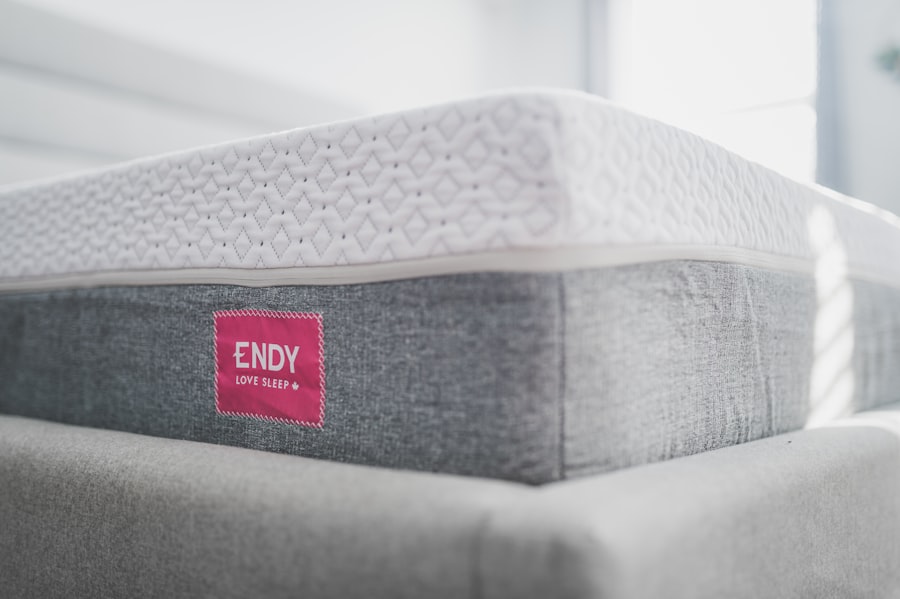
Beyond the visible price tags and marketing strategies, there are often hidden costs and deceptive practices embedded within the mattress industry that contribute to the perception of a costly scam.
The Manufacturer’s Markup and “Planned Obsolescence”
Mattress manufacturers often operate with significant profit margins built into their pricing structures. Materials used in mattresses, while seemingly complex, can be relatively inexpensive in bulk. The cost of foam, springs, and fabrics, when amortized over the lifespan of the mattress and considering the wholesale price, is often considerably lower than the retail price. Furthermore, while not always explicitly stated, there’s a subtle implication of planned obsolescence. Mattresses are not designed to last indefinitely. Their lifespan, while variable, is often shorter than consumers might assume, encouraging more frequent replacements and thus a continuous revenue stream for manufacturers. It’s a slow drip of depreciation, designed to ensure you’ll be back at the store sooner rather than later.
The “Sleep Science” Fakery
The industry frequently employs “sleep scientists” and touts studies to validate the efficacy of their products. However, a critical examination of these claims can reveal a lack of independent verification and a heavy reliance on self-funded research. The language of science is used to lend an air of credibility to marketing, creating a smokescreen of expertise that can be difficult for the average consumer to penetrate. This creates an aura of scientific legitimacy around products where the primary objective is profit.
The Warranty as a Walled Garden
Mattress warranties are often presented as a significant consumer protection, but they can be a minefield of exclusions and limitations. Consumers may find that their warranty is voided by minor infractions, such as improper support, stains, or even the formation of body impressions that are within the manufacturer’s accepted tolerance. The “fine print” often acts as a series of tripwires, designed to limit the manufacturer’s liability and ensure that most “defective” mattresses are never actually replaced for free. Navigating a mattress warranty can feel like trying to find a needle in a haystack of Legalese.
Many consumers are becoming increasingly aware of the hidden practices within the mattress industry that suggest it may be more of a scam than a legitimate market. For instance, a recent article explores the deceptive marketing tactics used by mattress companies, revealing how they often inflate prices before offering discounts that are not as substantial as they seem. If you’re curious about these tactics and want to learn more, you can read the full discussion in this insightful piece found here. Understanding these strategies can empower consumers to make more informed decisions when purchasing a mattress.
Strategies for Navigating the Mattress Minefield
| Metric | Industry Average | Explanation |
|---|---|---|
| Markup Percentage | 200% – 400% | Mattresses are often sold at prices 2 to 4 times higher than their manufacturing cost. |
| Commission for Salespeople | Up to 50% | High commissions incentivize aggressive upselling and pressure tactics. |
| Average Mattress Lifespan | 7-10 years | Despite high prices, many mattresses degrade faster than advertised, leading to frequent replacements. |
| Return Policy Duration | 30-90 days | Short trial periods limit consumer ability to test mattress comfort over time. |
| Advertising Spend | Up to 20% of retail price | High marketing costs are passed on to consumers, inflating prices. |
| Number of Mattress Brands | 1000+ | Market saturation creates confusion, making it difficult for consumers to make informed choices. |
While the mattress industry can feel like a labyrinth of deceptive practices, consumers are not entirely without recourse. By adopting a strategic and informed approach, one can mitigate the risk of overspending and find a mattress that offers genuine value.
Research Beyond the Showroom
Before entering a mattress store or browsing online, dedicate time to thorough research. Read independent reviews from reputable sources, focusing on objective assessments of comfort, durability, and support. Understand the different types of mattress materials and their pros and cons. Familiarize yourself with common industry jargon and be wary of extravagant claims about miraculous sleep advancements. Arm yourself with knowledge before you step into the sales arena.
Prioritize Essential Features
Identify your primary sleep needs and priorities. Are you a side sleeper who needs significant pressure relief? Do you overheat at night and require a cooling mattress? Are you seeking firm support for back issues? Focus on mattresses that directly address these core requirements, rather than being swayed by extraneous features or marketing hype. Don’t be a moth drawn to the brightest, but potentially most blinding, flame.
Embrace the “Bed-in-a-Box” with Caution
Online mattress retailers can offer significant savings, but vigilance is still required. Carefully examine their return policies and understand the conditions under which you can return the mattress. Look for companies with transparent pricing and a history of fair practices. Consider purchasing from retailers that offer shorter, risk-free trial periods if extended trials are not feasible.
Negotiate and Question Aggressively
In traditional retail settings, do not shy away from negotiating the price. Retailers often have significant room for markdowns, especially during sales events. Question the sales associate about the actual composition of the mattress materials and the reasons for the price difference between models. Don’t be afraid to walk away if you feel pressured or if the price does not seem justified by the product’s demonstrable value.
Consider Refurbished or Open-Box Options
For the truly budget-conscious, exploring refurbished or open-box mattresses can be a viable option. Many online retailers offer these at substantial discounts. Ensure you understand the warranty and any potential cosmetic imperfections before purchasing. This can be a way to acquire a high-quality mattress at a fraction of its original price, bypassing much of the industry’s inherent markup.
The mattress industry, by its very nature and the strategies employed within it, often presents a scenario where the perceived value is significantly higher than the actual cost of production. While finding a comfortable and supportive mattress is a genuine need, the market’s complexities can transform this necessity into an expensive proposition. By understanding the underlying mechanisms and adopting a more informed consumer approach, individuals can better navigate this landscape and avoid becoming casualties of a costly scam.
FAQs
1. Why do some people consider the mattress industry to be a scam?
Many consumers feel the mattress industry is a scam due to high markups, confusing pricing strategies, and aggressive sales tactics that pressure buyers into expensive purchases.
2. Are mattress prices generally inflated compared to production costs?
Yes, mattress prices often include significant markups. The cost to produce a mattress is typically much lower than the retail price, with some estimates suggesting markups of 100% or more.
3. How do mattress companies use marketing to influence buyers?
Mattress companies frequently use limited-time offers, complex discount structures, and in-store pressure to create a sense of urgency, encouraging consumers to make quick decisions without thorough comparison.
4. Is it necessary to buy an expensive mattress for good quality?
Not necessarily. While some high-end mattresses offer advanced features, many affordable mattresses provide good comfort and durability. Researching materials and customer reviews can help find quality options at various price points.
5. What can consumers do to avoid being scammed when buying a mattress?
Consumers should research mattress types, compare prices online, read unbiased reviews, understand return policies, and avoid high-pressure sales environments to make informed purchasing decisions.