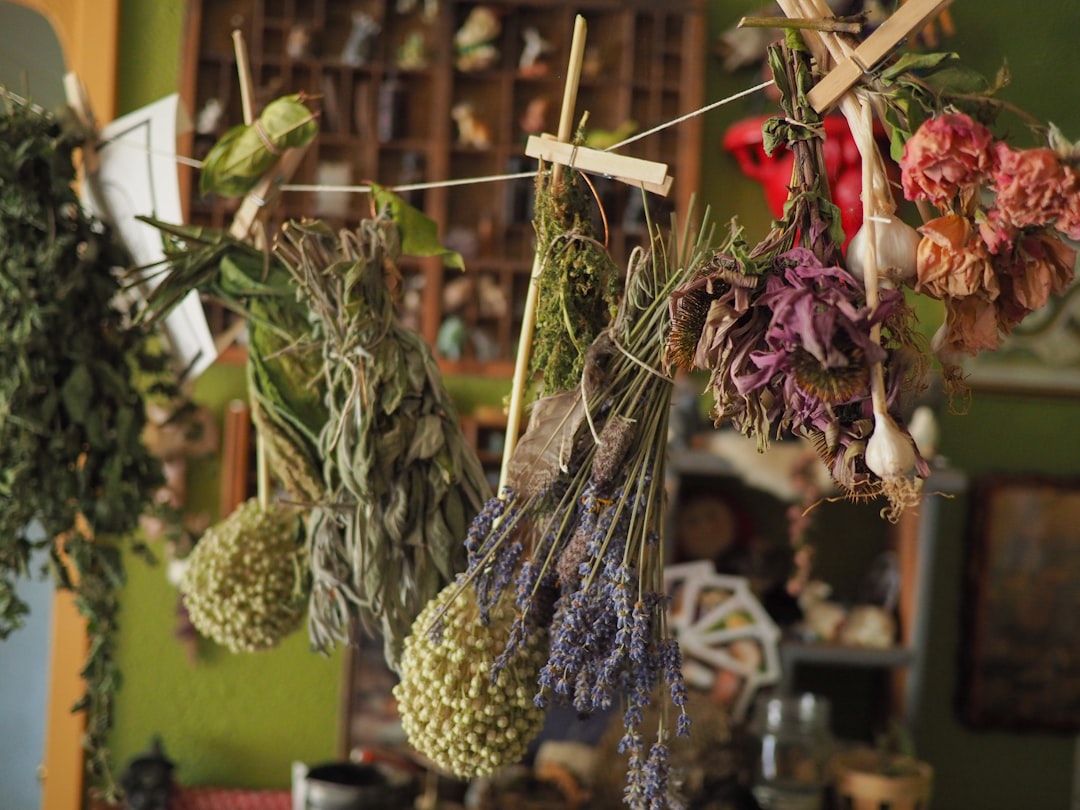
You stand at a crossroads in your understanding of health. For generations, your ancestors leaned on the wisdom of the earth, their pharmacies blooming in forests and fields. Yet, as you navigate the modern healthcare landscape, you might notice that this ancient knowledge often feels like a whisper in a hurricane of synthetic solutions. This is the story of the marginalization of natural and herbal medicine, a phenomenon that has subtly reshaped your access to and acceptance of time-tested remedies.
You are bombarded with messages about the latest pharmaceutical breakthroughs. These are the shiny new tools in the medical toolbox, lauded for their precision and targeted action. This dominance is not accidental; it’s the result of a deliberate and powerful shift in how we define and pursue health.
The Scientific Revolution and its Legacy
The scientific revolution, a beacon of rational inquiry that illuminated the natural world, also cast a long shadow over traditional practices. The microscope revealed the infinitesimal building blocks of life, and the laboratory became the altar of discovery. In this new paradigm, observable, quantifiable, and reproducible results became the gold standard. Natural and herbal medicine, often relying on empirical observation passed down through generations, struggled to fit neatly into this new, rigid framework.
The Demand for Empirical Evidence
You are conditioned to ask for evidence. You expect treatments to be backed by clinical trials, by statistical significance. This is a valid expectation in a world driven by data. However, the methodologies developed to test isolated chemical compounds are not always well-suited to evaluating whole plant remedies, which contain a complex symphony of bioactive compounds working in synergy.
The Pharmaceutical Industry’s Economic Muscle
The pharmaceutical industry is a titan. Its research and development budgets dwarf those of many nations. This financial might translates directly into lobbying power, marketing campaigns, and the ability to fund extensive research that often favors their proprietary products. You see their advertisements on television, on billboards, and in the waiting rooms of your doctors. This constant presence shapes your perceptions and preferences.
The Industrialization of Healthcare
The 20th century saw a dramatic industrialization of healthcare. Factories capable of mass-producing standardized drugs replaced the apothecary’s careful preparation of remedies. This shift brought about unprecedented access to treatments for many, but it also led to a homogenization of medical approaches.
Standardization vs. Variability
Pharmaceutical drugs are, by design, standardized. Each pill contains a precise dose of a specific compound. This standardization offers predictability. However, plants, as living organisms, are inherently variable. Their chemical composition can fluctuate based on soil type, climate, harvesting time, and processing methods. This variability, once seen as a source of potential, is now often viewed as a liability in a rigidly controlled system.
The Cost of Innovation and Regulation
Bringing a new drug to market is an astronomically expensive endeavor, often costing billions of dollars and taking years of rigorous testing. This colossal investment necessitates a return, which drives the pricing of pharmaceuticals. While natural medicines may require research and quality control, they generally do not carry the same regulatory hurdles or proprietary protection, making their market entry and pricing structures fundamentally different.
Natural and herbal medicine has often been marginalized in favor of conventional medical practices, a trend that can be traced back to the rise of pharmaceutical companies and the standardization of medical education. An insightful article that delves into this topic is available at Hey Did You Know This, which explores the historical context and societal factors that have contributed to the diminished status of alternative healing methods. This examination sheds light on the ongoing debate between traditional practices and modern medicine, highlighting the need for a more integrative approach to health and wellness.
Devaluation Through Regulatory Hurdles
Navigating the regulatory landscape is a labyrinth, and for natural and herbal medicines, it’s often a maze designed for a different kind of traveler. The very systems put in place to ensure safety and efficacy can inadvertently serve as barriers to their widespread acceptance.
The Drug Approval Process: A Mismatched Framework
The process for approving synthetic drugs, overseen by bodies like the FDA in the United States or the EMA in Europe, is designed for single-molecule entities. It demands extensive pre-clinical and clinical trials to establish safety and efficacy for specific indications.
Challenges in Isolating and Standardizing Active Compounds
As mentioned, the complexity of herbal preparations makes it difficult to isolate and standardize a single “active ingredient.” You might hear that a particular herb contains dozens or even hundreds of beneficial compounds. While this can offer a synergistic therapeutic effect, proving that effect in a way that satisfies regulatory bodies accustomed to single-target mechanisms is a significant challenge. It’s like trying to prove the taste of a complex symphony by analyzing only one note at a time.
The Burden of Proof for Traditional Knowledge
The burden of proof often falls disproportionately on those advocating for natural medicines. While pharmaceutical companies spend fortunes on clinical trials, traditional knowledge, accumulated over centuries, is often dismissed as anecdotal. You are taught to respect scientific evidence, and when empirical knowledge isn’t codified in the same way as a research paper, its weight in the decision-making process diminishes.
Lack of Funding for Research
The economic drivers discussed earlier significantly impact research funding. Pharmaceutical companies fund research into their own products. Independent researchers or organizations advocating for natural medicines often struggle to secure substantial grants. This creates a vicious cycle: a lack of research leads to a lack of data, which in turn makes it harder to secure funding for further research.
The “Orphan Drug” Analogy
While not a perfect analogy, consider the concept of “orphan drugs” – medications for rare diseases that are not profitable for large pharmaceutical companies to develop. Similarly, many natural remedies, particularly those used traditionally in specific communities or for common ailments, may not present a sufficiently lucrative market to attract significant investment for large-scale, randomized controlled trials according to pharmaceutical standards.
Dissemination and Education Gaps

Even when evidence exists or is being gathered, its dissemination and integration into mainstream medical education and practice remain a significant challenge. The modern medical curriculum is a vast ocean, and courses on phytotherapy or traditional medicine are often mere islands, if they exist at all.
Limited Inclusion in Medical Curricula
You, as a patient, rely on your healthcare provider’s knowledge. If that knowledge is not systematically taught and reinforced during their formative medical education, their ability to confidently and competently recommend or even discuss natural and herbal therapies will be limited.
The Emphasis on Allopathic Medicine
Medical schools are primarily designed to train practitioners in allopathic medicine – the dominant system of treating disease, usually with drugs or surgery whose effects are well-documented and understood in terms of the body’s biochemistry. While some programs may offer electives or incorporate some complementary and alternative medicine (CAM) topics, it’s rarely a core component.
The “Alternative” Label as a Stumbling Block
The very term “alternative” can be detrimental. It implies that these approaches are separate from, or even in opposition to, conventional medicine. This framing can foster suspicion rather than curiosity and collaboration. You might hear about “alternative treatments” as a last resort, not as a complementary or primary option.
The Power of Marketing and Media Portrayal
The media plays a crucial role in shaping public perception. Pharmaceutical advertising is pervasive and heavily regulated, but it still influences you. Herbal remedies, on the other hand, often face restrictions on their marketing claims, making it harder for them to compete for attention.
Sensationalism and Misinformation
When natural or herbal medicine does gain media attention, it can sometimes be through sensationalized stories of miraculous cures or, conversely, warnings about dangerous side effects. This black-and-white portrayal often lacks nuance and can contribute to a polarized view, preventing a balanced understanding.
The Influence of Celebrity Endorsements vs. Scientific Reviews
You are more likely to see a celebrity touting a new supplement than a peer-reviewed meta-analysis of an herbal compound in mainstream media. This disconnect between popular appeal and scientific rigor further contributes to the marginalization of evidence-based traditional practices.
Economic and Political Factors

The marginalization of natural and herbal medicine is not solely a scientific or educational issue; it’s deeply intertwined with economic and political forces that often favor established power structures.
Pharmaceutical Lobbying and Influence
The pharmaceutical industry is a formidable lobbying force. It actively engages with policymakers to influence legislation, regulatory policies, and healthcare funding decisions. This influence can shape which treatments are prioritized, reimbursed, and recommended by healthcare systems.
Impact on Reimbursement Policies
If your health insurance plan does not cover consultations with herbalists or the cost of certain herbal preparations, it creates a significant economic barrier to their use. This lack of reimbursement is often a direct consequence of regulatory frameworks and lobbying efforts that prioritize conventionally approved treatments.
Intellectual Property and Profit Motives
The intellectual property protection afforded to synthetic drugs allows companies to recoup their research investments and generate profits. Many plant-based remedies are not patentable in the same way, meaning there is less direct financial incentive for large corporations to invest heavily in their development and widespread promotion within the current economic model.
The “Drug War” Mentality in Healthcare
In some ways, the approach to health can resemble a “drug war.” The focus is on eradicating symptoms with potent, often synthetic, weapons. Natural and herbal medicines, which sometimes work more gradually or by supporting the body’s own healing processes, may not fit neatly into this aggressive, symptom-focused paradigm.
The Perception of “Weak” or “Ineffective” Treatments
There’s an unfortunate perception that if a treatment isn’t a powerful, rapidly acting drug, it must be weak or ineffective. This is a simplistic binary that overlooks the value of gentle, supportive, and preventive approaches to health.
The Influence of Medical-Industrial Complex
The “medical-industrial complex,” a term coined by Milton Eisenhower, describes the web of relationships between healthcare providers, pharmaceutical companies, and government agencies. This complex often prioritizes profit and the status quo, making it challenging for less profitable or less established approaches to gain traction.
The marginalization of natural and herbal medicine can be attributed to various factors, including the rise of pharmaceutical industries and the emphasis on evidence-based practices in modern healthcare. Many practitioners and patients have turned to conventional medicine for its perceived reliability and scientific backing, often overlooking the benefits that traditional remedies can offer. For a deeper understanding of this issue, you can explore a related article that discusses the historical context and societal shifts that led to this phenomenon. To read more about it, visit this insightful article.
Reclaiming an Ancient Wisdom For Your Well-being
| Reasons for Marginalization | Metrics |
|---|---|
| Lack of scientific evidence | Low number of clinical trials and research studies |
| Regulatory challenges | Stringent regulations and limited approval processes |
| Pharmaceutical industry influence | High investment in synthetic drugs and marketing |
| Perception as alternative or complementary | Not considered mainstream or primary treatment |
| Limited education and awareness | Lack of understanding among healthcare professionals and the public |
Despite the forces that have pushed natural and herbal medicine to the periphery, you are not without agency. The growing interest in holistic health and well-being suggests a burgeoning desire to reconnect with these ancient practices.
The Power of Informed Choice
Your understanding is your power. By educating yourself about the principles of natural and herbal medicine, understanding their potential benefits and limitations, and critically evaluating information, you can make more informed choices about your health.
Seeking Qualified Practitioners
As the landscape shifts, you may find qualified herbalists, naturopaths, and other practitioners who can guide you in safely and effectively incorporating natural remedies into your health regimen. They can act as bridges between traditional knowledge and your modern healthcare needs.
Advocating for Integration and Research
You can advocate for greater research into natural and herbal medicines and for their integration into mainstream healthcare. Supporting organizations that promote evidence-based natural health practices and engaging in discussions with your healthcare providers can contribute to this shift.
The Growing Body of Evidence
While there are still gaps, the body of scientific evidence supporting the efficacy of many natural compounds and herbal preparations is growing. More researchers are employing modern scientific methods to investigate traditional remedies, providing a stronger foundation for their acceptance.
The Role of Phytomedicine Research
The field of phytomedicine (plant medicine) is evolving, with reputable institutions conducting rigorous studies. Advances in analytical chemistry and biological assays allow for a deeper understanding of the mechanisms of action of plant constituents.
Community-Based Evidence and Observational Studies
Beyond formal clinical trials, communities that have relied on herbal traditions for generations possess invaluable empirical data. Increasingly, researchers are looking to these community-based observations and conducting longitudinal studies that can complement randomized controlled trials.
A Holistic Perspective on Health
Ultimately, the marginalization of natural and herbal medicine represents a disconnect from a more holistic understanding of health. It’s a reminder that your body is a complex ecosystem, and that nature offers a vast, often underestimated, pharmacopoeia. By recognizing this, you can choose to integrate these time-tested wisdoms back into your journey towards optimal well-being. The green tendrils of ancient knowledge, though sometimes obscured, are still reaching out, offering nourishment and healing, if you choose to look for them.
FAQs
1. What is natural and herbal medicine?
Natural and herbal medicine refers to the use of plants, herbs, and other natural substances to treat and prevent illness. It has been used for centuries in various cultures around the world.
2. Why has natural and herbal medicine been marginalized?
Natural and herbal medicine has been marginalized due to the rise of modern medicine and pharmaceuticals, which have become the dominant form of healthcare in many parts of the world. Additionally, there has been a lack of scientific research and regulation surrounding natural and herbal medicine, leading to skepticism and distrust from the medical community.
3. What are the potential benefits of natural and herbal medicine?
Natural and herbal medicine can offer a range of potential benefits, including fewer side effects, lower cost, and a focus on holistic health and wellness. Many people also believe that natural and herbal medicine can be more sustainable and environmentally friendly.
4. What are the potential risks of natural and herbal medicine?
Some potential risks of natural and herbal medicine include lack of standardization and regulation, potential interactions with other medications, and limited scientific evidence supporting their efficacy and safety. It’s important to consult with a healthcare professional before using natural and herbal remedies.
5. Is there a growing interest in natural and herbal medicine today?
Yes, there is a growing interest in natural and herbal medicine, as more people seek alternative and complementary forms of healthcare. This has led to an increase in research and regulation surrounding natural and herbal medicine, as well as a greater acceptance within the medical community.