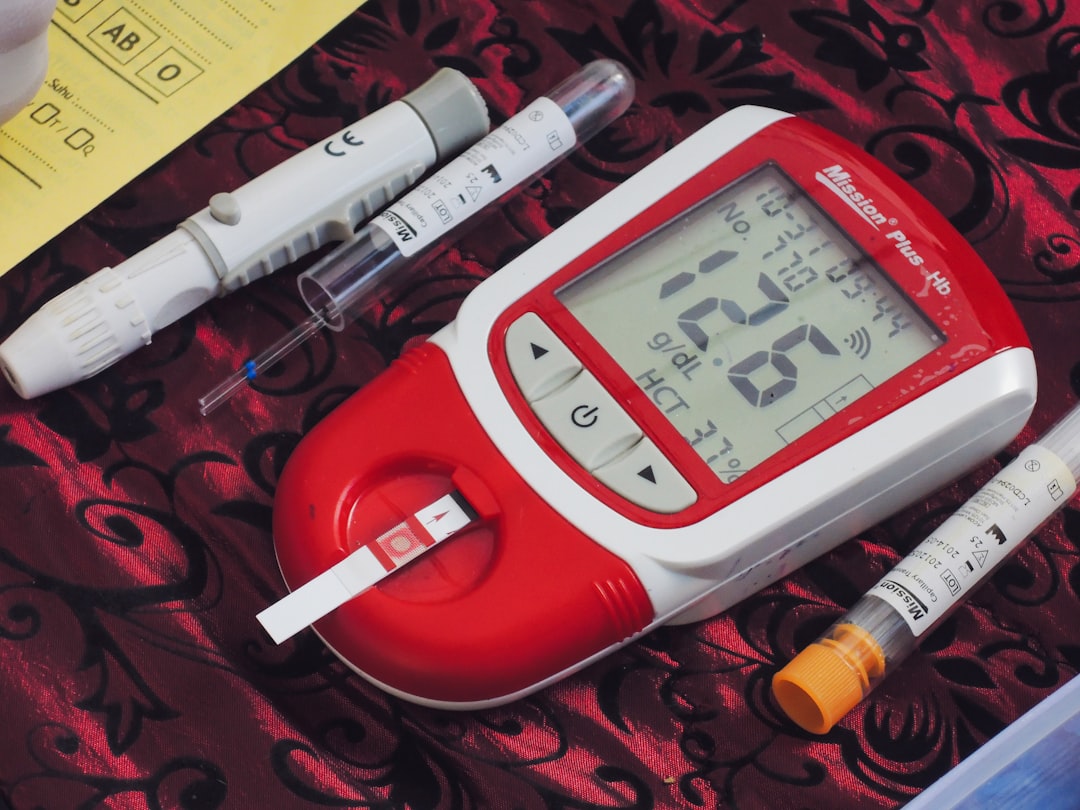
You are a patient managing a chronic condition like diabetes. Your life, in many ways, hinges on the availability of insulin. It’s the crucial cog in the machinery of your body, the key that unlocks glucose for your cells. For years, you’ve navigated a labyrinth of prescriptions, pharmacies, and, increasingly, baffling price tags. But the sticker price you see at the pharmacy counter is not the whole story. You’re about to delve into a complex ecosystem where rebates, designed to offer discounts, have become a potent tool in manipulating the very cost of that life-sustaining medication.
You might imagine a rebate as a simple refund, a straightforward reduction in cost where everyone benefits. In the world of insulin pricing, however, this picture is far more intricate. Rebates are essentially agreed-upon discounts that drug manufacturers offer to health insurers and pharmacy benefit managers (PBMs) in exchange for preferential formulary placement. Think of it as a negotiation, with the list price of insulin serving as the starting point for a complex game of chess.
What is a Rebate in the Pharmaceutical Context?
At its core, a rebate is a financial incentive paid by the drug manufacturer to an intermediary, typically the PBM, after a prescription has been filled. These payments are not typically passed directly to the patient. Instead, they are designed to influence which drugs are favored on insurance formularies – the lists of covered medications. For insulin, this means that drugs with higher list prices, but offering substantial rebates, can be placed in more favorable tiers, leading to lower out-of-pocket costs for the patient at the point of sale if the formulary is structured this way.
The Role of Pharmacy Benefit Managers (PBMs)
PBMs act as intermediaries between you, your insurer, and the drug manufacturers. They negotiate drug prices on behalf of large groups of employers and health plans. You can liken them to the conductors of an orchestra, orchestrating the flow of medications and their associated costs. They wield significant power in determining which drugs are accessible and at what price. Their incentive structure, however, has become a point of contention. The larger the rebate a PBM can secure, the more attractive they appear to their clients (insurers and employers).
The Manufacturer’s Perspective
From the manufacturer’s standpoint, offering rebates is a strategic imperative in a highly competitive market. The list price of a drug is the initial negotiating chip. By offering a substantial rebate, they incentivize PBMs to place their product on preferred tiers of formularies, thereby increasing market share. It’s akin to a retail store offering a discount to a large distributor to ensure their product fills the prime shelf space.
The manipulation of insulin prices through rebates has become a significant concern in the healthcare industry, as it often leads to higher out-of-pocket costs for patients who rely on this essential medication. A related article that delves deeper into this issue can be found at Hey Did You Know This, where the complexities of pharmaceutical pricing and the role of rebates in driving up costs are thoroughly examined. Understanding these dynamics is crucial for advocating for more transparent and fair pricing practices in the healthcare system.
How Rebates Drive Up List Prices
This is where the manipulation truly takes hold. The system, as it currently operates, creates a perverse incentive. Because rebates are calculated as a percentage of the list price, manufacturers are incentivized to inflate that list price. The higher the list price, the larger the potential rebate they can offer. This creates a vicious cycle, where list prices balloon, not necessarily reflecting the true manufacturing cost or value of the drug, but the financial leverage it generates through the rebate system.
The “High-Low” Pricing Strategy
Many insulin manufacturers employ what’s known as a “high-low” pricing strategy. They set an artificially high list price and then offer substantial rebates to PBMs. This allows them to appear competitive on paper to the entities negotiating prices, while the actual net cost to the system, and often to you, remains opaque. The list price becomes a ghost in the machine, a number detached from reality that serves a specific purpose within the rebate ecosystem.
The Discount Paradox
It seems counterintuitive, doesn’t it? You hear about “discounts” and “rebates,” and you imagine your own costs coming down. However, in this scenario, the “discounts” are being offered to intermediaries, and the inflated list price directly impacts your out-of-pocket expenses if your insurance plan has a fixed co-insurance (a percentage of the drug cost) or if you have a high deductible. If your co-insurance is 20%, and the list price jumps from $50 to $500, your out-of-pocket cost sky rockets from $10 to $100, even if the net price paid by the insurer after rebates has only increased marginally.
The Impact on Uninsured or Underinsured Patients
For those without insurance or with high deductibles, the manipulation is even more stark. You are often forced to pay the full, inflated list price, a price that has been propped up by a rebate system from which you receive no benefit. You are buying a product at a premium that is designed to be artificially inflated, a harsh reality in a broken system.
The Opacity of Net Prices
One of the most significant problems within the insulin rebate system is the profound lack of transparency. You rarely know the true “net price” of insulin – the price paid by the insurer or PBM after all rebates and discounts are accounted for. This opaqueness is a fertile ground for manipulation.
The Hidden Margins for PBMs
PBMs can profit by retaining a portion of the rebates they negotiate. While they claim this benefits their clients by lowering overall drug spend, the lack of transparency makes it difficult to verify if these savings are truly being passed on effectively. You are operating in the dark, unable to see the full picture of where your healthcare dollars are truly going. It’s like trying to navigate a maze with a blindfold on.
Formulary Exclusivity and “Guaranteed Savings”
Manufacturers often negotiate exclusive formulary placement for their insulin products in exchange for even deeper rebates. This can limit your choices, even if a competitor’s insulin might be equally effective or even cheaper in terms of net cost. The promise of “guaranteed savings” through rebates can effectively lock patients into specific, often more expensive, drug options.
The Long Shadow of the List Price
Even when rebates are significant, the inflated list price continues to cast a long shadow. Insurance plans use the list price as a benchmark for co-insurance payments, deductibles, and out-of-pocket maximums. This means that even if the insurer is paying a much lower net price, you, the patient, are often bearing the brunt of the higher list price.
The Consequences for Patients
The repercussions of this manipulated pricing structure are felt most keenly by you, the patient. The instability and unpredictability of insulin costs can create immense financial and emotional stress, forcing difficult choices and impacting your overall health and well-being.
The Burden of Co-insurance and Deductibles
As mentioned, if your insurance plan uses co-insurance, your out-of-pocket cost is a percentage of the list price. An inflated list price means a significantly higher co-insurance payment, even if the insurer is receiving a substantial rebate. Similarly, high deductibles mean you’re responsible for the full list price until your deductible is met, making access to affordable insulin a constant struggle.
The Threat of Insulin Stockpiling and Rationing
The exorbitant costs can push individuals to extreme measures, such as stockpiling insulin when it’s temporarily affordable or, tragically, rationing doses by cutting them short. This is a dangerous game of Russian roulette with your health, as inconsistent insulin levels can lead to severe complications, including diabetic ketoacidosis, hospitalization, and even death.
The Emotional Toll of Financial Insecurity
Beyond the physical risks, the constant worry about affording insulin takes a significant emotional toll. You may experience anxiety, depression, and feelings of helplessness. The fundamental need for a life-saving medication becomes a source of perpetual stress, impacting your quality of life and your ability to focus on managing your condition effectively. It’s a constant hum of worry beneath the surface of your daily life.
The Impact on Treatment Adherence
When the cost of insulin becomes a significant barrier, you may be less likely to adhere to your prescribed treatment regimen. This can lead to poorer glycemic control, increasing the risk of long-term diabetes complications such as heart disease, kidney disease, nerve damage, and vision loss. The very system designed to help you manage your health can, ironically, undermine your ability to do so.
The ongoing debate surrounding the manipulation of insulin prices has shed light on the complex role that rebates play in the pharmaceutical industry. Many consumers are unaware that these rebates, often negotiated between drug manufacturers and pharmacy benefit managers, can significantly inflate the out-of-pocket costs for patients who rely on insulin. For a deeper understanding of this issue, you can read a related article that explores how these practices affect accessibility and affordability. To learn more, visit this insightful article.
Potential Reforms and the Future of Insulin Pricing
| Insulin Manufacturer | Rebate Practices | Impact on Prices |
|---|---|---|
| Manufacturer A | Offers high rebates to pharmacy benefit managers (PBMs) | Leads to higher list prices to offset the rebates |
| Manufacturer B | Negotiates exclusive rebate contracts with PBMs | Results in limited competition and higher prices for consumers |
| Manufacturer C | Utilizes rebate walls to prevent competitors from entering the market | Creates barriers for lower-priced insulin options |
The growing awareness of these issues has spurred calls for reform. Legislators, patient advocacy groups, and even some insurers are exploring ways to dismantle the rebate system and create a more transparent and equitable pricing structure for insulin.
Legislative Efforts to Cap Co-pays and Increase Transparency
Various legislative proposals have emerged, aiming to cap patient co-pays for insulin at a reasonable amount. Others seek to mandate greater transparency in PBM pricing and rebate negotiations. These efforts are like trying to shed light into a dimly lit room, hoping to reveal the true mechanics of the system.
Exploring Net Price Negotiations and Value-Based Pricing
Some propose shifting towards net price negotiations, where insurers negotiate directly with manufacturers based on the actual cost of production and a fair profit margin, rather than relying on the inflated list price and rebate system. Value-based pricing, which ties drug cost to patient outcomes, is another avenue being explored.
The Role of Publicly Funded Insulin and Direct Manufacturing
In some regions, there have been discussions or implementations of public health initiatives, including the potential for public manufacturing of insulin or direct government negotiation to lower prices. This is like building a more direct, accessible highway to essential medication, bypassing the congested toll roads of the current system.
The Ongoing Fight for Affordability
The fight for affordable insulin is a complex and ongoing one. It requires a multi-pronged approach, involving legislative action, regulatory oversight, and a sustained commitment from all stakeholders to prioritize patient access over opaque financial incentives. You are at the heart of this struggle, and understanding the intricate web of rebates is the first step in advocating for a system that truly serves your needs.
FAQs
What are insulin rebates and how do they affect insulin prices?
Insulin rebates are discounts or refunds given by insulin manufacturers to pharmacy benefit managers (PBMs) and health insurance companies. These rebates can influence the list prices of insulin, leading to higher out-of-pocket costs for patients.
How do insulin rebates contribute to the manipulation of insulin prices?
Insulin rebates can create a complex pricing system where the list price of insulin is inflated to accommodate for the rebates given to PBMs and insurance companies. This can result in higher costs for patients who do not benefit from these rebates.
Who benefits from insulin rebates?
Insulin rebates primarily benefit PBMs and health insurance companies, as they receive discounts on the list price of insulin. However, patients may not see the direct impact of these rebates and may still face high out-of-pocket costs for insulin.
What are the consequences of insulin price manipulation through rebates?
The manipulation of insulin prices through rebates can lead to increased financial burden on patients, especially those with high-deductible insurance plans or no insurance coverage. This can result in medication non-adherence and negative health outcomes for individuals with diabetes.
What efforts are being made to address the impact of insulin rebates on prices?
There are ongoing discussions and legislative efforts to increase transparency in the pharmaceutical supply chain, including the role of rebates in insulin pricing. Additionally, some insulin manufacturers have introduced direct discount programs for patients to mitigate the impact of rebates on insulin prices.