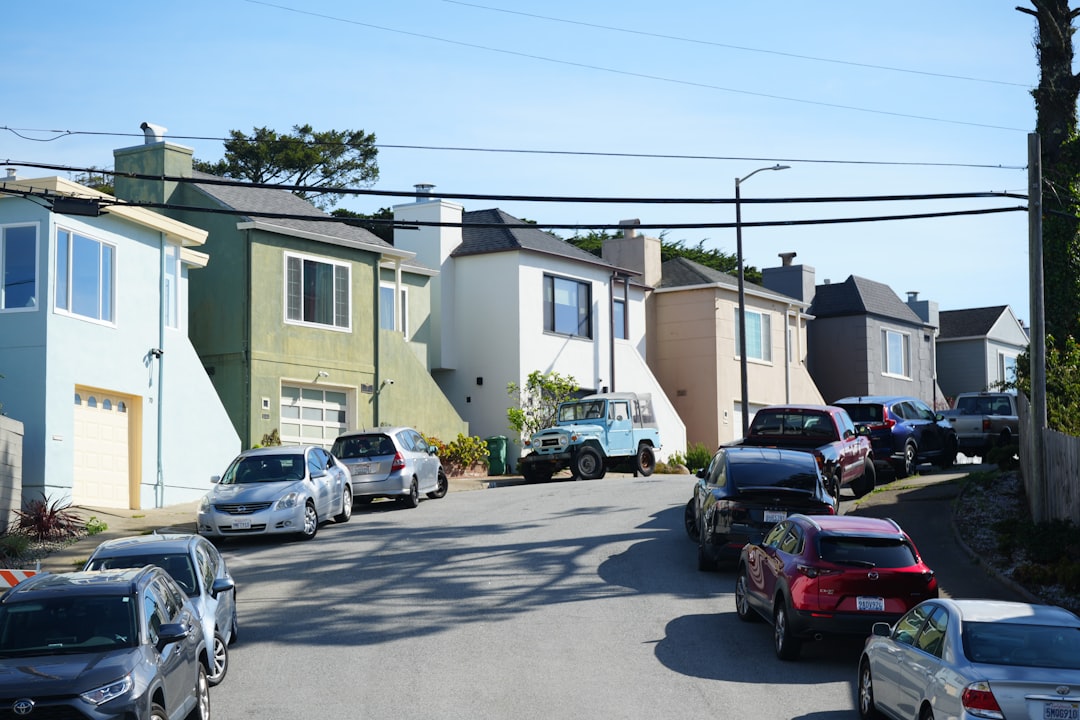
The housing market, once a cornerstone of stability and a pathway to wealth for many, appears to be teetering on the precipice of a significant paradigm shift. A confluence of economic, demographic, and policy-driven factors is creating a complex web of challenges that threaten to undermine affordability and accessibility for a substantial portion of the global population. This unfolding situation, often referred to as a “housing crisis,” is not a sudden eruption but rather a slow-burning fuse that has been meticulously lit over decades. Understanding its multifaceted nature, its potential repercussions, and the various levers that could be pulled to mitigate its impact is paramount for policymakers, economists, and individual citizens alike.
The current housing quandary is not attributable to a single cause but rather to a constellation of interconnected issues. These factors, operating in concert, have created an environment where the supply of housing struggles to meet escalating demand, leading to upward pressure on prices and a widening chasm between income and housing costs.
Inadequate Supply and Demand Imbalance
One of the most fundamental drivers of the housing crisis is the persistent imbalance between housing supply and demand. For an extended period, new housing construction has lagged behind population growth, household formation, and various other indicators of housing need.
Restrictive Zoning and Land Use Policies
Many urban and suburban areas are characterized by restrictive zoning laws that limit the type and density of housing that can be built. Single-family zoning, for instance, often prohibits the construction of multi-family dwellings, thus artificially constraining the available housing stock. These policies, often rooted in historical preferences for low-density development, contribute significantly to the scarcity of affordable housing options. The “not in my backyard” (NIMBY) sentiment, often fueled by concerns about traffic, property values, and neighborhood character, further entrenches these policies, making it challenging to implement more accommodating land-use reforms.
Soaring Construction Costs
The cost of building new homes has seen a significant escalation. This increase is primarily driven by rising material costs, labor shortages, and increasingly stringent building codes and regulations. The cost of raw materials such as lumber, steel, and concrete has fluctuated dramatically, often experiencing significant upward spikes due to supply chain disruptions and increased global demand. The construction industry also faces a persistent shortage of skilled labor, which drives up wages and extends project timelines, further exacerbating costs.
Investor Activity and Financialization
The housing market has increasingly attracted institutional investors, private equity firms, and individual speculators seeking returns on investment. These entities often purchase properties as assets rather than homes, sometimes leaving them vacant or converting them into short-term rentals. This financialization of housing can distort local markets, driving up prices and reducing the number of homes available for traditional homeownership or long-term rental. The pursuit of profit in the housing sector, while economically rational for investors, can have detrimental societal consequences when it collides with the fundamental human need for shelter.
Affordability and Accessibility Challenges
Beyond the fundamental supply-demand imbalance, the escalating cost of housing has created significant affordability and accessibility challenges for a broad spectrum of the population. The dream of homeownership, once a common aspiration, is becoming increasingly elusive for many.
Stagnant Wages vs. Rising Housing Costs
For decades, housing costs in many regions have outpaced wage growth. This disparity is particularly acute for lower and middle-income households, who find their ability to save for a down payment or comfortably meet monthly mortgage or rent payments severely constrained. The gap between average income and average home prices is a stark indicator of this widening affordability crisis, painting a clear picture of the diminishing purchasing power of a significant portion of the population. This financial squeeze forces individuals and families to dedicate a larger proportion of their income to housing, often at the expense of other essential needs.
High Interest Rates and Mortgage Burden
Recent shifts in monetary policy, particularly the increase in interest rates by central banks, have significantly impacted housing affordability. Higher interest rates translate into higher monthly mortgage payments, even for the same principal amount. This increase in borrowing costs effectively shrinks the purchasing power of potential homebuyers and can tip the scales of affordability for those already struggling to meet current prices. For individuals with variable-rate mortgages, rising interest rates can lead to substantial increases in their monthly outgoings, placing immense financial strain on households.
Rental Market Pressures
The affordability crisis extends beyond homeownership to the rental market. As homeownership becomes less attainable, more individuals and families are compelled to rent, increasing demand in this sector. This elevated demand, coupled with a limited supply of rental units, pushes rental prices upwards. In many urban centers, rental costs now consume an unsustainable portion of tenants’ incomes, leading to overcrowding, precarious living situations, and even homelessness. The squeeze on renters is a critical component of the overall housing crisis, demonstrating its pervasive impact across different housing tenures.
The ongoing housing crisis has become a pressing issue in many urban areas, leading to increased discussions about affordable housing solutions. For a deeper understanding of the factors contributing to this crisis and potential strategies for alleviating it, you can read a related article on the topic at Hey Did You Know This. This resource provides valuable insights into the complexities of the housing market and the challenges faced by those seeking affordable living options.
The Ripple Effect: Socioeconomic Consequences
The housing crisis is not merely an economic problem; it has profound socioeconomic consequences that reverberate throughout society, touching upon public health, education, economic stability, and social equity.
Public Health and Well-being
Access to stable, affordable, and safe housing is a fundamental determinant of public health. When housing is precarious or inadequate, it can lead to a cascade of negative health outcomes.
Increased Stress and Mental Health Issues
Housing insecurity, including the threat of eviction, the burden of excessive housing costs, and the inability to find suitable accommodation, is a major source of stress. This chronic stress can manifest in anxiety, depression, and other mental health disorders. The constant worry about maintaining a roof overhead can consume mental energy, impacting overall well-being and productivity.
Substandard Living Conditions and Physical Health
Individuals and families forced into inadequate housing often contend with substandard living conditions. These can include overcrowding, exposure to environmental hazards such as mold and lead, and a lack of proper sanitation. Such conditions are directly linked to respiratory illnesses, infectious diseases, and other physical health problems, disproportionately affecting vulnerable populations.
Limited Access to Healthcare and Education
Housing instability often leads to frequent relocations, which can disrupt access to consistent healthcare providers and educational opportunities. Children experiencing residential mobility due to housing precarity often struggle academically, fall behind their peers, and face difficulties forming stable social connections. Adults may find it challenging to maintain employment if their housing situation forces them to move away from their jobs or impacts their ability to commute reliably.
Economic Instability and Social Inequality
The housing crisis acts as a potent engine of economic instability and exacerbates existing social inequalities, creating a deeply ingrained sense of disadvantage and limiting upward mobility for many.
Reduced Consumer Spending and Economic Growth
When a significant portion of household income is absorbed by housing costs, there is less discretionary income available for other goods and services. This reduction in consumer spending can dampen overall economic growth, impacting local businesses and slowing down broader economic activity. The financial fragility brought on by high housing costs leaves households vulnerable to economic shocks, making the entire economy more susceptible to downturns.
Widening Wealth Gap
Homeownership has historically been a primary mechanism for wealth accumulation, particularly for middle-class families. As homeownership becomes increasingly unattainable for many, the wealth gap between those who own property and those who do not continues to widen. This creates a deeply entrenched system of inequality where generational wealth transfer is concentrated among property owners, further entrenching social stratification. Those locked out of homeownership miss out on the appreciation of assets, further disadvantaging them in the long run.
Brain Drain and Labor Market Impacts
In areas with severe housing affordability issues, businesses may struggle to attract and retain talent, particularly for critical roles that do not command exceptionally high salaries. Skilled workers may choose to relocate to more affordable regions, leading to a “brain drain” and hindering local economic development. The lack of affordable housing also disproportionately impacts essential workers, such as teachers, nurses, and service industry employees, who are vital to the functioning of any community but often cannot afford to live where they work.
Policy Responses and Potential Solutions

Addressing the looming housing crisis requires a multifaceted approach involving policy reforms, innovative solutions, and a willingness to challenge established norms. There is no silver bullet, but a combination of strategic interventions can move the needle towards greater affordability and accessibility.
Increasing Housing Supply
A fundamental aspect of addressing the crisis is increasing the supply of housing, particularly affordable housing options. This requires a concerted effort to remove barriers to construction and incentivize diverse housing types.
Zoning Reform and Upzoning Initiatives
Reforming restrictive zoning laws to allow for greater density and a wider variety of housing types (e.g., duplexes, triplexes, small apartment buildings) is a critical step. “Upzoning” initiatives, which permit higher density development in areas previously restricted to single-family homes, can unlock significant housing potential, particularly in well-located areas with access to transit and amenities. These reforms can help to gradually shift the supply curve to meet demand.
Streamlining Permitting and Regulatory Processes
The bureaucratic processes involved in obtaining building permits and navigating regulatory requirements can be time-consuming and costly, deterring development. Streamlining these processes, reducing red tape, and implementing more efficient approval systems can significantly accelerate housing construction and reduce associated costs. Digitalization of permitting processes, for example, can contribute to greater efficiency.
Incentivizing Affordable Housing Development
Governments can offer financial incentives, tax breaks, and subsidies to developers who commit to building affordable housing units. These incentives can help offset the development costs and make projects financially viable, encouraging the creation of housing for low and middle-income households. Inclusionary zoning policies, which mandate that a certain percentage of new developments be affordable, can also play a crucial role.
Bolstering Affordability and Protecting Tenants
Alongside increasing supply, it is essential to implement policies that directly address affordability challenges and protect vulnerable tenants from exploitation.
Rent Control and Tenant Protections
While often debated, rent control policies, when appropriately designed, can help stabilize rental costs and provide tenants with greater predictability and security. Additionally, stronger tenant protections, such as eviction moratoriums in times of crisis, just cause eviction laws, and clear regulations regarding security deposits and maintenance responsibilities, can prevent homelessness and improve living conditions for renters.
Expanding Rental Assistance Programs
Rental assistance programs, which provide financial aid to low-income households to help them cover rental costs, are crucial safety nets. Expanding these programs and ensuring their accessibility can prevent evictions, reduce homelessness, and improve housing stability for those most in need. Such programs directly address the income-to-housing-cost disparity.
Promoting Community Land Trusts and Non-Profit Housing
Community land trusts (CLTs) and other non-profit housing models offer a pathway to permanently affordable homeownership and rental units. In a CLT, the land is owned collectively by the trust, while the homes on it are owned by individual residents (or rented by them). This separates the cost of the land from the cost of the home, making housing more affordable and ensuring that it remains affordable for future generations. Supporting and scaling these models can create a critical buffer against market fluctuations.
The Road Ahead: A Collective Responsibility
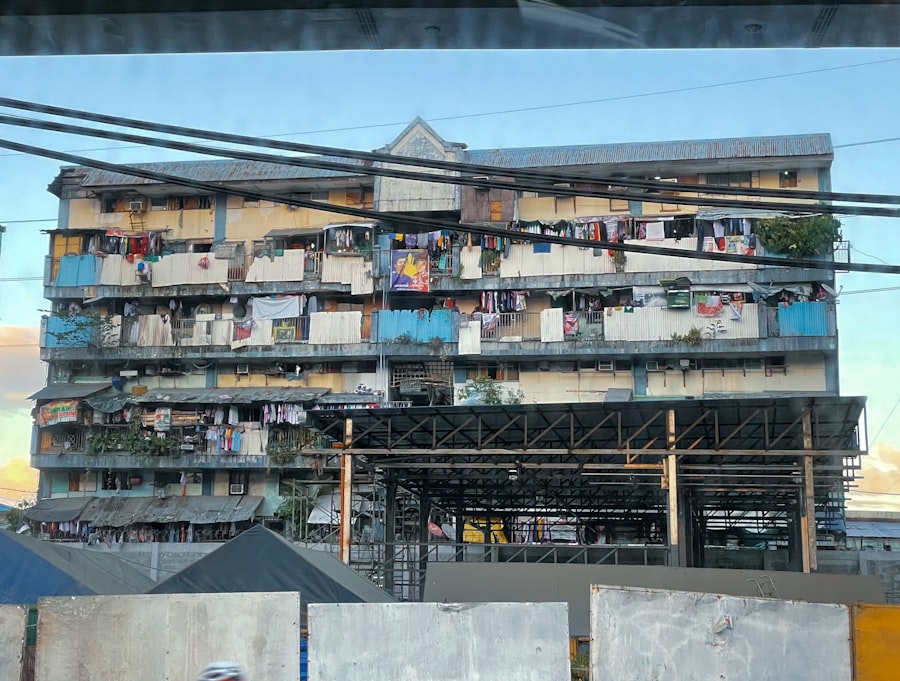
The looming housing crisis is a multifaceted challenge that demands a comprehensive and collaborative response from all segments of society. Governments, urban planners, developers, financial institutions, and citizens all have a role to play in shaping a more equitable and sustainable housing future. Ignoring the problem will not make it disappear; rather, it will allow the cracks in the foundation of our communities to widen, jeopardizing the well-being and stability of innumerable individuals and families. The metaphor of the “slow-burning fuse” suggests that while the crisis has been developing over time, the detonation point, with its widespread implications, is fast approaching if decisive action is not taken. Addressing this crisis is not just about building more homes; it is about building more resilient, equitable, and healthy communities for all.
FAQs
What is the housing crisis?
The housing crisis refers to a situation where there is a significant shortage of affordable and adequate housing for people, leading to increased homelessness, overcrowding, and housing insecurity.
What are the main causes of the housing crisis?
The main causes include rising property prices, limited housing supply, increased demand due to population growth, stagnant wages, and insufficient government policies or funding for affordable housing.
How does the housing crisis affect communities?
The housing crisis can lead to increased homelessness, higher living costs, displacement of low-income families, reduced economic mobility, and greater social inequality within communities.
What solutions are being proposed to address the housing crisis?
Proposed solutions include increasing the construction of affordable housing, implementing rent control measures, providing housing subsidies, reforming zoning laws, and investing in supportive housing programs.
How can individuals contribute to alleviating the housing crisis?
Individuals can support affordable housing initiatives, advocate for policy changes, volunteer with housing organizations, and promote awareness about the importance of accessible and affordable housing.