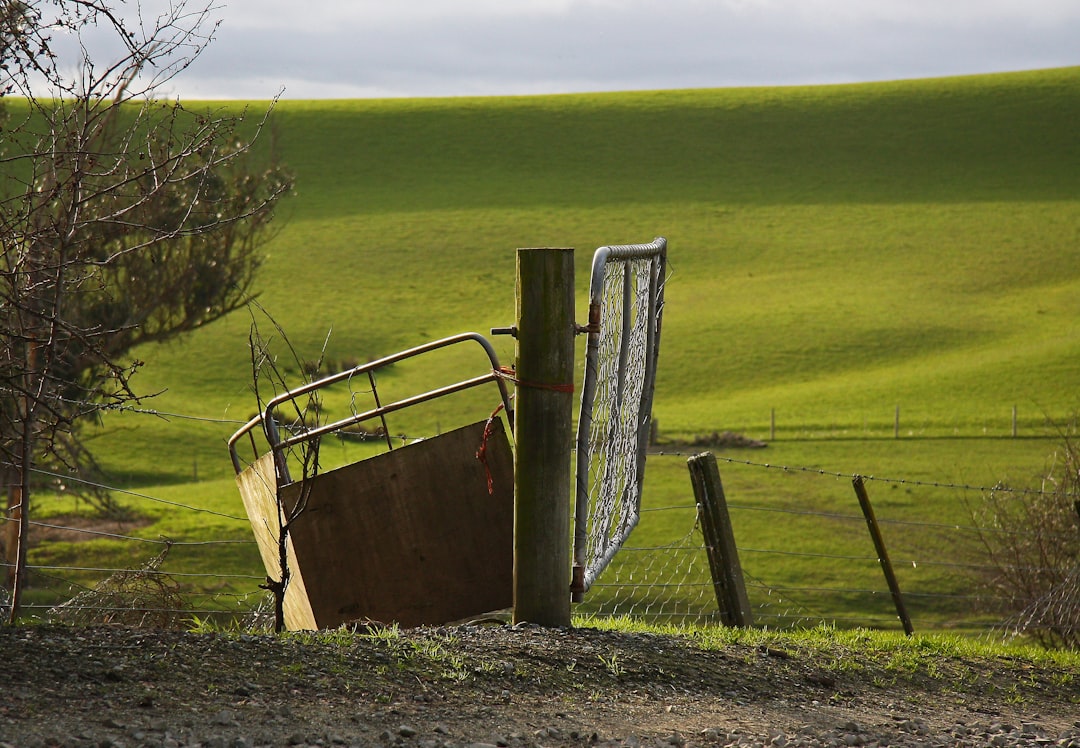
The vast expanse of agricultural land, often perceived as a benevolent cradle providing sustenance, operates under a complex set of principles that govern its internal workings. While calls for greater transparency in food production are understandable and increasingly vocal, the notion of the farm gate as a perpetually open portal for public scrutiny encounters significant practical and philosophical hurdles. This article delves into the multifaceted reasons why complete and unfettered public disclosure at the farm gate is not a realistic or necessarily beneficial aspiration, examining the proprietary, logistical, economic, and ethical dimensions that define the boundaries of agricultural operations.
The farm, at its core, is a business. Like any other enterprise, it relies on a degree of proprietary knowledge and strategic advantage to remain competitive and viable in the marketplace. This proprietary information acts as a protective armor, shielding the farmer from being an open book for all to read and potentially exploit.
Seed Varieties and Genetic Strands: The Farmer’s Blueprint
Farmers carefully select seed varieties and often develop or refine their own genetic strains of crops and livestock. This is not simply about planting a generic seed; it’s about choosing specific cultivars that offer disease resistance, yield potential, nutrient content, or suitability for particular soil and climate conditions. The research, development, and years of trial-and-error that go into this selection process constitute significant intellectual property. Imagine a baker revealing their secret sourdough starter recipe to every passerby; it would fundamentally undermine their unique selling proposition. Similarly, exposing the precise genetic makeup and sourcing of a farmer’s proprietary breeds or seed lines could allow competitors to replicate their success without incurring the same investment or risk.
Cultivation Techniques and Management Practices: The Art and Science of Farming
Beyond the genetic material, the methods by which crops are grown and livestock are managed are often honed through years of practical experience and accumulated wisdom. These cultivation techniques can include specific fertilization strategies, irrigation schedules, pest and disease management protocols, and planting densities. For livestock, it extends to feeding regimens, breeding programs, and disease prevention measures. These are not static practices; they are dynamic and responsive to the ever-changing environment and market demands. Disclosing these nuanced approaches, which are often the result of a farmer’s deep understanding of their specific land and animals, is akin to a renowned surgeon revealing their exact surgical techniques – it could compromise their established effectiveness and competitive edge.
Farm Infrastructure and Investment: The Tangible Assets of Success
The infrastructure of a farm – its buildings, irrigation systems, specialized machinery, and storage facilities – represents substantial capital investment. The strategic placement of these assets, their technological sophistication, and their integration into the overall farm operation are all part of a farmer’s business plan. For example, a farmer might have invested in state-of-the-art controlled-environment agriculture facilities or a unique animal housing system. Disclosing the exact specifications and operational details of these investments could provide competitors with a roadmap for replicating their advantages, potentially diminishing the original investor’s return and market position.
In exploring the complexities surrounding agricultural transparency, the article “Why the Public Right to Know Stops at the Farm Gate” delves into the balance between privacy and public interest in farming practices. A related article that further examines the implications of agricultural policies and consumer rights can be found at this link. This resource provides additional insights into the ongoing debate about the accessibility of information regarding food production and its impact on consumer choices.
The Logistical Labyrinth of Farm Operations
The practicalities of running a farm present a logistical labyrinth that makes constant public access and oversight a challenge. The sheer scale, the unpredictable nature of agricultural work, and the need for controlled environments all contribute to the “off-limits” nature of certain farm areas.
Biosecurity and Disease Prevention: A Biological Fortress
Modern agriculture, particularly livestock farming and horticulture, is acutely vulnerable to the introduction and spread of diseases. Biosecurity measures are the biological fortress designed to protect animal and plant health, and by extension, public health and the economy. Unrestricted public access to farms can inadvertently introduce pathogens through contaminated footwear, clothing, vehicles, or even the air. Imagine visiting a hospital without adhering to strict hygiene protocols; the risk of transmitting infections would be unacceptably high. Farm gates are thus often guarded by biosecurity protocols, requiring visitors to adhere to specific cleaning procedures, wear protective gear, or even undergo periods of quarantine. The constant need to maintain this barrier makes open access impractical.
Animal Welfare Protocols and Restricted Access: Protecting Vulnerability
While animal welfare is a paramount concern, and farmers are increasingly held accountable for it, the very nature of caring for animals at sensitive stages of their life cycle necessitates controlled access. For instance, during birthing, weaning, or when dealing with sick or injured animals, a calm and undisturbed environment is crucial. Unnecessary human presence, especially from a multitude of unfamiliar individuals, can induce stress and anxiety in animals, negatively impacting their health and well-being. Think of a new parent seeking privacy and quiet for their newborn. Similarly, during these critical periods, farmers need to maintain a controlled environment free from undue disturbance, making certain areas temporarily or permanently off-limits to casual visitors.
Operational Cycles and Seasonal Demands: The Rhythms of Nature
Farming operates on distinct biological and seasonal cycles. Planting, tending, and harvesting crops, or managing breeding and finishing cycles for livestock, involve intense periods of activity that often demand efficiency and speed. During critical phases like harvest, when time is of the essence to prevent spoilage or capitalize on optimal market prices, the farm is a hive of activity. Imagine trying to conduct a guided tour through a bustling factory floor during its peak production hour. The focus must be on the task at hand, and the presence of extraneous observers can be a significant impediment. Similarly, during these demanding periods, farmers are often too engrossed in the immediate operational needs to accommodate public scrutiny.
The Economic Realities of Agricultural Sustainability
The financial viability of farms is the bedrock upon which food security rests. Public disclosure, while potentially beneficial in some aspects, can also impose economic burdens and risks that undermine this sustainability.
Investment in Technology and Innovation: A Calculated Gamble
Farmers are constantly investing in new technologies and innovative practices to improve efficiency, reduce environmental impact, and enhance product quality. These investments are often substantial and represent a calculated gamble on future returns. If the proprietary nature of these technological advancements is not protected, competitors could more easily adopt them, diluting the innovator’s competitive advantage and potentially forcing them to absorb the costs of R&D without reaping the full benefits. This can stifle future investment, as farmers may become hesitant to pioneer new approaches if their innovations are quickly commoditized. It is like investing heavily in a patented formula, only to see competitors reverse-engineer it instantly.
Market Sensitivity and Price Volatility: The Unseen Forces
Agricultural markets are notoriously volatile, influenced by a myriad of global factors including weather, geopolitical events, and consumer demand. Farmers rely on strategic timing and market intelligence to sell their produce at favorable prices. Unfettered disclosure of their production volumes, harvest timelines, or planned sales strategies could provide market players with an undue advantage, allowing them to manipulate prices or anticipate supply shortages. This could lead to farmers being forced to sell their hard-earned produce at prices that do not reflect its true value, making it difficult to cover their costs, let alone generate a profit. The farm gate, in this context, becomes a point of negotiation where transparency is a double-edged sword.
Insurance and Risk Mitigation: Protecting Against the Unexpected
Farming is inherently a risky business, subject to natural disasters, disease outbreaks, and market fluctuations. Farmers often invest in insurance and other risk mitigation strategies to protect their livelihoods. The details of these plans, including specific coverage, risk assessments, and financial arrangements, are often considered private financial information. Disclosing this information could make farmers more vulnerable to opportunistic actions by insurers or other parties, potentially leading to unfavorable terms or outright exploitation. Much like an individual might not publicly disclose their personal accident insurance policy details, a farmer’s risk mitigation strategies are often kept confidential to maintain leverage and fairness.
The Ethical Tightrope of Privacy and Responsibility
Beyond the proprietary and logistical concerns, there are significant ethical considerations surrounding the privacy of farmers and the responsible interpretation of agricultural practices. Navigating this ethical tightrope requires a balanced approach that acknowledges both public interest and individual rights.
The Farmer’s Right to Privacy: A Sanctity of Personal Space
Farmers, like all individuals, have a right to privacy regarding their personal lives and business operations. Their farms are not just workplaces; they are often their homes and the inheritance of their families. The constant demand for unfettered public access can feel like an invasion of this personal space, leading to undue stress and a feeling of being under perpetual surveillance. This is particularly true when the scrutiny is not accompanied by a genuine understanding of the complexities and challenges of farming. The sanctity of private property extends to the farm gate, and while accountability is important, it should not come at the cost of eroding fundamental privacy rights.
The Nuance of Agricultural Practices: Beyond Superficial Observation
Agricultural practices are often complex and nuanced, shaped by scientific understanding, economic realities, and ethical considerations that are not always immediately apparent to the untrained observer. Presenting these practices for public inspection without proper context can lead to misinterpretations and unfair judgments. For example, a farmer might use certain feed additives that are perfectly safe and beneficial for animal health when viewed in their entirety, but might appear questionable when isolated and presented without the supporting scientific rationale. The farm gate should not be a stage for superficial observations that can be easily distorted and sensationalized, rather than a platform for informed dialogue and understanding.
The Danger of Sensationalism and Misinformation: A Poisoned Well
The pursuit of sensational headlines can lead to the selective highlighting of isolated incidents or misinterpretations of complex situations. When the farm gate is perceived as perpetually open, there is a risk that critics or those with ulterior motives can cherry-pick information, present it out of context, and contribute to the spread of misinformation. This can have devastating consequences for individual farmers, agricultural communities, and the broader public’s trust in the food system. A single, unrepresentative incident, magnified and distorted, can poison the well of public perception, making it difficult to discern truth from fiction.
In exploring the complexities of agricultural transparency, the article “Why the Public Right to Know Stops at the Farm Gate” raises important questions about the balance between privacy and public interest. A related piece that delves deeper into the implications of agricultural practices and consumer awareness can be found at this link, which discusses how much information consumers should have regarding the origins of their food. This connection highlights the ongoing debate surrounding transparency in farming and the rights of consumers to be informed.
The Collaborative Path: Informed Scrutiny, Not Open Gates
| Metric | Description | Impact on Public Right to Know |
|---|---|---|
| Transparency of Farming Practices | Level of information available about farming methods, pesticide use, and animal welfare | Limited transparency beyond farm gate restricts consumer knowledge about food origins and safety |
| Regulatory Disclosure Requirements | Extent of mandatory reporting by farms on environmental and health impacts | Minimal disclosure laws at farm level reduce public access to critical data |
| Supply Chain Traceability | Ability to track food products from farm to table | Gaps in traceability hinder public understanding of food safety and ethical sourcing |
| Public Access to Farm Data | Availability of farm-level data to consumers and researchers | Data often proprietary or confidential, limiting public right to know |
| Consumer Awareness | Percentage of consumers informed about farm practices | Low awareness due to lack of accessible information beyond farm gate |
| Environmental Impact Reporting | Frequency and detail of environmental impact reports from farms | Infrequent reporting reduces public insight into farming’s ecological footprint |
The argument here is not against transparency or accountability in agriculture. Rather, it is a nuanced perspective on how that transparency should manifest. The idea of the farm gate being a literal open door to all aspects of farming is fundamentally flawed due to the inherent nature of agricultural enterprise.
The Role of Industry Standards and Certifications: Guardrails, Not Gates
Instead of demanding unfettered access, a more effective approach to ensuring responsible agricultural practices lies in robust industry standards, third-party audits, and credible certification programs. These serve as effective guardrails, demonstrating a commitment to good practices without requiring the complete dismantling of proprietary and operational protections. When these standards are transparently developed, rigorously enforced, and clearly communicated to the public, they offer a reliable framework for assurance. This allows for informed scrutiny without compromising the essential functionalities of the farm.
Educational Outreach and Farm Tours: Targeted Windows of Insight
Many farmers are already engaged in educational outreach and offer organized farm tours. These initiatives provide valuable opportunities for the public to gain insights into agricultural practices in a controlled and informative manner. These are not casual strolls, but carefully curated experiences designed to educate and inform. This allows for targeted windows of insight, where specific aspects of farming can be showcased and explained, fostering understanding without undermining the operational integrity of the farm.
Public-Private Partnerships and Research Collaborations: Building Bridges
Encouraging public-private partnerships and collaborations between research institutions and farmers can foster a more informed and collaborative environment. These initiatives allow for the exploration of new practices, the sharing of data (often anonymized or aggregated), and the development of evidence-based solutions to agricultural challenges. This approach builds bridges of understanding and trust, moving beyond the adversarial notion of constant oversight towards a shared commitment to sustainable and ethical food production.
Focusing on Outcomes, Not Just Processes: The Measure of Success
Ultimately, focusing solely on the minutiae of farm gate operations can distract from the larger picture: the outcomes of agricultural practices. Are farmers producing safe, nutritious food? Are they stewarding the land responsibly? Are animal welfare standards being met? By shifting the focus to measurable outcomes and supporting farmers in achieving them through appropriate means, the public can gain greater assurance without demanding an unrealistic level of access to the farm gate. The true measure of agricultural success lies not in the ease of observation, but in the excellence of its results.
In conclusion, while the desire for transparency in agriculture is a legitimate and important aspect of a healthy food system, the concept of the farm gate as an entirely open portal is a simplification that overlooks the inherent complexities and demands of running a successful and sustainable agricultural enterprise. By understanding the proprietary, logistical, economic, and ethical boundaries, and by fostering collaborative approaches to transparency, we can move towards a more informed and productive relationship between the public and the producers who feed our world. The farm gate, therefore, remains a crucial point of connection, but one that requires careful negotiation and mutual understanding, rather than a simple invitation to enter without reservation.
FAQs
What does the phrase “public right to know stops at the farm gate” mean?
It means that while the public has a right to access certain information about food production, this right does not extend beyond the boundary of the farm itself. Information about farming practices may be limited to protect farmers’ privacy and business interests.
Why is the public’s access to information limited at the farm gate?
Access is limited to protect farmers’ privacy, prevent the disclosure of proprietary farming methods, and avoid potential misuse of sensitive information that could harm the farm’s operations or competitiveness.
Are there any regulations governing transparency in farming practices?
Yes, various countries have regulations that require certain disclosures related to food safety, animal welfare, and environmental impact. However, these regulations typically do not mandate full public access to all farm operations beyond the farm gate.
How does limiting public access at the farm gate affect food safety?
Limiting access does not necessarily compromise food safety, as regulatory agencies conduct inspections and enforce standards. The restriction mainly pertains to public transparency rather than regulatory oversight.
Can consumers learn about farming practices without visiting the farm?
Yes, consumers can access information through labels, certifications, farm websites, and reports from regulatory bodies or independent organizations that monitor agricultural practices. These sources provide insights without requiring direct access to the farm.