
You’ve probably seen the ads. They bloom across your screen like digital dandelions, promising ancestry, health insights, and the unlocking of your deepest biological secrets. Genetic testing kits are a modern phenomenon, a readily available key to a vault of information previously accessible only through years of dedicated genealogical research or clinical diagnosis. It’s a tempting proposition, a siren song calling to your curiosity about your origins and your future well-being. But beneath the glossy surface and the promise of self-discovery lies a labyrinth of implications, a lifelong anxiety that can unfurl from the simple act of spitting into a tube. This is not a tale for the faint of heart, but for those who are ready to confront the sometimes uncomfortable truths your DNA might hold.
You’re not alone in your fascination with what makes you, you. For centuries, humanity has been driven by a desire to understand where we come from and who we are. Genetic testing kits tap into this very primal urge. They offer a tangible, scientific approach to questions that have long been pondered by families around dinner tables and in hushed whispers. The ability to connect with distant relatives, to trace the winding paths of your ancestors across continents, and to gain potential insights into your predisposition to certain health conditions makes these kits an incredibly potent draw. It’s like holding a map to your own personal history, a roadmap where the destinations are both past and future.
Unveiling Ancestral Landscapes
The most immediate and often celebrated aspect of genetic testing is its ability to paint a picture of your ancestral heritage. You’ve likely seen them – the pie charts and ethnicity estimations that place your genetic makeup within specific geographical regions. This can be a profound experience, offering a concrete connection to cultures and histories you may have only read about.
The thrill of discovering a Viking ancestor or a link to ancient Silk Road traders can be an emotional journey.
This is more than just a statistical breakdown; it’s a narrative spun from millions of years of human migration. It can solidify distant family legends or, conversely, dismantle long-held assumptions about your heritage. The revelation of a previously unknown ethnic group in your lineage can be both surprising and enlightening, expanding your sense of belonging and introducing you to a wider human family.
The complexities of ethnicity estimations.
However, it’s crucial to understand that these ethnicity estimations are approximations. Ancestry DNA databases are built on the DNA of current populations, and historical migrations, intermingling, and the limitations of current scientific understanding mean these percentages are not definitive historical records. Your DNA is a mosaic, constantly shifting and evolving, and these estimations are a snapshot, not a final decree.
Health Predispositions: A Glimpse into Your Future
Beyond ancestry, many kits now offer health-related insights. These can range from carrier status for certain genetic conditions to predispositions for common ailments like heart disease or Alzheimer’s. This aspect of genetic testing carries a heavier weight, a more direct bearing on your immediate and long-term well-being.
The promise of proactive health management.
The idea of gaining an early warning system for potential health issues can be empowering. Armed with this information, you might feel motivated to adopt healthier lifestyle choices, undergo regular screenings, or discuss specific preventative measures with your doctor. It allows you to transition from a reactive approach to health to a more proactive one, potentially mitigating risks before they manifest.
The burden of knowing.
Yet, this knowledge is a double-edged sword. Discovering a genetic predisposition for a serious illness, even one that can be managed or mitigated, can cast a long shadow. It can lead to an increased level of anxiety, a constant hum of worry about the future. You might find yourself hyper-vigilant about every ache and pain, every symptom, attributing them to your genetic lottery. This heightened awareness, while potentially beneficial, can also become a source of significant psychological distress.
Genetic testing kits have gained popularity in recent years, but they can also lead to lifelong anxiety for many individuals who receive unexpected results. A related article discusses the psychological impact of these tests and how they can create a sense of uncertainty about one’s health and future. For more insights on this topic, you can read the article here: Genetic Testing and Lifelong Anxiety.
The Unintended Consequences: When Secrets Unfurl
The information gleaned from a genetic testing kit is permanent and immutable. Your DNA does not change. This means the insights you gain, for better or worse, are with you for life. The initial excitement can often give way to a more complex emotional landscape as you grapple with the implications of your genetic blueprint.
The Revelation of Unexpected Relatives
Perhaps one of the most significant and emotionally charged outcomes of genetic testing is the discovery of previously unknown relatives. These can range from half-siblings to distant cousins that your family was entirely unaware of, often due to adoptions, extramarital affairs, or simply a lack of genealogical records.
The spectrum of emotional responses.
This discovery can elicit a wide range of emotions. For some, it’s a joyous reunion, a chance to expand their family circle and fill in missing pieces of their personal history. For others, it can be deeply unsettling, introducing a sense of betrayal or confusion about their family’s past. You might question long-held narratives, feel a sense of disconnect from your immediate family, or grapple with the implications of secrets that were kept from you. It’s like finding a new room in your house you never knew existed, and it can be both exciting and disorienting to explore.
Navigating complex family dynamics.
The challenge doesn’t end with the initial discovery. You may then have to navigate the complex dynamics of interacting with these newfound relatives. Do you reach out? How do you explain your presence? How do your existing family members react? This can lead to awkward conversations, strained relationships, and the potential for emotional pain for all involved.
The Genetic Genie: Once Out of the Bottle, Always Out
Unlike a health diagnosis that might change or be managed, your genetic makeup is a fixed point. The information you receive from a genetic testing kit is, in essence, a permanent revelation. This can lead to a lifelong consideration of your genetic predispositions, influencing your decisions and fostering a persistent undercurrent of anxiety.
The constant hum of “what ifs.”
If you learn you have a predisposition for a certain condition, you might find yourself constantly scanning your body for any signs or symptoms, even if your risk is relatively low. This can lead to what is sometimes referred to as “health anxiety,” a pervasive worry that can impact your daily life. Every minor ailment can be amplified in your mind, a potential harbinger of the genetic fate you’ve discovered. You become an unpaid detective, tirelessly searching for clues in your own biological makeup.
The impact on future generations.
Furthermore, the knowledge you gain can extend beyond yourself. If you discover you are a carrier for a recessive genetic disorder, this information becomes significant when considering starting a family. You may feel a responsibility to disclose this to a potential partner, leading to discussions about genetic counseling and potential testing for your children. This can add another layer of anxiety and responsibility, a concern that ripples through the generations.
The Ethical Minefield: Who Owns Your DNA?
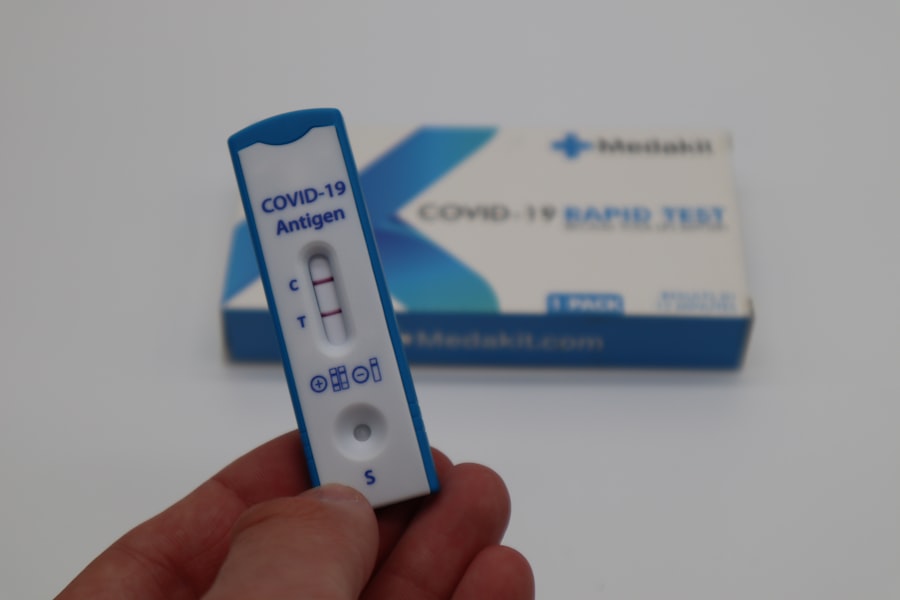
The very act of submitting your DNA for testing opens up a Pandora’s Box of ethical considerations. You are essentially entrusting a private company with a fundamental part of your biological identity, and the implications of this data security and usage are far-reaching.
Data Privacy and Security: A Vulnerable Blueprint
Genetic data is incredibly sensitive. It’s a blueprint of your biological self, containing information that can identify you and reveal intimate details about your health and ancestry. The security of this data is paramount, and the potential for breaches or misuse is a significant concern.
The risk of data breaches.
Imagine your genetic information falling into the wrong hands. This could potentially be used for discriminatory purposes by employers or insurance companies, though legal protections are evolving in some regions. The thought of your most personal biological data being compromised can be a source of ongoing anxiety. It’s like leaving your most private diary open for anyone to read, with the added complexity that this diary contains information about your very essence.
The evolving landscape of data usage.
Companies that offer genetic testing often have terms of service that grant them rights to use your anonymized data for research purposes. While this can contribute to scientific advancement, you may not have fully considered or consented to this level of data sharing. Understanding these terms and the potential for your data to be used in ways you hadn’t anticipated can be a source of unease. Your DNA, once a private entity, can become a commodity in the marketplace of data.
Sharing Your Genes: The Ripple Effect
Your genetic information isn’t solely about you. By submitting your sample, you are also potentially revealing information about your close relatives, even if they haven’t been tested themselves.
Unwitting disclosures about family members.
If you discover a predisposition to a particular disease, and you have biological relatives like siblings, parents, or children, they share a portion of your genetic makeup. This means they might also carry that predisposition, a fact they may have been unaware of and may not wish to know. You become an unintentional disseminator of genetic information about your family.
The dilemma of informed consent.
This raises questions about informed consent. While you consent to having your own DNA tested, your relatives haven’t explicitly agreed to have their genetic predispositions revealed through your sample. This can lead to ethical dilemmas and potential familial strain if you feel obligated to disclose information that might cause them distress or anxiety. You are, in a way, a proxy for your relatives’ genetic unknown.
The Psychological Toll: Living with Genetic Knowledge

The information you gain from genetic testing kits doesn’t just sit in a database; it enters your consciousness and can profoundly impact your psychological well-being. The lifelong implications of this knowledge can be a significant burden.
The Weight of Predispositions: A Constant Companion
As mentioned previously, discovering genetic predispositions for certain health conditions can lead to persistent anxiety. This isn’t a fleeting worry; it’s a background hum that can influence your decisions and your outlook on life.
Hyper-vigilance and the fear of illness.
You might find yourself constantly checking your body for symptoms, interpreting minor discomforts as harbingers of disease. This hyper-vigilance can be exhausting and can detract from your overall quality of life. The fear of what might be lurking in your genetic code can become a tangible presence, shadowing your every thought.
The paradox of control versus determinism.
While genetic testing can offer insights that enable proactive measures, it can also foster a sense of genetic determinism. You might feel like your fate is sealed by your genes, leading to a sense of helplessness. This can be a difficult paradox to navigate: the empowerment of knowledge versus the perceived powerlessness of a genetic inheritance. It’s like being given a locked box and told there’s a treasure inside, but you have no guarantee of when or if you’ll ever be able to open it.
Navigating Emotional Fallout: The Unforeseen Storms
The emotional responses to genetic testing can be complex and varied. There’s no single reaction, and the fallout can sometimes be unexpected.
Grief and loss of a perceived identity.
For some, particularly those with unexpected ancestry results, the discovery can lead to a sense of grief and loss. You might have identified strongly with a particular heritage, and learning that your lineage is different can feel like a loss of a perceived identity. This can be a disorienting experience, requiring a period of adjustment and redefinition of self.
The burden of unwanted knowledge.
There’s also the burden of unwanted knowledge. You might learn about a genetic predisposition for a condition that has no cure or effective treatment, or a condition that you have no desire to know about. This knowledge, acquired without your prior explicit request for that specific piece of information, can be a heavy weight to carry. You are left with a secret that you can’t unlearn, a piece of your biological story that you might prefer to remain untold.
Genetic testing kits have become increasingly popular, but they can also lead to lifelong anxiety for many individuals who receive unexpected results about their health risks. A related article discusses the psychological impact of these tests and how they can create a sense of uncertainty about the future. For more insights on this topic, you can read the article here. Understanding the implications of genetic information is crucial for those considering such tests, as it can significantly affect their mental well-being.
The Ongoing Dialogue: Living with Your Genes
| Factors | Impact |
|---|---|
| Uncertain Results | Creates ongoing worry and stress |
| Health Anxiety | Leads to constant monitoring of health and symptoms |
| Family Concerns | Raises worries about genetic risks for family members |
| Psychological Impact | Causes emotional distress and mental health issues |
The act of genetic testing is not a singular event; it’s the beginning of an ongoing dialogue with yourself, your family, and the scientific community. The information you receive requires careful consideration, not just in the initial stages, but throughout your life.
The Importance of Professional Interpretation
It’s crucial to remember that genetic testing kits, while convenient, are not a substitute for professional medical advice. The results they provide are often complex and require interpretation by qualified professionals.
Consulting with genetic counselors.
Genetic counselors are trained to help you understand your results, assess your risks, and discuss potential implications for your health and family. They can provide context and support, helping you navigate the emotional and practical challenges that may arise. They are the translators of your DNA’s complex language.
Discussing with your healthcare provider.
It is also essential to discuss your genetic testing results with your healthcare provider. They can integrate this information into your overall health profile, recommend appropriate screenings, and guide you on any necessary lifestyle modifications or medical interventions. They are the gatekeepers of your physical well-being, and this genetic blueprint is a vital piece of information for them.
The Evolving Landscape of Genetic Science
The field of genetics is constantly evolving. New discoveries are being made all the time, and our understanding of the genome is deepening. This means that the information you receive today might be further clarified or even reinterpreted in the future.
Staying informed and updating your understanding.
It’s important to stay informed about advancements in genetic research and to revisit your genetic testing results periodically. Your interpretation of the data may change as scientific knowledge progresses. You will need to be a lifelong learner in the unfolding story of your own DNA.
The potential for reclassification and new insights.
What might seem like a significant finding today could be reclassified as less significant tomorrow, or new insights might emerge that offer hope or further guidance. The genetic landscape is a dynamic one, and your understanding of your place within it will likely evolve over time.
Ultimately, the decision to undergo genetic testing is a deeply personal one. It’s a journey into the very fabric of your being, a quest for knowledge that can be both illuminating and unsettling. While the allure of self-discovery is powerful, it’s essential to approach these kits with a clear understanding of the potential lifelong anxieties they can unlock. You are not simply buying a product; you are opening a door to your biological past and present, and what you find within may require a lifetime of contemplation and adaptation. The information is yours to hold, but the responsibility for its interpretation and its impact is a lifelong undertaking.
FAQs
What are genetic testing kits?
Genetic testing kits are at-home tests that analyze a person’s DNA to provide information about their ancestry, health risks, and potential genetic traits.
How do genetic testing kits create anxiety?
Genetic testing kits can create anxiety by revealing unexpected or concerning information about a person’s health risks or genetic predispositions, leading to heightened worry and stress about their future health.
What are the potential long-term effects of anxiety caused by genetic testing kits?
The long-term effects of anxiety caused by genetic testing kits can include increased stress levels, negative impacts on mental health, and changes in behavior and lifestyle choices in an attempt to mitigate perceived health risks.
Are there any regulations or guidelines for genetic testing kits?
In the United States, genetic testing kits are regulated by the Food and Drug Administration (FDA) to ensure their accuracy and reliability. Additionally, there are guidelines in place to protect consumers’ privacy and ensure the responsible use of genetic information.
How can individuals cope with anxiety related to genetic testing results?
Individuals can cope with anxiety related to genetic testing results by seeking support from healthcare professionals, genetic counselors, and mental health professionals. Engaging in healthy coping mechanisms, such as exercise, mindfulness, and social support, can also be beneficial.