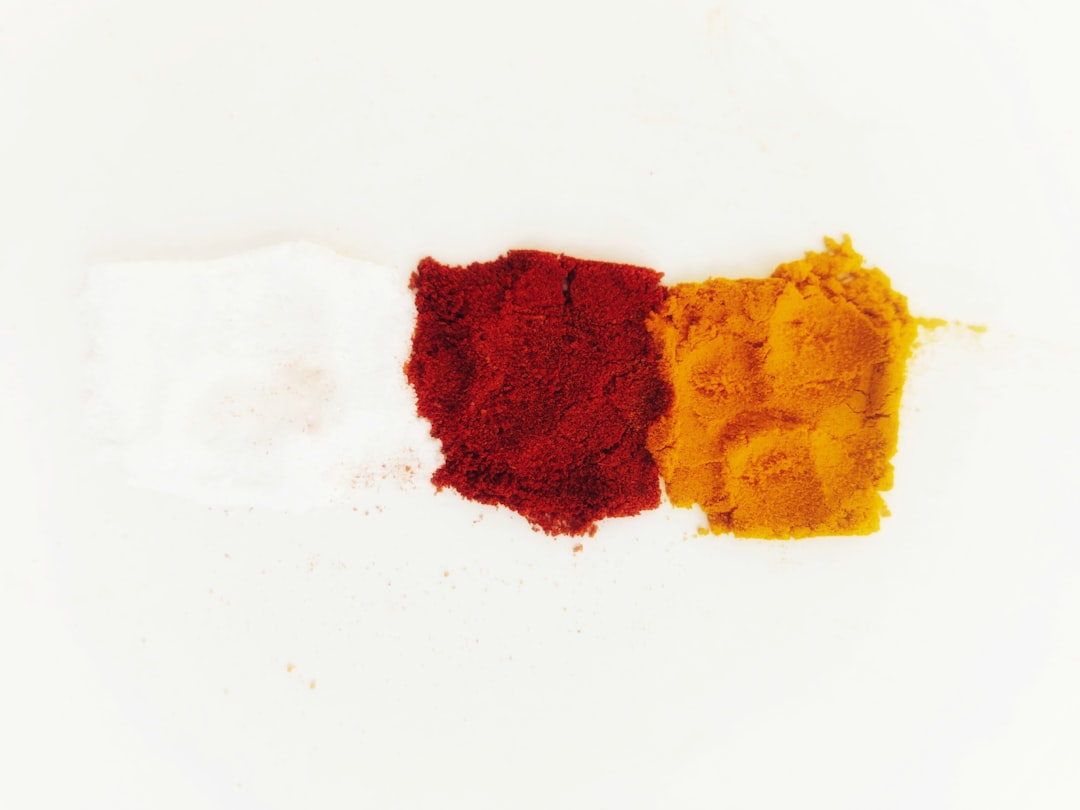
The pervasive presence of synthetic food dyes within the modern food supply chain represents a significant, yet often underestimated, area of public health and consumer interest. These vibrant artificial colorants, initially introduced to enhance the visual appeal of processed foods, have become a staple ingredient across a vast array of products, from confectionery and beverages to pharmaceuticals and cosmetics. Their journey from laboratory synthesis to widespread consumption has been punctuated by evolving scientific understanding and ongoing debate regarding their long-term health implications. To understand the depth of their influence, one must delve into their historical genesis, the mechanisms of their action, and the complex web of scientific inquiry and regulatory oversight that surrounds them.
The impulse to enhance the visual appeal of food is as old as civilization itself. Early civilizations utilized natural pigments derived from plants, insects, and minerals to color their edible creations. However, the advent of the Industrial Revolution in the 19th century brought about a paradigm shift. With the burgeoning processed food industry came a demand for more stable, intense, and cost-effective colorants. This demand spurred the development of synthetic dyes, initially derived from coal tar, possessing qualities that natural pigments could not match.
Early Discoveries and Industrialization
The year 1856 marked a pivotal moment with the accidental synthesis of mauveine by William Henry Perkin, while he was attempting to create quinine. This discovery heralded the birth of the synthetic dye industry. Soon after, a multitude of other synthetic dyes, many of them aniline-based, were developed and found their way into various industries, including food. These early colorants, however, were often toxic, containing heavy metals and other harmful impurities, leading to a number of adverse health events and prompting early regulatory efforts.
Regulatory Responses and Refinements
The dangers posed by unregulated synthetic dyes led to the enactment of the Pure Food and Drug Act of 1906 in the United States, followed by similar legislation in other countries. This legislation initiated a process of identifying and approving specific dyes deemed safe for human consumption. Over the subsequent decades, regular revisions and updates to these regulations have occurred, often in response to emerging scientific evidence. The dyes currently permitted for use are a refined selection, a far cry from their crude 19th-century predecessors, yet still subjects of continuous scrutiny. Each dye undergoes rigorous testing, yet the complexity of biological systems often means that an entirely clean bill of health remains elusive, a moving target in the crosshairs of scientific inquiry.
The long-term effects of synthetic food dyes on health have been a topic of increasing concern among researchers and consumers alike. For a deeper understanding of this issue, you can explore a related article that discusses the potential impacts of these additives on behavior and overall well-being. To read more about this fascinating subject, visit this article.
The Chemistry and Application of Synthetic Dyes
Synthetic food dyes are organic compounds, typically belonging to classes such as azo dyes, triphenylmethane dyes, and indigoid dyes. Their ability to impart vibrant, consistent colors stems from their chemical structure, which allows them to absorb specific wavelengths of light and reflect others, thereby presenting a particular hue to the human eye. Their chemical stability, resisting degradation from light, heat, and changes in pH, makes them highly appealing for industrial food production, where visual consistency is paramount to brand identity and consumer expectation.
How Dyes Impart Color
The chromophore, a group of atoms within the dye molecule, is responsible for its color. These chromophores contain conjugated systems of double bonds that absorb light in the visible spectrum. The electrons within these systems are excited by specific wavelengths of photons, leading to the perception of color. For example, FD&C Red No. 40 (Allura Red AC) is an azo dye, characterized by the presence of an N=N azo group, which contributes to its red hue.
Ubiquitous Presence in Modern Foods
The sheer prevalence of synthetic food dyes is staggering. They are not merely relegated to candies and brightly colored beverages; they are often hidden in plain sight. Consider the seemingly innocuous brown of a chocolate cookie, often enhanced with caramel coloring (which can be synthetic or derived from natural sources but often processed with chemicals). Or the orange hue of cheese puffs, the pink of certain yogurts, and even the “natural” looking green of mint-flavored products. Their inclusion is driven by consumer psychology, where visual appeal often acts as the initial gatekeeper for purchase decisions. A colorless product, even if nutritionally identical, may be perceived as less appealing, less fresh, or less flavorful. The dyes act as a visual siren song, drawing the consumer’s eye and influencing perception.
Health Concerns and Scientific Scrutiny

Despite regulatory approval, the scientific community and public health advocates continue to raise questions regarding the long-term health implications of synthetic food dyes. The focus of these concerns has primarily centered on potential links to hyperactivity in children, allergic reactions, and, in some cases, genotoxicity. It is imperative to remember that scientific understanding is rarely static; it evolves, like a river carving new paths through the landscape, constantly refining its course.
Hyperactivity and Neurobehavioral Effects
One of the most widely debated areas of concern revolves around the potential link between synthetic food dyes and hyperactivity, particularly in children. Several studies, including the seminal Southampton study published in The Lancet in 2007, have indicated that mixtures of artificial food colors and the preservative sodium benzoate can increase hyperactivity in genetically predisposed children, and even in the general population of children. These findings led to significant policy changes in Europe, where a warning label is now mandatory on foods containing certain artificial dyes. This demonstrates a clear bifurcation in regulatory approaches, a testament to the ongoing scientific discourse.
Allergic Reactions and Sensitivities
While less common than generalized hyperactivity concerns, some individuals report experiencing allergic or sensitivity reactions to specific synthetic food dyes. These reactions can range from mild skin rashes and hives to more severe symptoms such as asthma and angioedema. Tartrazine (FD&C Yellow No. 5) is frequently cited as a dye associated with such sensitivities, particularly in individuals with aspirin allergy or asthma. The mechanism behind these reactions is not always a classic IgE-mediated allergy; often, they are termed “pseudoallergies” or sensitivities, where the dye acts as a pharmacologic agent or irritant rather than eliciting a direct immune response.
Potential Carcinogenicity and Genotoxicity
Historically, certain synthetic dyes were indeed linked to carcinogenic properties, leading to their ban. Modern approved dyes are considered non-carcinogenic at typical exposure levels by regulatory bodies. However, ongoing research continues to explore potential genotoxic effects, which refer to the ability of a substance to damage cellular DNA. While large-scale definitive studies establishing a direct causal link between currently approved dyes and cancer in humans are generally absent, the constant monitoring and re-evaluation reflect a cautious approach, recognizing the potential for cumulative exposure and individual susceptibility to play a role. It is a slow, methodical chipping away at the unknown, where each study adds another stone to the edifice of understanding.
Regulatory Frameworks and Consumer Awareness
The regulatory landscape surrounding synthetic food dyes is complex and varies significantly across different regions of the world. These frameworks aim to balance consumer choice, industrial innovation, and public health protection. Simultaneously, a growing wave of consumer awareness and advocacy is pushing for greater transparency and stricter controls.
Divergent Global Regulations
The European Union, for instance, has adopted a more cautious approach compared to the United States. Following the Southampton study, the EU mandated warning labels for foods containing six specific synthetic dyes, stating “may have an adverse effect on activity and attention in children.” This contrasts sharply with the US, where the Food and Drug Administration (FDA) has not imposed similar labeling requirements, maintaining that the evidence does not warrant such measures for the general population. This divergence highlights the inherent challenges in interpreting scientific data and translating it into unified public health policy. One could view it as two different lighthouses, each casting its beam onto the same ocean but from slightly different perspectives, thereby illuminating different facets of the problem.
The Role of Consumer Advocacy
Consumer advocacy groups and organizations concerned with public health have played a vital role in bringing attention to the issues surrounding synthetic food dyes. Through educational campaigns, petitions, and direct engagement with policymakers and food manufacturers, these groups have exerted significant pressure for change. Their efforts have contributed to a noticeable shift in the food industry, with many companies voluntarily reformulating products to remove artificial colors, particularly in products marketed towards children. This demonstrates the power of the consumer voice as a catalyst for industrial transformation.
Recent studies have raised concerns about the long-term effects of synthetic food dyes on health, particularly in children. These additives, commonly found in a variety of processed foods, have been linked to behavioral issues and allergic reactions. For a deeper understanding of this topic, you can explore a related article that discusses the implications of these dyes on overall well-being. The article provides valuable insights into the potential risks associated with consuming synthetic food dyes and can be found here.
The Future of Food Coloration and Consumer Choice
| Effect | Description | Population Affected | Study Findings | Reference |
|---|---|---|---|---|
| Hyperactivity and ADHD Symptoms | Increased hyperactivity and attention deficit symptoms in children | Children, especially those with ADHD | Consumption of synthetic dyes linked to increased hyperactivity in some children | McCann et al., 2007 (The Lancet) |
| Allergic Reactions | Skin rashes, hives, and other allergic responses | Individuals with dye sensitivities or allergies | Some dyes like Tartrazine associated with allergic reactions in sensitive individuals | Stevenson et al., 2010 |
| Potential Carcinogenicity | Possible increased risk of cancer with long-term exposure | General population with high consumption | Some animal studies suggest carcinogenic potential; human evidence inconclusive | EFSA, 2015 |
| Behavioral Changes | Changes in behavior such as irritability and sleep disturbances | Children and sensitive adults | Reported in some observational studies but not consistently confirmed | Bateman et al., 2004 |
| Gut Microbiota Alteration | Potential disruption of gut bacterial balance | General population | Emerging research suggests synthetic dyes may affect gut microbiome composition | Smith et al., 2022 |
The discourse surrounding synthetic food dyes is expected to continue to evolve, driven by ongoing scientific research, shifting consumer preferences, and the relentless pursuit of innovative solutions. The future of food coloration will likely involve a blend of traditional natural colorants, novel biotechnological approaches, and a more nuanced understanding of the synthetic ones.
The Rise of Natural Alternatives
As consumer demand for “clean label” products increases, the food industry is investing heavily in developing and utilizing natural alternatives to synthetic dyes. These include pigments derived from fruits, vegetables, and other plant sources, such as beet juice, turmeric, spirulina, and annatto. While natural colors often pose challenges in terms of stability, intensity, and cost, ongoing research is seeking to overcome these limitations, making them more viable for widespread application. This trend reflects a broader societal movement towards more natural and minimally processed foods.
Innovation in Color Technology
Beyond simply extracting pigments from plants, innovations in food science are exploring entirely new avenues for food coloration. This includes techniques like microencapsulation to improve the stability and bioavailability of natural pigments, and even genetically engineered microorganisms that produce specific color compounds. The future may also see the development of “smart” colors that react to environmental cues or provide additional functional benefits.
Empowering Consumer Choice through Transparency
Ultimately, the lasting impact of synthetic food dyes hinges on the ability of consumers to make informed choices. This necessitates greater transparency in food labeling, clearer communication from regulatory bodies, and readily accessible, unbiased information. As consumers become more aware of the ingredients in their food, and as scientific understanding continues to mature, it is plausible that the landscape of food coloration will undergo further significant transformations. The goal is not necessarily to demonize all synthetic dyes, but rather to foster an environment where their use is understood, scrutinized, and ultimately, driven by a commitment to public health and informed consumer empowerment. This ongoing dialogue between science, industry, and the public is crucial for navigating the complex terrain of modern food production.
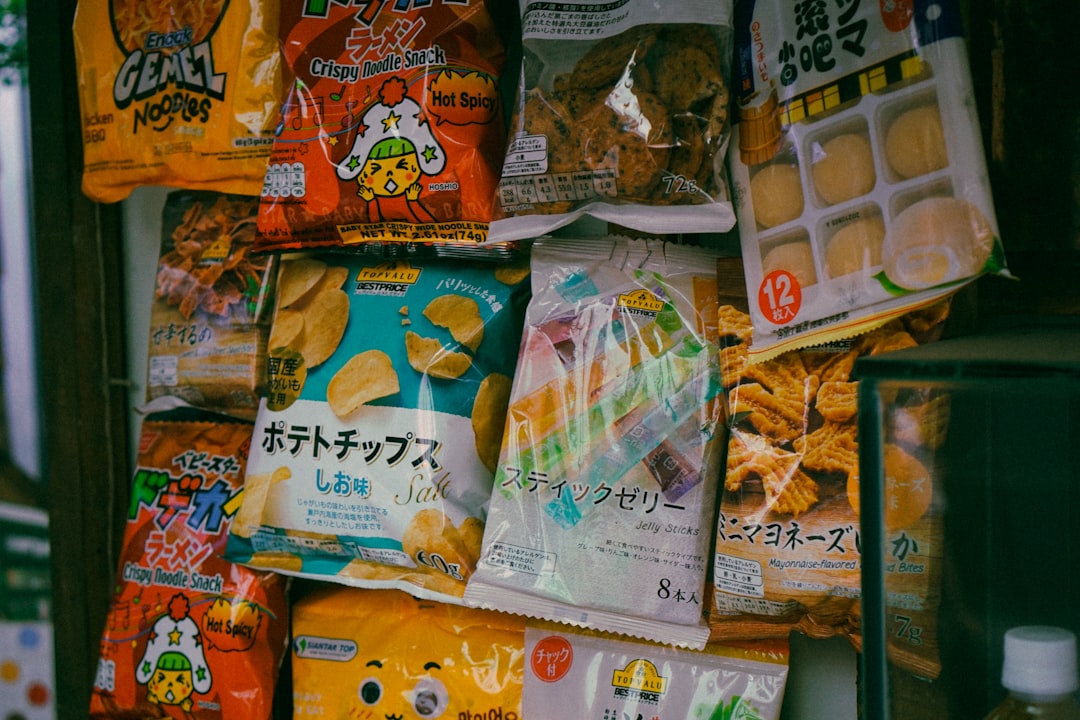
WATCH NOW ▶️ Why 99% Of American Food Is Illegal Overseas
FAQs
What are synthetic food dyes?
Synthetic food dyes are artificial color additives used to enhance the appearance of food and beverages. They are chemically manufactured and commonly found in processed foods, candies, and drinks.
Are synthetic food dyes safe for long-term consumption?
While synthetic food dyes are approved by regulatory agencies like the FDA for use in food, some studies suggest that long-term consumption may be linked to health concerns such as hyperactivity in children, allergic reactions, and potential carcinogenic effects. However, conclusive evidence is still under research.
What are some potential long-term health effects of synthetic food dyes?
Potential long-term effects include behavioral issues like attention deficit hyperactivity disorder (ADHD) in children, allergic reactions, and possible links to cancer. Some dyes have been banned or restricted due to these concerns.
Which synthetic food dyes are considered most concerning?
Dyes such as Red 40, Yellow 5, and Yellow 6 have been studied extensively and are often cited in discussions about adverse health effects. Some dyes like Red 3 have been banned in certain applications due to carcinogenicity concerns.
How can consumers reduce exposure to synthetic food dyes?
Consumers can reduce exposure by choosing natural or organic foods, reading ingredient labels carefully, avoiding brightly colored processed foods, and opting for products that use natural colorants derived from fruits, vegetables, or spices.