You’ve likely experienced it. That subtle nudge, the ingrained expectation, the feeling that you should always be doing something, producing something, optimizing your time. This relentless pressure to be productive, to fill every moment with activity, isn’t just a modern quirk; it’s a legacy of what we’ll call the Industrial Time Lie. You’ve accepted it as the natural order of things, but it’s time to uncover the truth behind this pervasive ideology.
For centuries, human beings lived by the rhythms of nature. Day and night, seasons, the ebb and flow of agricultural cycles dictated the pace of life. Your ancestors worked when the sun was up, rested when it set, and their productive output was intrinsically linked to the physical world around them. But then, something shifted. The factory whistle blew, and time itself was re-engineered.
The Dawn of the Factory Clock
Imagine stepping into the cacophony of a 19th-century factory. The air thick with the smell of oil and coal dust, the deafening clatter of machinery. Here, you weren’t a farmer guided by the sun; you were a cog in a vast, mechanical apparatus. Your worth was no longer tied to the bounty of the earth or the skill of your craft, but to the minutes and hours you spent tending to the machines. This is where the concept of time as a quantifiable, interchangeable commodity truly took root.
From Task-Oriented to Time-Oriented Work
Before industrialization, work was largely task-oriented. You completed a job, and your day’s labor was done. Whether it took three hours or seven was less important than the finished product. The factory system, however, demanded uniformity and predictability. Workers were paid by the hour, not by the output of their hands or minds. This created a powerful incentive for employers to maximize the time spent on the factory floor, regardless of the actual productivity or the well-being of the worker. You learned to see time as something to be “spent” or “wasted,” a resource to be managed and exploited.
The Rise of Synchronized Labor
The factory depended on precise coordination. One person’s delay could halt an entire assembly line. This necessity led to the widespread adoption of synchronized labor, where everyone worked the same hours, took the same breaks, and performed their tasks in unison. This collective rhythm, while efficient for industrial production, imposed a rigid structure on human lives that often disregarded individual needs and natural fluctuations in energy and focus. You were, and in many ways still are, trained to conform to this external, artificial clock.
The concept of the industrial time lie has sparked considerable debate among historians and enthusiasts alike, shedding light on how our perception of time has been shaped by industrial advancements. For a deeper understanding of this intriguing topic, you can explore a related article that delves into the historical context and implications of timekeeping changes during the industrial revolution. Check it out here: Related Article on Industrial Time Lie.
The Myth of Maximum Productivity at All Costs
The Industrial Time Lie perpetuates the belief that every moment must be optimized for maximum output, that leisure is inherently unproductive and should be minimized. This is a dangerous illusion that has infiltrated every aspect of your life. You’re bombarded with advice on time management hacks, productivity apps, and strategies to “hack” your day. But has this constant push for more actually made you happier or more fulfilled?
The Efficiency Trap
The drive for efficiency has led to a relentless pursuit of speed and output. You’re encouraged to multitask, to juggle multiple projects, to constantly be “on.” This often comes at the expense of deep focus, thoughtful reflection, and genuine creativity. You might be busy, but are you truly effective? The efficiency trap lures you into believing that more activity equals more accomplishment, when in reality, it can lead to burnout and a superficial engagement with your work. You’re often engaging in what appears to be productivity, but is more accurately a state of constant, shallow busyness.
The Erosion of Deep Work
Cal Newport, in his book “Deep Work,” eloquently describes the concept of “deep work” as professional activities performed in a state of distraction-free concentration that push your cognitive capabilities to their limit. This type of work is crucial for producing truly valuable results and developing new skills. However, the industrial mindset actively undermines deep work. Constant interruptions from emails, notifications, and the general expectation of immediate responsiveness fragment your attention and prevent you from entering the focused mental states required for complex problem-solving and creative endeavors. You’ve been conditioned to prioritize the urgent over the important, the reactive over the proactive.
The Glorification of Busyness
Busyness has become a badge of honor. When asked how you’re doing, a common response is “I’m so busy!” This isn’t a lament; it’s often a statement of importance, a subtle way of asserting your value in a society that equates activity with worth. This glorification of busyness prevents you from recognizing that constant activity can be detrimental. You might feel a sense of accomplishment by simply being perpetually occupied, but this often masks a lack of meaningful progress or a profound sense of exhaustion. Your social interactions are often punctuated by this ritualistic declaration of being overwhelmed.
The Peril of Never-Ending Workdays
The lines between work and personal life have become increasingly blurred, thanks to technology. But the Industrial Time Lie fuels this bleed, suggesting that if you’re not physically at your desk, you should still be mentally engaged with work. This leads to never-ending workdays, where rest and rejuvenation are seen as luxuries rather than necessities.
The Rise of the “Always On” Culture
Your smartphone, once a tool for communication, has transformed into a constant tether to your professional obligations. Emails arrive at all hours, urgent requests are expected to be fulfilled instantaneously, and the pressure to be available 24/7 creates immense stress. This “always on” culture actively erodes your ability to disconnect, to truly unplug and recharge. You might feel like you’re being more productive by responding to that late-night email, but you’re actually sacrificing valuable recovery time that is essential for long-term cognitive function. The illusion of immediate responsiveness is often prioritized over sustained, thoughtful work.
The Neglect of Rest and Recovery
The Industrial Time Lie frames rest as a weakness, a sign of slacking off. Yet, science consistently shows that adequate rest is crucial for cognitive function, creativity, and overall well-being. When you consistently deprive yourself of sleep and downtime, you impair your ability to focus, to learn, and to solve problems effectively. You might be pushing your body and mind to their limits, but you’re ultimately sabotaging your own potential for sustained high performance. You are, in essence, running on fumes, believing that the constant motion is a sign of strength.
Redefining Productivity Beyond Output Metrics

The Industrial Time Lie has taught you to measure productivity solely by quantifiable output. But this narrow definition fails to capture the true essence of meaningful contribution. It’s time to challenge these metrics and embrace a more holistic understanding of productivity.
The Value of Reflection and Incubation
Some of the most groundbreaking ideas and solutions arise not from frantic activity, but from moments of quiet contemplation and incubation. The Industrial Time Lie dismisses these periods as unproductive idleness. You’re encouraged to jump from one task to the next, rarely allowing your mind the space to process, connect disparate ideas, or simply wander. This constant engagement with immediate demands stifles creativity and inhibits the development of truly innovative solutions. You’ve been taught to fear the void, to see stillness as a void to be filled.
The “Aha!” Moment and Its Importance
Think about those moments when a brilliant idea suddenly strikes you – the “aha!” moment. These rarely occur when you’re overwhelmed with tasks or constantly bombarded by distractions. They often emerge during periods of rest, during walks in nature, or while engaging in seemingly unrelated activities. The Industrial Time Lie, by prioritizing constant action, actively discourages the conditions that foster these serendipitous breakthroughs. You’re conditioned to believe that inspiration is a byproduct of relentless effort, rather than an emergent property of a well-rested and engaged mind.
The Art of Deliberate Pause
Learning to intentionally pause is a radical act against the Industrial Time Lie. It’s about creating space for reflection, for strategic thinking, and for allowing your subconscious mind to work its magic. Scheduling time for reading, journaling, or simply staring out the window isn’t a sign of inefficiency; it’s an investment in deeper understanding and more effective problem-solving. You are designed for periods of both activity and rest, and to ignore this fundamental aspect of your being is to operate at a suboptimal level.
The Significance of Well-being in Productivity
Your physical and mental well-being are not separate from your productivity; they are foundational to it. The Industrial Time Lie treats your health as an obstacle to be overcome in the pursuit of output.
The False Dichotomy of Work and Health
The idea that you must sacrifice your health for professional success is a dangerous myth perpetuated by industrial thinking. When you are exhausted, stressed, and unwell, your capacity for focused work, creativity, and effective decision-making diminishes significantly. Prioritizing your well-being – through adequate sleep, exercise, and stress management – is not a luxury; it’s a strategic imperative for sustained high performance. You are not machines designed for perpetual output; you are complex biological organisms that require care and attention.
The Long-Term Impact of Burnout
Burnout is not a badge of honor; it’s a symptom of a system that exploits human energy without adequate replenishment. The relentless pursuit of productivity, as dictated by the Industrial Time Lie, often leads to chronic stress, exhaustion, and a loss of passion and engagement. This not only impacts your professional life but also has profound consequences for your personal relationships and overall quality of life. You are actively diminishing your own capacity for future contribution by prioritizing short-term, unsustainable output.
Reclaiming Your Time from Industrial Chains
Recognizing the Industrial Time Lie is the first step. The next is actively reclaiming your time and structuring your life in a way that prioritizes genuine well-being and meaningful contribution, rather than the relentless pursuit of artificial metrics.
Challenging the Tyranny of the Clock
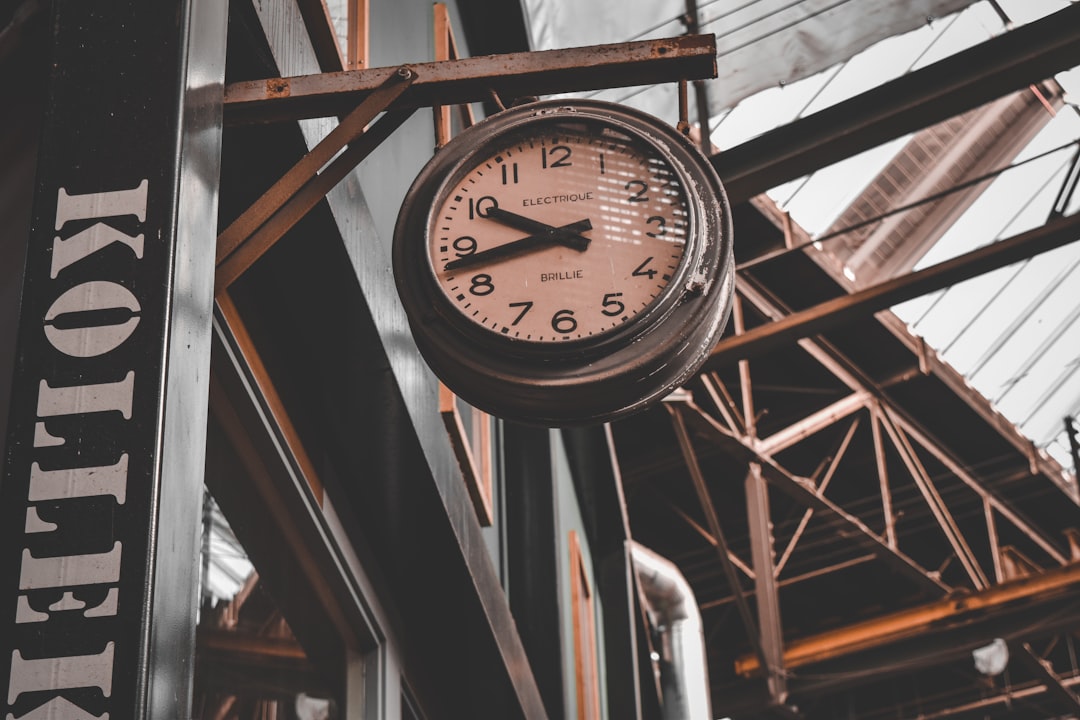
The clock, once a tool of liberation, has become a symbol of your subjugation to an artificial system. You’ve been conditioned to react to its chiming, to measure your worth by its relentless march. It’s time to question the absolute authority of this external measure.
Embracing Flexible Work Arrangements
The advent of remote and hybrid work models offers a significant opportunity to break free from the rigid structures of industrial time. When you have greater control over your work environment and schedule, you can align your tasks with your natural energy cycles and personal needs. This flexibility allows for more focused work during peak productivity periods and greater integration of responsibilities and personal life. You might find that working when you are most alert, rather than when the clock strikes nine, leads to better results.
The Power of Setting Boundaries
Establishing clear boundaries between work and personal life is essential for reclaiming your time. This means learning to say no to non-essential demands, delegating when possible, and protecting your downtime fiercely. It’s about recognizing that your personal time is as valuable, if not more so, than your work time, and that it’s crucial for your overall well-being and long-term effectiveness. You are not obligated to be available for work every waking moment, and setting these limits is an act of self-preservation.
Cultivating a Personal Rhythm
Just as nature has its rhythms, so too do you. The Industrial Time Lie encourages you to ignore your own internal clock in favor of an external, standardized one. It’s time to reconnect with your innate biological and psychological rhythms.
Understanding Your Chronotype
Are you a morning lark or a night owl? Understanding your chronotype – your natural predisposition to sleep and wake – can significantly enhance your productivity. By scheduling demanding tasks during your peak alertness hours, you can achieve more with less effort. This intentional alignment of your activities with your internal clock is a powerful antidote to the one-size-fits-all approach dictated by industrial time. You are not meant to perform at your best when your body is signaling for rest.
The Importance of Restorative Practices
Incorporating restorative practices into your daily routine is not a luxury but a necessity. This could include mindfulness meditation, spending time in nature, engaging in hobbies you enjoy, or simply taking short breaks throughout the day to move and stretch. These practices help to replenish your energy reserves, reduce stress, and improve focus, ultimately leading to greater sustained productivity and a more fulfilling life. You are not simply a mind that works; you are a body and mind that thrives on balance.
The concept of the industrial time lie has sparked considerable debate among historians and enthusiasts alike. For those interested in exploring this topic further, a related article can provide additional insights and context. You can read more about the implications of timekeeping changes during the industrial revolution in this informative piece. Understanding how these shifts influenced society is crucial for grasping the broader impact of industrialization. Check out the article here for a deeper dive into this fascinating subject.
The Future of Time: Beyond Industrial Constraints
| Industrial Time Lie Explained | |
|---|---|
| Topic | Explanation |
| Definition | The concept that industrial time, or the standard 9-5 workday, is not the most efficient or effective way to work |
| Impact | Can lead to burnout, decreased productivity, and poor work-life balance |
| Solutions | Flexible work hours, remote work options, and focus on results rather than hours worked |
The Industrial Time Lie, though deeply ingrained, is not immutable. By understanding its origins and its detrimental effects, you can begin to actively dismantle its hold on your life and contribute to a future where time is no longer a tool of oppression, but a space for genuine fulfillment and meaningful contribution.
Embracing a More Human-Centric Approach to Work
The future of work lies in moving away from industrial paradigms and embracing approaches that prioritize human well-being, autonomy, and authentic contribution. This means designing work structures that respect individual differences, foster creativity, and allow for a healthy integration of professional and personal lives.
The Rise of the “Flow State” Economy
As we move beyond the industrial model, we can anticipate a greater emphasis on the “flow state” – that optimal experience of complete absorption in an activity. This state is characterized by intense focus, a sense of enjoyment, and a distortion of time. Creating environments and work structures that facilitate flow will be crucial for unlocking human potential and fostering innovation. You will be more engaged, more creative, and ultimately, more satisfied when you are operating within your zone of maximum engagement.
The Value of Purpose-Driven Work
When your work is aligned with your values and contributes to something larger than yourself, it becomes intrinsically motivating. The Industrial Time Lie often disconnects individuals from the purpose of their labor, reducing them to mere executors of tasks. A future that prioritizes purpose-driven work will allow individuals to find greater meaning and fulfillment in their contributions, leading to increased engagement and a more sustainable approach to productivity. You are more than a laborer; you are a creator with the capacity for impactful contribution when your work resonates with your core values.
Liberating Time for Life
Ultimately, the Industrial Time Lie has trapped you in a cycle of perceived obligation and constant activity, distracting you from the richness of life itself. It’s time to liberate your time, not just for the sake of being more efficient, but for the sake of truly living.
Reclaiming Leisure as Essential
Leisure is not idleness; it is a vital component of a well-lived life. It is during our downtime that we recharge, connect with loved ones, pursue passions, and experience joy. By reframing leisure as essential and valuable, rather than a luxury to be earned, you can begin to create a more balanced and fulfilling existence. You are not meant to be in a perpetual state of striving; you are also meant to experience the simple pleasures of being.
The Pursuit of Meaning Over Metrics
In the end, your life will be measured not by the number of tasks you completed or the hours you logged, but by the meaning you created, the relationships you nurtured, and the positive impact you had on the world. The Industrial Time Lie encourages you to focus on the superficial metrics, while the true rewards lie in the deeper, more human aspects of existence. It’s time to shed the illusions and embrace the reality of a life lived with purpose, presence, and genuine connection. You have the power to redefine your relationship with time, to see it not as a relentless constraint, but as a precious resource for a life well-lived.
FAQs
What is the industrial time lie?
The industrial time lie refers to the concept that the standard 9-5 workday and 40-hour workweek is the most productive and efficient way for people to work. This concept has been widely accepted and implemented in many industries, but some argue that it is not the most effective way for people to work.
How did the industrial time lie come about?
The industrial time lie originated during the Industrial Revolution when factory owners sought to maximize productivity and profits. The standard 9-5 workday and 40-hour workweek became the norm, and it has persisted as the standard work schedule in many industries.
What are the criticisms of the industrial time lie?
Critics argue that the standard 9-5 workday and 40-hour workweek may not be the most productive or efficient way for people to work. They argue that it may lead to burnout, decreased productivity, and a poor work-life balance for employees.
Are there alternative work schedules that challenge the industrial time lie?
Yes, there are alternative work schedules such as flexible work hours, compressed workweeks, and remote work arrangements that challenge the traditional 9-5 workday and 40-hour workweek. These alternative schedules aim to improve productivity, employee satisfaction, and work-life balance.
What are the potential benefits of challenging the industrial time lie?
Challenging the industrial time lie can lead to increased productivity, improved employee well-being, and a better work-life balance. It can also lead to a more diverse and inclusive workforce by accommodating different lifestyles and needs.