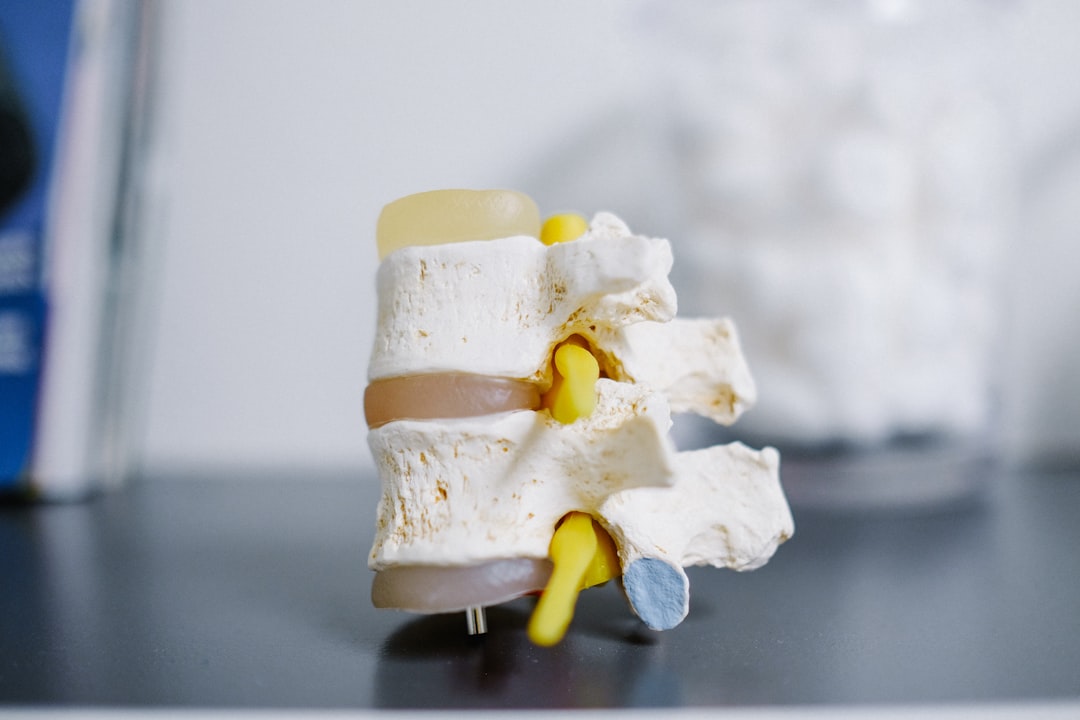
Vitamin D plays a critical and multifaceted role in maintaining bone health throughout an individual’s lifespan. Its primary function is to regulate calcium and phosphate metabolism, essential minerals for the formation and strength of skeletal tissue. Without adequate vitamin D, the body struggles to absorb sufficient calcium from the diet, leading to a deficiency that can have profound and detrimental effects on bone structure and integrity.
The journey of vitamin D within the body is complex, beginning with its synthesis in the skin upon exposure to ultraviolet B (UVB) radiation from sunlight. Alternatively, it can be obtained through dietary sources and supplements. Once produced or ingested, vitamin D undergoes a series of metabolic transformations in the liver and kidneys to become its biologically active form, calcitriol. This hormonal form then acts on various target tissues, most notably the intestines, kidneys, and bone itself, to orchestrate the intricate processes that support healthy bone development and maintenance.
The biological activity of vitamin D is intrinsically linked to its ability to facilitate the absorption of dietary calcium. This process is primarily orchestrated in the small intestine, where calcitriol binds to specific vitamin D receptors (VDRs) present on the surface of intestinal cells. This binding event triggers a cascade of molecular signals that ultimately lead to an increase in the expression of calcium-absorbing proteins, such as calbindin-D, within these intestinal cells.
Synthesis and Activation of Vitamin D
The initial step in vitamin D production occurs in the epidermis of the skin, where 7-dehydrocholesterol, a precursor molecule, is converted into previtamin D3 upon exposure to UVB radiation. This previtamin D3 then undergoes a thermal isomerization to form vitamin D3 (cholecalciferol). Vitamin D3, along with dietary vitamin D2 (ergocalciferol), is then transported to the liver, where it undergoes hydroxylation at the 25th carbon position, forming 25-hydroxyvitamin D [25(OH)D]. This circulating form is what is typically measured in blood tests to assess vitamin D status.
The Role of Sunlight Exposure
Sunlight, specifically UVB rays, is the primary endogenous source of vitamin D for most individuals. The intensity of UVB radiation varies geographically and seasonally, and factors such as skin pigmentation, age, and the use of sunscreen can significantly influence the amount of vitamin D synthesized. Darker skin pigmentation contains more melanin, which acts as a natural sunblock, reducing UVB penetration and thus vitamin D synthesis. Similarly, older individuals have a reduced capacity for vitamin D production in their skin.
Dietary Sources of Vitamin D
While sunlight is a major contributor, dietary sources also provide vitamin D. Fatty fish, such as salmon, mackerel, and tuna, are among the richest natural sources. Other sources include fortified foods like milk, orange juice, and cereals, as well as cod liver oil. However, relying solely on diet can be challenging for many individuals to meet their daily vitamin D requirements.
Intestinal Absorption of Calcium
Once vitamin D is activated to calcitriol in the kidneys, it travels to the intestinal cells. Calcitriol’s interaction with VDRs within these cells upregulates the synthesis of various proteins involved in calcium transport. This includes the active transport of calcium across the apical membrane of enterocytes and its subsequent translocation across the cell to be released into the bloodstream. Without sufficient vitamin D, intestinal absorption of calcium is significantly impaired, leading to a negative calcium balance.
Calbindin-D: A Key Protein in Calcium Transport
One of the most critical proteins influenced by vitamin D in intestinal cells is calbindin-D. Calbindin-D is a calcium-binding protein that facilitates the movement of calcium ions across the cytoplasm of intestinal cells, thereby increasing the overall efficiency of calcium absorption. The expression of calbindin-D is directly regulated by calcitriol, highlighting the crucial link between vitamin D status and calcium bioavailability.
Paracellular vs. Transcellular Calcium Absorption
Vitamin D primarily influences transcellular calcium absorption, which is an active, energy-dependent process that allows for regulated uptake of calcium. While some passive paracellular absorption of calcium also occurs, it is less responsive to vitamin D levels. The enhancement of transcellular absorption by vitamin D is essential for meeting the body’s calcium demands, particularly for bone mineralization.
Regulation of Phosphate Absorption
In addition to calcium, vitamin D also plays a role in the intestinal absorption of phosphate. Phosphate is another crucial mineral for bone mineralization and is a component of the hydroxyapatite crystal structure that gives bone its rigidity. Vitamin D promotes phosphate absorption in the intestines through mechanisms that are still being fully elucidated but are believed to involve the upregulation of phosphate transporters. Maintaining appropriate phosphate levels is important for preventing disorders like rickets and osteomalacia.
Maintaining optimal bone health is crucial for overall well-being, and one of the key nutrients that plays a significant role in this process is vitamin D. This vitamin aids in calcium absorption, which is essential for developing and maintaining strong bones. For more insights into the importance of vitamin D and its impact on bone health, you can read a related article at this link.
The Crucial Role of Vitamin D in Bone Mineralization
Bone is a dynamic tissue that is constantly undergoing remodeling, a process involving the continuous breakdown of old bone tissue by osteoclasts and the formation of new bone tissue by osteoblasts. For this process to occur effectively, the body requires adequate levels of calcium and phosphate to be deposited into the bone matrix, a process known as mineralization. Vitamin D is indispensable for this mineralization process.
Providing the Building Blocks for Bone
The efficacy of bone mineralization is directly proportional to the availability of calcium and phosphate. Vitamin D’s ability to enhance intestinal absorption ensures that these essential minerals are readily accessible in the bloodstream. Without sufficient vitamin D, the body struggles to maintain adequate blood calcium levels, which can lead to the withdrawal of calcium from the bones, compromising their structural integrity.
Calcium Homeostasis and Bone Health
The body maintains a tight control over blood calcium levels, as calcium is vital for numerous physiological functions beyond bone health, including nerve impulse transmission, muscle contraction, and blood clotting. When dietary calcium intake is insufficient, and vitamin D levels are low, the body prioritizes maintaining blood calcium by resorbing calcium from the bones. This chronic resorption without adequate replacement leads to weakened bones.
The Importance of Phosphate in Mineralization
Phosphate is equally critical for bone mineralization, forming hydroxyapatite crystals within the collagen matrix of bone. Vitamin D’s influence on phosphate absorption ensures that sufficient quantities of this mineral are available for incorporation into the bone structure. A deficiency in either calcium or phosphate, exacerbated by low vitamin D, compromises the organization and strength of these mineral crystals.
Supporting Osteoblast Activity
While the direct impact of vitamin D on osteoblasts is a subject of ongoing research, evidence suggests that it plays a supporting role in their function. Osteoblasts are responsible for synthesizing and depositing the organic matrix of bone, primarily collagen, and then facilitating its mineralization. Vitamin D, through its receptors on osteoblasts, may influence processes related to their differentiation and activity, thereby contributing to effective bone formation.
Osteoblast Differentiation and Proliferation
Studies have indicated that vitamin D can influence the differentiation and proliferation of osteoblast precursor cells. This means it may play a role in ensuring that an adequate supply of mature osteoblasts is available to carry out bone formation. The presence of vitamin D receptors on these cells suggests a direct signaling pathway through which vitamin D can exert its effects.
Matrix Synthesis and Mineralization by Osteoblasts
Once differentiated, osteoblasts are responsible for producing the unmineralized bone tissue, known as osteoid. This osteoid then undergoes mineralization. Vitamin D’s role in providing the mineral components (calcium and phosphate) is paramount, but it may also indirectly influence the osteoblasts’ capacity to effectively mineralize the osteoid they produce.
The Impact of Vitamin D Deficiency on Bone Development and Disease

A deficiency in vitamin D can lead to a range of bone-related disorders, particularly during periods of rapid bone growth and increased demand, such as childhood and adolescence. These deficiencies can have long-lasting consequences on bone health and increase the risk of fractures later in life.
Rickets in Children
Rickets is a skeletal disorder that affects children, characterized by the softening and weakening of bones due to inadequate mineralization. This primarily occurs when there is a severe deficiency in vitamin D, calcium, or both. The bones are unable to properly mineralize, leading to deformities, particularly in the legs, which may become bowed, and other skeletal abnormalities.
Symptoms and Consequences of Rickets
Symptoms of rickets can include delayed growth, bone pain, muscle weakness, and bone deformities. In severe cases, rickets can lead to permanent skeletal impairments and affect a child’s mobility and overall development. Early diagnosis and intervention are crucial to prevent irreversible damage.
Causes of Vitamin D Deficiency Leading to Rickets
The causes of vitamin D deficiency leading to rickets are multifactorial, including insufficient sunlight exposure, inadequate dietary intake of vitamin D, malabsorption issues in the intestines, and certain genetic conditions that affect vitamin D metabolism.
Osteomalacia in Adults
Osteomalacia is the adult equivalent of rickets and involves the failure of newly formed bone to mineralize properly. This results in bones that are soft, weak, and prone to fractures. Unlike osteoporosis, where the bone density is reduced but the bone is normally mineralized, in osteomalacia, the bone matrix is laid down but fails to harden.
Clinical Presentation of Osteomalacia
Adults with osteomalacia may experience generalized bone pain, particularly in the hips, pelvis, and lower extremities. They may also suffer from muscle weakness, difficulty walking, and an increased risk of fractures. The pain is often described as a deep, aching sensation that can be exacerbated by weight-bearing.
Contributing Factors to Adult Osteomalacia
Similar to rickets, vitamin D deficiency is the primary cause of osteomalacia. Other contributing factors include malabsorption disorders like celiac disease or Crohn’s disease, kidney disease, liver disease, and certain medications that interfere with vitamin D metabolism.
Increased Risk of Fractures
Both rickets and osteomalacia, stemming from vitamin D deficiency, fundamentally compromise bone strength. Weakened bones are significantly more susceptible to fractures, even from minor trauma. This increased fracture risk is a major concern, particularly in older adults where falls are more common.
The Link Between Low Vitamin D and Bone Fragility
Low vitamin D levels lead to reduced calcium absorption and impaired bone mineralization, resulting in less dense and more porous bones. This structural weakness makes them less able to withstand the forces applied during daily activities or falls, thereby increasing the likelihood of fractures.
Vitamin D’s Role in Fall Prevention
Beyond directly strengthening bones, adequate vitamin D levels may also contribute to fall prevention. Some research suggests that vitamin D plays a role in muscle function and balance, and improving these aspects can reduce the risk of falls, thus indirectly lowering the incidence of fractures.
Vitamin D and Bone Remodeling: A Delicate Balance

Bone remodeling is a continuous process essential for maintaining bone density, repairing microdamage, and adapting to mechanical stress. Vitamin D plays a vital, though complex, role in this process by influencing both bone formation and resorption, albeit with a primary emphasis on supporting formation.
The Influence on Osteoclasts and Osteoblasts
Vitamin D’s interaction with bone cells is intricate. In high concentrations, vitamin D can promote osteoclast differentiation and activity, leading to increased bone resorption. However, at physiological concentrations, and in conjunction with adequate calcium and phosphate, its dominant effect is to support osteoblast function and bone formation. This duality highlights the importance of maintaining optimal, rather than excessive, vitamin D levels.
Osteoclasts and Bone Resorption
Osteoclasts are specialized cells responsible for breaking down bone tissue. This process is necessary for releasing minerals into the bloodstream when needed and for removing old or damaged bone. Vitamin D, acting on osteoclast precursors, can influence their maturation and activity.
Osteoblasts and Bone Formation
Osteoblasts are the bone-building cells. They synthesize the organic matrix of bone and then facilitate its mineralization. Vitamin D is crucial for providing the mineral components necessary for osteoblasts to effectively perform their function.
Maintaining Bone Mineral Density
The balance between bone resorption and bone formation is critical for maintaining bone mineral density (BMD). If resorption outpaces formation over time, BMD declines, leading to conditions like osteoporosis. Vitamin D’s role in promoting calcium and phosphate absorption, and supporting osteoblast activity, is central to maintaining adequate BMD.
The Role of Vitamin D in Preventing Osteoporosis
While osteoporosis is a multifactorial condition, vitamin D deficiency is a significant contributing factor. By ensuring sufficient calcium and phosphate availability and supporting effective bone mineralization, adequate vitamin D helps to build and maintain strong bones, thus reducing the risk of developing osteoporosis and its associated fractures.
The interplay with Parathyroid Hormone (PTH)
Vitamin D and parathyroid hormone (PTH) work in concert to regulate calcium homeostasis. When blood calcium levels drop, PTH is released, which stimulates the kidneys to produce calcitriol (the active form of vitamin D). Calcitriol then works to increase calcium absorption from the intestines and reabsorption in the kidneys, thereby raising blood calcium levels. This intricate feedback loop ensures that both calcium and vitamin D levels are maintained within a narrow range vital for bone health.
Maintaining strong bones is essential for overall health, and one crucial factor in achieving this is adequate vitamin D intake. Research has shown that vitamin D plays a significant role in calcium absorption, which is vital for bone density and strength. For more insights on how vitamin D contributes to bone health, you can read a related article that delves into the importance of this vitamin and its impact on our skeletal system. Check it out here for more information on this important topic.
Ensuring Adequate Vitamin D Intake for Optimal Bone Health
| Metrics | Data |
|---|---|
| Prevalence of Vitamin D Deficiency | 40% of the population has low levels of vitamin D |
| Importance of Vitamin D | Vitamin D helps in the absorption of calcium, essential for bone health |
| Risk Factors for Bone Health | Low vitamin D levels, lack of physical activity, and poor diet |
| Recommended Daily Intake of Vitamin D | 600-800 IU for adults |
Given the critical importance of vitamin D for bone health, it is essential to ensure adequate intake throughout life. This involves a combination of sensible sun exposure, a balanced diet rich in vitamin D sources, and, when necessary, supplementation under the guidance of a healthcare professional.
Strategies for Maximizing Vitamin D Synthesis and Intake
A proactive approach to vitamin D status can significantly benefit bone health. This involves understanding
FAQs
What is the importance of vitamin D for bone health?
Vitamin D is essential for bone health as it helps the body absorb calcium, which is crucial for maintaining strong and healthy bones. Without enough vitamin D, the body cannot form enough of the hormone calcitriol, which in turn leads to insufficient calcium absorption from the diet.
How does vitamin D deficiency affect bone health?
Vitamin D deficiency can lead to soft and brittle bones, a condition known as osteomalacia in adults and rickets in children. Without enough vitamin D, the body is unable to properly regulate calcium and phosphorus levels, which are essential for bone mineralization.
What are the sources of vitamin D?
The primary source of vitamin D is sunlight, as the body can produce vitamin D when the skin is exposed to UVB rays. Additionally, vitamin D can be obtained from certain foods such as fatty fish (e.g., salmon, mackerel), egg yolks, and fortified dairy and cereal products.
What are the recommended daily intake levels of vitamin D?
The recommended daily intake of vitamin D varies by age and life stage. For most adults, the recommended dietary allowance (RDA) is 600-800 IU (international units) per day. However, individual needs may vary based on factors such as sun exposure, skin pigmentation, and overall health.
What are some ways to maintain healthy bones and adequate vitamin D levels?
To maintain healthy bones and adequate vitamin D levels, it is important to engage in regular weight-bearing and muscle-strengthening exercises, consume a balanced diet rich in calcium and vitamin D, and ensure adequate sun exposure while taking necessary precautions to prevent skin damage. Additionally, for individuals at risk of vitamin D deficiency, supplementation may be recommended under the guidance of a healthcare professional.