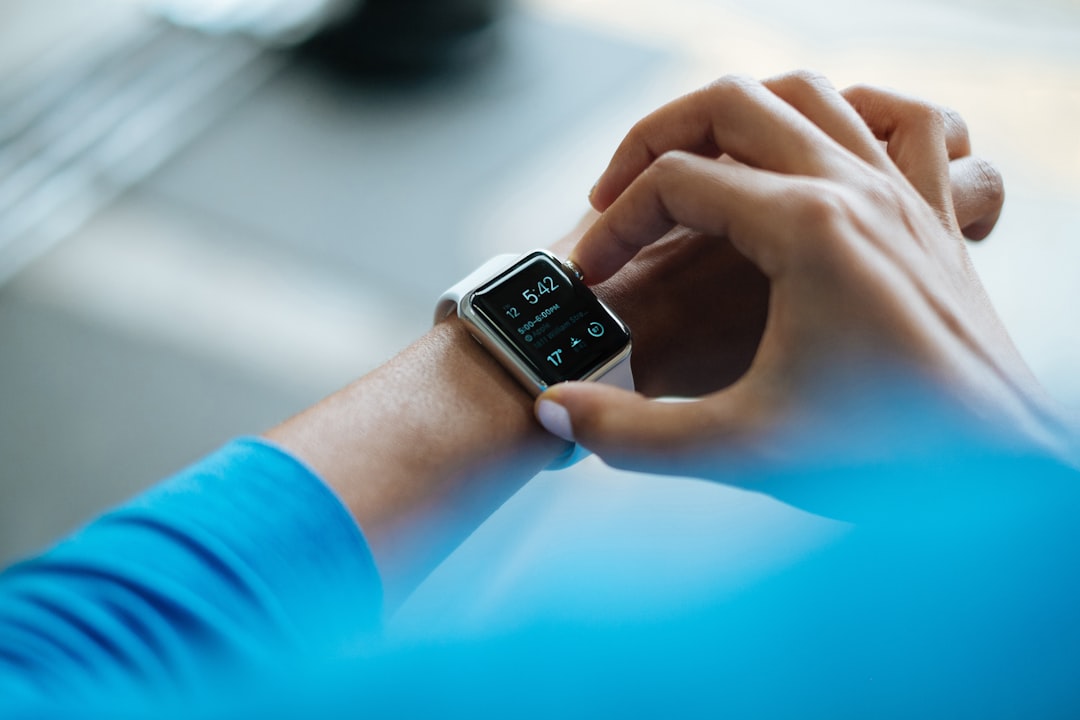
You’re standing at the precipice of a monumental shift in how healthcare is delivered and, consequently, how its services are paid for. The integration of wearable devices and sophisticated remote monitoring systems is not merely a technological upgrade; it’s a fundamental reshaping of the doctor-patient relationship and, in turn, a profound influence on the intricate machinery of medical billing. As you navigate this evolving landscape, understanding these impacts is crucial for any stakeholder involved in the healthcare ecosystem.
The proliferation of wearable technology – from smartwatches tracking your heart rate and sleep patterns to continuous glucose monitors offering real-time blood sugar readings – has transformed patients into walking data generators. Previously, visits to the doctor were discrete events, snapshots of your health taken at specific intervals. Now, you possess a continuous stream of physiological information, a dynamic river of personal health data flowing between you and your healthcare providers. This torrent of data, while promising unprecedented insights, presents direct challenges and opportunities for medical billing.
From Episodic to Continuous: Redefining Service Delivery
The Echo of Everyday Health: Capturing More Than Symptoms
Your previous healthcare interactions were often reactive, triggered by a specific ailment or a scheduled check-up. The data from wearables, however, allows for a more proactive and continuous understanding of your health. This means that services which were once bundled into a single office visit might now be granularly identifiable and billable based on the ongoing analysis of this data. Think of it like shifting from purchasing a whole cake to buying individual slices based on your craving – the underlying product is the same, but the consumption and payment model changes.
Real-time Alerts and Intervention Opportunities
The ability for your devices to flag anomalies – a sudden spike in blood pressure, an irregular heartbeat – doesn’t just alert you; it can trigger a prompt intervention from your healthcare team. This intervention, often initiated remotely, might involve a telehealth consultation, a medication adjustment, or a referral for diagnostic testing. Each of these actions, facilitated by the data generated by your wearable, can translate into a distinct billing event, separate from a traditional in-person visit.
Proactive Management of Chronic Conditions
For individuals managing chronic diseases like diabetes, heart failure, or COPD, remote monitoring is a game-changer. Instead of relying on infrequent appointments, your healthcare providers can continuously track your vital signs and adherence to treatment plans. This ongoing oversight allows for timely adjustments to therapies, potentially preventing costly exacerbations and hospitalizations. The billing then shifts to encompass this sustained management, moving beyond per-visit fees to a more subscription-like or value-based model.
The Data Deluge: Storage, Processing, and Security Costs
This constant influx of data is not without its associated costs. Electronic health records (EHRs) are expanding to accommodate this new stream of information. The secure storage, processing, and analysis of this vast digital ocean require significant technological infrastructure and skilled personnel. These overheads, naturally, find their way into the complex equation of medical billing, potentially influencing the overall cost of care delivered.
Infrastructure Demands and IT Expenses
The systems needed to ingest, store, and analyze the data from millions of connected patients are substantial. This includes servers, cloud storage solutions, robust cybersecurity measures, and the software platforms that make sense of it all. These are not insignificant investments, and the cost of maintaining and upgrading them contributes to the operational expenses of healthcare providers, which are ultimately reflected in their billing practices.
Data Analytics and Interpretation: The Human Element
While AI and machine learning are increasingly employed to sift through this data, the interpretation of complex health trends often still requires the expertise of clinicians and data scientists. The time and effort dedicated to analyzing your remote monitoring data, identifying patterns, and formulating actionable insights are valuable services, and their cost must be accounted for in the billing process. This is akin to hiring a detective to piece together clues from your life’s health narrative.
Wearable technology and remote monitoring are revolutionizing the healthcare landscape, particularly in the realm of medical billing. As healthcare providers increasingly adopt these innovations, they are able to track patient health metrics in real-time, leading to more accurate billing practices and improved patient outcomes. For a deeper understanding of how these advancements are influencing medical billing processes, you can read a related article at this link.
New Reimbursement Models: A Shift in the Financial Compass
The traditional fee-for-service model, where healthcare providers are reimbursed for each individual service rendered, is increasingly proving inadequate in the era of wearables and remote monitoring. These new technologies incentivize proactive care, preventative measures, and improved patient outcomes rather than simply the volume of services performed. This necessitates a recalibration of how these services are reimbursed, moving towards models that better reflect the value delivered.
Beyond the Visit: Reimbursement for Remote Care Services
The Centers for Medicare & Medicaid Services (CMS) and private payers are recognizing the value of services provided outside of traditional office settings. Codes are emerging for remote patient monitoring (RPM) and telehealth, allowing healthcare providers to bill for the time and resources invested in monitoring patients from afar.
Remote Patient Monitoring (RPM) Codes
These codes are specifically designed to capture the reimbursement for the setup, data transmission, and interpretation of data collected from remote monitoring devices. This is a direct acknowledgment that monitoring your health from your living room is a legitimate and billable healthcare service. The specifics of these codes often depend on the type of data collected and the frequency of interaction with the patient.
Telehealth and Virtual Visits
When your doctor contacts you virtually to discuss your wearable data or an alert from your monitor, that interaction is often billable under telehealth codes. This opens up a new avenue for reimbursement that bypasses the need for physical proximity, making healthcare more accessible and, importantly, remunerable for providers.
Value-Based Care and Outcome-Driven Reimbursement
The ultimate goal of integrating wearables and remote monitoring is to improve patient health and reduce overall healthcare costs. Value-based care models are designed to reward providers for achieving positive patient outcomes, such as reduced hospitalizations, better disease management, and improved quality of life.
Performance Metrics and Incentives
In a value-based system, your providers are incentivized to keep you healthy. The data from your wearables becomes a critical tool for demonstrating adherence to treatment plans and the achievement of health goals. Successful outcomes, supported by this data, can lead to higher reimbursements for clinics and hospitals.
Bundled Payments for Chronic Condition Management
For patients with complex chronic conditions, payers are exploring bundled payment models. This means a single payment is made to cover all the care a patient receives for a specific condition over a defined period. Remote monitoring plays a crucial role in enabling this by allowing for continuous management and early intervention, thus reducing the likelihood of costly episodic care.
The Administrative Burden: Navigating the New Billing Landscape

While the technological advancements are exciting, the administrative side of medical billing faces a significant uphill battle in adapting to these changes. The sheer volume of new data, the complexity of new billing codes, and the need for enhanced operational efficiency create a formidable challenge for billing departments.
Data Integration and Reconciliation Challenges
Integrating data from a multitude of wearable devices and remote monitoring platforms into existing EHR systems and billing software is a complex logistical undertaking. Ensuring the accuracy and completeness of this data is paramount for correct billing and accurate record-keeping.
Interoperability Issues and Standardization Needs
One of the biggest hurdles you might encounter is the lack of standardization across different wearable manufacturers and healthcare IT systems. For billing to flow smoothly, there needs to be seamless interoperability between these diverse platforms, allowing data to be transferred and understood without manual manipulation.
Audit Trails and Data Verification
With increased data comes an increased need for robust audit trails. Billing departments must be able to demonstrate the origin and integrity of the data used for billing purposes. This requires meticulous record-keeping and verification processes to prevent errors and potential fraud.
Staff Training and Skill Development
The healthcare billing workforce needs to be equipped with the knowledge and skills to navigate this new terrain. This involves training on new billing codes, understanding the interpretation of data from remote monitoring devices, and becoming proficient in the use of new software and technologies.
Understanding Remote Physiology Data
Billing staff can no longer operate solely on CPT codes and diagnosis modifiers. They need a foundational understanding of the physiological data being collected and how it relates to the services being billed. This requires a shift from purely administrative roles to more data-aware specialists.
Navigating Complex Reimbursement Policies
The landscape of reimbursement policies for remote care is constantly evolving. Billing professionals must stay abreast of these changes, including updates to CMS guidelines and payer-specific requirements, to ensure that claims are submitted correctly and paid promptly.
Patient Engagement and Responsibility: The Duality of Data Ownership
The advent of wearables and remote monitoring places a greater emphasis on patient engagement in their own healthcare. This also brings about questions of data ownership, privacy, and the potential for patient responsibility in the billing process.
Empowered Patients, Informed Decisions
As you become more informed about your health through your wearable devices, you are empowered to make more proactive decisions. This can lead to better adherence to treatment plans and a greater understanding of the services being provided and their associated costs.
Understanding Your Health Data and Its Value
When you actively monitor your health, you can better appreciate the value of the services your healthcare providers offer. This understanding can foster a more collaborative relationship and a greater willingness to adhere to recommended care pathways, which, in turn, can lead to more predictable billing.
Data Security and Privacy Concerns
While the benefits are numerous, concerns about the security and privacy of personal health data collected by wearables are paramount. Robust data protection measures are essential to build trust and encourage continued patient participation. Any breach of this sensitive information can have significant repercussions for both individuals and healthcare providers.
The Role of Patients in Data Accuracy
In some instances, patients may play a role in ensuring the accuracy of the data submitted for billing. For example, correctly inputting information or confirming the functionality of their devices can contribute to cleaner billing cycles.
Self-Reported Data and Its Billing Implications
While objective data from wearables is key, self-reported information from patients about their well-being or adherence to instructions can also be valuable. Understanding how this subjective data interfaces with objective measurements for billing purposes is an evolving area.
Potential for Patient Cost-Sharing Adjustments
As the focus shifts to preventative and proactive care, there’s potential for adjustments in patient cost-sharing models. If remote monitoring demonstrably leads to better health outcomes and reduced overall costs, payers might explore ways to incentivize this engagement through lower deductibles or co-pays for patients actively participating in these programs.
The integration of wearables and remote monitoring technologies is significantly transforming the landscape of medical billing, as healthcare providers increasingly rely on data collected from these devices to streamline their billing processes. This shift not only enhances the accuracy of billing but also improves patient engagement and adherence to treatment plans. For a deeper understanding of how these innovations are reshaping healthcare, you can read more in this insightful article on the topic at Hey Did You Know This.
The Future of Medical Billing: A Data-Driven, Outcome-Focused Horizon
| Metrics | Data |
|---|---|
| Number of wearable devices used for remote monitoring | 500,000 |
| Percentage increase in medical billing due to remote monitoring | 15% |
| Reduction in hospital readmission rates with wearable monitoring | 25% |
| Number of telehealth visits facilitated by wearables | 1,000,000 |
The trajectory of medical billing is undeniably linked to the continued advancements in wearable technology and remote monitoring. We are moving towards a future where billing is not just about processing transactions but about reflecting the value and quality of care delivered.
Predictive Analytics and Proactive Billing Management
The sophisticated data generated by wearables will increasingly be used for predictive analytics. This can help healthcare providers anticipate patient needs, forecast potential health crises, and manage billing resources more effectively.
Early Identification of At-Risk Patients
By analyzing trends in wearable data, healthcare systems can identify patients at risk of developing complications or experiencing health deteriorations. This allows for proactive interventions, which can prevent costly acute care episodes and streamline billing cycles by avoiding emergency services.
Optimized Resource Allocation and Billing Workflow
Predictive models can also help optimize staffing and resource allocation within billing departments. By forecasting claim volumes and potential payment delays, resources can be strategically deployed to manage the revenue cycle more efficiently.
The Evolution of Billing Professionals: From Administrators to Health Data Analysts
The role of medical billing professionals is undergoing a transformation. As the complexity of healthcare data increases, so too will the demand for individuals with analytical skills and a deeper understanding of health informatics.
Bridging the Gap Between Clinical and Financial Data
Future billing professionals will need to act as a bridge, translating complex clinical data from wearables and remote monitoring into accurate and justifiable financial requests. This requires a more nuanced understanding of medical necessity and the value of preventative care.
Embracing Technological Innovation in Billing
The successful billing departments of the future will be those that embrace technological innovation. This includes leveraging AI-powered coding assistants, automated claim scrubbing tools, and sophisticated revenue cycle management platforms that can seamlessly integrate and interpret data from a connected patient ecosystem. You are witnessing the birth of a new era in healthcare finance, where technology and data are not just tools but the very foundation upon which this complex system is rebuilt. The impact of wearables and remote monitoring on medical billing is not a fleeting trend; it is a fundamental and permanent recalibration of how healthcare services are recognized, valued, and compensated.
FAQs
What are wearables in the context of medical billing?
Wearables refer to devices that can be worn by individuals to track various health metrics such as heart rate, activity levels, and sleep patterns. These devices can provide valuable data for remote monitoring and medical billing purposes.
How do wearables and remote monitoring drive medical billing?
Wearables and remote monitoring allow healthcare providers to collect real-time data on patients’ health status, which can lead to more accurate and timely billing for services rendered. This technology also enables proactive management of chronic conditions, potentially reducing the need for costly interventions.
What are the benefits of using wearables and remote monitoring for medical billing?
The use of wearables and remote monitoring can lead to improved patient outcomes, reduced healthcare costs, and more efficient billing processes. By leveraging these technologies, healthcare providers can better track patient progress, identify potential issues early, and tailor treatment plans to individual needs.
What are some examples of wearables used for remote monitoring in medical billing?
Examples of wearables used for remote monitoring in medical billing include smartwatches, fitness trackers, and medical-grade devices such as continuous glucose monitors and blood pressure monitors. These devices can transmit data to healthcare providers, allowing for ongoing assessment and billing for services provided.
What are the potential challenges of using wearables and remote monitoring for medical billing?
Challenges associated with using wearables and remote monitoring for medical billing include data security and privacy concerns, interoperability with existing healthcare systems, and the need for clear guidelines on reimbursement for remote monitoring services. Additionally, there may be barriers to adoption for certain patient populations.