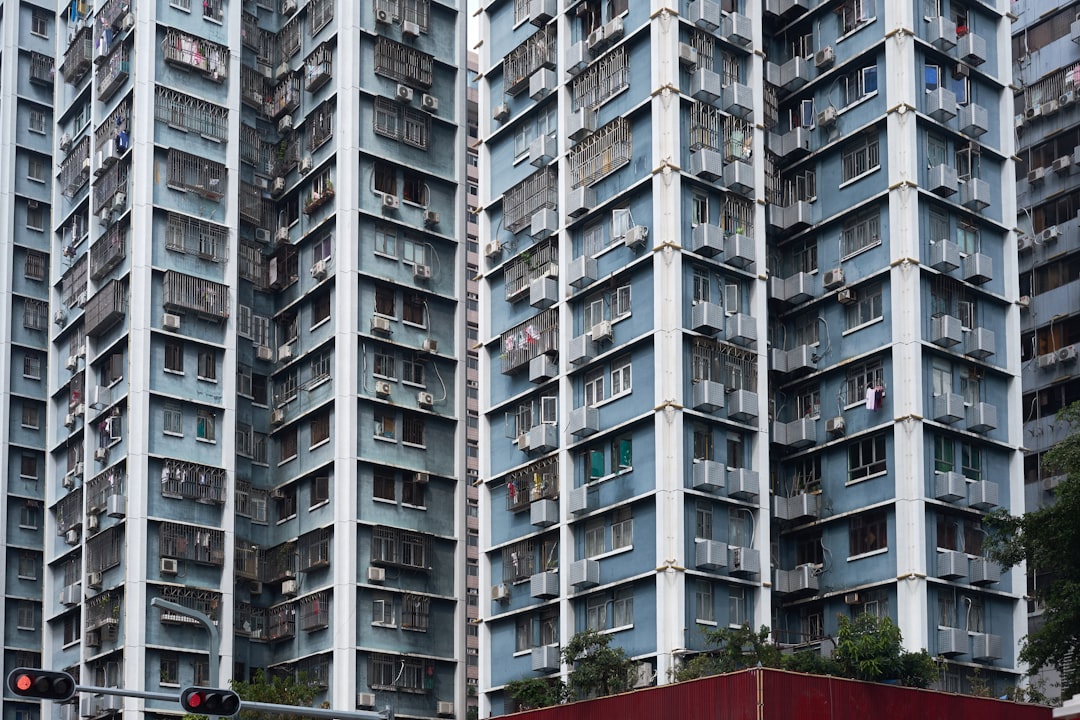
The relentless march of industrialization, beginning in the 18th century, profoundly reshaped human settlements and societal structures. Its most visible manifestation was the rapid growth of cities, transforming once-quaint towns into sprawling metropolises. This phenomenon, known as urbanization, brought with it a complex interplay of opportunities and challenges, none more pressing than the issue of overcrowding. This article delves into the multifaceted impact of urbanization and its attendant overcrowding within industrial cities, examining their societal, environmental, and public health ramifications.
The transition from agrarian economies to industrialized societies served as the primary catalyst for the dramatic rise of urban centers. Technological advancements, particularly in manufacturing and transportation, spurred the establishment of factories and workshops, acting as magnets for rural populations.
Rural-to-Urban Migration
The promise of employment, often perceived as a pathway to economic betterment, drew vast numbers of individuals from rural areas to urban hubs. Agricultural mechanization reduced the demand for farm labor, further accelerating this migratory wave. For many, the city represented a beacon of opportunity, a stark contrast to the perceived limitations of rural life.
The Factory System and Concentrated Labor
The factory system, characterized by large-scale production facilities, necessitated a concentrated workforce. This led to the development of worker housing in close proximity to industrial zones, often without adequate planning or infrastructure. This clustering of labor was a fundamental driver of early urban density.
The phenomenon of urbanization and overcrowding during the Industrial Revolution significantly transformed cities, leading to both opportunities and challenges for their inhabitants. For a deeper understanding of the social and economic impacts of this period, you can explore a related article that delves into the historical context and consequences of rapid urban growth. To read more, visit this article.
Societal Strain and Disparities
The influx of people into industrial cities created immense pressure on existing social structures, leading to significant societal strain and magnifying existing disparities. The shared space became a crucible where diverse backgrounds and limited resources clashed.
Housing Crises and Slums
One of the most immediate consequences of rapid urbanization was a severe housing shortage. Landlords, often motivated by profit, constructed rudimentary and densely packed dwellings, leading to the proliferation of tenements and slums. These structures were typically poorly ventilated, lacked sanitation, and housed multiple families in single rooms, becoming hotbeds for disease and social unrest. Imagine, if you will, the city as a rapidly expanding organism, its vital organs – housing, sanitation, and public services – struggling to keep pace with its ballooning extremities.
Erosion of Community and Social Fabric
The traditional social structures of rural communities, characterized by close-knit relationships and mutual support, often disintegrated in the anonymity of the industrial city. The rapid influx of strangers, coupled with the daily grind of factory work, made it difficult to forge new communal bonds. This erosion of social fabric sometimes contributed to increased crime rates and a sense of alienation among city dwellers.
Class Stratification and Inequality
Industrial cities exacerbated existing class divisions and created new forms of inequality. The vast wealth generated by industrialists stood in stark contrast to the poverty experienced by the working class. This disparity was reflected in living conditions, access to education, and opportunities for social mobility, creating a societal landscape divided by economic chasm.
Environmental Degradation and Public Health Crises
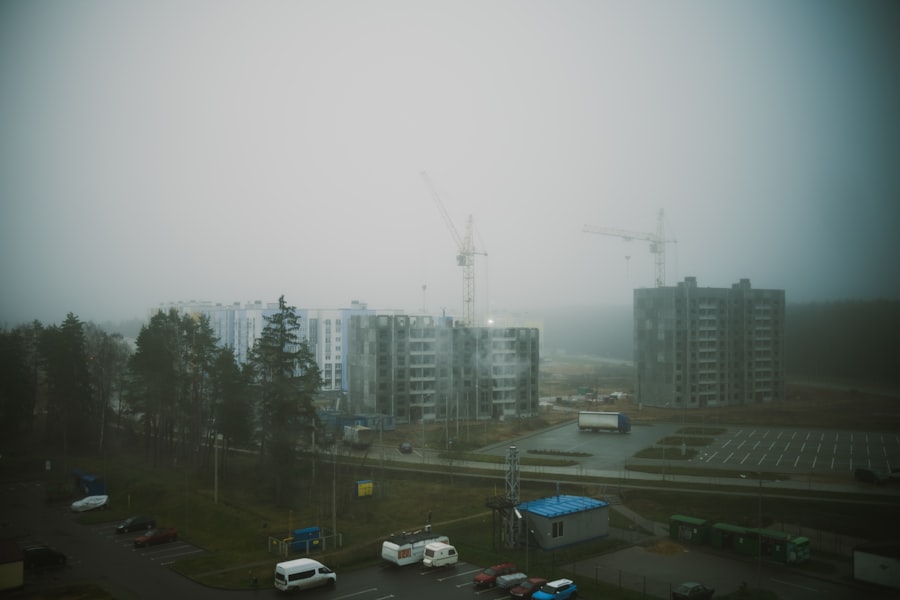
The concentrated population and industrial activities within urban centers unleashed a torrent of environmental degradation, which, in turn, precipitated severe public health crises. The air, water, and land bore the brunt of this unchecked industrial expansion.
Air Pollution and Respiratory Illnesses
Factories, powered primarily by coal, belched vast quantities of smoke, soot, and industrial pollutants into the atmosphere. This pervasive air pollution led to a significant increase in respiratory illnesses such as bronchitis, asthma, and tuberculosis. The persistent smog often blotted out the sun, casting a perpetual pall over industrial districts and shortening lifespans.
Contaminated Water Sources and Epidemics
The lack of effective sanitation systems meant that human and industrial waste often flowed directly into rivers and other water sources, which also served as the primary supply for drinking water. This contamination led to widespread epidemics of cholera, typhoid, and dysentery, decimating urban populations. The city’s arteries, meant to sustain life, became conduits of death.
Inadequate Waste Management
The sheer volume of waste generated by a burgeoning urban population overwhelmed rudimentary waste management systems. Streets became repositories for refuse, attracting vermin and contributing to unsanitary conditions. The accumulation of waste further exacerbated the spread of disease and posed a constant threat to public health.
Infrastructural Strain and Urban Planning Challenges
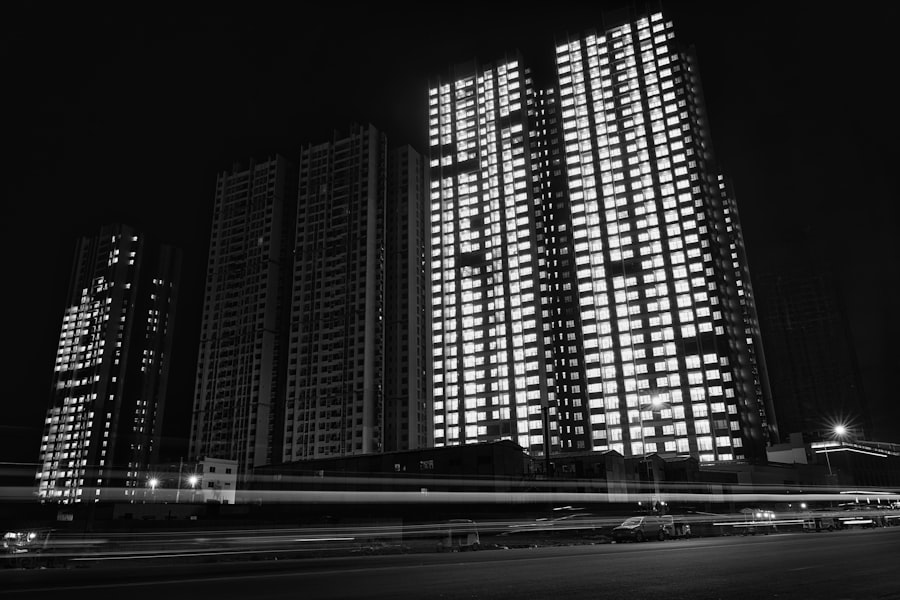
The unprecedented scale of urbanization placed immense strain on existing infrastructure and presented formidable challenges for urban planners, who were often ill-equipped to handle such rapid growth. The city, like a hastily constructed vessel, was constantly straining at its seams.
Overwhelmed Public Services
Basic public services such as water supply, sewage disposal, and waste collection were often inadequate or non-existent in rapidly growing industrial areas. The sheer numbers of residents simply overwhelmed the capacity of councils and authorities to provide these essential services effectively.
Transportation Bottlenecks
The concentration of people and goods led to severe transportation bottlenecks. Roads, often designed for smaller populations, became choked with traffic, and pedestrian congestion became a common sight. The movement of people and commerce, the lifeblood of the city, became sluggish and inefficient.
Lack of Green Spaces and Recreational Areas
In the relentless pursuit of maximizing housing and industrial output, green spaces and recreational areas were often sacrificed. This absence of parks and open spaces, crucial for physical and mental well-being, further diminished the quality of life for urban dwellers. The urban landscape became a concrete jungle, devoid of natural respite.
The rapid urbanization and overcrowding in cities during the Industrial Revolution had profound effects on social structures and living conditions. Many people migrated from rural areas to urban centers in search of better job opportunities, leading to densely populated neighborhoods that often lacked adequate infrastructure. For a deeper understanding of the challenges faced during this transformative period, you can read a related article that explores the impact of industrialization on urban life. This insightful piece highlights the struggles and adaptations of communities as they navigated the complexities of a changing world. To learn more, visit this article.
Social Reform and Urban Development
| City | Population in 1800 | Population in 1850 | Population Density (people per sq km) in 1850 | Key Issues |
|---|---|---|---|---|
| London | 1 million | 2.5 million | 30,000 | Overcrowded housing, poor sanitation, spread of diseases |
| Manchester | 90,000 | 300,000 | 50,000 | Industrial pollution, cramped living conditions |
| Birmingham | 70,000 | 200,000 | 40,000 | Overcrowding, inadequate infrastructure |
| Glasgow | 77,000 | 329,000 | 45,000 | Slum housing, poor sanitation |
| New York City | 60,000 | 515,000 | 35,000 | Overcrowding, immigrant influx, sanitation issues |
The grim realities of industrial cities eventually spurred social reform movements and the emergence of modern urban planning principles. The crises, though devastating, became catalysts for change.
Public Health Initiatives and Sanitation Reforms
Recognizing the undeniable link between poor sanitation and disease, public health reformers advocated for and implemented significant improvements. This included the construction of elaborate sewage systems, clean water supplies, and public health regulations. The understanding that public health was intrinsically linked to urban design began to take root.
Housing Reforms and Model Settlements
The squalor of slums prompted housing reform movements. Philanthropists and social reformers championed the construction of model settlements and advocated for legislation to improve living conditions in tenements. These efforts aimed to provide affordable, sanitary housing, often incorporating principles of light, ventilation, and access to amenities.
The Rise of Urban Planning
The chaotic growth of industrial cities highlighted the desperate need for systematic urban planning. Visionaries began to articulate principles for city design that prioritized public health, efficient infrastructure, and the provision of green spaces. This marked a shift from organic, uncontrolled growth to a more deliberate and scientifically informed approach to urban development. These early planners sought to tame the urban behemoth, to impose order on its chaotic expansion.
Workers’ Rights and Social Welfare
The harsh conditions in industrial cities also fueled movements for workers’ rights and social welfare. Unions formed to advocate for better wages, shorter working hours, and safer working environments. Governments gradually introduced legislation to protect workers and provide limited social safety nets, recognizing the societal cost of unchecked industrial exploitation.
Conclusion
The impact of urbanization and overcrowding in industrial cities was a double-edged sword. While it facilitated unprecedented economic growth and technological advancement, it also inflicted immense suffering and created profound societal and environmental challenges. The lessons learned from this transformative period – regarding the critical importance of public health, equitable housing, comprehensive urban planning, and social welfare – continue to shape contemporary approaches to urban development. As urban populations continue to swell globally, the historical crucible of industrial cities serves as a powerful reminder that progress, when unchecked by foresight and compassion, can carry a devastating human and environmental cost. The legacy of these crowded, industrious enclaves is a complex tapestry of innovation and hardship, a testament to humanity’s capacity for both remarkable achievement and profound oversight.
FAQs
What caused urbanization during the Industrial Revolution?
The Industrial Revolution led to the growth of factories and industries, which created numerous job opportunities in cities. This economic shift attracted large numbers of people from rural areas to urban centers in search of work, causing rapid urbanization.
How did overcrowding affect living conditions in cities during the Industrial Revolution?
Overcrowding in cities resulted in cramped and unsanitary living conditions. Many workers lived in poorly constructed tenements with inadequate ventilation, limited access to clean water, and insufficient sewage systems, leading to health problems and the spread of diseases.
What were some social consequences of urban overcrowding during this period?
Urban overcrowding contributed to increased poverty, crime rates, and social tensions. The lack of adequate housing and public services strained community resources, often resulting in poor education and limited social mobility for the working class.
How did governments and reformers respond to urban overcrowding during the Industrial Revolution?
Governments and social reformers began advocating for improved housing, sanitation, and labor laws. This led to the development of public health initiatives, building regulations, and the establishment of organizations aimed at improving living and working conditions in industrial cities.
Did urbanization during the Industrial Revolution have any positive effects?
Yes, urbanization contributed to economic growth, technological innovation, and the development of infrastructure such as transportation and public services. It also facilitated cultural exchange and the rise of new social and political movements advocating for workers’ rights and social reforms.