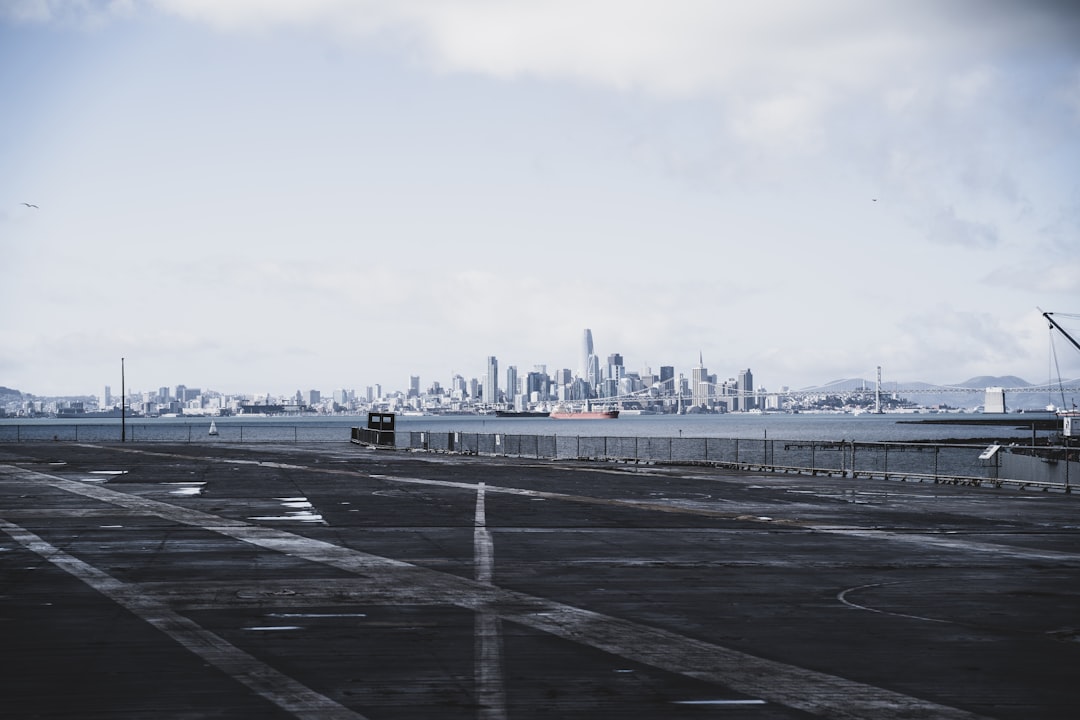
You’re likely experiencing it right now. That nagging feeling when you reach for an item on the shelf, only to find it’s either not there, or the price has inexplicably climbed higher than you remember. This isn’t a random act of retail aggression; it’s the tangible consequence of shipping delays, a complex web of logistical challenges that directly impacts the price you ultimately pay. Understanding this connection is crucial to navigating today’s consumer landscape.
You might assume a delay in shipping a single product is a minor inconvenience. However, in the intricate ballet of global commerce, even a small disruption can send ripples throughout the entire supply chain, ultimately touching your wallet.
Unpacking the Initial Disruption
When a shipment is delayed, the immediate impact is felt by the business expecting the goods. This could be a manufacturer waiting for raw materials, a distributor anticipating finished products, or a retailer stocking their shelves.
The Domino Effect of Interconnectedness
Consider a scenario where a key component for a popular electronic device is held up at a port. This doesn’t just affect that one component. The assembly line might grind to a halt, impacting the production schedule for the entire device. This can lead to a shortage of finished goods, creating a supply-demand imbalance.
Raw Material Bottlenecks
The impact isn’t limited to finished products. Imagine delays in delivering agricultural products, lumber, or even metals. These are the foundational elements for countless goods. If they are unavailable or arrive late, manufacturing processes are stalled, leading to a scarcity of downstream products.
The Cost of Waiting: Carrying Costs and Storage
When goods are delayed, they don’t simply vanish. They often remain in transit or sit in warehouses, incurring additional costs.
Extended Storage Fees
Warehouses aren’t free. If your product, or the components needed to make it, are stuck waiting for transport, the owner of that inventory incurs storage fees. These “carrying costs” are often passed on to the next link in the supply chain, and eventually, to you.
Capital Tied Up in Inventory
The value of the delayed goods represents capital that is inaccessible for other business operations. This “opportunity cost” can also be factored into pricing decisions as businesses try to recoup lost potential revenue.
Recent studies have highlighted the significant impact of shipping delays on shelf prices, revealing how disruptions in the supply chain can lead to increased costs for consumers. For a deeper understanding of this connection and its implications for the retail market, you can read a related article that explores these dynamics in detail. Check it out here: Shipping Delays and Shelf Prices.
Escalating Transportation Expenses: The Price of Mobility
The most direct and visible impact of shipping delays on shelf prices stems from the rising costs associated with transportation itself.
Fluctuating Freight Rates
You’ve likely heard about the skyrocketing costs of shipping containers or truckloads. These aren’t arbitrary figures; they are often a direct consequence of supply and demand dynamics exacerbated by delays.
Container Shortages and Imbalances
When containers are stuck at ports due to congestion or labor shortages, there are fewer available for new shipments. This scarcity drives up the price of renting or booking a container. Imagine a situation where hundreds of thousands of containers are waiting to be unloaded, creating a massive backlog. This leaves businesses scrambling to find available space on vessels, leading to bidding wars and inflated rates.
Fuel Price Volatility
The cost of fuel for ships, trucks, and planes is a significant component of shipping expenses. Geopolitical events, global demand, and reduced production can all lead to volatile fuel prices. When transportation providers face these unpredictable costs, they often build in a buffer to protect their profit margins, which translates to higher shipping fees.
Increased Urgency and Expedited Shipping
When a delay occurs, businesses may opt for more expensive and faster shipping methods to mitigate losses or meet deadlines.
The Premium for Speed
Standard shipping is almost always cheaper than expedited or air freight. If a product’s arrival is critical to avoid stockouts or maintain production, businesses will pay a premium for faster delivery. This premium is almost always reflected in the product’s final price. Consider a retailer who has promised a certain delivery date to a customer; if their initial shipment is delayed, they might have to pay significantly more to get a replacement item to the customer on time.
Diversification of Transportation Modes
Sometimes, to avoid port congestion or other transit issues, companies might switch from sea freight to air freight, which is considerably more expensive. This strategic shift, while sometimes necessary, directly increases the cost of moving goods.
Impact on Inventory Management and Stock Levels
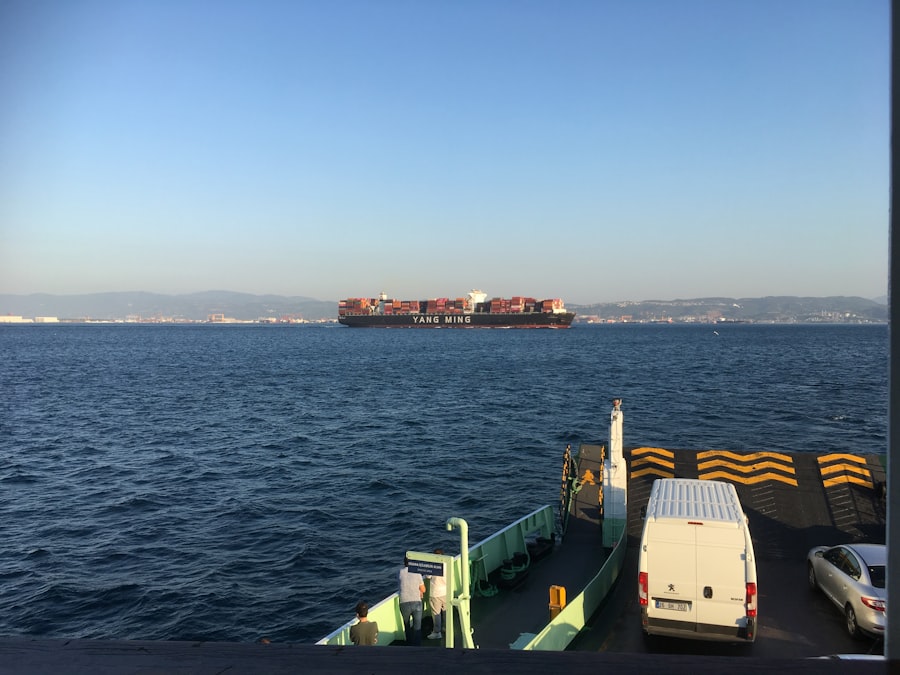
Shipping delays force businesses to rethink their inventory strategies, and these adjustments often come with a price tag.
The “Just-in-Case” Mentality
In times of predictable and consistent supply chains, businesses could operate on a “just-in-time” inventory model, minimizing storage costs by ordering goods only as they are needed. Delays shatter this model.
Increased Safety Stock Holdings
To buffer against unpredictable delays, businesses are now compelled to hold larger quantities of inventory, known as “safety stock.” This means more capital is tied up in warehouses, increasing storage costs, insurance, and the risk of obsolescence. These increased holding costs are inevitably passed on.
Warehousing and Storage Costs
More inventory requires more warehouse space. This can lead to businesses needing to rent additional facilities, or existing facilities becoming more congested. The cost of operating these larger or more crowded warehouses, from staffing to utilities, contributes to the overall cost of goods.
Obsolescence and Spoilage Risks
Holding larger amounts of inventory for extended periods also increases the risk of products becoming obsolete or spoiling, especially for perishable goods or fast-moving technology.
Write-offs and Lost Revenue
If a product becomes outdated before it can be sold, or if perishable goods expire on the shelves, businesses have to write off those losses. This lost revenue needs to be recouped through higher prices on other, more saleable items.
The Cost of Uncertainty: Risk Premiums and Hedging Strategies

The inherent unpredictability introduced by shipping delays forces businesses to factor in risk, and this often manifests as higher prices for consumers.
Pricing for Unforeseen Events
Businesses are no longer operating in a predictable environment. The possibility of further delays, or entirely new disruptions, means that every step of the supply chain carries a higher degree of uncertainty.
Including a “Contingency Buffer”
To account for these unknowns, pricing strategies often include a “contingency buffer.” This is essentially a price increase designed to absorb unexpected costs, such as rerouting shipments, paying premiums for alternative transportation, or dealing with production downtime.
Hedging Against Future Price Increases
Companies may also try to hedge against anticipated future price increases by purchasing inventory in advance, even if it means higher upfront costs and increased storage. This proactive measure, while potentially saving money in the long run, still contributes to higher initial pricing.
The Inelasticity of Demand
For some products, consumers have a relatively inelastic demand – meaning they will continue to buy them even if the price increases significantly, due to necessity or lack of immediate alternatives.
Essential Goods and Price Sensitivity
For essential items like certain foodstuffs, medications, or basic household supplies, consumers are often willing to absorb higher prices when the alternative is deprivation. This allows businesses to pass on a larger proportion of their increased costs for these items.
Brand Loyalty and Perceived Value
For certain brands or products, consumers may be willing to pay a premium due to brand loyalty or a perception of higher quality. These businesses can often afford to absorb some of the increased costs themselves, but prolonged and significant delays can erode even strong consumer loyalty, eventually leading to price adjustments to maintain profitability.
Shipping delays have become a significant concern for retailers and consumers alike, as they often lead to increased shelf prices for various products. A recent article explores this connection in depth, highlighting how disruptions in the supply chain can cause prices to rise as businesses struggle to maintain inventory levels. For more insights on this topic, you can read the full article here. Understanding these dynamics is crucial for both consumers and businesses navigating the current market landscape.
The Consumer’s Perspective: Price Hikes and Reduced Availability
| Shipping Delays | Shelf Prices |
|---|---|
| Increased shipping delays | Higher shelf prices |
| Decreased shipping delays | Lower shelf prices |
| Correlation between shipping delays and shelf prices | Positive |
Ultimately, the consequences of these complex logistical challenges converge on the consumer, impacting both what you can buy and how much you have to pay for it.
Direct Price Increases at the Register
The most obvious manifestation of shipping delays on shelf prices is the simple act of the price tag going up.
Passing on Increased Costs
When transportation costs surge, storage fees mount, and the risk of disruption becomes a significant factor, businesses have little choice but to pass these increased expenses onto the consumer. This isn’t about greed; it’s often about survival for businesses operating on tight margins.
Shrinkflation and Quality Adjustments
In some cases, instead of directly increasing the price, businesses might resort to “shrinkflation” – reducing the size or quantity of the product while keeping the price the same. Alternatively, they might look for cheaper raw materials or suppliers to mitigate their own rising costs, which could subtly impact product quality.
Reduced Product Availability and Stockouts
Beyond just higher prices, shipping delays can also lead to an empty shelf where your desired product once sat.
Limited Choices and Frustration
When shipments are consistently delayed, retailers struggle to maintain adequate stock levels. This results in “stockouts,” leaving consumers with fewer choices and a sense of frustration. The constant disappointment of not finding what you need can be as impactful as a price hike.
The “Black Market” Effect (in extreme cases)
In situations of severe scarcity, some consumers may turn to less reputable online marketplaces or resellers who are able to source limited quantities at inflated prices, further demonstrating the impact of supply chain disruptions on perceived value and accessibility.
The interconnectedness of the global economy means that a delay in a container ship, a strike at a port, or a shortage of truck drivers can subtly, but significantly, alter the prices you see on your shopping trips, underscoring the importance of a stable and efficient shipping infrastructure.
FAQs
1. What is the connection between shipping delays and shelf prices?
Shipping delays can lead to increased costs for retailers, as they may have to pay for expedited shipping or alternative transportation methods to receive their goods on time. These additional costs can then be passed on to consumers in the form of higher shelf prices.
2. How do shipping delays impact the availability of products on store shelves?
Shipping delays can result in product shortages on store shelves, as retailers may not receive their inventory in a timely manner. This can lead to decreased availability of certain products, which can in turn drive up demand and prices for those items.
3. What are some factors that contribute to shipping delays?
Shipping delays can be caused by a variety of factors, including inclement weather, port congestion, labor strikes, and transportation capacity constraints. Additionally, global events such as the COVID-19 pandemic have also contributed to shipping delays due to disruptions in supply chains.
4. How do shipping delays affect consumer purchasing behavior?
Shipping delays can impact consumer purchasing behavior by influencing product availability and prices. Consumers may be more likely to stock up on certain items if they anticipate shortages, and they may also be willing to pay higher prices for in-demand products.
5. What can retailers do to mitigate the impact of shipping delays on shelf prices?
Retailers can take proactive measures to mitigate the impact of shipping delays on shelf prices, such as diversifying their supplier base, optimizing inventory management, and communicating transparently with customers about potential product shortages and price adjustments. Additionally, investing in technology and logistics solutions can help streamline supply chain operations and minimize the effects of shipping delays.