
The proliferation of processed foods in the modern diet has brought a host of ingredients into common culinary practice, some of which warrant closer examination. Among these are phosphate additives, frequently incorporated into meat and cheese products for a variety of functional purposes. While often lauded for their ability to enhance texture, extend shelf life, and improve appearance, the pervasive use of these compounds raises questions about their broader impact on both food systems and human health. This article delves into the multifaceted role of phosphate additives in meat and cheese, exploring their origins, functions, and the ongoing scientific and public discourse surrounding their consumption.
Phosphate additives are not a singular entity but rather a group of chemical compounds derived from phosphoric acid. These salts, which include sodium phosphates, potassium phosphates, and calcium phosphates, are characterized by their ability to interact with proteins and water molecules. Their widespread adoption in the food industry stems from a range of desirable functional properties that directly influence the quality and processing of meat and cheese products.
The Chemical Nature of Food-Grade Phosphates
At their core, food-grade phosphates are inorganic salts. They are manufactured through industrial processes, typically involving the reaction of phosphate rock with an acid. The specific type of phosphate used – whether mono-, di-, tri-, or polyphosphate – dictates its precise chemical behavior and its suitability for particular applications. For instance, polyphosphates, which are chains of phosphate units, possess a greater capacity for chelating metal ions, a property that contributes to their effectiveness as stabilizers. The purity and specific salt form of these additives are important considerations for regulatory bodies and food manufacturers alike, ensuring safety and consistent performance.
Key Functional Properties in Meat Products
In meat processing, phosphate additives are primarily employed to improve water-holding capacity. This means that when phosphates are added to raw or processed meats, they help the meat retain more moisture. This retention is crucial for several reasons. Firstly, it leads to increased yields for manufacturers, as the final product weighs more due to retained water. Secondly, it contributes to a juicier and more tender cooked product, which is desirable for consumers. Phosphates also play a role in protein solubility and emulsification in comminuted meat products like sausages and burgers, helping to bind fat and water to create a more uniform texture and prevent exudation during cooking. Furthermore, phosphates can help to stabilize the color of meat, preventing the undesirable browning that can occur during storage.
Functional Roles in Cheese Manufacturing
The application of phosphate additives in cheese production is equally significant, albeit with slightly different objectives. In processed cheese, in particular, phosphates are essential for achieving the characteristic smooth, meltable texture. They act as emulsifying salts, preventing the separation of fat and water that can occur when natural cheese is heated. This stabilization allows processed cheese to melt uniformly without becoming oily. In some hard cheese varieties, phosphates can be used to influence the ripening process and improve the overall texture and sliceability. Their ability to bind calcium ions can also affect the rheological properties of cheese, impacting its elasticity and firmness.
Phosphate additives are commonly used in processed meats and cheeses to enhance texture, moisture retention, and shelf life. However, concerns have been raised about their potential health effects when consumed in large quantities. For a deeper understanding of the implications of phosphate additives in our food, you can read a related article that explores this topic in detail. Check it out here: Phosphate Additives in Meat and Cheese.
The Science Behind Phosphate Efficacy: Mechanisms of Action
The functional benefits derived from phosphate additives are not merely anecdotal; they are rooted in well-understood chemical and physical interactions. Understanding these mechanisms provides insight into why these compounds are so widely adopted in the food industry.
Enhancing Moisture Retention in Meat
The primary mechanism by which phosphates increase moisture retention in meat is through their influence on muscle proteins, particularly actin and myosin. Initially, the alkaline pH of many phosphate solutions can cause muscle fibers to swell. More importantly, phosphates can interact with the charged sites on these proteins, increasing their solubility and their capacity to bind water. This effect is concentration-dependent and can significantly boost the water-holding capacity of meat, leading to improved yields and a more appealing final product in terms of texture and juiciness. The disruption of the protein matrix allows for greater interstitial space, capable of holding more water.
Emulsification and Stabilization in Processed Foods
In both meat and cheese, phosphates act as powerful emulsifying agents. In processed meats, they help to disperse fat particles evenly throughout the meat matrix, preventing them from coalescing and separating during cooking or storage. In processed cheese, they are critical for creating a stable emulsion of fat and water, which is the hallmark of a well-melted product. This is achieved through the ability of phosphates to bind with protein molecules, forming a complex that can bridge the fat and water phases, thus preventing their separation. The chelating properties of some phosphates also play a role by binding metal ions that can otherwise catalyze oxidation and rancidity, thereby contributing to product stability.
Impact on Texture and Mouthfeel
The alterations in water and fat distribution brought about by phosphate additives have a direct impact on the perceived texture and mouthfeel of meat and cheese products. In meat, the increased moisture content contributes to a sensation of tenderness and succulence. In cheese, the enhanced emulsification results in a smoother, creamier texture that melts more evenly. These sensory attributes are highly valued by consumers and are significant drivers for the inclusion of phosphates in these products. The ability to control these textural properties allows manufacturers to achieve a consistent product experience across different batches.
Health Implications and Dietary Concerns: The Phosphate Debate
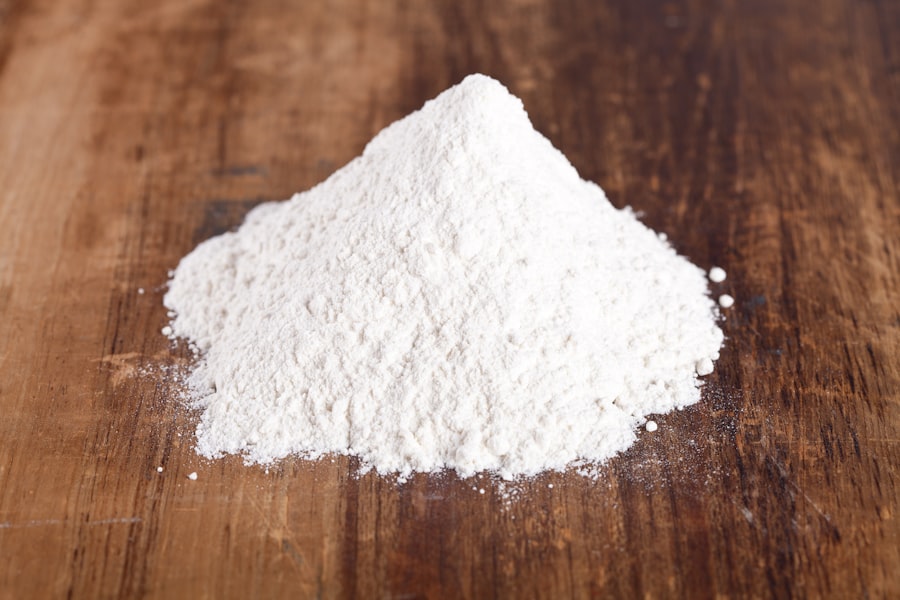
While the functional benefits of phosphate additives are clear, their increasing presence in the diet has prompted significant discussion and research regarding potential health implications. Concerns have been raised about the levels of phosphates in processed foods and their contribution to overall dietary phosphate intake.
Dietary Phosphate Intake from Processed Foods
The modern Western diet is characterized by a high consumption of processed foods, which often represent the primary source of phosphate additives. Unlike phosphates naturally present in whole foods like meat, fish, and dairy, which are accompanied by other nutrients and are absorbed more slowly, the added inorganic phosphates found in processed items are more readily absorbed by the body. This difference in absorption rates can lead to a higher net intake of inorganic phosphates, potentially exceeding recommended dietary levels. Studies have indicated that a substantial portion of dietary phosphate in developed nations comes from processed food sources, rather than from naturally occurring phosphates in whole foods.
Potential Kidney Health Effects
One of the most frequently cited health concerns associated with high dietary phosphate intake, particularly from inorganic additives, relates to kidney function. The kidneys are responsible for filtering excess phosphate from the blood. When phosphate intake is consistently high, the kidneys may come under increased strain. For individuals with pre-existing kidney conditions, this elevated workload can be particularly detrimental, potentially exacerbating existing damage or accelerating the progression of kidney disease. The body strives to maintain a delicate balance of calcium and phosphate, and an excess of one can disrupt this equilibrium.
Links to Cardiovascular Health
Emerging research suggests a potential link between high phosphate intake, especially from processed food additives, and adverse cardiovascular outcomes. Studies, though still ongoing and not entirely conclusive, have explored associations between elevated serum phosphate levels and increased risk of cardiovascular events, including hypertension, arterial calcification, and heart failure. The exact mechanisms by which phosphates might influence cardiovascular health are complex and may involve their role in calcium metabolism, inflammation, and vascular smooth muscle cell function. Further research is needed to definitively establish these causal relationships and understand the biological pathways involved.
Other Potential Health Considerations
Beyond kidney and cardiovascular health, other potential health considerations related to phosphate additives are being investigated. Some research has explored whether high inorganic phosphate intake could negatively impact bone health, although this remains a contentious area due to the complex interplay of various nutrients and hormones involved in bone metabolism. Additionally, there are ongoing discussions about the broader metabolic effects of these additives, including their potential influence on inflammation and endocrine function. The ubiquitously of these additives in the food supply necessitates continued scientific scrutiny to fully understand their long-term impact.
Regulatory Landscape and Consumer Choices

The use of phosphate additives in food is subject to regulation by governmental bodies that aim to ensure food safety and prevent consumer deception. However, the evolving scientific understanding of their health impacts and the sheer volume of their use present ongoing challenges for regulators and consumers alike.
Global Regulatory Frameworks for Phosphate Additives
Regulatory agencies around the world, such as the U.S. Food and Drug Administration (FDA) and the European Food Safety Authority (EFSA), establish guidelines for the types and amounts of phosphate additives permitted in food products. These regulations are typically based on scientific assessments of safety and technological necessity. Manufacturers are generally required to adhere to these limits, and additives must be declared on product ingredient lists. However, the acceptable daily intake (ADI) levels can vary between regions, and the cumulative effect of multiple processed food servings on an individual’s daily phosphate intake is a significant consideration.
Labeling and Transparency in the Food Industry
Clear and accurate labeling is paramount for empowering consumers to make informed choices about their food. In most jurisdictions, phosphate additives must be listed in the ingredients. However, the consumer’s ability to navigate these lists and understand the implications of their consumption can be limited by a lack of nutritional education and the sheer complexity of ingredient panels. Calls for greater transparency, including clearer labeling of total phosphate content beyond just additive declaration, are growing as public awareness of dietary phosphate’s importance increases.
Navigating Processed Foods: Informed Consumer Strategies
For consumers seeking to manage their phosphate intake, understanding product labeling and making conscious choices about food consumption are key strategies. This involves prioritizing whole, unprocessed foods which naturally contain phosphates in a matrix that favors slower absorption. When selecting processed meat and cheese products, consumers can scrutinize ingredient lists for various forms of phosphates and, where possible, opt for products with fewer or no such additives. Consulting with healthcare professionals or registered dietitians can also provide personalized guidance on dietary phosphate management, particularly for individuals with specific health concerns.
Phosphate additives are commonly used in various food products, particularly in meat and cheese, to enhance their texture and shelf life. These additives can improve moisture retention and prevent spoilage, making them a popular choice among manufacturers. However, there are ongoing discussions about the potential health implications of consuming high levels of phosphates. For more insights on this topic, you can read a related article that explores the effects of phosphate additives on health and nutrition by visiting this link.
Future Directions: Research and Innovation
| Product | Phosphate Additives (mg per 100g) |
|---|---|
| Processed Meat | 200-500mg |
| Cheese | 100-300mg |
The ongoing dialogue surrounding phosphate additives in meat and cheese highlights the dynamic nature of food science and public health. Continued research and innovation are essential for addressing current concerns and developing sustainable solutions for the food industry.
Ongoing Scientific Research and Nutritional Studies
The scientific community continues to investigate the complex relationship between dietary phosphate intake, particularly from inorganic additives, and various aspects of human health. Future research will likely focus on elucidating the precise mechanisms of action, establishing clearer dose-response relationships, and exploring long-term health outcomes across diverse populations. Epidemiological studies, clinical trials, and mechanistic research will all play crucial roles in building a more comprehensive understanding of these effects. particular attention will be paid to differentiating the impact of naturally occurring versus added inorganic phosphates.
Development of Alternative Functional Ingredients
In response to consumer demand and regulatory pressures, there is a growing interest in developing and utilizing alternative ingredients that can provide similar functional benefits to phosphates with potentially fewer health concerns. This area of innovation encompasses the exploration of natural hydrocolloids, enzymes, and other food-grade substances that can enhance water retention, improve texture, and stabilize emulsions in meat and cheese products. The challenge lies in identifying alternatives that are not only effective and cost-efficient but also meet consumer expectations for clean labels.
Re-evaluating Food Processing Standards for Healthier Options
Ultimately, the discussion around phosphate additives invites a broader re-evaluation of current food processing standards. This could involve encouraging manufacturers to reformulate products to reduce or eliminate reliance on phosphate additives where feasible, or to prioritize ingredients with more favorable nutritional profiles. A shift towards less processed foods and a greater emphasis on nutrient density in the food supply chain would represent a significant step forward in promoting public health. This also includes exploring innovative processing techniques that can achieve desired functional properties through means other than chemical additives.
FAQs
What are phosphate additives in meat and cheese?
Phosphate additives are chemicals added to meat and cheese products to improve texture, flavor, and moisture retention. They are commonly used in processed and pre-packaged meats and cheeses.
What are the potential health concerns associated with phosphate additives?
Excessive consumption of phosphate additives has been linked to health issues such as kidney disease, cardiovascular disease, and bone mineral density loss. It is important to be mindful of the amount of phosphate additives consumed in the diet.
How can consumers identify phosphate additives in meat and cheese products?
Phosphate additives can be listed on food labels under various names such as phosphoric acid, sodium phosphate, and calcium phosphate. Consumers should carefully read ingredient lists to identify the presence of these additives in meat and cheese products.
Are there regulations on the use of phosphate additives in meat and cheese?
In the United States, the Food and Drug Administration (FDA) regulates the use of phosphate additives in food products, including meat and cheese. However, there are concerns about the potential overuse and lack of clear labeling of these additives.
What are some alternatives to phosphate additives in meat and cheese?
Some alternatives to phosphate additives in meat and cheese products include using natural flavorings, herbs, and spices to enhance taste and moisture retention. Additionally, manufacturers can explore innovative processing techniques to achieve desired texture and flavor without relying on phosphate additives.