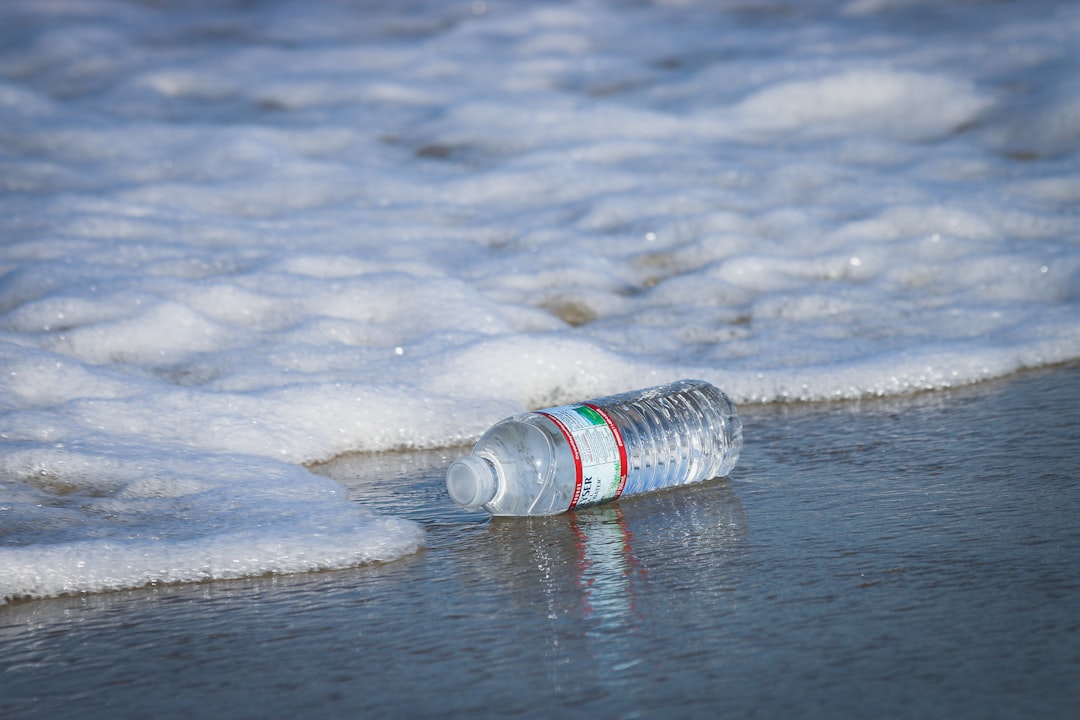
The ubiquity of plastic in modern society has led to a pervasive environmental challenge: marine microplastic pollution. These minute fragments, often less than five millimeters in length, represent a stealthy threat to marine ecosystems. Their small size belies their significant impact, as they infiltrate every trophic level and geographic region of the world’s oceans. Understanding the origins, pathways, and consequences of microplastic contamination is crucial for appreciating the scope of this global issue.
Microplastics do not originate solely from intentional industrial production. Their genesis is multifaceted, stemming from various anthropogenic activities ashore and at sea. Readers should consider the sheer volume of plastic produced globally to grasp the scale of the problem.
Primary Microplastics: Directly Manufactured Fragments
Primary microplastics are intentionally manufactured to be microscopic. They are incorporated into a range of consumer products, often without the user’s full awareness of their environmental fate.
Microbeads in Personal Care Products
For many years, microbeads were a common additive in cosmetics and personal care products such as facial scrubs, toothpastes, and shower gels. These tiny plastic spheres provided abrasive properties or acted as emulsifiers. Their small size allowed them to bypass wastewater treatment plant filters, leading to direct discharge into aquatic environments. While legislative action has curbed their use in many regions, legacy contamination persists, and their historical presence highlights a pathway of direct introduction.
Industrial Pellets and Nurdles
Plastic manufacturing often begins with small, lentil-sized plastic pellets known as nurdles or pre-production pellets. These are melted down and molded into larger plastic items. Spills during transport, handling, or manufacturing processes can lead to the release of billions of these pellets into the environment. They are robust and persistent, capable of traveling vast distances via ocean currents, effectively seeding remote marine areas with virgin microplastic material.
Synthetic Fibers from Textiles
A significant, yet often overlooked, source of primary microplastics is the shedding of synthetic fibers during the washing of clothing. Materials like polyester, nylon, acrylic, and spandex are prevalent in modern apparel. Each laundry cycle can release thousands of microfibers into wastewater, which subsequently enter marine ecosystems through sewage outfalls, even after treatment. These fibers are particularly problematic due to their filamentous nature, which allows them to tangle and be easily ingested by a wide range of organisms.
Secondary Microplastics: Fragmentation of Larger Items
The majority of marine microplastics are secondary in origin, meaning they are the result of the degradation of larger plastic debris. This fragmentation process is relentless and driven by a combination of environmental factors.
Photodegradation by UV Radiation
Sunlight, specifically ultraviolet (UV) radiation, plays a critical role in the breakdown of larger plastic items. UV radiation weakens the chemical bonds within the plastic polymer, making it brittle and prone to fracturing. This process is particularly efficient at the ocean surface, where plastic debris is directly exposed to sunlight. Over time, a plastic bottle or fishing net can become a crumbling patchwork of increasingly smaller fragments.
Mechanical Abrasion and Weathering
Physical forces like wave action, wind, and currents contribute significantly to the mechanical breakdown of plastics. Collisions with rocks, sand, and other debris on shorelines or within the water column cause abrasion and erosion. These forces act like a relentless grinding mill, chipping away at larger plastic items, continuously producing smaller and smaller particles. Temperature fluctuations, particularly cycles of heating and cooling, can also induce stress and cracking in plastic materials, accelerating their disintegration.
Biodegradation and Chemical Degradation
While plastics are generally resistant to biodegradation, certain microorganisms have been identified that can colonize and, to a limited extent, degrade some plastic polymers. However, this process is typically very slow and often incomplete, primarily contributing to surface degradation rather than complete assimilation. Chemical degradation, beyond photodegradation, can also occur through hydrolysis or oxidation, particularly in specific marine environments or under certain pollutant concentrations, although its overall contribution to microplastic formation is generally considered less significant than physical and UV degradation.
Microplastics have become a significant concern for marine ecosystems, as they pose serious threats to marine life and the overall health of our oceans. A related article that delves deeper into the impact of microplastics on marine organisms can be found at this link. The article discusses how these tiny plastic particles are ingested by various marine species, leading to detrimental effects on their health and the food chain. Understanding the implications of microplastics is crucial for developing strategies to mitigate their presence in our oceans.
Ingestion and Trophic Transfer of Microplastics
The small size of microplastics makes them readily available for ingestion by a vast array of marine organisms, from the smallest zooplankton to the largest whales. This widespread ingestion has profound implications for individual organisms and potentially for entire food webs. Readers should contemplate the idea of the ocean as a global soup, increasingly seasoned with plastic.
Direct Ingestion by Marine Organisms
Microplastics are often mistaken for food particles due to their size, shape, and color. This ‘trophic mimicry’ leads to their accidental consumption by numerous species.
Zooplankton and Filter Feeders
Zooplankton, the base of many marine food webs, readily ingest microplastics. These tiny creatures, including copepods, krill, and larval stages of fish, filter vast quantities of water for their food. Microplastics, particularly fibers and small fragments, can become trapped in their feeding apparatus or directly ingested. Similarly, larger filter feeders such as bivalves (mussels, oysters), barnacles, and even baleen whales, consume vast amounts of water, inadvertently filtering out and accumulating microplastics alongside their natural prey.
Fish and Invertebrates
A wide variety of fish species, from small forage fish to predatory species, have been found to contain microplastics in their guts. Studies have documented microplastic ingestion in species inhabiting different marine environments, from coastal waters to the deep sea. Invertebrates like worms, crabs, and sea cucumbers, which forage in sediments or consume detritus, also frequently ingest microplastics, particularly those that have settled on the seafloor. The prevalence of microplastics in these organisms highlights their omnipresence in marine habitats.
Seabirds and Marine Mammals
Seabirds that forage at the ocean surface or dive for prey often ingest microplastics, mistaking them for food items like fish eggs or small invertebrates. Necropsies of numerous seabird species have revealed significant accumulations of plastic fragments in their digestive tracts. Similarly, marine mammals, including seals, dolphins, and whales, are susceptible to microplastic ingestion, either directly through foraging or indirectly through the consumption of contaminated prey. The sheer volume of food consumed by larger marine mammals means that even low concentrations of microplastics in their prey can lead to substantial accumulation over time.
Trophic Transfer and Bioaccumulation
Once ingested, microplastics can move up the food chain, a process known as trophic transfer. This raises concerns about biomagnification, where concentrations of associated toxins could increase at higher trophic levels.
From Prey to Predator
When a smaller organism that has ingested microplastics is consumed by a larger predator, the microplastics may be transferred to the predator’s digestive system. While many microplastics are eventually egested, some can reside in the gut for extended periods, and there is evidence to suggest translocation across gut lining into tissues. This transfer is particularly concerning for species that consume large quantities of prey, potentially leading to chronic exposure and accumulation.
Potential for Biomagnification of Contaminants
Plastics act as ‘chemical sponges,’ adsorbing hydrophobic organic pollutants (HOPS) from seawater. These pollutants include persistent organic pollutants (POPs) such as PCBs (polychlorinated biphenyls) and PAHs (polycyclic aromatic hydrocarbons), as well as heavy metals. When marine organisms ingest microplastics, they not only ingest the plastic itself but also these adsorbed contaminants. There is a concern that these chemicals can leach from the plastic within the digestive tract and be absorbed by the organism. If this process is repeated up the food chain, it raises the specter of biomagnification, where the concentration of contaminants could increase at higher trophic levels, potentially posing a greater risk to top predators and, ultimately, to humans who consume seafood.
Physiological Impacts on Marine Organisms
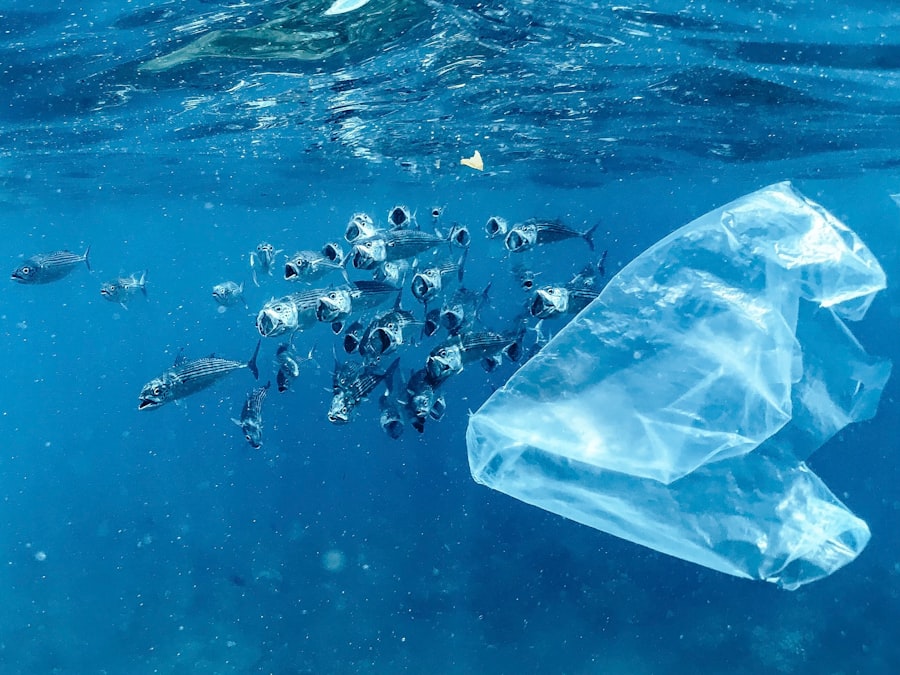
The ingestion of microplastics is not without consequences for marine life. The physical presence of these particles, coupled with the potential release of associated chemicals, can lead to a range of physiological stressors. Imagine a constant irritant within the body, disrupting normal function.
Physical Damage and Gut Blockage
The most immediate and obvious impacts are often physical. Microplastics, particularly those with sharp edges or of a significant size relative to the organism, can cause direct harm.
Reduced Feeding and Satiation
The presence of microplastics in the digestive tract can create a false sense of satiation, leading organisms to reduce their uptake of actual food. This effectively fills their stomach with indigestible material. Such reduction in feeding can lead to decreased energy intake, weight loss, and ultimately, starvation if the condition persists. For commercially important species, this can also impact growth rates and reproductive success.
Internal Abrasion and Damage
Sharp or irregular fragments of microplastics can cause physical abrasion to the delicate lining of the digestive tract. This can lead to inflammation, lesions, and internal bleeding. Chronic irritation can also impair nutrient absorption and compromise the gut barrier function, making organisms more susceptible to infections and other stressors. In some extreme cases, large accumulations of microplastics can cause complete blockage of the digestive system, leading to mortality.
Energy Depletion and Immune Impairment
The physiological stress of ingesting and attempting to process or egest microplastics can divert energy resources away from essential metabolic processes such as growth, reproduction, and immune function. Organisms, particularly those under existing environmental stress, may become more vulnerable to diseases, parasites, and predation due to a compromised immune system and reduced energy reserves. This energy cost is an unseen burden imposed by microplastic pollution.
Chemical Leaching and Toxicity
Beyond the physical presence, the chemical components of microplastics and the pollutants they adsorb pose a significant toxicological threat.
Endocrine Disruption and Reproductive Effects
Many plastics contain additives such as phthalates and bisphenol A (BPA) to enhance their flexibility, durability, or color. These chemicals are known endocrine disruptors, mimicking or interfering with natural hormones. When these chemicals leach from ingested microplastics, they can disrupt the endocrine systems of marine organisms, leading to reproductive abnormalities, developmental issues, and altered behavior. For example, exposure to BPA has been linked to feminization in male fish and reduced fertility.
Oxidative Stress and DNA Damage
The leaching of chemicals from microplastics and the body’s attempt to detoxify them can induce oxidative stress, leading to an imbalance between the production of reactive oxygen species and the body’s ability to detoxify them. This oxidative stress can damage cellular components, including DNA, proteins, and lipids. Such damage can lead to mutations, cell death, and an increased risk of chronic diseases, ultimately compromising the organism’s fitness and survival.
Liver Toxicity and Immune Suppression
The liver is a primary organ for detoxification. When marine organisms are exposed to toxins leaching from microplastics, the liver can become overloaded, leading to cellular damage and impaired function. Furthermore, certain chemicals, like those adsorbed onto microplastics, can directly suppress the immune system, making organisms more susceptible to pathogens and less able to mount an effective immune response against infections. This compromises their overall health and resilience.
Ecological Consequences and Ecosystem Health
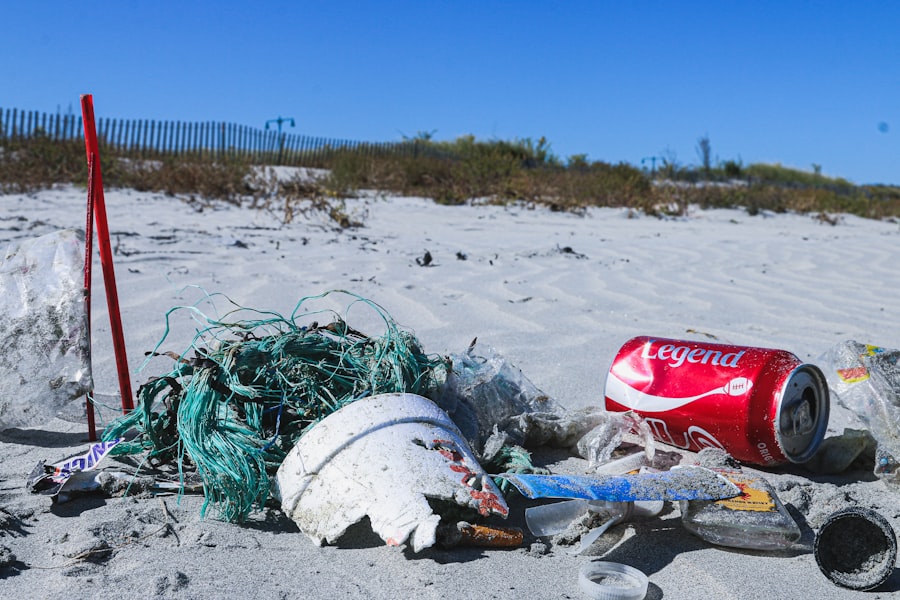
The widespread impact on individual organisms inevitably scales up to affect populations, communities, and overall ecosystem function. Microplastics can be viewed as a chronic, low-level stressor, gradually eroding the foundations of marine life.
Impact on Population Dynamics
The health and survival of individual organisms are intrinsically linked to the dynamics of their populations. Widespread microplastic contamination can subtly alter these dynamics in ways that are difficult to fully quantify but are undeniably significant.
Reduced Growth Rates and Reproductive Success
If a significant proportion of a population is experiencing reduced feeding, energy depletion, or reproductive impairment due to microplastic ingestion, the overall growth rate of that population can decline. Furthermore, decreased fertility, higher rates of mortality in offspring, or changes in mating behaviors can lead to a reduction in reproductive success. Over time, these factors can contribute to population decline, particularly for species already facing other environmental pressures.
Altered Species Interactions
Microplastics can indirectly alter species interactions within an ecosystem. For example, if a primary prey species experiences reduced population numbers due to microplastic impacts, its predators may face food scarcity, leading to cascading effects throughout the food web. Conversely, a species that is particularly resilient to microplastic ingestion may gain a competitive advantage over more vulnerable species, potentially altering community structure and biodiversity.
Increased Vulnerability to Other Stressors
Marine organisms are already contending with a multitude of environmental stressors, including climate change, ocean acidification, habitat loss, and overfishing. Microplastic ingestion acts as an additional stressor, weakening organisms and making them more susceptible to the adverse effects of these other pressures. A fish with a compromised immune system from microplastic exposure might be less able to fight off a bacterial infection exacerbated by warmer waters, illustrating the synergistic nature of environmental challenges.
Disruption of Ecosystem Functions
Beyond individual populations, microplastics have the potential to disrupt broader ecosystem processes and functions, acting as a disruptive force within the marine environment.
Altered Biogeochemical Cycles
Marine organisms play crucial roles in biogeochemical cycles, such as the carbon cycle, by transporting nutrients and facilitating decomposition. For example, zooplankton, through their feeding and fecal pellet production, contribute to the ‘biological pump,’ sequestering carbon to the deep ocean. If microplastic ingestion impairs zooplankton feeding or affects the sinking rates of fecal pellets, it could disrupt carbon export pathways, impacting global climate regulation. Similarly, microplastics in sediments can alter benthic community structure, affecting nutrient cycling on the seafloor.
Habitat Degradation and Sediment Contamination
Microplastics accumulate in various marine habitats, including coral reefs, seagrass beds, and deep-sea sediments. They can smother benthic organisms, alter sediment porosity, and introduce chemical contaminants directly into these critical habitats. The presence of microplastics can physically damage delicate ecosystems, leading to a loss of biodiversity and reduced ecosystem services, such as nutrient cycling and habitat provision for other species.
Role as Vectors for Pathogens and Invasive Species
Microplastics can serve as novel substrates for microbial colonization, forming biofilms that include bacteria, viruses, and other microorganisms. This phenomenon, known as the ‘plastisphere,’ can act as a vector for the dispersal of marine pathogens, potentially introducing diseases to new environments or increasing disease prevalence in existing ones. Furthermore, microplastic fragments can act as rafts, transporting invasive species across vast distances, enabling them to colonize new areas and potentially outcompete native species, further disrupting ecological balance.
Microplastics have become a significant concern for marine ecosystems, impacting not only the health of ocean life but also the food chain that connects to humans. Recent studies have shown that these tiny plastic particles are ingested by various marine species, leading to harmful effects on their health and behavior. For those interested in exploring this issue further, a related article can be found at Hey Did You Know This, which delves into the broader implications of microplastics in our oceans and their effects on marine biodiversity.
Addressing the Microplastic Challenge
| Metric | Value | Unit | Description |
|---|---|---|---|
| Estimated microplastic particles in oceans | 5.25 trillion | particles | Approximate number of microplastic particles floating in the world’s oceans |
| Microplastic concentration in surface waters | 0.1 – 10 | particles per liter | Range of microplastic particles found in ocean surface water samples |
| Percentage of marine species affected | 90% | percent | Estimated proportion of marine species that have ingested or been exposed to microplastics |
| Average microplastic ingestion by fish | 10 – 100 | particles per fish | Typical range of microplastic particles found in the digestive tracts of fish |
| Microplastic size range | 1 – 5000 | micrometers | Size range of microplastic particles found in marine environments |
| Annual microplastic input to oceans | 0.8 – 2.5 | million metric tons | Estimated amount of plastic waste entering oceans annually that breaks down into microplastics |
| Microplastic presence in deep sea sediments | Up to 10,000 | particles per kg sediment | Concentration of microplastics found in deep ocean floor sediments |
Mitigating the impacts of marine microplastic pollution requires a comprehensive and multi-faceted approach, encompassing prevention, remediation, and policy action. It is a shared responsibility that demands global collaboration.
Prevention at the Source
The most effective strategy to combat microplastic pollution is to prevent its entry into the marine environment. Readers must understand that solutions begin on land.
Reducing Plastic Production and Consumption
Ultimately, reducing the overall production and consumption of virgin plastics is paramount. This involves promoting circular economy principles, such as reuse and repair, and incentivizing the development and adoption of truly sustainable alternatives to single-use plastics. Policy measures like bans on specific problematic plastic items can significantly reduce their influx into the environment.
Improving Waste Management and Recycling Infrastructure
Effective waste management systems, including robust collection, sorting, and recycling infrastructure, are critical. Preventing plastics from leaking into the environment through improved landfill management, reduced littering, and enhanced recycling rates will significantly diminish the source of secondary microplastics. Investing in advanced recycling technologies and extended producer responsibility schemes can support these efforts.
Developing Biodegradable and Sustainable Alternatives
Research and development into truly biodegradable and bio-based plastics provide a promising long-term solution. However, it is crucial that these alternatives genuinely degrade safely in marine environments without leaving harmful residues, as misleading ‘biodegradable’ claims can exacerbate the problem. Innovation in materials science must lead to solutions that are both functional and environmentally benign throughout their lifecycle.
Remediation and Research
While prevention is key, addressing existing pollution and understanding its full scope requires ongoing research and innovative remediation strategies.
Technological Solutions for Cleanup
Various technologies are being developed to remove microplastics from the environment, ranging from small-scale devices for estuaries and rivers to larger conceptual designs for open oceans. These include filtration systems, magnetic removal techniques, and autonomous clean-up arrays. However, the sheer scale of the problem and the microscopic nature of microplastics make large-scale cleanup efforts incredibly challenging and often energy-intensive. Focused efforts on ‘hot spots’ or critical areas may be more feasible.
Advanced Wastewater Treatment
Upgrading wastewater treatment plants with advanced filtration technologies, such as tertiary treatment and membrane bioreactors, can significantly reduce the discharge of microfibers and other primary microplastics from domestic and industrial sources into aquatic environments. While costly, these upgrades represent a crucial barrier against microplastic release.
Continued Research into Impacts and Solutions
Ongoing scientific research is essential to fully understand the long-term ecological and physiological impacts of microplastics, particularly on human health. This includes investigating the mechanisms of toxicity, trophic transfer dynamics, and the combined effects of microplastics with other pollutants. Furthermore, research into novel detection methods, effective remediation technologies, and truly sustainable material alternatives remains vital for informed decision-making and policy development.
Conclusion
The impact of microplastics on marine life is a complex and escalating environmental crisis. From their diverse origins as primary particles or fragments of larger debris, microplastics have permeated every corner of the ocean. Their ingestion by marine organisms, from the smallest plankton to the largest mammals, triggers a cascade of physiological effects, including physical damage, reproductive impairment, and exposure to toxic chemicals. These individual-level impacts aggregate into significant ecological consequences, altering population dynamics, disrupting crucial ecosystem functions, and potentially exacerbating the effects of other environmental stressors. The solutions to this challenge demand a global concerted effort, prioritizing prevention at the source through reduced production and improved waste management, while simultaneously pursuing innovative remediation and robust scientific research. The health of our oceans, and indeed our planet, hangs in the balance as we navigate this microscopic, yet monumental, environmental threat.
FAQs
What are microplastics?
Microplastics are tiny plastic particles less than 5 millimeters in size that result from the breakdown of larger plastic debris or are manufactured as small particles for use in products like cosmetics and cleaning agents.
How do microplastics enter the oceans?
Microplastics enter the oceans through various pathways including runoff from land, wastewater discharge, fishing activities, and the breakdown of larger plastic waste already present in marine environments.
What impact do microplastics have on marine life?
Microplastics can be ingested by marine animals, leading to physical harm, exposure to toxic chemicals, and disruption of feeding and reproductive behaviors, which can affect the health and survival of marine species.
Can microplastics affect human health?
Microplastics can enter the human body primarily through seafood consumption, but the full extent of their impact on human health is still under scientific investigation, with concerns about potential chemical exposure and physical effects.
What measures are being taken to reduce microplastic pollution in oceans?
Efforts to reduce microplastic pollution include improving waste management, banning or restricting microbeads in products, promoting plastic recycling, conducting cleanup initiatives, and raising public awareness about plastic use and disposal.