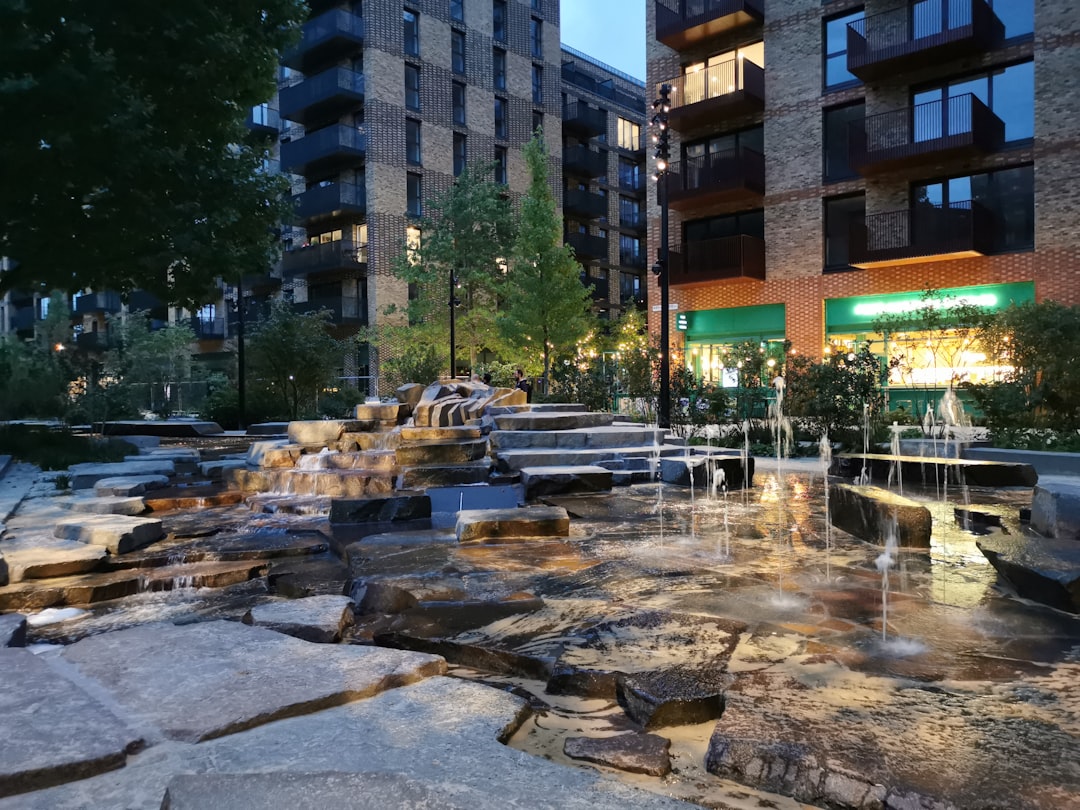
Gentrification, a multifaceted urban phenomenon, refers to the process of renovating and improving a house or district so that it conforms to middle-class taste. This transformation often involves the displacement of incumbent residents and businesses, leading to significant alterations in the social, economic, and cultural fabric of a neighborhood. The term itself, coined by British sociologist Ruth Glass in 1964, initially described the influx of middle-class individuals into working-class areas of London, observing the subsequent displacement of the original inhabitants. Its impact extends beyond mere physical upgrades, acting as a powerful, sometimes disruptive, force reshaping the very essence of urban living.
The economic underpinnings of gentrification are complex, often rooted in a confluence of market forces, policy decisions, and investment strategies. Understanding these drivers is crucial for comprehending how neighborhoods transition from depreciated to desirable.
Capital Investment and Property Values
At the heart of gentrification lies capital investment. When developers, often with the backing of financial institutions, identify areas with perceived unrealized potential, they inject significant capital. This investment typically manifests in the form of building renovations, new constructions, and infrastructural improvements. As these improvements take hold, the perceived value of properties within the neighborhood escalates.
- Speculative Investment: Developers and individual investors often purchase properties in disinvested areas at below-market rates, anticipating future appreciation. This speculative buying can drive up property values even before significant physical changes are visible. Investors, much like prospectors in a gold rush, are betting on future gains, and their collective actions can inadvertently trigger rapid market shifts.
- Rental Market Dynamics: The renovation of existing housing units and the construction of new luxury apartments catering to higher-income residents significantly alter the rental market. Rents in gentrifying areas often skyrocket, pushing out long-term residents who can no longer afford the increased costs. This dynamic can be likened to a rising tide that lifts some boats while capsizing others.
- Property Tax Increases: As property values rise, so do property taxes. This increase, while beneficial for municipal revenues, places an undue burden on homeowners, particularly those with fixed incomes or limited financial resources. Some homeowners, faced with unsustainable tax bills, are compelled to sell their properties, even if they have owned them for generations.
The Role of Government Policies and Planning
Government policies, both intentional and unintentional, play a significant role in facilitating or hindering gentrification. Urban planning decisions, zoning changes, and infrastructure projects can dramatically alter a neighborhood’s trajectory.
- Zoning Revisions: Re-zoning industrial or low-density residential areas to allow for higher-density commercial or residential development can attract new investors and residents. These changes often align with broader urban revitalization strategies, aiming to increase population density and economic activity.
- Infrastructure Improvements: Investments in public transportation, parks, and other amenities can make a neighborhood more attractive to higher-income residents. Such improvements, while ostensibly benefiting all residents, often precede or accelerate gentrification, as they enhance the area’s desirability. Consider a new subway line as a magnet, drawing in a new demographic and transforming the landscape around it.
- Tax Incentives and Subsidies: Many municipalities offer tax abatements, subsidies, or other incentives to developers willing to invest in underserved or declining areas. While intended to stimulate economic growth and create jobs, these incentives can inadvertently contribute to gentrification by making development more profitable for higher-end projects.
Gentrification is a complex issue that often leads to significant changes in urban neighborhoods, affecting both the existing residents and the newcomers. For a deeper understanding of the social dynamics and economic implications of gentrification, you can explore a related article that discusses its impact on community identity and housing affordability. To read more, visit this article.
Socio-Cultural Transformations and Displacement
The economic shifts associated with gentrification inevitably lead to profound socio-cultural transformations, often characterized by the displacement of existing communities and the emergence of new cultural landscapes.
Displacement and Its Multifaceted Forms
Displacement, often the most visible and contentious consequence of gentrification, manifests in various forms, directly impacting the lives of long-term residents.
- Direct Displacement: This occurs when residents are physically forced to leave their homes due to evictions, unsustainable rent increases, or the demolition of existing housing. It is the most acute form of displacement, often leaving individuals and families without stable housing options.
- Indirect Displacement: Also known as cultural or economic displacement, this form is more subtle but equally impactful. It involves residents feeling increasingly marginalized and unwelcome in their own neighborhoods as the demographic composition changes. The loss of familiar businesses, cultural institutions, and social networks can create a sense of alienation and pressure to move. Imagine a favorite local diner, a cornerstone of the community, being replaced by a trendy, expensive eatery – the very soul of the neighborhood shifts.
- Exclusionary Displacement: This refers to the inability of lower-income individuals and families to move into or return to a gentrifying neighborhood due to prohibitive housing costs. Even if they are not directly displaced, the option of living in certain areas becomes financially out of reach.
Shifting Demographics and Cultural Landscape
As new residents arrive, the demographic profile of a neighborhood often undergoes a significant transformation. This influx can lead to a homogenization of culture and a decline in the unique characteristics that previously defined the area.
- Changes in Racial and Ethnic Composition: Gentrification often involves a shift from predominantly working-class, minority communities to more affluent, often white, populations. This shift can erase historical narratives and sever community ties that have existed for generations.
- Homogenization of Businesses and Services: Local, independent businesses catering to the needs and tastes of the original residents are frequently replaced by chain stores, upscale boutiques, and gourmet restaurants. This can lead to a loss of cultural diversity in commercial offerings and reduce access to affordable goods and services for remaining lower-income residents. The vibrant tapestry of unique local shops can be replaced by a uniform, predictable retail experience.
- Loss of Community Identity: The collective memory, shared experiences, and cultural traditions that bind a community together can erode as new residents with different priorities and lifestyles move in. The sense of belonging and social cohesion that once defined the neighborhood can dissipate.
The Environmental and Infrastructural Consequences
Gentrification is not solely a social or economic phenomenon; it also has tangible environmental and infrastructural consequences, impacting everything from green spaces to public utilities.
Green Spaces and Urban Amenities
While gentrification often brings improvements in urban infrastructure, the allocation and access to these new amenities can be uneven, sometimes exacerbating existing inequalities.
- Increased Green Space and Park Development: New residents often demand and advocate for more green spaces, parks, and walkable areas. While this can improve the overall quality of life, the development of these amenities can sometimes be accompanied by increased surveillance and stricter regulations, potentially making these spaces less accessible or welcoming to original residents.
- Improved Public Transportation: Investments in public transit infrastructure, such as new subway lines or bus routes, are frequently associated with gentrification. These improvements can enhance connectivity and reduce commute times for new residents, but the benefits for existing residents might be offset by increased living costs near these transport hubs.
- Challenges of Over-Development: The rapid pace of development in gentrifying areas can strain existing infrastructure, from sewage systems to electrical grids. This can lead to issues like increased traffic congestion, pressure on public services, and reductions in open space. The rapid growth can feel like squeezing more water into an already full pipe.
Environmental Justice Concerns
Environmental concerns often intersect with social equity issues in gentrifying neighborhoods, raising questions of environmental justice.
- Disproportionate Exposure to Environmental Burdens: Historically, lower-income and minority communities have often been located near industrial zones or areas with poorer environmental quality. As gentrification occurs, these areas may see clean-up efforts, but original residents may still bear the brunt of past environmental injustices.
- “Green Gentrification”: This term describes the phenomenon where environmental improvements, such as the creation of new parks or sustainable infrastructure, inadvertently lead to increased property values and displacement. While eco-friendly initiatives are generally positive, without conscious planning, they can become another mechanism of exclusion.
Resistance, Revitalization, and Policy Interventions
Gentrification is not an uncontested process. Communities frequently organize to resist its negative impacts, and urban planners and policymakers explore various interventions to mitigate displacement and promote equitable development.
Community Activism and Resistance
Local residents and community organizations often mobilize to challenge the trajectory of gentrification, advocating for their rights and preserving their cultural heritage.
- Tenant and Anti-Displacement Organizations: Groups focused on tenant rights fight against unfair evictions, rent hikes, and demand stronger rent control measures. They often provide legal assistance and organize collective action to protect vulnerable residents.
- Preservation of Cultural Institutions and Spaces: Efforts are made to safeguard historical landmarks, community centers, and cultural institutions that are integral to the neighborhood’s identity. This can involve advocating for landmark status or raising funds to purchase and maintain these spaces.
- Advocacy for Affordable Housing: Community groups consistently champion the development of genuinely affordable housing options, often pushing for inclusionary zoning policies that require developers to allocate a percentage of new units to low- and moderate-income residents.
Policy Strategies for Equitable Development
Policymakers and urban planners increasingly recognize the need for strategies that foster revitalization without leading to mass displacement. The goal is to achieve “just transitions” that benefit all segments of the community.
- Inclusionary Zoning: This policy mandates that a certain percentage of new housing developments be set aside for affordable housing, typically for households below a specific income threshold. It aims to integrate affordable units within market-rate developments.
- Community Land Trusts (CLTs): CLTs are non-profit organizations that acquire and hold land in perpetual trust for the benefit of the community, ensuring long-term affordability of housing and other assets built on that land. This model divorces the cost of land from the cost of housing, making homeownership more accessible.
- Rent Control and Tenant Protections: Implementing rent control measures or strengthening tenant protections, such as requiring longer notice periods for rent increases or evictions, can provide a buffer against rapid and unaffordable housing cost escalations. This acts as a protective shield for vulnerable renters.
- Land Value Taxation: Some economists advocate for land value taxation, which taxes the unimproved value of land rather than the value of buildings. The argument is that this disincentivizes land speculation and encourages efficient land use.
- Anti-Speculation Measures: Policies aimed at curbing speculative buying, such as increased taxes on properties flipped within a short period, can help stabilize housing markets and reduce the rapid acceleration of property values.
Gentrification is a complex issue that often leads to significant changes in urban neighborhoods, affecting both long-time residents and newcomers. A related article explores the various social and economic impacts of this phenomenon, shedding light on the challenges faced by communities undergoing rapid transformation. For more insights, you can read the article here. Understanding these dynamics is crucial for fostering inclusive urban development that benefits all residents.
The Future of Urban Neighborhoods in the Context of Gentrification
| Metric | Description | Example Data | Source |
|---|---|---|---|
| Median Household Income | Average income of households in a neighborhood | 65,000 (before gentrification), 95,000 (after gentrification) | U.S. Census Bureau |
| Property Value Increase | Percentage increase in home prices over a decade | 30% increase | Local Real Estate Data |
| Rent Increase | Percentage increase in average monthly rent | 25% increase | Housing Market Reports |
| Displacement Rate | Percentage of original residents who moved out | 15% | Urban Studies Research |
| New Business Openings | Number of new businesses opened in the area | 50 new businesses in 5 years | Chamber of Commerce |
| Demographic Shift | Change in racial/ethnic composition | Decrease in minority population from 60% to 40% | U.S. Census Bureau |
The ongoing process of gentrification poses significant questions about the future of urban neighborhoods. As cities continue to evolve, understanding and addressing these challenges remains paramount.
Balancing Development and Preservation
The central tension in gentrification lies in the balancing act between fostering economic development and preserving the social and cultural fabric of existing communities. Many urban centers grapple with how to attract investment and improve infrastructure without erasing the history and identity of their neighborhoods.
- Mixed-Income Communities: The concept of creating truly mixed-income communities, where residents of diverse economic backgrounds can coexist and thrive, is a key aspiration for many urban planners. This goes beyond simply building affordable housing units and involves fostering genuine social integration.
- Community-Led Development: Empowering existing residents and community organizations to play a central role in planning and development decisions can lead to outcomes that better serve their needs and priorities. This participatory approach ensures that development is shaped by those who know the neighborhood best.
The Evolving Nature of Urbanity
Gentrification is part of a broader narrative of urban evolution. Cities are dynamic entities, constantly undergoing cycles of investment, disinvestment, and reinvestment. The challenge lies in managing these cycles in a way that minimizes harm and maximizes benefit for all urban dwellers.
- Resilience and Adaptability: Neighborhoods that can adapt to change while retaining their essential character are often more resilient in the face of gentrification. This requires strong community networks, flexible housing policies, and a willingness to embrace change thoughtfully.
- The Ethical Imperative: Ultimately, the debate around gentrification boils down to an ethical imperative: how can cities grow and prosper without leaving significant portions of their population behind? This question requires continuous introspection, innovative policy solutions, and a commitment to social justice. Each city must confront this ethical compass, navigating the difficult waters of progress and preservation.
In conclusion, gentrification is a complex, multifaceted process with profound economic, social, and cultural impacts on urban neighborhoods. While it can bring benefits such as increased investment and improved infrastructure, its detrimental effects, particularly displacement and the erosion of community identity, necessitate careful consideration and proactive policy interventions. The future of urban neighborhoods hinges on the ability of stakeholders – residents, policymakers, and developers – to collaborate in creating equitable and sustainable urban environments that genuinely serve all their inhabitants.
FAQs
What is gentrification?
Gentrification is the process by which urban neighborhoods experience an influx of more affluent residents, leading to increased property values and changes in the area’s character and culture.
What causes gentrification?
Gentrification is typically caused by factors such as urban redevelopment, increased demand for housing in city centers, investment in infrastructure, and shifts in demographics and economic opportunities.
How does gentrification affect existing residents?
Gentrification can lead to displacement of lower-income residents due to rising rents and property taxes, changes in local businesses, and shifts in community identity.
What are some positive effects of gentrification?
Positive effects may include improved public services, reduced crime rates, increased economic investment, and revitalization of neglected neighborhoods.
How can communities manage the impacts of gentrification?
Communities can manage gentrification impacts through policies such as affordable housing initiatives, rent control, community land trusts, and inclusive urban planning that involves local residents.