
The proliferation of electronic devices, a testament to human innovation and our insatiable appetite for connectivity and convenience, has spawned a shadow side: a burgeoning mountain of electronic waste, or e-waste. This digital detritus, once a symbol of progress, is now a growing concern for human health, a toxic legacy accumulating at an alarming rate. The sheer volume of discarded gadgets, from smartphones and laptops to televisions and refrigerators, is overwhelming landfills and posing significant environmental and health challenges. Understanding the full scope of this impact is crucial, as the consequences ripple through communities and ecosystems worldwide.
The allure of advanced technology lies in its complex engineering and the intricate cocktail of materials that enable its functionality. However, this very complexity transforms discarded electronics into a veritable toxic soup, a dangerous blend of metals, plastics, and chemicals. When these devices reach the end of their lifecycle and are not properly managed, this potent mixture begins its insidious journey into the environment, directly impacting human health in ways that are often invisible until the damage is done.
Heavy Metals: The Silent Assassins Within
Within the intricate circuitry of our electronic companions reside a cohort of heavy metals, each with its own distinct capacity for harm. These are not mere elements; they are silent assassins, capable of infiltrating our bodies and wreaking havoc on vital organs and systems.
Lead: A Neurotoxin’s Grip
Lead, once a ubiquitous component in solder, old CRT monitors, and battery casings, remains a significant threat. This heavy metal is a notorious neurotoxin, particularly dangerous for developing brains, whether in children or fetuses. Exposure can lead to irreversible cognitive impairments, learning disabilities, and behavioral problems. In adults, lead poisoning can manifest as neurological damage, kidney dysfunction, and reproductive issues. Its persistence in the environment means that even seemingly innocuous disposal can lead to long-term contamination of soil and water, creating a slow-burning fuse for future health crises.
Mercury: The Unseen Contaminant
The shimmering elegance of compact fluorescent lamps (CFLs) and the vibrant displays of older flat-screen televisions often concealed the presence of mercury. This highly toxic element bioaccumulates in living organisms, meaning its concentration increases as it moves up the food chain. Inhalation of mercury vapor, commonly released during the haphazard dismantling of e-waste, can cause severe respiratory problems, neurological damage, and kidney failure. Furthermore, mercury in waterways can contaminate fish, becoming a hidden danger that infiltrates the human diet, a stealthy infiltration into our very sustenance.
Cadmium: A Persistent Threat to Kidneys and Bones
The vibrant colors in some plastics and the protective coatings on certain electronic components often owe their existence to cadmium. This heavy metal is a potent kidney toxin, capable of causing significant damage over time. It also accumulates in bones, leading to their weakening and increasing the risk of fractures. Cadmium’s carcinogenicity is well-established, with links to lung, prostate, and kidney cancers. Its slow excretion from the body means that even low-level chronic exposure can accumulate to dangerous levels, a gradual erosion of bodily defenses.
Flame Retardants: The Unwanted Guests in Our Homes
To meet safety regulations and prevent fires, many electronic devices are infused with flame retardants. While serving a vital safety function during the device’s operational life, these chemicals become an environmental liability upon disposal. Many of these are persistent organic pollutants (POPs), meaning they do not easily break down in the environment and can travel long distances.
Brominated Flame Retardants (BFRs): Endocrine Disruptors and Carcinogens
A significant class of flame retardants are brominated compounds. These chemicals have been linked to a range of adverse health effects, including disruptions to the endocrine system, which regulates hormones. This disruption can impact development, reproduction, and metabolism. Some BFRs are also suspected carcinogens, raising concerns about long-term exposure risks. The pervasive nature of these chemicals means they can leach into indoor dust, becoming an ambient presence within our living spaces, a constant, albeit invisible, bombardment.
Phthalates: The Plasticizers with Pernicious Potential
Often found in the plastic casings of electronics, phthalates are used to increase flexibility and durability. However, many phthalates are known endocrine disruptors, interfering with hormone function. Studies have linked phthalate exposure to reproductive abnormalities, particularly in males, and potential developmental issues in children. Their presence in household dust and their ability to leach into food and water make them ubiquitous environmental contaminants, a pervasive presence in our daily lives.
The growing concern over e-waste and its detrimental effects on human health has been highlighted in various studies. For a deeper understanding of this pressing issue, you can refer to a related article that discusses the toxic components found in electronic waste and their potential health risks. This article provides valuable insights into how improper disposal of e-waste can lead to serious health problems for communities. To read more about this topic, visit the following link: Impact of E-Waste on Human Health.
The Pathways of Exposure: How E-Waste Infiltrates the Human Body
The journey of e-waste from discard to human health detriment is not a singular event, but a complex network of pathways. The improper handling and disposal of these discarded electronics create a fertile ground for toxic substances to permeate our environment and ultimately, our bodies. Understanding these routes is like mapping the invisible currents that carry danger to our doorstep.
Inhalation: Breathing in the Toxic Cloud
One of the most immediate and insidious pathways of exposure is through inhalation. When e-waste is burned in unregulated dumpsites to recover valuable metals, or when it is mechanically dismantled without proper ventilation, fine particulate matter laden with toxic substances is released into the air.
Volatile Organic Compounds (VOCs) and Particulate Matter
The burning of plastics and other materials in e-waste releases a cocktail of volatile organic compounds (VOCs) and fine particulate matter (PM2.5). These microscopic particles can penetrate deep into the lungs, leading to respiratory problems such as asthma, bronchitis, and lung infections. For individuals with pre-existing respiratory conditions, this exposure can be life-threatening. The air we breathe, once a source of life, can become a conduit for sickness.
Vapors from Heated Materials
The dismantling of e-waste, particularly when performed in open environments without protective gear, can lead to the release of hazardous vapors from heated components. For instance, heating lead solder can release lead fumes, and components containing mercury can release toxic vapors when subjected to heat. These vapors, invisible and odorless, can quickly accumulate in enclosed spaces, posing an acute risk to workers and nearby communities.
Ingestion: The Silent Contamination of Food and Water
The contamination of our food and water sources by e-waste is a more subtle yet equally dangerous pathway of exposure. The heavy metals and chemicals leached from discarded electronics can seep into the soil and groundwater, eventually making their way into the food we eat and the water we drink.
Leaching into Soil and Groundwater
When e-waste sits in landfills or is improperly disposed of in open dumps, the rain can act as a solvent, washing the toxic components into the surrounding soil. These heavy metals and persistent chemicals can then percolate through the soil layers, contaminating groundwater aquifers. This contaminated water can be used for drinking, irrigation, or can flow into rivers and lakes, impacting entire aquatic ecosystems. The earth, meant to nourish us, can become a vessel of poison.
Bioaccumulation in the Food Chain
Once heavy metals like mercury and lead enter the aquatic environment, they can be absorbed by phytoplankton and other microorganisms. This contamination then moves up the food chain, with larger fish accumulating higher concentrations of these toxins. Consuming contaminated fish is a primary route of mercury exposure for many populations, a silent danger lurking in our seafood platters. This is bioaccumulation in action, a grim illustration of how environmental contamination translates to human health risks.
Contamination of Agricultural Produce
Irrigating crops with contaminated water or growing them in soil polluted by e-waste can lead to the uptake of toxic substances by fruits and vegetables. This means that even seemingly healthy produce can carry a hidden burden of contaminants, a Trojan horse of toxins entering our dietary systems.
Dermal Contact: Absorbing Toxins Through the Skin
Direct contact with e-waste, especially during manual dismantling or when handling contaminated soil, can lead to the absorption of hazardous chemicals through the skin. While often perceived as less dangerous than ingestion or inhalation, chronic dermal exposure can still lead to significant health problems.
Absorption of Heavy Metals and Solvents
The skin, our body’s largest organ, is not impermeable. Direct contact with lead, mercury, or the solvents used in cleaning electronic components can allow these substances to be absorbed into the bloodstream. While the rate of absorption may be slower than other routes, repeated exposure can lead to the accumulation of these toxins within the body, a slow and steady infiltration.
Irritation and Allergic Reactions
Beyond systemic toxicity, direct contact with certain chemicals in e-waste can cause skin irritation, rashes, and allergic reactions. This is particularly true for individuals who work with e-waste without adequate protective gear, leading to immediate and visible signs of distress.
Health Consequences: The Far-Reaching Ramifications of E-Waste Exposure
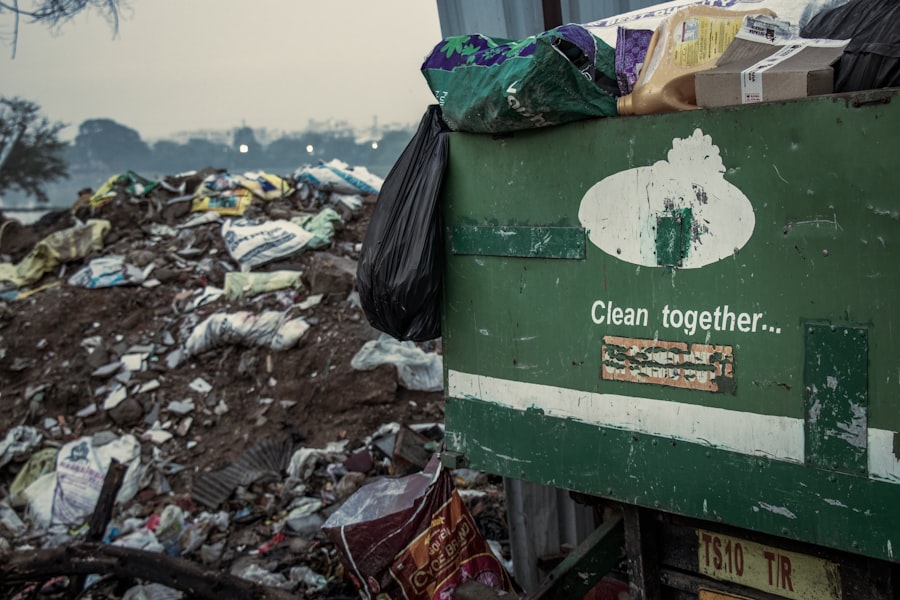
The toxic cocktail of discarded electronics does not simply disappear; it infiltrates our bodies and manifests in a myriad of health consequences, ranging from immediate ailments to chronic diseases that can span generations. The impact is a stark reminder that our convenience comes at a potentially devastating cost to our well-being.
Neurological Disorders: The Brain’s Vulnerability
The nervous system, particularly the developing brain, is exquisitely sensitive to the toxins found in e-waste. Exposure to heavy metals like lead and mercury can disrupt normal brain development and lead to a range of neurological disorders that can affect individuals throughout their lives.
Developmental Delays and Cognitive Impairments in Children
Children exposed to lead during critical periods of brain development can experience irreversible cognitive impairments, reduced IQ, learning disabilities, and attention deficits. Similarly, prenatal exposure to mercury can lead to developmental delays, motor skill deficits, and sensory impairments. The future of our society, embodied in its children, is being jeopardized by our digital discards.
Increased Risk of Neurodegenerative Diseases in Adults
Emerging research suggests a potential link between chronic exposure to certain e-waste toxins and an increased risk of neurodegenerative diseases in adults, such as Parkinson’s and Alzheimer’s. While more research is needed, the neurotoxic potential of these substances warrants serious consideration.
Respiratory Illnesses: The Lungs’ Struggle for Breath
The inhalation of toxic fumes and particulate matter from e-waste burning and dismantling poses a significant threat to respiratory health. The lungs, our conduits to the very air that sustains us, become battlegrounds against the insidious invasion of pollutants.
Aggravation of Asthma and Bronchitis
For individuals suffering from pre-existing respiratory conditions like asthma and bronchitis, exposure to the irritants in e-waste fumes can trigger severe attacks and exacerbate their symptoms. The inability to breathe freely is a terrifying reality for many living near e-waste processing sites.
Increased Susceptibility to Lung Infections
The damage inflicted on lung tissue by particulate matter and toxic gases can weaken the respiratory system’s defenses, making individuals more susceptible to bacterial and viral lung infections, such as pneumonia.
Reproductive and Developmental Issues: The Future at Risk
The endocrine-disrupting properties of many chemicals found in e-waste raise significant concerns about reproductive health and developmental abnormalities in both adults and future generations. The very building blocks of life are under threat.
Fertility Problems and Hormonal Imbalances
Exposure to chemicals like phthalates and certain flame retardants can disrupt the delicate balance of hormones in the body, leading to fertility problems in both men and women. These disruptions can affect sperm production, menstrual cycles, and overall reproductive function.
Birth Defects and Developmental Abnormalities
Prenatal exposure to e-waste toxins can have devastating consequences for fetal development, potentially leading to birth defects, low birth weight, and developmental abnormalities that can impact a child’s health and quality of life for years to come.
Cancers: The Uncontrolled Growth of Disease
The carcinogenic potential of several heavy metals and persistent organic pollutants found in e-waste is a well-established and alarming concern. These toxins can damage DNA and promote uncontrolled cell growth, leading to various forms of cancer.
Links to Lung, Kidney, and Prostate Cancers
Specific heavy metals like cadmium are classified as human carcinogens and have been linked to an increased risk of lung, kidney, and prostate cancers. The long-term consequences of exposure can be deadly, a grim harvest reaped from our discarded technology.
Potential for Other Cancers Through Chronic Exposure
Ongoing research continues to explore the links between chronic exposure to other e-waste components and an increased risk of various other cancers. The latency period for many cancers means that the full extent of the problem may not be apparent for years, a ticking time bomb within our bodies.
The Global Footprint: E-Waste and Vulnerable Communities
The impact of e-waste is not evenly distributed; it disproportionately affects vulnerable communities, often in developing nations, where informal e-waste processing takes place with little to no regard for environmental or human health. These communities become the dumping grounds for the world’s technological refuse, bearing the brunt of our consumption.
Informal Recycling Operations: A Recipe for Disaster
In many parts of the world, e-waste is dismantled and processed in informal sector operations. These operations, driven by the need to extract valuable materials for livelihoods, are often characterized by rudimentary techniques, a lack of protective equipment, and the open burning of waste.
Exploitative Labor Practices and Child Labor
The hazardous work of dismantling e-waste often falls to women and children, who are paid meager wages for dangerous labor. They are exposed to the highest levels of toxic substances, unknowingly jeopardizing their health and their futures. This is not recycling; it is the exploitation of the most vulnerable.
Environmental Degradation and Health Crises in Local Communities
The uncontrolled burning and dumping of e-waste in these communities release toxic pollutants into the air, soil, and water, leading to widespread environmental degradation and severe health crises. Respiratory illnesses, skin diseases, and developmental problems become endemic.
Export of E-Waste: Shipping Our Problems Abroad
A significant portion of e-waste generated in developed countries is exported to developing nations under the guise of “used electronics” or “recycling.” This practice allows wealthier nations to offload their waste disposal burdens, shifting the environmental and health costs to already struggling populations. This is not a solution; it is a transference of burden, a global injustice disguised as commerce.
Circumventing Regulations and Endangering Workers
The export of e-waste often circumvents stringent environmental regulations in the exporting countries, allowing for hazardous materials to be handled with minimal oversight in the recipient nations. This directly endangers the health of workers and their communities.
Impact on Local Health Systems
The long-term health consequences of e-waste exposure place an immense burden on the already fragile healthcare systems in developing countries. Treating chronic illnesses and birth defects strains limited resources and further exacerbates existing health disparities.
The growing issue of e-waste poses significant risks to human health, as improper disposal can lead to toxic substances leaching into the environment. A related article discusses the various health impacts associated with electronic waste, highlighting the dangers of exposure to harmful materials found in discarded devices. For more insights on this pressing topic, you can read the article here. Understanding the consequences of e-waste is crucial in promoting safer disposal practices and protecting both our health and the environment.
Towards a Sustainable Future: Mitigation and Prevention Strategies
| Impact on Human Health | Associated Toxins | Health Effects | Population Affected | Severity Level |
|---|---|---|---|---|
| Respiratory Problems | Lead, Cadmium, Mercury | Chronic cough, asthma, lung damage | Workers in informal recycling sectors, nearby residents | High |
| Neurological Damage | Lead, Mercury | Memory loss, cognitive impairment, developmental delays in children | Children, pregnant women, e-waste workers | Severe |
| Skin Disorders | Cadmium, Chromium | Rashes, dermatitis, skin irritation | E-waste dismantlers, local communities | Moderate |
| Reproductive Issues | Lead, Brominated Flame Retardants | Infertility, birth defects, hormonal disruptions | Women of reproductive age, workers | High |
| Cancer Risk | Arsenic, Cadmium, Polycyclic Aromatic Hydrocarbons (PAHs) | Increased risk of lung, skin, and bladder cancers | Long-term exposed populations | High |
Addressing the growing e-waste crisis and protecting human health requires a multi-pronged approach, encompassing technological innovation, legislative action, and a fundamental shift in consumer behavior. The path forward is not easy, but it is essential for the well-being of both present and future generations.
Extended Producer Responsibility (EPR): Holding Manufacturers Accountable
Extended Producer Responsibility (EPR) policies place the onus on manufacturers to take responsibility for the entire lifecycle of their products, including their collection, refurbishment, and recycling. This incentivizes the design of more durable, repairable, and recyclable electronics.
Designing for Durability and Repairability
By holding manufacturers accountable, EPR encourages the design of products that are built to last and are easily repairable, reducing the frequency with which devices are discarded. The concept of “planned obsolescence,” the deliberate shortening of a product’s lifespan, comes under scrutiny.
Implementing Effective Take-Back and Recycling Programs
EPR schemes necessitate the establishment of robust take-back and recycling programs, ensuring that e-waste is collected and processed in an environmentally sound and socially responsible manner. This involves investing in legitimate recycling facilities and ensuring proper disposal of hazardous materials.
Consumer Awareness and Responsible Consumption: The Power of Choice
Consumers play a pivotal role in mitigating the e-waste crisis. By making informed choices and adopting more responsible consumption habits, individuals can significantly reduce their environmental footprint.
Repairing and Reusing Electronics
Before discarding a device, explore options for repair or consider donating it for reuse. Many older devices can still serve a purpose with a simple fix, extending their lifespan and reducing the demand for new production. This is a conscious choice to resist the disposable culture.
Proper Disposal and Recycling
When a device reaches the end of its life, ensure it is disposed of through certified e-waste recycling programs. Avoid simply throwing electronics in the regular trash, as this leads to them ending up in landfills where their toxic components can leach into the environment. Seek out designated collection points or manufacturer take-back initiatives.
Supporting Sustainable Products and Companies
As consumers, we have the power to influence market trends. By choosing products from companies committed to sustainability, environmental responsibility, and ethical labor practices, we can drive positive change in the electronics industry. This is voting with our wallets for a healthier planet.
Technological Innovations in Recycling and Material Recovery: Turning Waste into Resource
Advancements in recycling technology offer promising solutions for safely extracting valuable materials from e-waste and minimizing the release of hazardous substances. The pursuit of innovation is a beacon of hope in this complex challenge.
Advanced Sorting and Extraction Techniques
New technologies are emerging for the efficient and safe sorting of e-waste components, allowing for the recovery of precious metals like gold, silver, and copper without resorting to destructive burning methods. This transforms discarded items from toxic liabilities into valuable resources, a phoenix rising from the ashes of technological obsolescence.
Developing Safer Alternatives to Hazardous Materials
Ongoing research focuses on developing environmentally friendly alternatives to hazardous materials currently used in electronics, such as lead-free solder and safer flame retardants. This proactive approach aims to prevent the creation of toxic waste in the first place.
The impact of e-waste on human health is a complex and evolving concern, a stark reminder of the unintended consequences of technological advancement. The choices we make today, as individuals and as a global society, will determine the health of our planet and ourselves for generations to come. The digital age, while offering unparalleled connectivity, demands a conscious and responsible approach to its ultimate legacy – the silent mountain of electronic refuse. Understanding the toxic alchemy within, the pervasive pathways of exposure, and the far-reaching health consequences is the first step towards forging a healthier, more sustainable future.
FAQs
What is e-waste and how is it generated?
E-waste, or electronic waste, refers to discarded electrical or electronic devices such as computers, smartphones, televisions, and batteries. It is generated when these devices become obsolete, broken, or are no longer wanted by users.
How does e-waste impact human health?
E-waste contains hazardous substances like lead, mercury, cadmium, and flame retardants. Exposure to these toxic materials can cause serious health problems including respiratory issues, neurological damage, skin disorders, and increased risk of cancer.
Which populations are most vulnerable to the health effects of e-waste?
Workers in informal recycling sectors, children living near e-waste dumping sites, and communities in developing countries where e-waste is often improperly processed are most vulnerable to the harmful health effects of e-waste exposure.
What are the common ways people are exposed to harmful substances from e-waste?
Exposure occurs through inhalation of toxic fumes during burning, direct skin contact with hazardous materials, ingestion of contaminated water or food, and environmental contamination of air, soil, and water near e-waste disposal sites.
How can the health risks associated with e-waste be reduced?
Health risks can be minimized by promoting proper e-waste recycling methods, enforcing regulations on e-waste disposal, raising public awareness, using safer materials in electronics manufacturing, and supporting global initiatives to manage e-waste responsibly.