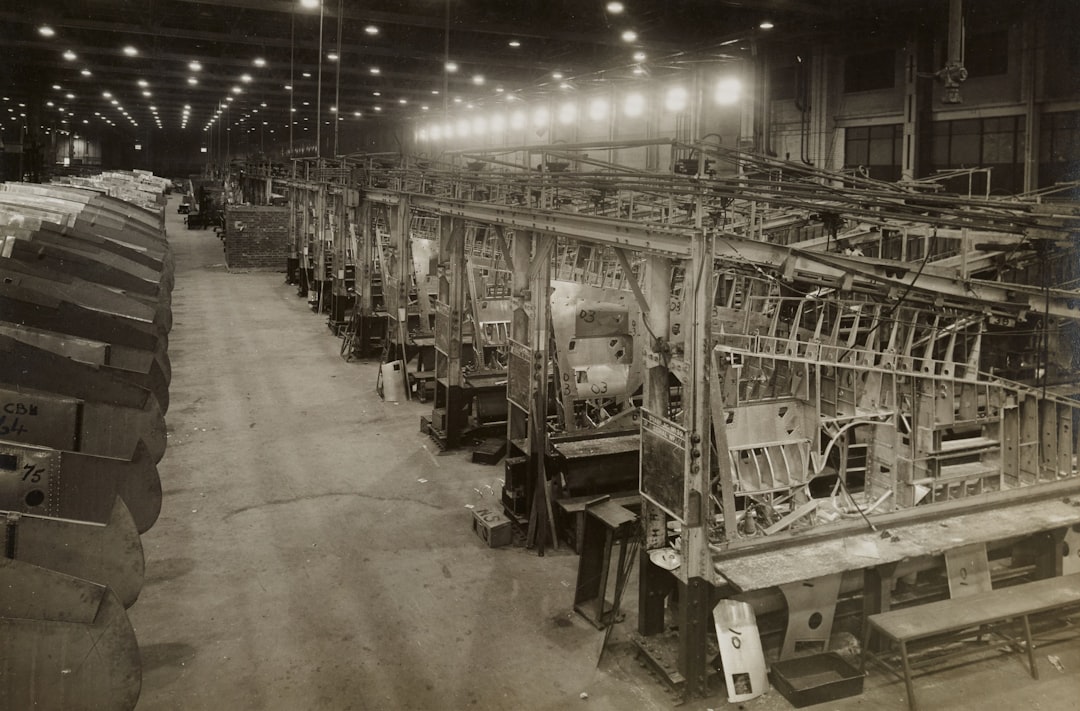
The landscape of employment is undergoing a transformative shift, particularly for those within the middle class. A silent revolution, driven by advancements in artificial intelligence and robotics, is reshaping traditional job roles and creating new paradigms for economic stability. This article delves into the multifaceted impact of automation on middle-class jobs, examining both the emerging challenges and potential opportunities. Readers are invited to consider how these technological currents are redrawing the map of their professional futures.
To understand the present, it is often insightful to examine the past. The fear that machines would displace human workers is not a new phenomenon.
The Industrial Revolution: A Precursor
The First Industrial Revolution, marked by the advent of steam power and mass production, saw significant disruption in artisanal crafts. Handloom weavers, for instance, found their livelihoods threatened by mechanized textile factories. While initial unemployment was a concern, new industries emerged, creating jobs in manufacturing, transportation, and infrastructure development. This historical period offers a critical lesson: technological displacement is often followed by a re-allocation of labor, albeit with varying degrees of social upheaval.
Information Age and Offshoring
More recently, the Information Age ushered in a wave of automation in administrative and clerical tasks. Computers streamlined data entry, record-keeping, and communication, leading to a decline in certain types of office work. Simultaneously, globalization facilitated the offshoring of manufacturing and service jobs to countries with lower labor costs. These shifts primarily affected lower-skilled positions, but they also began to impact the nascent middle-class in developed nations, particularly in sectors like customer service and entry-level finance.
The Current Wave: AI and Robotics
Today’s automation differs significantly. It is not merely about repetitive manual tasks, nor is it solely about data processing. The current wave, propelled by artificial intelligence (AI) and advanced robotics, is encroaching upon jobs that require cognitive skills, problem-solving, and even creativity – characteristics once considered exclusively human domains. Readers should recognize this distinction; the current technological tide is reaching deeper into the middle-class professional pool than ever before.
As the landscape of employment continues to evolve, the impact of automation on middle-class jobs has become a pressing concern. A related article that delves deeper into this issue can be found at Hey Did You Know This, where it explores the various ways technology is reshaping the workforce and the potential consequences for job security and economic stability. This insightful piece highlights the importance of adapting to these changes to ensure a sustainable future for the middle class.
The Disappearing Middle: Job Displacement and Deskilling
The most immediate and concerning impact of automation is the displacement of existing jobs and the potential deskilling of others. This phenomenon is often described as the “hollowing out” of the middle class.
Routine Cognitive and Manual Tasks
Jobs characterized by routine, predictable tasks are most vulnerable. This includes areas such as:
- Bookkeeping and Accounting: AI-powered software can automate reconciliation, invoice processing, and even basic financial analysis.
- Customer Service: Chatbots and virtual assistants are increasingly handling routine inquiries, leaving more complex issues for human agents, who may require higher skills.
- Data Entry and Clerical Roles: Optical character recognition (OCR) and robotic process automation (RPA) are making many of these roles redundant.
- Manufacturing and Assembly: Advanced robotics with improved dexterity and sensory capabilities are taking over assembly line work, even in complex manufacturing processes.
For individuals in these roles, the prospect of reskilling or career transition becomes paramount. The familiar path they once trod may simply vanish beneath their feet.
Impact on “Knowledge Work”
While manual and administrative jobs are at the forefront of displacement, automation is also making inroads into “knowledge work.” AI in legal research, medical diagnostics, and even architectural design is becoming increasingly sophisticated.
- Legal Assistants and Paralegals: AI can quickly sift through vast legal documents, identify precedents, and even draft basic legal briefs.
- Radiologists and Pathologists: Image recognition AI can assist in anomaly detection, potentially augmenting, or in some cases, partially replacing human analysis.
- Journalism: AI can generate reports on data-heavy topics, sports scores, and financial summaries, impacting entry-level journalistic roles.
This expansion into knowledge-based professions signifies a new frontier for automation, challenging the very notion of middle-class “professionalism.” Readers should consider whether their current profession involves tasks that are amenable to algorithmic replication.
The Emergence of New Roles and Skill Requirements
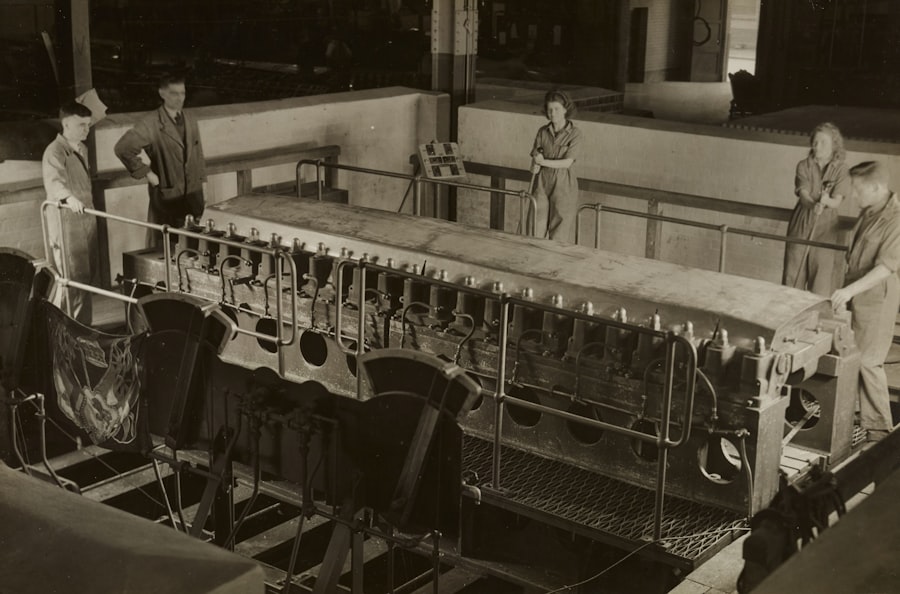
While automation undoubtedly eliminates some jobs, it simultaneously creates new ones. However, these new roles often demand a different set of skills, creating a potential mismatch between available talent and employer needs.
The AI Economy: New Job Categories
The development, deployment, and maintenance of automated systems themselves generate new job opportunities:
- AI Developers and Engineers: Individuals skilled in machine learning, deep learning, and natural language processing are in high demand.
- Robotics Engineers: Expertise in robotic design, programming, and maintenance is crucial for physical automation.
- Data Scientists and Analysts: Extracting insights from the vast amounts of data generated by automated systems requires specialized analytical skills.
- Automation Specialists and Integrators: Professionals who can design, implement, and manage automated workflows across various business functions are becoming indispensable.
- AI Ethicists and Policy Makers: As AI becomes more pervasive, there will be an increasing need for individuals to address the ethical, legal, and societal implications of these technologies.
These roles often require advanced technical education and continuous learning, placing a premium on adaptability and specialized knowledge.
The Growing Importance of “Soft Skills”
As routine tasks are automated, the value of uniquely human capabilities increases. These “soft skills” are becoming critical for the jobs that remain and for the new ones that emerge:
- Creativity and Innovation: While AI can generate novel content, truly original thought and abstract problem-solving remain human domains.
- Critical Thinking and Complex Problem Solving: Identifying complex issues, analyzing multifaceted information, and devising solutions that don’t fit into predefined algorithms are essential.
- Emotional Intelligence and Interpersonal Skills: Roles requiring empathy, negotiation, persuasion, and collaborative teamwork are less susceptible to automation. This includes customer success managers, therapists, educators, and leaders.
- Adaptability and Lifelong Learning: The rapid pace of technological change necessitates a mindset of continuous learning and a willingness to acquire new skills throughout one’s career.
- Entrepreneurship and Initiative: Opportunities for individuals to create new businesses or spearhead innovative projects within existing organizations will likely grow.
Readers should assess their own soft skills and consider how they can cultivate them further. These skills, often overlooked in the past, are becoming the bedrock of future employability.
Economic and Social Implications
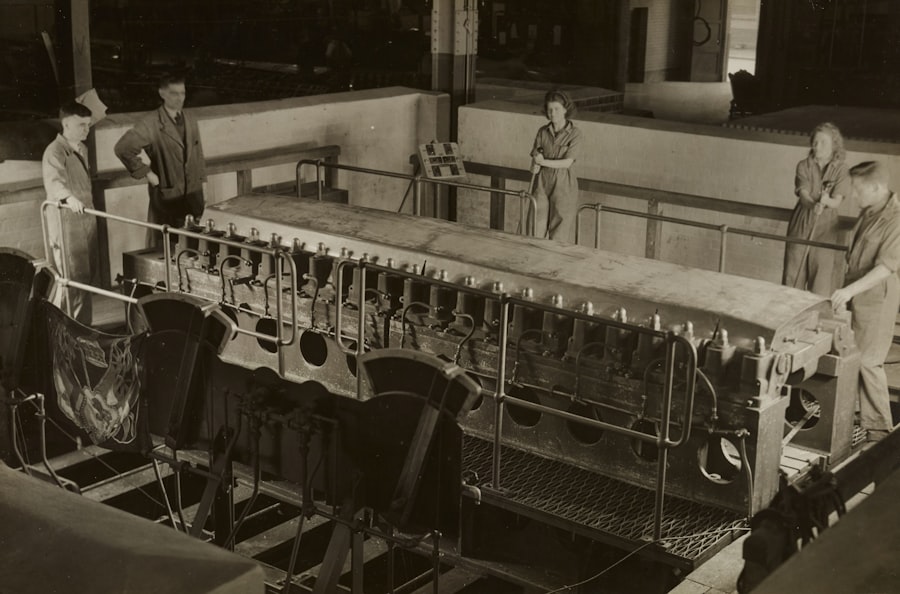
Beyond individual job displacement, automation bears significant economic and social consequences that can reshape the fabric of middle-class life.
Income Inequality
A key concern is the potential exacerbation of income inequality. As jobs requiring routine tasks are automated, workers in those roles may face downward pressure on wages or unemployment. Conversely, those with specialized skills in AI development, data science, or uniquely human “soft skills” may command higher salaries. This divergence could widen the gap between the highly skilled and the less skilled, further shrinking the traditional middle class. The “ladder” of economic mobility might become harder for many to climb.
The Gig Economy and Precarious Work
Automation can also fuel the growth of the gig economy. Companies, seeking flexibility and reduced overhead, may increasingly rely on contract workers for tasks that are not fully automatable but do not require full-time employment. While the gig economy offers flexibility for some, it often lacks the benefits and stability historically associated with middle-class employment, such as health insurance, retirement plans, and paid leave. This could lead to a more precarious and less secure working life for a significant portion of the population.
The Role of Government and Education
Addressing these challenges requires proactive measures from governments and educational institutions.
- Investment in Education and Retraining: Comprehensive programs for reskilling and upskilling the workforce are crucial. This includes promoting STEM education, vocational training in emerging fields, and accessible lifelong learning opportunities.
- Social Safety Nets: Governments may need to strengthen social safety nets to support workers transitioning between careers or facing periods of unemployment. Concepts like Universal Basic Income (UBI) are being debated as potential solutions, though their implementation remains complex.
- Policy for Ethical AI: Developing clear ethical guidelines and regulations for AI development and deployment can help mitigate negative societal impacts and ensure a more equitable distribution of benefits.
- Encouraging Entrepreneurship: Policies that support small businesses and foster an entrepreneurial ecosystem can help create new job opportunities and diversify the economy.
Readers should consider advocating for policies that promote adaptability and resilience in the face of technological change.
As the discussion around Middle Class Job Automation continues to gain traction, many are exploring the implications of this trend on the workforce and economy. A related article that delves deeper into the effects of automation on employment opportunities can be found at this link. It highlights how advancements in technology are reshaping job markets and what that means for the future of work, particularly for the middle class.
Strategies for Middle-Class Adaptation
| Metric | Value | Source/Year | Notes |
|---|---|---|---|
| Percentage of Middle Class Jobs at Risk of Automation | 47% | McKinsey Global Institute, 2017 | Jobs with at least 30% of activities automatable |
| Estimated Number of Middle Class Jobs Automated by 2030 | 20 million (US) | Brookings Institution, 2019 | Focus on manufacturing and administrative roles |
| Average Wage of Middle Class Jobs at High Automation Risk | 35,000 – 55,000 | OECD, 2020 | Annual median income range in USD equivalent |
| Growth Rate of Automation Technologies | 15% CAGR | World Economic Forum, 2021 | Compound annual growth rate of robotics and AI adoption |
| Percentage of Middle Class Workers Upskilling Annually | 30% | LinkedIn Workforce Report, 2022 | Workers engaging in training to adapt to automation |
| Job Creation in Tech and Automation Sectors | 5 million (Global, 2020-2025) | International Labour Organization, 2020 | New roles in AI, robotics, and data analysis |
For individuals within the middle class, proactive adaptation is not merely an option, but a necessity. The future belongs to those who embrace change.
Embracing Lifelong Learning
The concept of a static career path is increasingly outdated. Individuals must adopt a mindset of continuous learning and skill development.
- Upskilling: Acquiring new skills relevant to one’s current field, particularly those that complement automated systems (e.g., learning to work with AI tools, mastering data analytics for one’s domain).
- Reskilling: Learning entirely new skills to transition into an altogether different and emerging field. This might involve enrolling in online courses, vocational programs, or even pursuing further formal education.
- Focus on transferable skills: Emphasizing and developing skills that are valuable across various industries, such as critical thinking, communication, leadership, and problem-solving.
Consider your career as a living entity, constantly evolving and adapting to its environment.
Cultivating Uniquely Human Capabilities
As previously discussed, “soft skills” are becoming increasingly important. Individuals should actively cultivate these attributes to differentiate themselves from automated systems.
- Emotional Intelligence: Developing the ability to understand and manage one’s own emotions, and to perceive and influence the emotions of others.
- Creativity and Innovation: Engaging in activities that foster creative thinking, brainstorming, and finding novel solutions.
- Complex Problem-Solving: Seeking out challenges that require critical analysis, divergent thinking, and collaboration.
- Communication and Collaboration: Honing abilities to articulate ideas clearly, listen effectively, and work cohesively within teams.
These are the elements that machines cannot easily replicate, making humans indispensable in a world increasingly shaped by algorithms.
Strategic Career Planning
Navigating the automated future requires a strategic approach to one’s career trajectory.
- Risk Assessment: Identifying aspects of one’s current role that are most susceptible to automation and proactively planning for their change or elimination.
- Niche Specialization: Developing deep expertise in areas where human judgment and nuanced understanding are crucial, even within fields with high automation potential.
- Networking: Building strong professional relationships can provide insights into emerging opportunities and pathways to new roles.
- Entrepreneurial Thinking: Even within established organizations, adopting an entrepreneurial mindset – identifying new needs, developing innovative solutions, and taking initiative – can lead to resilience and growth.
The middle class stands at a crossroads. While the path ahead presents challenges, it also offers opportunities for renewal and growth. By understanding the forces at play, embracing continuous learning, and cultivating uniquely human capabilities, individuals can not only navigate the impact of automation but also thrive in the evolving professional landscape. The future is not a predetermined destination; it is a landscape we actively shape through our choices and adaptations.
FAQs
What is middle class job automation?
Middle class job automation refers to the use of technology, such as robotics and artificial intelligence, to perform tasks traditionally done by middle-income workers. This can include roles in manufacturing, administration, customer service, and other sectors.
Which middle class jobs are most at risk of automation?
Jobs that involve routine, repetitive tasks are most susceptible to automation. Examples include data entry clerks, assembly line workers, telemarketers, and some administrative roles. However, jobs requiring complex decision-making, creativity, and interpersonal skills are less likely to be automated.
How does automation impact the middle class workforce?
Automation can lead to job displacement for some middle class workers, potentially reducing employment opportunities in certain sectors. However, it can also create new jobs in technology development, maintenance, and other emerging fields, requiring workers to adapt and acquire new skills.
What measures can be taken to mitigate the negative effects of job automation?
Governments and organizations can invest in education and retraining programs to help workers transition to new roles. Policies that support lifelong learning, promote technological literacy, and encourage innovation can also help mitigate the impact of automation on middle class jobs.
Is job automation expected to continue increasing in the future?
Yes, advancements in technology are expected to drive further automation across various industries. While this may continue to transform the job market, the pace and extent of automation will vary depending on technological, economic, and social factors.