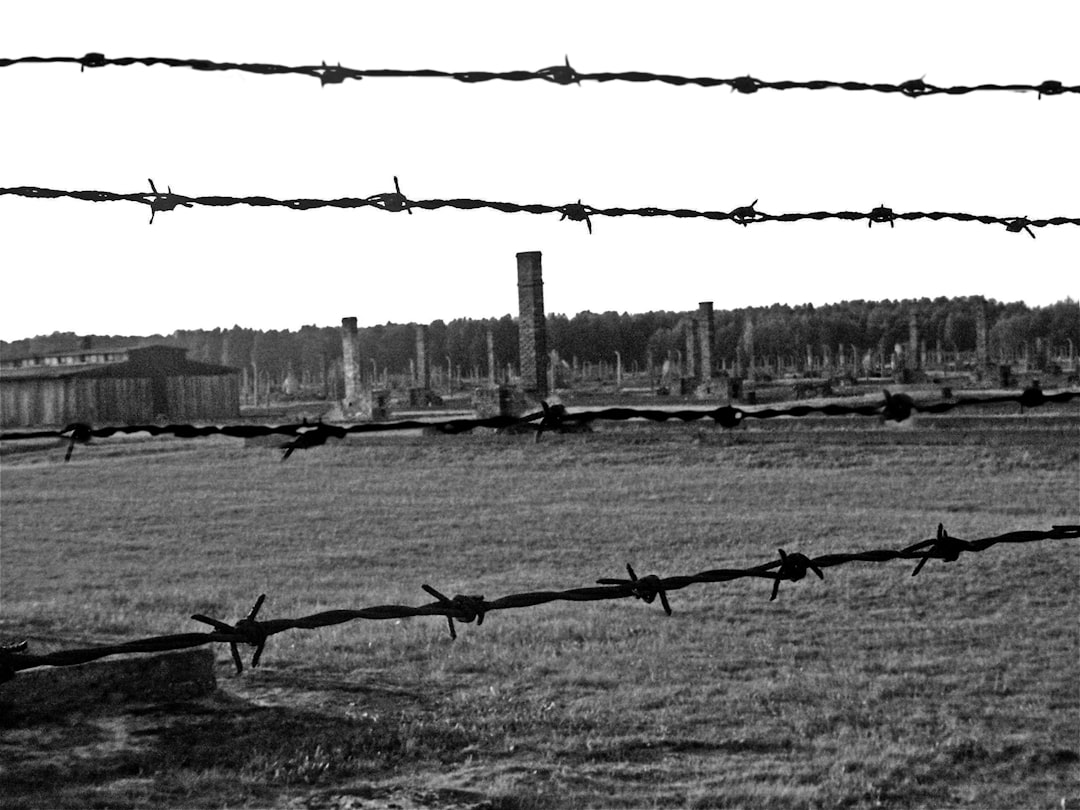
The Holocaust: A Dark Chapter in History
The reign of Nazi Germany under Adolf Hitler from 1933 to 1945 marked one of the most devastating periods in human history. Its dark heart was the Holocaust, a systematic, state-sponsored persecution and murder of six million Jews by the Nazi regime and its collaborators. This was not a spontaneous outburst of violence, but a meticulously planned and ruthlessly executed genocide, fueled by an ideology of racial hatred that sought to cleanse Europe of its Jewish population and other targeted groups. To understand the Holocaust is to confront the depths of human cruelty and the fragility of civilization itself. It serves as a stark reminder of what can happen when dehumanization is allowed to fester and when the machinery of a state is turned towards extermination.
The Nazi ideology was a venomous brew, steeped in antisemitism that had simmered in Europe for centuries. While hatred of Jews was not invented by the Nazis, they weaponized it, transforming it into the central tenet of their political program. Their worldview painted Jews not as people with diverse beliefs and lives, but as an alien and inherently dangerous race, a force of global conspiracy aiming to undermine the purity of the Aryan race and the stability of nations.
Antisemitism: A Historical Precursor
Antisemitism, or prejudice against Jews, had a long and ugly history in Europe, predating Nazism by over a millennium. For centuries, Jews were often scapegoated for societal problems, blamed for economic hardship, disease, and even the crucifixion of Jesus Christ. Religious doctrines sometimes portrayed Jews as deicides, a collective guilt that was difficult to dislodge. This historical background, like a dormant volcano, provided fertile ground for the Nazi eruption.
Racial Purity and the “Aryan Ideal”
The Nazis superimposed a pseudoscientific racial ideology onto this existing antisemitism. They posited the existence of a superior “Aryan” race, typically associated with blonde hair, blue eyes, and a Nordic physique, which they believed was destined to rule. Jews, along with Roma, Slavs, and other groups, were deemed “inferior races” or “Untermenschen” (subhumans), whose very existence was a threat to the biological integrity of the Aryan ideal. This racial hierarchy was not based on scientific fact but on prejudiced assumptions and served as a justification for dehumanization.
Lebensraum and the Expansionist Agenda
Beyond racial ideology, the Nazi pursuit of “Lebensraum” (living space) for the German people played a crucial role. This expansionist ambition entailed conquering and colonizing Eastern Europe, displacing and subjugating the existing populations to make way for German settlers. The populations of Eastern Europe, particularly Slavic peoples, were also deemed racially inferior, and their fate was intrinsically linked to the fate of the Jews residing within these territories.
The Holocaust remains one of the most significant and tragic events in human history, and understanding its impact is crucial for future generations. For those interested in exploring more about this topic, a related article can be found at Hey Did You Know This, which delves into various aspects of the Holocaust, including survivor stories and historical analysis. This resource provides valuable insights that contribute to the ongoing conversation about remembrance and education regarding this dark chapter in history.
The Escalation of Persecution: From Discrimination to Devastation
The Holocaust was not a sudden event but a gradual, chilling escalation of persecution. What began with discriminatory laws and social exclusion eventually spiraled into mass murder. Each step downward on this slippery slope made the next more conceivable, and the perpetrators grew more audacious and less inhibited in their barbarity.
The Nuremberg Laws: Codifying Discrimination
In 1935, the Nuremberg Laws were enacted, stripping German Jews of their citizenship and prohibiting marriage or sexual relations between Jews and non-Jews. These laws were a legal foundation for the systematic exclusion of Jews from German society, effectively marking them as outsiders in their own homeland. They were like a digital divide, separating people based on an arbitrary characteristic.
Kristallnacht: The Night of Broken Glass
The night of November 9-10, 1938, known as Kristallnacht, marked a significant turning point. Synagogues were burned, Jewish businesses were looted and destroyed, and thousands of Jews were arrested and sent to concentration camps. This pogrom, ostensibly a response to the assassination of a German diplomat by a Jewish youth, demonstrated the Nazi regime’s willingness to unleash brutal violence against its Jewish population, signaling a shift from legal discrimination to outright terror.
The Ghettos: Containment and Starvation
As World War II began in 1939, the Nazis systematically rounded up Jews and other targeted groups in occupied territories, forcing them into overcrowded and unsanitary ghettos. These were walled-off districts within cities, designed to isolate and control the Jewish population. Life in the ghettos was characterized by starvation, disease, and brutal living conditions, as meager rations and lack of medical care took a devastating toll. These ghettos became breeding grounds for despair and suffering, a prelude to the ultimate horror.
The “Final Solution”: The Machinery of Genocide
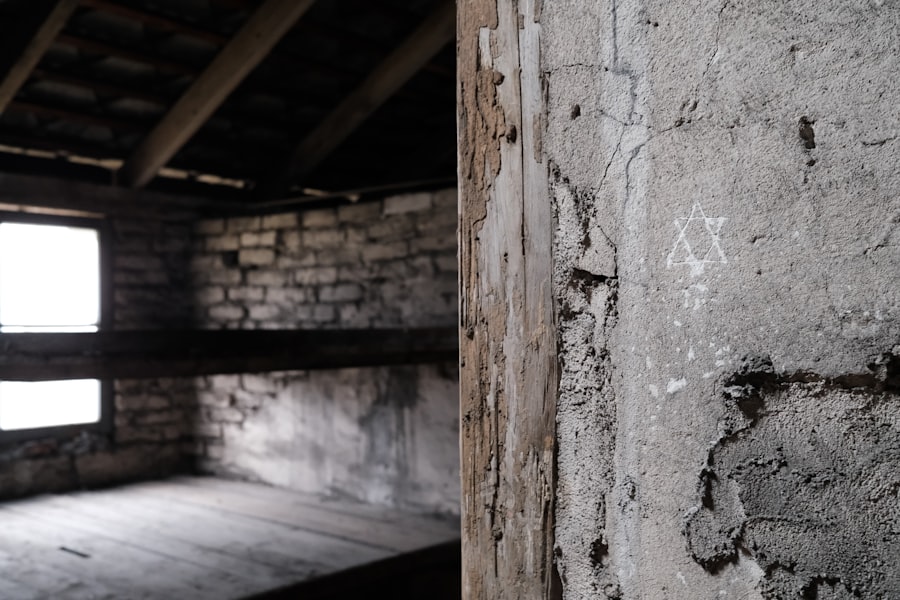
The term “Final Solution to the Jewish Question” (Endlösung der Judenfrage) was the euphemism the Nazis used for their plan to annihilate all Jews in Europe. This was not a spontaneous action but a calculated policy, developed and implemented with chilling efficiency. The infamous Wannsee Conference in January 1942 brought together senior Nazi officials to coordinate the implementation of this genocidal agenda across the vast German-occupied territories.
The Einsatzgruppen: Mobile Killing Squads
In the early stages of the invasion of the Soviet Union in 1941, the Einsatzgruppen, specialized paramilitary death squads, were deployed to murder Jews and other perceived enemies in the rear of the advancing German army. These mobile killing units, often following behind the military, carried out mass shootings, lining up victims and firing upon them en masse. Their actions were a horrific precursor to the industrial-scale murder that would follow.
The Death Camps: Industrialized Extermination
The most infamous aspect of the “Final Solution” was the establishment of extermination camps. These were purpose-built facilities designed for the mass murder of Jews and other targeted groups. Camps such as Auschwitz-Birkenau, Treblinka, Sobibor, and Belzec were equipped with gas chambers, where victims were murdered using poison gas, typically Zyklon B. The bodies were then cremated in massive ovens. These camps were not built for punishment or internment, but purely for efficient killing, like assembly lines of death.
Other Targeted Groups: A Wider Net of Victimization
While Jews were the primary target of the Holocaust, the Nazis also systematically persecuted and murdered millions of others they deemed undesirable. This included:
- Roma (Gypsies): Considered an “asocial” and “racially inferior” group, vast numbers of Roma were murdered in the same manner as Jews.
- Poles: Millions of Polish civilians, especially intellectuals and clergy, were killed as part of the Nazi plan to Germanize Eastern Europe.
- Soviet Prisoners of War: Millions of Soviet POWs died from starvation, disease, or execution due to brutal treatment.
- Political Opponents: Communists, socialists, and anyone who opposed the Nazi regime were arrested, tortured, and often killed.
- Homosexuals: Targeted for their perceived “degeneracy” and threat to the “Aryan” race, homosexuals were persecuted and sent to concentration camps.
- People with Disabilities: Under the T4 Euthanasia Program, tens of thousands of people with physical and mental disabilities were murdered, initially on the grounds of “improving the purity of the race” and later as a seemingly training ground for the killing techniques used in the death camps.
The Human Cost: Testimonies and Legacies
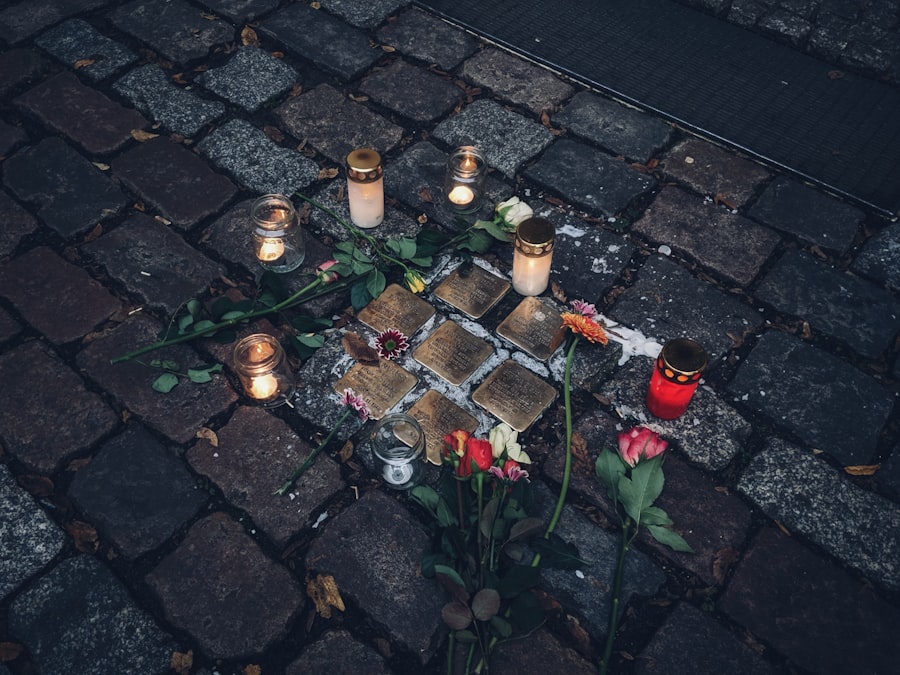
The sheer scale of the Holocaust is almost incomprehensible, and its impact resonates through the lives of survivors and the collective memory of humanity. The stories of those who endured this unimaginable suffering are etched into the historical record, serving as vital testimonies to the atrocity.
Survivor Testimonies: Voices from the Abyss
The personal accounts of Holocaust survivors are invaluable primary sources that bring the abstract statistics to life. Through memoirs, interviews, and oral histories, survivors have shared their experiences of loss, resilience, and the enduring trauma of what they witnessed and endured. These voices, like flickering candles in a vast darkness, illuminate the human dimension of the genocide.
The Burden of Memory: Remembering and Educating
The imperative to remember the Holocaust is a moral obligation. For survivors, it is a way to honor the dead and ensure their suffering is not in vain. For future generations, it is a crucial lesson in the dangers of unchecked hatred, prejudice, and the abuse of power. Educational institutions, museums, and commemorative sites play a vital role in preserving this memory and conveying its lessons.
The Long Shadow: Trauma and Cultural Impact
The Holocaust has left an indelible scar on the Jewish people and on the conscience of the world. The trauma experienced by survivors and their descendants continues to be a significant factor in their lives, influencing their cultural identity and their engagement with the world. The Holocaust has also profoundly shaped art, literature, and philosophy, as humanity grapples with the questions it raises about human nature and the capacity for both good and evil.
The Holocaust remains one of the most significant and tragic events in human history, highlighting the depths of human cruelty and the resilience of those who survived. To gain a deeper understanding of its impact and the lessons it imparts, you may find it insightful to read a related article that explores various aspects of this dark chapter. For more information, you can visit this informative article that delves into the historical context and personal stories of those affected by the Holocaust.
Lessons Learned and the Fight Against Genocide
The Holocaust serves as a permanent warning, a stark monument to the consequences of dehumanization and unchecked extremism. Its end brought not only the liberation of concentration camps but also a profound soul-searching by the international community. The lessons learned, though born from immense suffering, are intended to guide humanity towards a more just and humane future.
The International Response and Justice
In the aftermath of the war, the Nuremberg Trials were held, prosecuting leading Nazi war criminals. These trials established critical precedents for international law, defining crimes against humanity and laying the groundwork for future accountability for mass atrocities. The establishment of institutions like the United Nations and the Universal Declaration of Human Rights were partly inspired by the horrors of the Holocaust, an attempt to build a global framework to prevent such events from recurring.
The Dangers of Indifference and Silence
A crucial lesson from the Holocaust is the danger of bystander apathy and silence. The world’s governments and citizens largely stood by as the persecution of Jews and other minorities escalated. This passivity allowed the genocide to unfold unchecked. The mantra “never again” is a call to action, a commitment to actively oppose hatred and injustice wherever they emerge. It is a shield against the creeping normalization of cruelty.
Cultivating Empathy and Vigilance
Preventing future genocides requires cultivating empathy, fostering critical thinking, and maintaining constant vigilance against the seeds of hatred, discrimination, and dehumanization. It means actively challenging prejudice in all its forms and promoting understanding and respect for diversity. The Holocaust reminds us that the perpetrators were once ordinary people, and that the descent into atrocity often begins with seemingly small acts of compromise and denial. It is a perpetual vigilance that guards against the embers of the past igniting anew.
The Holocaust stands as a grim testament to humanity’s capacity for evil, a dark chapter that must never be forgotten. Its legacy is a call to action, a constant reminder of our responsibility to protect the vulnerable, uphold human dignity, and ensure that “never again” is not just a slogan, but a lived reality.
WATCH NOW ▶️ The Shocking Nazi-Zionist Deal of 1933: The Havara Agreement 🤯
FAQs
What was the Holocaust?
The Holocaust was the systematic, state-sponsored persecution and murder of six million Jews by Nazi Germany and its collaborators during World War II. It also targeted other groups, including Romani people, disabled individuals, Polish and Soviet civilians, political dissidents, and others.
When did the Holocaust take place?
The Holocaust primarily occurred between 1941 and 1945, during World War II, although anti-Jewish policies and persecution began soon after Adolf Hitler came to power in 1933.
Who were the main perpetrators of the Holocaust?
The main perpetrators were the Nazi regime led by Adolf Hitler, along with the SS (Schutzstaffel), Gestapo, and other German military and police units. Collaborators from occupied countries also participated in the atrocities.
What methods were used during the Holocaust?
Methods included ghettos, forced labor camps, mass shootings, and extermination camps equipped with gas chambers. Victims were subjected to inhumane conditions, starvation, medical experiments, and systematic murder.
How is the Holocaust remembered and commemorated today?
The Holocaust is remembered through museums, memorials, education programs, and annual observances such as International Holocaust Remembrance Day on January 27. These efforts aim to honor victims, educate about the dangers of hatred and intolerance, and prevent future genocides.