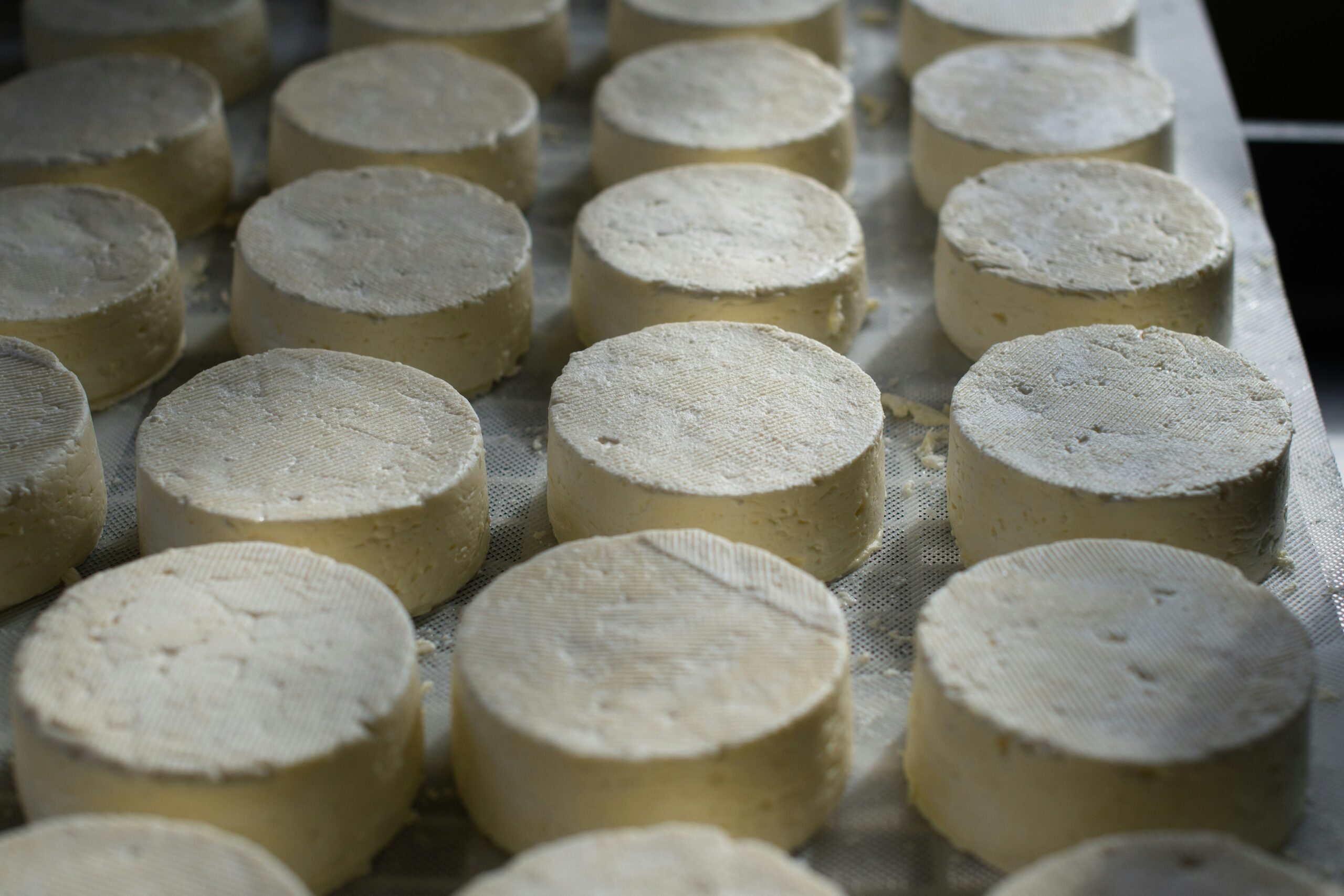
The history of government cheese surplus is a complex narrative intertwined with agricultural policy, economic fluctuations, and social welfare initiatives. It is not a story of spontaneous bounty but rather a consequence of deliberate governmental intervention in the marketplace, designed to support farmers and, at times, to alleviate food insecurity. This phenomenon, often colloquially referred to as “government cheese,” refers to the large quantities of cheese acquired and stored by the U.S. government, primarily through farm price support programs. Understanding its origins requires delving into the agricultural landscape of the mid-20th century and the evolving role of government in the American economy.
The Farm Economy in Crisis
Following the economic boom of World War II, American agriculture found itself in a precarious position. Farmers, who had significantly increased production to meet wartime demands, were suddenly faced with a surplus of goods as domestic and international markets readjusted. This rapid increase in supply, coupled with a decrease in demand, led to a sharp decline in agricultural prices. The economic stability of the farming sector, which was fundamental to the nation’s food security and rural communities, was threatened. Many farmers, particularly small and medium-sized operations, struggled to remain profitable, leading to increased debt and the risk of widespread farm failures.
The Agricultural Act of 1949 and its Successors
In response to these mounting pressures, the U.S. government enacted a series of legislative measures aimed at stabilizing agricultural markets and protecting farmers’ incomes. The Agricultural Act of 1949, building on earlier legislation, established the framework for modern agricultural price support programs. The core principle of these programs was parity pricing, which sought to ensure that the prices farmers received for their commodities were on par with the prices they paid for goods and services.
Price Supports and Parity
The concept of parity pricing aimed to maintain the purchasing power of farmers. It was calculated based on historical price relationships between agricultural commodities and non-agricultural goods. If market prices for a particular commodity fell below the designated parity level, the government would intervene.
Government Purchases and Storage
The primary mechanism for intervention was government purchase. When market prices declined, the Commodity Credit Corporation (CCC), a government-owned entity, would purchase surplus commodities from farmers at the target price. These purchased goods, including vast quantities of cheese, were then stored by the government. The intention was to remove these excess supplies from the market, thereby shoring up prices for the remaining available products. This strategy was intended to prevent drastic price drops that could bankrupt farmers. The accumulation of these stored commodities, particularly dairy products like cheese, became a significant and often visible aspect of U.S. agricultural policy for decades.
The history of government cheese surplus is a fascinating topic that highlights the intersection of agricultural policy and social welfare programs in the United States. For those interested in exploring this subject further, you can read a related article that delves into the origins and implications of government cheese initiatives throughout the years. This article provides valuable insights into how such programs were designed to address food insecurity and support dairy farmers during times of surplus. To learn more, visit this informative page.
The Growing Mountain of Cheese
Dairy Surpluses Emerge as a Persistent Issue
While price support programs were applied to a range of agricultural products, dairy, and specifically cheese, began to emerge as a particularly problematic area of surplus. The dairy sector is characterized by a relatively inelastic demand, meaning that even significant price drops do not lead to a proportionally large increase in consumption. Conversely, production levels are less responsive to price decreases. This inherent characteristic meant that when dairy farmers faced economic hardship and the government intervened with price supports, the resulting removal of milk from the market, often processed into cheese, led to an ever-increasing stockpile.
Factors Contributing to Dairy Surpluses
Several factors contributed to the chronic dairy surpluses. Technological advancements in farming, such as improved breeding, feed efficiency, and milking technology, led to increased milk production per cow. Government policies, while intended to be supportive, sometimes inadvertently encouraged overproduction by guaranteeing a minimum price regardless of market demand. Furthermore, the structure of the dairy industry, with many individual producers, made it challenging to implement production quotas or controls that could effectively manage supply.
The Scale of Government Holdings
By the 1970s and 1980s, the CCC’s warehouses were overflowing with dairy products. The sheer volume of cheese held by the government became a significant economic and logistical challenge. Estimates varied, but at peak times, the government held hundreds of millions of pounds of cheese. This vast quantity represented a substantial investment by the taxpayer and posed questions about its eventual disposition. The visual of mountains of cheese in storage facilities became an enduring, albeit sometimes exaggerated, symbol of this agricultural policy byproduct.
Storage Costs and Deterioration
Maintaining these large inventories incurred considerable costs. Refrigerated storage, transportation, and the risk of spoilage or deterioration all added to the financial burden. Strategies were developed to manage the inventory, including rotating stock to ensure freshness and exploring various avenues for disposal. However, the sheer scale of the surplus often overwhelmed these efforts, making it a persistent headache for policymakers.
The Quest for Disposal: From Destruction to Distribution

Initial Challenges and Limited Options
The accumulation of surplus commodities presented a quandom for the government. It was undesirable to simply destroy perfectly edible food, given the potential for nutritional value. However, releasing such large quantities of cheese directly into the commercial market could depress prices, undermining the very purpose of the price support programs and potentially causing economic damage to dairy farmers. This created a complex balancing act.
The Dilemma of Market Intervention
The government was caught in a cycle: supporting prices led to surpluses, and disposing of surpluses risked market disruption. Early attempts to address the growing stockpiles were often hampered by these inherent conflicts. Selling the cheese at a steep discount on the open market was often not a viable option without significantly impacting existing market prices and farmer incomes.
Export and Diversion Programs
As the surplus grew, the government explored various avenues for disposal. Export programs were developed to sell surplus commodities to foreign nations, often at subsidized prices. This helped to reduce domestic stocks while potentially benefiting developing nations. Diversion programs, such as those that compensated farmers for reducing milk production, were also implemented to try and stem the tide of oversupply.
Subsidized Exports and International Markets
The U.S. government actively sought international markets for its surplus cheese. This often involved extensive negotiations with foreign governments and the provision of export subsidies from the CCC. While this helped to move product, it was not without its critics, who argued that it could distort global markets and disadvantage producers in other countries.
Food Donation and Domestic Consumption Initiatives
Recognizing the nutritional value of the stored cheese, the government also began to explore options for domestic distribution, particularly to food banks and charitable organizations. This marked a shift towards using the surplus as a tool for alleviating hunger and food insecurity within the U.S. These initiatives, while commendable in intent, faced logistical hurdles and the challenge of integrating large, unsolicited donations into existing food assistance systems.
The Rise of “Government Cheese” Allocation

The Food Security Act of 1985 and the Dairy Product Donation Program
A significant turning point in the history of government cheese came with the passage of the Food Security Act of 1985. This legislation, aiming to reform agricultural policy and address the persistent dairy surplus, introduced measures that significantly increased the donation of surplus dairy products to domestic nutrition assistance programs.
Empowerment of Local Institutions
The act bolstered programs that allowed for the distribution of surplus cheese and other commodities to food banks, soup kitchens, school lunch programs, and other charitable organizations. This was often facilitated by the CCC, which would make the cheese available to these entities at little to no cost. For many of these organizations, this provided a significant and reliable source of protein and calories, allowing them to stretch their budgets and serve more people.
The “Cheese Lines” and Public Perception
During the 1980s and into the early 1990s, the distribution of this surplus cheese became a relatively visible aspect of the social safety net in the United States. Images of queues of individuals and families waiting to receive their allocation of “government cheese” became etched in the public consciousness. For many recipients, this cheese represented a vital and often welcome addition to their diets, providing much-needed sustenance. However, the term “government cheese” also sometimes carried a stigma, associated with poverty and reliance on public assistance.
The Impact on Food Assistance Programs
The availability of surplus cheese had a profound impact on the operations of food banks and other charitable organizations. It allowed them to provide a more substantial and nutritious food package to their clients. For school lunch programs, it meant a readily available source of cheese for popular dishes, helping to stretch limited food budgets. This period saw a considerable amount of dairy being channeled into domestic food assistance, becoming a hallmark of emergency and supplementary food aid.
Nutritional Contributions and Dietary Variety
For many individuals and families struggling with food insecurity, government cheese provided a crucial source of protein, fat, and calcium. It was a versatile ingredient that could be incorporated into a variety of meals, offering a welcome addition to often meager diets. The availability of such a staple commodity helped to bolster the nutritional intake of vulnerable populations.
Logistical Challenges and Program Administration
Despite the benefits, the administration of these distribution programs was not without its challenges. Ensuring equitable distribution, managing transportation and storage at the local level, and addressing the shelf-life of the product required significant logistical coordination. Some programs also faced difficulties in educating recipients on how to best utilize and store the cheese they received.
The history of government cheese surplus is a fascinating topic that reflects the complexities of food distribution and welfare programs in the United States. This unique initiative began in the 1980s as a response to dairy farmers facing economic hardships, leading to the creation of a surplus that was then distributed to low-income families. For those interested in exploring this subject further, you can read a related article that delves into the origins and impact of government cheese on American society. To learn more, check out this insightful piece on government cheese.
The Decline and Legacy of Government Cheese Surpluses
| Year | Surplus Amount (in pounds) | Disposal Method |
|---|---|---|
| 1983 | 760 million | Donated to food banks |
| 1991 | 1.2 billion | Exported to foreign countries |
| 2005 | 800 million | Converted to animal feed |
| 2018 | 600 million | Used in school lunch programs |
Shifting Agricultural Policies and Market Dynamics
Over time, agricultural policies began to evolve, and market dynamics shifted. The emphasis on strict price supports for dairy products gradually lessened, and other mechanisms for managing agricultural markets gained prominence. Reforms aimed at reducing government intervention and encouraging market-based solutions began to take hold.
Program Reforms and the Acreage Reduction Program
The Federal Agriculture Improvement and Reform Act of 1996, often referred to as the “Freedom to Farm” bill, marked a significant departure from previous agricultural legislation. It moved away from traditional price supports and moved towards direct payments to farmers, which were decoupled from production levels. This shift in policy aimed to reduce government stockpiles and encourage farmers to respond more directly to market signals.
Increased Demand and Global Markets
Concurrently, changes in consumer preferences, including a growing demand for cheese globally, began to absorb some of the surplus. As international markets for dairy products expanded, U.S. producers found new avenues for selling their products, reducing the reliance on government interventions to manage excess supply. A greater focus on production efficiency and market responsiveness also played a role in balancing supply and demand.
The Enduring Memory and Evolving Perceptions
While the era of massive government cheese stockpiles has largely waned, the memory of “government cheese” persists. For those who benefited from its distribution, it remains a symbol of a period when the government played a significant role in providing food assistance. It is also a reminder of the complexities and unintended consequences of agricultural price support programs.
Cultural References and Social Commentary
The term “government cheese” has entered the cultural lexicon, appearing in music, literature, and popular discourse. It is often used as a shorthand for government surplus, a symbol of past economic conditions, or a point of nostalgic recollection, sometimes tinged with humor or irony. Its widespread recognition speaks to the significant impact these programs had on the lives of many Americans.
Lessons Learned and Future Considerations
The history of government cheese surplus offers valuable lessons regarding agricultural policy, market intervention, and food security. It highlights the delicate balance between supporting agricultural producers, managing market dynamics, and ensuring the well-being of vulnerable populations. The experience has informed subsequent policy decisions, emphasizing the need for more flexible and market-oriented approaches while also recognizing the continuing importance of robust food assistance programs. The legacy of government cheese serves as a historical marker, illustrating a specific chapter in the ongoing interplay between government, agriculture, and the plate of the American consumer.
FAQs
What is government cheese surplus?
Government cheese surplus refers to the excess cheese produced by the U.S. government as part of its agricultural support programs. This surplus cheese is often distributed to low-income individuals and families through various government assistance programs.
When did government cheese surplus programs begin?
The government cheese surplus program began in the 1980s as a way to support dairy farmers and stabilize milk prices. The surplus cheese was then distributed to those in need through food assistance programs.
How was government cheese surplus distributed?
Government cheese surplus was distributed through various channels, including food banks, welfare programs, and other government assistance programs. Recipients would receive blocks or bricks of cheese as part of their food assistance benefits.
What impact did government cheese surplus have on recipients?
The government cheese surplus provided much-needed food assistance to low-income individuals and families. It helped alleviate hunger and provided a source of nutrition for those in need.
Is government cheese surplus still distributed today?
While the government cheese surplus program has evolved over the years, it is no longer as prevalent as it was in the 1980s. However, the U.S. government still supports dairy farmers through various agricultural programs, and surplus cheese may still be distributed to those in need through food assistance programs.