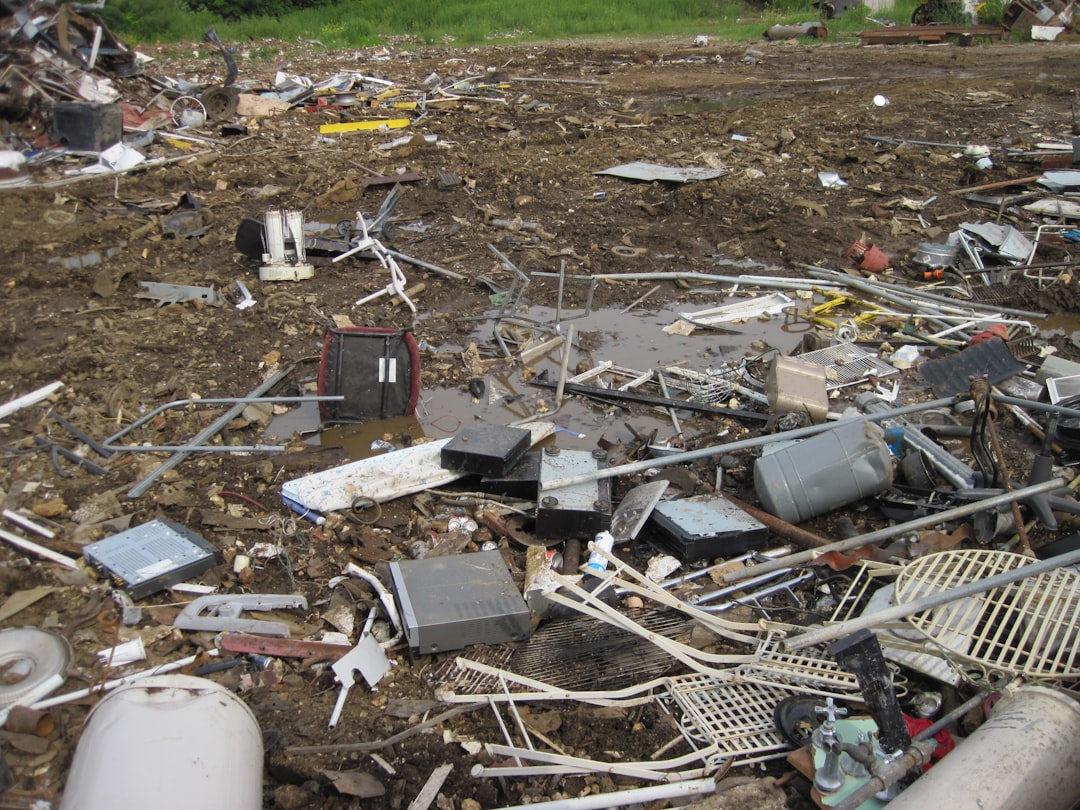
The relentless march of technological advancement has brought about undeniable benefits, connecting the globe and streamlining countless aspects of modern life. However, this progress casts a long shadow, particularly in developing nations, where the accumulation of electronic waste, or e-waste, poses a significant and growing challenge. While the allure of cheap, second-hand electronics for some, and the disposal of outdated devices from wealthier nations for others, paints a picture of economic exchange, the true cost is borne by the environment and the health of vulnerable populations in these regions. This article will delve into the multifaceted problem of e-waste in developing countries, exploring its origins, the devastating consequences, and the urgent need for a global solution.
The developed world, a voracious consumer of new gadgets, generates a colossal amount of e-waste. Driven by planned obsolescence and the constant pursuit of the latest models, millions of tons of electronic equipment are discarded annually. The sheer volume of this discarded technology often overwhelms domestic recycling and disposal infrastructure in wealthier countries. Instead of investing in robust and environmentally sound processing, many developed nations resort to exporting their e-waste, often under the guise of “donations” or “used goods.” This practice, though lucrative for some intermediaries, effectively transfers the burden of hazardous waste management to countries with far fewer resources and less stringent environmental regulations.
The “Donation” Facade: A Trojan Horse of Toxins
Much of the e-waste arriving in developing countries does so under the guise of charitable donations intended to bridge the digital divide. While the intention might appear noble, the reality is often far less altruistic. These shipments frequently contain a significant proportion of obsolete, broken, or near-end-of-life electronics that are no longer functional or repairable. The sheer volume of such “donations” can far exceed the genuine need, effectively creating a dumping ground for unwanted technology. This practice, therefore, is not a benevolent act of digital inclusion but rather a sophisticated method of offloading a problematic waste stream.
The “Second-Hand” Market Myth: A Breeding Ground for Danger
Another significant channel for e-waste entering developing countries is the burgeoning “second-hand” electronics market. While some functional devices do find new owners, the vast majority of these goods are either nearing the end of their lifespan or are irreparably damaged. This market, operating on the principles of cheap acquisition and resale, has little incentive to invest in proper testing, repair, or safe disposal. As a result, a substantial portion of what is sold as “used” is, in reality, destined for dismantling and informal processing, unleashing its toxic potential.
The Role of Global Corporations: A Shadowy Supply Chain
The proliferation of electronic devices by multinational corporations also plays a role in the e-waste crisis. While innovation is a driving force, the end-of-life management of these products is often not adequately addressed. The global supply chain for electronics is complex, and the responsibility for what happens to a device after its purchase is frequently diffused. This diffusion of responsibility allows the problem of e-waste to fester in regions where oversight and enforcement are weakest.
The issue of electronic waste in developing countries has garnered significant attention due to its environmental and health implications. A related article that delves deeper into the costs associated with electronic waste management and its impact on communities can be found at this link. This article explores the challenges faced by these nations in handling e-waste and the urgent need for sustainable solutions to mitigate its adverse effects.
The Environmental Catastrophe: Poisoning the Land and Water
The improper dismantling and disposal of e-waste in developing countries unleash a torrent of toxic substances into the environment. Without the sophisticated containment and processing facilities found in developed nations, informal workers often resort to crude methods to extract valuable materials like copper, gold, and aluminum. These methods, however, come at a devastating environmental cost.
Leaching of Heavy Metals: A Silent Contamination
Electronic components contain a cocktail of hazardous materials, including lead, mercury, cadmium, and chromium. When e-waste is dumped in landfills or exposed to the elements, these heavy metals leach into the soil and groundwater. This contamination is insidious, as it can persist for decades, rendering land infertile and polluting vital water sources. The long-term consequences include agricultural decline, compromised drinking water, and widespread ecological damage.
Toxic Fumes from Burning: A Breath of Poison
Another common practice in informal e-waste processing is the burning of circuit boards and plastic casings to recover valuable metals. This burning releases highly toxic fumes into the atmosphere, including dioxins and furans, which are known carcinogens and persistent organic pollutants. These airborne toxins can travel long distances, affecting air quality and human health far beyond the immediate vicinity of the disposal sites.
Plastic Pollution: A Persistent blight
The vast quantities of plastic found in electronic devices contribute significantly to plastic pollution in developing countries. These plastics, often non-biodegradable, accumulate in landfills, waterways, and natural environments, posing a threat to wildlife and ecosystems. Their slow degradation also means they can release harmful chemicals over extended periods.
The Human Health Crisis: A Price Paid in Suffering
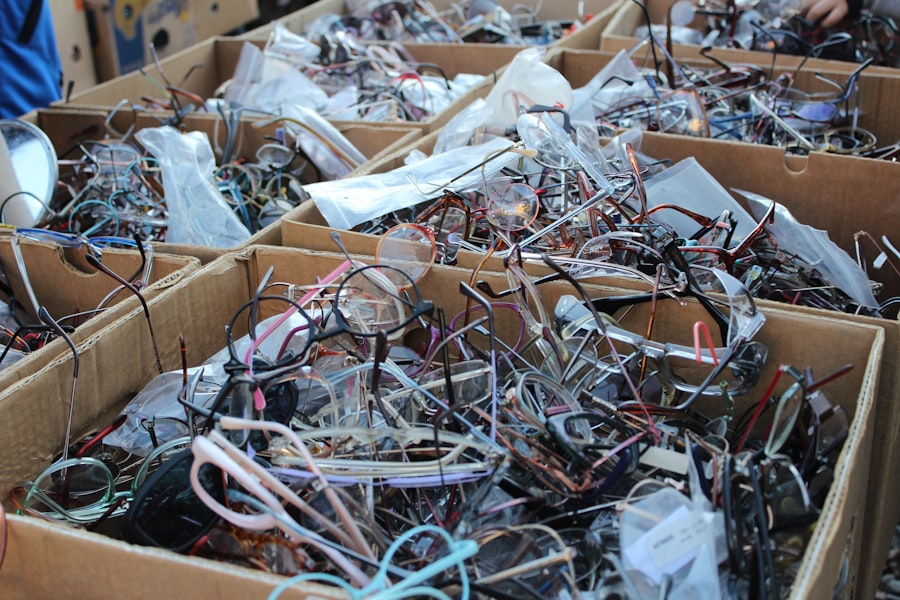
The human toll of e-waste in developing countries is perhaps the most heart-wrenching aspect of this global crisis. Vulnerable populations, often living in close proximity to e-waste dumps, are directly exposed to its toxic consequences on a daily basis. The lack of protective gear and safe working conditions transforms the pursuit of a meager livelihood into a dangerous gamble with health.
Respiratory Illnesses: The Air We Breathe Becomes a Threat
The inhalation of toxic fumes from burning e-waste directly impacts the respiratory systems of those living and working in and around these sites. Chronic coughs, bronchitis, asthma, and other respiratory ailments are rampant. Children, with their developing lungs, are particularly susceptible to these harmful airborne particles, leading to lifelong health challenges.
Neurological Damage: The Silent Erosion of the Mind
Exposure to heavy metals like lead and mercury, prevalent in e-waste, has severe neurological consequences. Children exposed to lead can suffer from developmental delays, learning disabilities, and behavioral problems. Adults can experience tremors, cognitive impairment, and other neurological disorders. This silent erosion of mental faculties has profound implications for individual well-being and societal progress.
Skin and Eye Irritations: The Visible Scars of Exposure
Direct contact with the hazardous materials found in e-waste can cause severe skin irritations, rashes, and burns. Workers handling the waste without protection are particularly at risk. Eye contact with toxic dust and fumes can lead to conjunctivitis and other serious eye conditions, further diminishing their quality of life.
Cancer and Reproductive Issues: The Long Shadow of Disease
The carcinogenic properties of chemicals released from e-waste, such as dioxins and heavy metals, significantly increase the risk of various cancers for exposed populations. Furthermore, some of these toxins are known endocrine disruptors, interfering with hormonal systems and leading to reproductive problems, birth defects, and increased infertility rates.
The Socioeconomic Implications: A Cycle of Poverty and Exploitation

The e-waste crisis in developing countries is inextricably linked to socioeconomic factors, perpetuating cycles of poverty and exploitation. While some individuals may find temporary income opportunities in the informal e-waste sector, these meager earnings are often dwarfed by the long-term health and environmental costs, creating a Faustian bargain.
Informal Labor and Exploitation: A Trap of Low Wages and High Risks
The e-waste processing industry in developing countries is largely dominated by informal labor. This means workers operate without legal protection, fair wages, or adequate safety measures. They are often exploited by middlemen who profit from the salvaged materials while providing little in return. This creates a precarious livelihood, trapping individuals and families in a cycle of poverty.
Children in the E-Waste Chain: Stolen Futures and Damaged Lives
A particularly distressing aspect is the widespread involvement of children in informal e-waste processing. Driven by poverty, these children are exposed to extreme hazards at a tender age, forgoing education and their childhood in the process. Their developing bodies are more vulnerable to the toxic effects, leading to irreversible health damage and a bleak future.
Resource Depletion and Lost Economic Potential: A Squandered Wealth
While developing countries are often portrayed as mere recipients of waste, they also possess valuable resources within this discarded technology. However, the informal, inefficient, and dangerous methods employed to extract these materials lead to significant resource depletion and a loss of potential economic value. A proper, circular economy approach could unlock this wealth sustainably.
The growing issue of electronic waste in developing countries has significant implications for both the environment and public health. As discarded electronics accumulate, the cost of managing this waste continues to rise, burdening local communities with the responsibility of disposal and recycling. For a deeper understanding of the financial and ecological impacts of electronic waste, you can read a related article that explores these challenges in detail. This insightful piece sheds light on the urgent need for sustainable solutions in the face of rising e-waste. To learn more, visit this article.
The Path Forward: Towards a Global Solution
| Metric | Value | Unit | Notes |
|---|---|---|---|
| Annual E-waste Generation | 2.5 | Million Metric Tons | Estimated for developing countries in 2023 |
| Percentage of Informal Recycling | 80 | Percent | Informal sector handles majority of e-waste |
| Health Cost per Ton | 1500 | USD | Estimated healthcare costs due to exposure |
| Environmental Cleanup Cost | 500 | USD per Ton | Cost to remediate contaminated sites |
| Economic Loss from Resource Wastage | 700 | USD per Ton | Value of unrecovered precious metals |
| Total Estimated Annual Cost | 7.5 | Billion USD | Combined health, environmental, and economic costs |
Addressing the high cost of e-waste in developing countries requires a multi-pronged, collaborative approach involving governments, corporations, and international organizations. The current situation is unsustainable and demands a fundamental shift in how we produce, consume, and dispose of electronic goods.
Extended Producer Responsibility (EPR): Shifting the Burden Back to the Source
A crucial step is the implementation of robust Extended Producer Responsibility (EPR) schemes. Under EPR, manufacturers are held accountable for the entire lifecycle of their products, including their collection, recycling, and safe disposal. This incentivizes companies to design products for durability, repairability, and recyclability, and to invest in environmentally sound end-of-life management solutions.
Investment in Formal Recycling Infrastructure: Creating Safe and Sustainable Jobs
Developing countries need significant investment in formal, state-of-the-art e-waste recycling facilities. Such infrastructure, coupled with proper training and safety protocols, can transform the current hazardous informal sector into a source of decent employment and economic growth. This would not only mitigate environmental and health risks but also create a more circular economy.
International Cooperation and Regulation: A United Front Against a Global Problem
International collaboration is paramount. Developed countries must cease the export of e-waste and work with developing nations to establish effective waste management strategies. Stricter international regulations and enforcement mechanisms are needed to prevent illegal dumping and ensure that the burden of e-waste does not disproportionately fall on poorer nations.
Public Awareness and Consumer Education: Empowering Responsible Choices
Educating consumers in both developed and developing countries about the impact of e-waste is vital. Promoting responsible consumption, encouraging the repair and reuse of electronics, and supporting companies with strong sustainability practices can collectively drive positive change. Understanding the true cost behind our discarded devices is the first step towards making more informed choices.
The digital revolution has undeniably changed our world, but its legacy of electronic waste in developing countries is a stark reminder that progress cannot come at the expense of human health and environmental integrity. The silent poisoning of land and people, the exploitation of vulnerable communities, and the squandering of valuable resources all point to an urgent need for a radical transformation. Only through a concerted global effort, characterized by accountability, investment, and ethical responsibility, can we hope to mitigate the devastating costs of our electronic detritus and build a truly sustainable digital future.
FAQs
What is electronic waste and why is it a concern in developing countries?
Electronic waste, or e-waste, refers to discarded electrical or electronic devices. It is a concern in developing countries because improper disposal and recycling can lead to environmental pollution and health hazards due to toxic substances like lead, mercury, and cadmium.
How does electronic waste impact the environment in developing countries?
E-waste can contaminate soil, water, and air when hazardous materials are released during informal recycling processes. This pollution can harm ecosystems, reduce biodiversity, and affect agricultural productivity.
What are the health risks associated with electronic waste in developing countries?
Exposure to toxic chemicals from e-waste can cause respiratory problems, skin disorders, neurological damage, and other serious health issues, especially among workers involved in informal recycling without proper protective equipment.
Why is electronic waste management challenging in developing countries?
Challenges include lack of infrastructure, limited regulations and enforcement, insufficient public awareness, and economic dependence on informal recycling sectors, which often operate without environmental or safety standards.
What are the economic costs of electronic waste in developing countries?
Economic costs include healthcare expenses due to pollution-related illnesses, loss of productivity, environmental cleanup costs, and depletion of valuable materials that could be recovered through proper recycling methods.