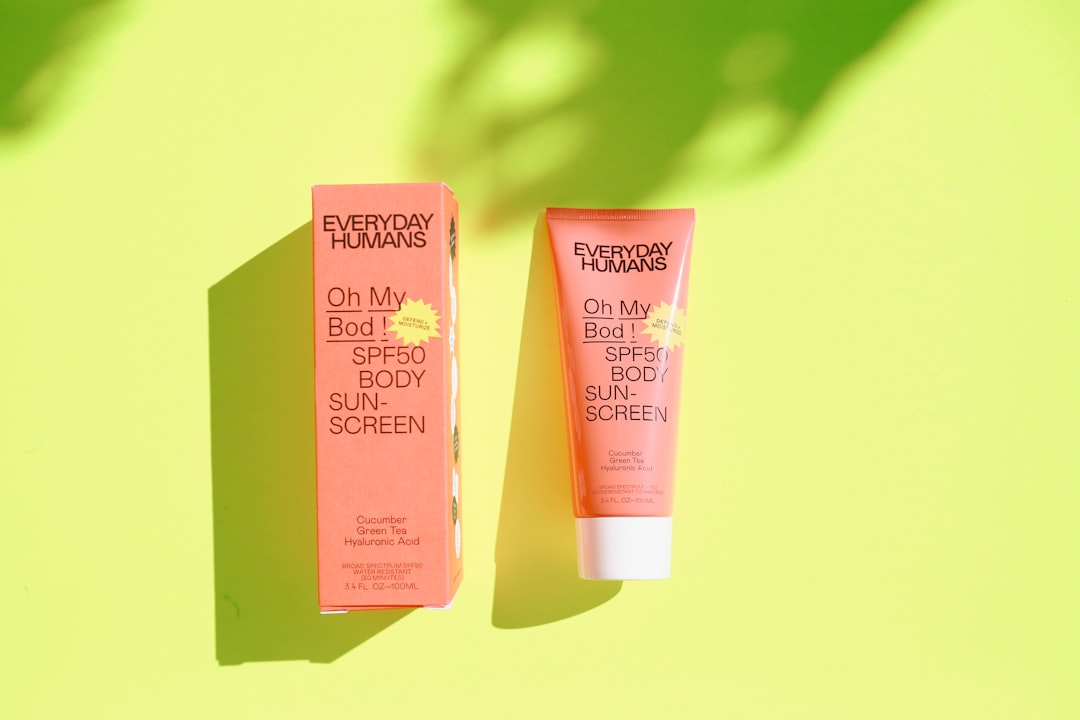
The ubiquitous presence of sunscreen bottles lining bathroom shelves and beach bags suggests a product purely focused on protection. However, a closer examination of the ingredients often lurking within these tubes and sprays reveals a complex landscape, where the intended shield against the sun’s harmful ultraviolet (UV) rays can, for some, become a gateway to unintended consequences. This article delves into the hidden dangers of certain sunscreen chemicals, exploring their potential impact on human health and the environment.
Sunscreen formulations are intricate chemical cocktails, designed to absorb, reflect, or scatter UV radiation. This broad category can be broadly divided into two main types: chemical sunscreens and physical (mineral) sunscreens. While both aim to protect the skin, the mechanisms by which they achieve this, and the ingredients they employ, differ significantly.
Chemical Sunscreens: The Absorbers
Chemical sunscreens function by absorbing UV radiation and converting it into heat, which is then released from the skin. This process relies on organic compounds that are designed to interact with specific wavelengths of light.
Common Chemical UV Filters and Their Concerns
A number of organic UV filters are widely used in sunscreen formulations. Some of these have come under scrutiny for their potential effects on human health and ecosystems.
Oxybenzone (Benzophenone-3)
Oxybenzone is one of the most frequently found chemical UV filters in sunscreens. Its broad-spectrum absorption, including both UVA and UVB rays, makes it an attractive ingredient for manufacturers. However, extensive research has pointed to several potential concerns associated with its use.
Endocrine Disruption
One of the primary worries surrounding oxybenzone is its potential to act as an endocrine disruptor. The endocrine system is a complex network of glands that produce hormones, which regulate a vast array of bodily functions, including growth, metabolism, and reproduction. Emerging scientific literature suggests that oxybenzone can mimic estrogen, a key hormone in both males and females, potentially interfering with normal hormonal activity. Studies, primarily in animal models, have indicated possible impacts on reproductive development and function. Exposure through skin absorption is a significant route, and widespread use means significant human exposure. The implications for long-term, low-dose exposure in humans remain a subject of ongoing investigation, but the potential for disruption is a serious consideration.
Allergic Reactions and Photosensitivity
For some individuals, oxybenzone can trigger allergic reactions. These can manifest as contact dermatitis, characterized by redness, itching, and blistering of the skin. Furthermore, there is evidence suggesting that oxybenzone can contribute to photosensitivity, making the skin more prone to sunburn or other UV-induced damage even when protected by the sunscreen itself. This is a paradoxical effect, where a product designed for protection can inadvertently increase vulnerability.
Environmental Persistence and Harm
Beyond human health, oxybenzone has been identified as a significant environmental pollutant, particularly in marine ecosystems. When sunscreens are washed off swimmers, they enter the water. Oxybenzone has been shown to accumulate in coral reefs, contributing to coral bleaching and damaging their DNA. This makes it a direct threat to marine biodiversity and the delicate balance of these underwater cities. The ban of oxybenzone in certain tourist destinations, such as Hawaii and Palau, reflects growing global awareness of its ecological impact.
Avobenzone
Avobenzone is another widely used chemical UV filter, prized for its effectiveness against UVA rays, which penetrate deeper into the skin and are linked to premature aging and skin cancer.
Photostability Issues
One of the main challenges with avobenzone is its photostability. When exposed to sunlight, it can degrade relatively quickly, leading to a decrease in its protective efficacy over time. To mitigate this, manufacturers often combine avobenzone with other stabilizing ingredients, such as octocrylene.
Potential for Skin Absorption and Allergenicity
While generally considered safe by regulatory bodies, avobenzone can also be absorbed through the skin. As with other chemical filters, there is a possibility of allergic reactions in sensitive individuals, though it is generally considered less allergenic than oxybenzone. Research into its systemic effects is less extensive than for oxybenzone, but the principle of skin absorption and potential for interaction with the body’s systems remains relevant.
Octinoxate (Octyl Methoxycinnamate)
Octinoxate is another common UVB filter, often used in conjunction with UVA filters to provide broad-spectrum protection.
Endocrine Disruption Concerns
Similar to oxybenzone, octinoxate has also been flagged for its potential endocrine-disrupting properties. Studies have indicated that it can interfere with thyroid hormone function. While the levels of concern may differ from oxybenzone, the presence of potential endocrine disruptors in everyday products warrants caution.
Environmental Impact on Marine Life
Octinoxate has also been implicated in the damage to marine life, particularly coral reefs. It is considered a significant contributor to coral bleaching and has been included in bans of certain sunscreen ingredients in areas concerned with marine conservation.
Other Chemical Filters (e.g., Homosalate, Octisalate, Octocrylene)
Several other chemical filters are employed in sunscreen formulations, each with its own profile of absorption and potential concerns.
Potential for Skin Absorption and Systemic Exposure
While regulatory bodies often deem many of these safe for topical use, the concept of dermal absorption means that these chemicals can enter the bloodstream. The long-term consequences of chronic, low-level systemic exposure to these compounds are not fully understood and can be likened to a slow drip, where the cumulative effect over years is difficult to predict.
Interactions and Synergistic Effects
It is important to consider that sunscreens are typically a blend of multiple chemicals. The interaction between these ingredients, and their combined effect on the body and the environment, is a complex area of study. Synergistic effects, where the combined impact is greater than the sum of individual impacts, are a possibility that requires further investigation.
Physical (Mineral) Sunscreens: The Blockers
Physical sunscreens, in contrast to chemical sunscreens, function by creating a physical barrier on the skin that reflects and scatters UV radiation. The two primary ingredients in mineral sunscreens are zinc oxide and titanium dioxide.
Zinc Oxide and Titanium Dioxide: The Guardrails
These mineral ingredients are non-comedogenic and generally well-tolerated by sensitive skin, making them a popular choice for many.
Nanoparticle Concerns
While the mineral sunscreen ingredients themselves are generally considered safe, concerns have arisen regarding the use of nanoparticles. These are incredibly small particles that can be used to reduce the chalky white appearance often associated with mineral sunscreens.
Skin Penetration and Systemic Absorption
The primary concern with nanoparticles is their potential to penetrate the skin and enter the bloodstream. While current research suggests that intact skin acts as a robust barrier, and nanoparticles are unlikely to penetrate healthy skin in significant amounts, the possibility of absorption through damaged skin or prolonged exposure warrants ongoing scientific scrutiny.
Inhalation Risks
When applied as sprays or powders, finely milled nanoparticles can become airborne, raising concerns about inhalation. The long-term effects of inhaling these particles are not yet fully understood, and it is a factor to consider when choosing application methods, particularly for children.
Many people rely on sunscreen to protect their skin from harmful UV rays, but recent studies have raised concerns about the potential dangers of certain chemical ingredients found in these products. For a deeper understanding of this issue, you can read a related article that discusses the risks associated with common sunscreen components and their impact on health. To learn more, visit this informative article.
The Endocrine Disruptor Debate: A Silent Intruder
The category of endocrine-disrupting chemicals (EDCs) is a particularly worrying aspect of some sunscreen ingredients. These substances, by their very nature, can hijack the body’s hormonal signaling pathways, acting like imposters in the body’s intricate communication network.
Mimicking Hormones and Interfering with Biological Processes
Hormones are the body’s messengers, carrying instructions that dictate everything from cell growth to mood. When EDCs enter the system, they can either mimic the effects of natural hormones or block their action, leading to a cascade of potentially disruptive effects.
Reproductive and Developmental Health Risks
The most significant concerns surrounding endocrine disruption relate to reproductive and developmental health. Exposure during critical windows of development, such as pregnancy and early childhood, can have profound and lasting consequences.
Potential Impact on Fertility
Some studies have linked exposure to certain sunscreen chemicals to altered sperm count and motility in men, and potential effects on ovulation and reproductive hormones in women. These are often subtle changes, like a barely perceptible shift in a crucial cog in a complex machine, but their cumulative impact over time can be significant.
Developmental Abnormalities
In animal studies, exposure to EDCs has been associated with a range of developmental abnormalities, including impacts on the brain, reproductive organs, and immune system. While direct extrapolation to humans is complex, these findings serve as a critical alert.
Environmental Endocrine Disruption
The effects of EDCs are not confined to human health. When these chemicals enter the environment, they can also disrupt the hormonal systems of wildlife, leading to widespread ecological problems.
Impact on Aquatic Life
As mentioned previously, coral reefs are particularly vulnerable. The endocrine systems of fish and other aquatic organisms can also be affected, leading to reproductive failures and population declines. This is like poisoning the well, where the source of life itself is contaminated.
Bioaccumulation in the Food Chain
Certain EDCs can bioaccumulate in the tissues of organisms, meaning they build up over time. As these organisms are consumed by others, the chemicals can move up the food chain, potentially reaching higher concentrations in top predators, including humans. This is akin to a slow-acting poison that becomes more potent with each passing link in the chain.
Environmental Consequences: Beyond Human Health

The impact of sunscreens extends far beyond the individual user, posing a significant threat to the delicate balance of our planet’s ecosystems. The “kiss” of sunscreen on our skin can become a toxic embrace for the environment.
Marine Life and Coral Reef Degradation
The ubiquitous practice of swimming and water sports means that sunscreen washes off countless individuals into the oceans. This constant influx of chemicals has created a silent crisis for marine life.
Coral Bleaching and DNA Damage
As detailed earlier, oxybenzone and octinoxate are potent contributors to coral bleaching, a phenomenon where corals expel the symbiotic algae that provide them with food and color, ultimately leading to their death. These chemicals also have the capacity to damage coral DNA, hindering their ability to reproduce and recover.
Impact on Fish and Other Marine Organisms
Beyond corals, the reproductive systems and developmental processes of fish, sea turtles, and other marine creatures can be severely impacted by sunscreen chemicals. This can manifest in reduced fertility, developmental abnormalities, and increased mortality rates, contributing to broader declines in marine biodiversity.
Persistence and Bioaccumulation in Ecosystems
Many sunscreen chemicals are persistent in the environment, meaning they do not break down easily and can remain for extended periods. This persistence, coupled with their tendency to bioaccumulate, creates a long-term threat to ecosystems.
Contamination of Water Sources
The runoff of sunscreens from beaches and coastal areas can also contaminate freshwater sources, impacting the health of rivers, lakes, and the organisms that inhabit them. This is a subtle but pervasive contamination, like an unseen stain spreading across the landscape.
Entry into the Food Web
The bioaccumulative nature of these chemicals means they can enter the food web at various levels. This can lead to higher concentrations in predatory species, including those that humans consume, raising concerns about indirect human exposure through diet.
Navigating the Sunscreen Aisle: Towards Safer Choices

Given the potential hazards associated with certain sunscreen ingredients, consumers are increasingly seeking safer alternatives. The market is responding with a growing array of options that prioritize both efficacy and environmental and health considerations.
The Rise of Mineral Sunscreens
Mineral sunscreens, utilizing zinc oxide and titanium dioxide, have become a popular choice for those concerned about chemical filters.
Advantages of Mineral Formulations
These ingredients offer broad-spectrum protection and are generally considered less likely to cause allergic reactions. Their mechanism of action, creating a physical barrier, is also inherently different from chemical absorption.
Choosing Non-Nano Formulations
When opting for mineral sunscreens, it is advisable to look for “non-nano” formulations to minimize concerns about particle penetration, particularly if inhalation is a risk factor.
Understanding Ingredient Labels: Becoming a Savvy Consumer
The ability to decipher sunscreen labels is a crucial skill in navigating the world of sun protection. Armed with knowledge, consumers can make informed decisions.
Identifying Problematic Ingredients
Familiarizing yourself with the names of common chemical UV filters like oxybenzone, octinoxate, and octisalate can help you avoid them. Many resources are available online that provide lists of “reef-safe” or “body-safe” ingredients.
The “Free From” Claims
While “hypoallergenic” and “chemical-free” labels can be appealing, it is important to look beyond these marketing claims and investigate the actual ingredient list. The absence of one chemical does not necessarily guarantee the absence of others with similar concerns.
Alternatives and Best Practices for Sun Protection
Sunscreen is just one piece of the sun protection puzzle. Adopting a multi-faceted approach can enhance safety and efficacy.
Seeking Out “Reef-Safe” and “Environmentally Friendly” Options
Many brands are now specifically formulating sunscreens that are free from harmful chemicals known to impact marine life. These often proudly display “reef-safe” logos.
Considering Other Protective Measures
Beyond sunscreen, protective clothing, wide-brimmed hats, sunglasses, and seeking shade during peak sun hours are all vital components of a comprehensive sun protection strategy. These offer a physical, non-chemical way to reduce UV exposure.
Many people rely on sunscreen to protect their skin from harmful UV rays, but recent studies have raised concerns about the potential dangers of certain chemical ingredients found in these products. For instance, a related article discusses how some common sunscreen components can disrupt hormonal balance and may even be linked to skin allergies. If you’re curious about the implications of these findings, you can read more in this informative piece here. It’s essential to stay informed about what we apply to our skin, as it can significantly impact our overall health.
The Future of Sunscreen: Innovation and Regulation
| Concern | Description | Potential Risk | Scientific Evidence |
|---|---|---|---|
| Chemical Ingredients | Common sunscreens contain chemicals like oxybenzone and octinoxate. | Hormone disruption and allergic reactions. | Studies show oxybenzone can mimic hormones and cause skin irritation in sensitive individuals. |
| Nanoparticles | Use of nano-sized zinc oxide or titanium dioxide for better UV protection. | Potential cellular damage if nanoparticles penetrate skin. | Research is inconclusive; some studies suggest minimal penetration, others caution about oxidative stress. |
| Vitamin D Deficiency | Excessive sunscreen use blocks UVB rays needed for vitamin D synthesis. | Risk of bone disorders and weakened immune system. | Clinical data indicates sunscreen can reduce vitamin D production by up to 95%. |
| Environmental Impact | Chemicals wash off into water bodies affecting marine life. | Coral bleaching and disruption of aquatic ecosystems. | Studies confirm oxybenzone contributes to coral reef damage even at low concentrations. |
| False Sense of Security | High SPF ratings may encourage longer sun exposure. | Increased risk of skin damage and melanoma. | Behavioral studies show users often stay in the sun longer, increasing UV exposure. |
The ongoing research into the safety of sunscreen ingredients is a dynamic field. Both scientific innovation and regulatory oversight play crucial roles in shaping the future of sun protection.
Emerging Research and Scientific Consensus
As more studies emerge, our understanding of the complex interactions between sunscreen chemicals, human health, and the environment continues to evolve. The scientific community is working to establish clearer guidelines and identify the most robust protective measures.
The Role of Regulatory Bodies
Regulatory agencies worldwide have the important task of evaluating the safety of cosmetic ingredients, including those found in sunscreens. These bodies are increasingly taking into account emerging scientific evidence to inform their decisions.
International Regulations and Bans
The bans on certain sunscreen ingredients in specific regions, such as Hawaii and Palau, demonstrate a proactive approach to environmental protection. These actions can serve as a catalyst for broader regulatory changes.
Innovation in Sunscreen Technology
The pursuit of safer and more effective sunscreens is driving innovation within the industry.
Development of New UV Filters
Researchers are actively developing novel UV filters that offer broad-spectrum protection with improved safety profiles, both for human health and the environment. This involves a search for ingredients that are stable, effective, and readily biodegradable.
Advanced Delivery Systems
Beyond the active ingredients, innovation is also occurring in how sunscreens are formulated and delivered. This includes developing more effective encapsulation technologies to reduce skin penetration and exploring biodegradable packaging solutions.
In conclusion, while sunscreen remains an indispensable tool for protecting against the sun’s harmful rays, it is essential to be aware of the potential hidden dangers lurking within certain formulations. By becoming an informed consumer, understanding ingredient labels, and embracing a holistic approach to sun protection, individuals can make choices that safeguard both their personal well-being and the health of our planet. The journey towards truly safe and effective sun protection is ongoing, marked by continuous scientific inquiry, technological advancement, and a growing global awareness of our interconnectedness with the environment.
FAQs
1. Why can some sunscreens be considered dangerous?
Certain sunscreens contain chemical ingredients like oxybenzone and octinoxate, which may cause skin irritation, hormone disruption, or environmental harm. Additionally, some formulations may not provide adequate protection against all types of UV radiation, potentially increasing the risk of skin damage.
2. Are all sunscreens harmful to human health?
No, not all sunscreens are harmful. Mineral-based sunscreens containing zinc oxide or titanium dioxide are generally considered safer for both human health and the environment. It is important to choose broad-spectrum sunscreens with proven safety profiles.
3. How can sunscreen ingredients affect the environment?
Certain chemical sunscreen ingredients can contribute to coral reef bleaching and harm marine life when they wash off in the ocean. This has led some regions to ban sunscreens containing specific chemicals to protect aquatic ecosystems.
4. What should I look for when choosing a safe sunscreen?
Look for sunscreens labeled as “broad-spectrum” to protect against UVA and UVB rays, with active ingredients like zinc oxide or titanium dioxide. Avoid products with oxybenzone, octinoxate, and other controversial chemicals. Also, consider water-resistant formulas if swimming or sweating.
5. Can improper use of sunscreen increase health risks?
Yes, improper use such as applying too little sunscreen, not reapplying after swimming or sweating, or relying solely on sunscreen without other protective measures can increase the risk of sunburn and long-term skin damage, including skin cancer.