The modern kitchen is often a landscape of convenience, and few innovations have epitomized this more than non-stick cookware. Its promise of easy food release and simpler cleanup has made it a staple in countless homes. However, beneath the smooth, low-friction surface lies a complex history and a growing body of scientific inquiry, presenting potential safety concerns that warrant a closer examination. This article delves into the science and implications of non-stick cookware, particularly concerning the compounds often associated with its manufacture and degradation.
The primary ingredient responsible for the non-stick properties of many popular pans is a synthetic polymer known as polytetrafluoroethylene, commonly abbreviated as PTFE. PTFE is a robust, inert material belonging to a broader class of chemicals known as per- and polyfluoroalkyl substances, or PFAS. These compounds are characterized by their strong carbon-fluorine bonds, which contribute to their unique properties, including incredible resistance to heat, water, and oil. For decades, PFAS have been utilized in a vast array of industrial and consumer products, from firefighting foams to waterproof clothing, creating a widespread environmental presence.
The Historical Context of PTFE and PFOA
PTFE was accidentally discovered in 1938 by DuPont chemist Roy J. Plunkett. Its unique properties led to its commercialization under the brand name Teflon in 1945. For many years, a specific PFAS compound, perfluorooctanoic acid (PFOA), was a critical processing aid in the manufacturing of PTFE. PFOA, while not present in the final PTFE polymer itself, raised significant concerns due to its persistence in the environment and its demonstrated toxicity in animal studies.
Transitioning Away from “Forever Chemicals”: The Phase-Out of PFOA
Recognizing the environmental persistence and potential health risks associated with PFOA, regulatory bodies and manufacturers initiated efforts to phase out its use. In the United States, the Environmental Protection Agency (EPA) launched the PFOA Stewardship Program in 2006, leading to a voluntary agreement by major chemical companies to eliminate PFOA from their emissions and product formulations. By 2015, significant progress had been made in phasing out PFOA and related long-chain PFAS compounds from manufacturing processes. However, this transition often involved replacing PFOA with other, shorter-chain PFAS chemicals, such as GenX and PFBS, which are still under ongoing scrutiny regarding their environmental and health impacts. The debate continues regarding whether these replacements are truly safer or merely represent a “regrettable substitution.”
Non-stick cookware has become a staple in many kitchens due to its convenience and ease of use; however, it is essential to be aware of the hidden dangers associated with its use. For a deeper understanding of these risks, you can read a related article that explores the potential health implications of non-stick coatings and offers safer alternatives. To learn more, visit this informative article.
Thermal Degradation: The Unseen Transformation
While PTFE is remarkably stable under normal cooking temperatures, it is not impervious to heat. At elevated temperatures, the PTFE coating can begin to degrade, releasing various chemical byproducts into the air. This process, often referred to as “fume fever,” has been a subject of scientific investigation for decades.
The Science of Polymer Breakdown
The carbon-fluorine bonds that make PTFE so stable are eventually overcome by sufficient thermal energy. As temperatures rise significantly above typical cooking ranges, the polymer chains begin to break down, releasing gaseous compounds. These breakdown products can include various fluorocarbons, some of which are known to be irritants. The exact composition and quantity of these fumes vary depending on the specific PTFE formulation, the age of the pan, and, most critically, the temperature reached.
The Phenomenon of Polymer Fume Fever
“Polymer fume fever,” also known as “Teflon flu,” is a recognized condition that can occur after inhaling fumes from overheated PTFE. Symptoms, which typically appear several hours after exposure, resemble influenza and can include fever, chills, headache, and chest tightness. While generally self-limiting and resolved within 24-48 hours, severe exposure or prolonged inhalation, particularly in occupational settings, can lead to more serious respiratory issues. Concerns have also been raised about potential dangers to pet birds, whose respiratory systems are far more sensitive to airborne toxins, making them particularly vulnerable to polymer fume fever.
Damaged Surfaces: A Gateway to Exposure
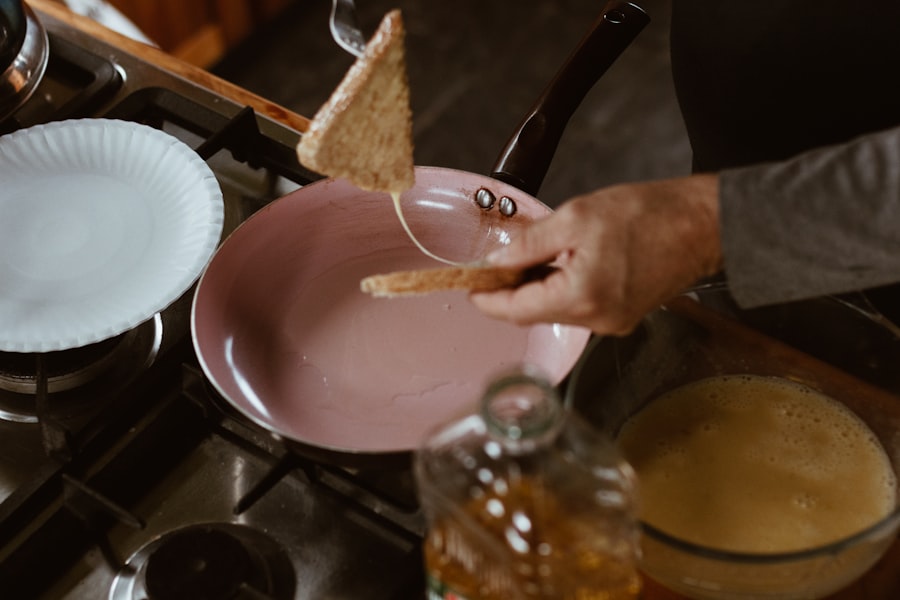
The integrity of the non-stick coating is crucial. While a new, intact non-stick pan presents less immediate concern for chemical leaching, damage to the surface can compromise its safety profile. Scratches, chips, and flaking can expose the underlying pan material and, more importantly, accelerate the degradation of the PTFE coating.
The Problem with Scratched Pans
Scratches, often caused by metal utensils, abrasive cleaning, or stacking without protection, create pathways for food and cleaning agents to interact with the underlying layers. While the immediate risk of ingesting microscopic PTFE flakes is generally considered low, the compromised surface can become more susceptible to thermal degradation at lower temperatures. A pan with a visibly scratched or flaking surface is approaching the end of its useful life and should be replaced.
The Importance of Proper Care and Maintenance
To minimize the risk of damaging non-stick cookware, consumers are advised to use non-abrasive utensils, such as wood, silicone, or plastic. Hand washing with soft sponges and mild dish soap is also recommended over harsh scourers or dishwashers, which can accelerate wear and tear. Stacking pans with protective liners can also prevent scratches. Recognizing that all non-stick coatings have a finite lifespan, regardless of care, is also essential.
Environmental Persistence and Bioaccumulation: A Broader Concern
Beyond the immediate kitchen environment, the components associated with non-stick cookware, particularly PFAS, present a significant long-term environmental challenge. Their chemical structure makes them incredibly resistant to degradation in nature, leading to their widespread presence in water, soil, and even living organisms.
PFAS in the Global Ecosystem
PFAS compounds are often referred to as “forever chemicals” due to their extraordinary persistence. They do not readily break down through natural processes like microbial degradation or hydrolysis. This stability means that once released into the environment, they can persist for hundreds, if not thousands, of years, circulating through water cycles and food chains. Scientific studies have detected PFAS in drinking water sources, rainwater, and even remote polar ice caps, demonstrating their pervasive global distribution.
Human Exposure and Health Implications
Humans can be exposed to PFAS through various pathways, including contaminated drinking water, food consumption (particularly seafood from contaminated waters), and ingestion of house dust. Research has linked long-term exposure to certain PFAS compounds to a range of potential health effects, including altered immune function, increased cholesterol levels, effects on liver function, reproductive issues, and increased risk of certain cancers. While the direct link between a single non-stick pan and these broader health concerns is complex and tenuous, the ubiquitous nature of PFAS from various sources underscores the importance of minimizing exposure where possible.
Many people are unaware of the potential risks associated with non-stick cookware, which can release harmful chemicals when overheated. This concern has led to increased interest in safer cooking alternatives. For those looking to explore this topic further, a related article discusses the hidden dangers of non-stick surfaces and offers insights into healthier cooking options. You can read more about it in this informative piece here. Understanding these risks can help you make more informed choices in the kitchen.
Health Concerns Associated with PFAS Compounds
| Aspect | Details | Potential Risks | Scientific Findings |
|---|---|---|---|
| Material Used | Polytetrafluoroethylene (PTFE) coating | Releases toxic fumes when overheated | PTFE begins to degrade above 260°C (500°F) |
| Overheating Temperature | Above 260°C (500°F) | Fume emission causing polymer fume fever | Studies show fumes can cause flu-like symptoms in humans |
| Degradation Products | Perfluorooctanoic acid (PFOA) and other perfluorinated compounds | Potential carcinogens and environmental pollutants | PFOA phased out but persists in older cookware and environment |
| Health Effects | Polymer fume fever, respiratory issues | Temporary flu-like symptoms, possible long-term effects unknown | Animal studies suggest possible liver and immune system impact |
| Environmental Impact | Persistent organic pollutants | Bioaccumulation in wildlife and humans | Long half-life in environment, difficult to break down |
| Safe Usage Tips | Use low to medium heat, avoid preheating empty pans | Minimizes risk of toxic fume release | Recommended by health and safety agencies |
| Alternatives | Ceramic, cast iron, stainless steel cookware | Lower risk of toxic chemical exposure | Increasingly popular for safer cooking options |
The scientific community has increasingly focused on the potential health effects of PFAS compounds, given their persistence and widespread human exposure. While definitive causal links are still being established for all compounds and all health outcomes, a substantial body of evidence suggests potential risks.
Research into Carcinogenic and Reproductive Effects
Numerous epidemiological studies and animal experiments have investigated the potential carcinogenicity and reproductive toxicity of certain PFAS compounds, particularly PFOA. Elevated risks for kidney cancer and testicular cancer have been observed in populations exposed to high levels of PFOA. Furthermore, studies have indicated potential links to reproductive problems, such as reduced fertility and developmental effects in offspring. While the replacement PFAS compounds are believed to have different toxicity profiles, ongoing research aims to fully characterize their long-term health impacts.
Endocrine Disruption and Immunotoxicity
PFAS have also been implicated as potential endocrine disruptors, meaning they can interfere with the body’s hormonal system. This can lead to a variety of adverse effects, including thyroid disease and metabolic disorders. Additionally, a growing body of evidence suggests that certain PFAS can suppress the immune system, potentially compromising the body’s ability to fight off infections and respond to vaccinations. This immunotoxicity is a particular concern, especially for vulnerable populations such as children.
Safer Alternatives and Cooking Practices
Given the complexities and potential concerns surrounding traditional non-stick cookware, many consumers are exploring alternative materials and adopting cooking practices that prioritize safety and sustainability.
Exploring Alternative Cookware Materials
- Cast Iron: A durable, naturally non-stick (when properly seasoned) option that can last for generations. It provides excellent heat retention and can leach small amounts of beneficial iron into food. However, it requires specific care, including seasoning and avoiding harsh soaps.
- Stainless Steel: A versatile, non-reactive, and durable choice. While not inherently non-stick, it can be made to be less sticky with proper cooking techniques and sufficient oil. It is easy to clean and maintain.
- Ceramic Cookware (True Ceramic and Ceramic-Coated): “True ceramic” refers to cookware made entirely of ceramic material, while “ceramic-coated” typically refers to an aluminum or cast iron core with a ceramic-based non-stick layer. Ceramic coatings are generally free of PTFE and PFAS. They often offer good non-stick properties initially but can be less durable than PTFE coatings over time and require careful use to prevent chipping.
- Glass and Stoneware: Excellent choices for baking and oven cooking, these materials are non-reactive and generally considered very safe. They are less suitable for stovetop frying due to thermal shock potential and limited heat conductivity.
Best Practices for Non-Stick Cookware Use
If you choose to continue using non-stick cookware, adopting certain practices can help mitigate potential risks:
- Avoid Overheating: Never preheat an empty non-stick pan on high heat. Keep temperatures at medium or lower. Ventilate your kitchen well during cooking by using an exhaust fan or opening windows.
- Replace Damaged Pans: Discard any non-stick pan with visible scratches, chips, or flakes in its coating. These pans are no longer safe or effective.
- Use Proper Utensils: Only use wooden, silicone, or plastic utensils to avoid scratching the non-stick surface.
- Gentle Cleaning: Wash non-stick pans by hand with warm, soapy water and a soft sponge. Avoid abrasive cleaners or scouring pads.
- Proper Storage: Store pans carefully, ideally with protective cloths or felt liners between them, to prevent scratching.
The convenience offered by non-stick cookware is undeniable, but it comes with a nuanced set of considerations. Understanding the chemistry, the potential for degradation, and the broader environmental implications of associated chemicals empowers consumers to make informed choices for their kitchens and their health. By being mindful of cooking temperatures, maintaining cookware diligently, and considering the growing array of alternative materials, individuals can navigate the complex world of modern culinary tools with greater confidence and safety.
FAQs
1. Are non-stick cookware coatings safe to use?
Non-stick cookware coatings, such as those made from polytetrafluoroethylene (PTFE), are generally safe when used properly. However, overheating these pans above 500°F (260°C) can cause the coating to break down and release potentially harmful fumes.
2. What health risks are associated with non-stick cookware?
When non-stick coatings degrade due to high heat, they can emit fumes that may cause flu-like symptoms known as “polymer fume fever” in humans and can be fatal to pet birds. Additionally, some older non-stick coatings contained perfluorooctanoic acid (PFOA), a chemical linked to health concerns, but most modern cookware is PFOA-free.
3. How can I minimize the risks when using non-stick cookware?
To reduce risks, avoid overheating non-stick pans by cooking on low to medium heat, never preheat an empty pan, use wooden or silicone utensils to prevent scratching, and replace cookware if the coating is chipped or peeling.
4. Are there safer alternatives to traditional non-stick cookware?
Yes, alternatives include stainless steel, cast iron, ceramic-coated cookware, and anodized aluminum, which do not rely on synthetic non-stick coatings and generally pose fewer health concerns.
5. How should I care for non-stick cookware to extend its lifespan?
Hand wash non-stick cookware with mild detergent and a soft sponge, avoid abrasive cleaners or scouring pads, store carefully to prevent scratches, and avoid using metal utensils to maintain the integrity of the coating.