
The ubiquitous presence of laundry detergent in modern households often masks a complex chemical cocktail, the implications of which extend beyond mere cleaning power. While these products efficiently tackle dirt and stains, a closer examination reveals a spectrum of potential health and environmental risks stemming from their constituent chemicals. This article endeavors to peel back the layers of marketing and illuminate the less-discussed perils lurking within the seemingly innocuous detergent aisle.
Surfactants, short for “surface active agents,” are the workhorses of laundry detergents. Their ability to reduce the surface tension of water allows them to penetrate fabrics and encapsulate dirt and oil, effectively lifting them away. However, this same impressive chemical property can also interact with biological surfaces, leading to adverse effects.
Anionic Surfactants: Common Culprits for Skin Sensitivity
Anionic surfactants, such as linear alkylbenzene sulfonates (LAS) and sodium laureth sulfate (SLES), are widely employed due to their excellent cleaning capabilities and cost-effectiveness. While generally considered safe for use in rinse-off products, prolonged or concentrated exposure can cause skin irritation. This irritation manifests as redness, itching, dryness, and in more severe cases, contact dermatitis. Individuals with pre-existing skin conditions like eczema or psoriasis are particularly susceptible. The mechanism involves the surfactants disrupting the skin’s natural lipid barrier, leading to increased transepidermal water loss and heightened vulnerability to irritants.
Non-ionic Surfactants: A Subtler Threat
Non-ionic surfactants, including ethoxylated alcohols, are known for their gentler action and are often found in detergents marketed for sensitive skin. Despite their milder reputation, they are not entirely without risk. While less prone to causing overt irritation, certain non-ionic surfactants can still contribute to skin dryness over time. Moreover, their environmental persistence and potential for bioaccumulation raise concerns regarding aquatic ecosystems. Some studies have indicated that certain non-ionic surfactants can break down into more toxic compounds in the environment.
Amphoteric and Cationic Surfactants: Specialized Roles, Specialized Risks
Amphoteric surfactants, such as cocamidopropyl betaine, exhibit both anionic and cationic properties depending on the pH. They are often used as co-surfactants to improve mildness and foaming. While generally less irritating than strong anionic surfactants, rare instances of allergic reactions have been reported. Cationic surfactants, like quaternary ammonium compounds, are primarily used as fabric softeners due to their positive charge, which helps neutralize static and provide a softer feel. However, these compounds are known to be skin irritants and can exacerbate respiratory issues in sensitive individuals, particularly through inhalation of dryer vent emissions.
Recent concerns have been raised about the presence of dangerous chemicals in laundry detergents commonly used in households across the United States. These chemicals can pose health risks to both humans and the environment, leading to increased scrutiny and calls for safer alternatives. For more information on this pressing issue, you can read a related article that delves deeper into the potential dangers and offers insights on how to choose safer products by visiting this link.
Fragrances: A Sensory Appeal with Hidden Allergens
The allure of a freshly laundered scent is a powerful marketing tool. However, the complex chemical compositions of these fragrances often include a multitude of compounds, many of which are known allergens and respiratory irritants. Unlike food ingredients, detergent manufacturers are rarely required to fully disclose the individual components of their “fragrance” mixtures, leaving consumers largely uninformed.
Phthalates: Endocrine Disruptors in Disguise
Phthalates are a class of chemicals often used in fragrances to make scents last longer. They are recognized endocrine disruptors, meaning they can interfere with the body’s hormonal system. Exposure to phthalates has been linked to a range of potential health problems, including reproductive issues, developmental problems in children, and increased risk of certain cancers. While the levels in individual laundry loads might seem low, cumulative exposure from multiple sources, including plastics and cosmetics, is a significant concern.
Volatile Organic Compounds (VOCs): Airborne Irritants
Fragrances often release volatile organic compounds (VOCs) into the air during washing and drying cycles. These VOCs include chemicals like limonene, linalool, and alpha-pinene. While some of these occur naturally, synthetic versions and their concentrations in detergents can trigger adverse respiratory reactions. For individuals with asthma, allergies, or chemical sensitivities, exposure to these airborne irritants can lead to exacerbated symptoms such as wheezing, coughing, and shortness of breath. The lack of transparency in fragrance formulations makes identifying specific problematic VOCs challenging for consumers.
Allergens and Sensitizers: A Silent Epidemic
Beyond general irritation, many fragrance components are known allergens and sensitizers. This means that repeated exposure can lead to the development of an allergic reaction over time, even if initial exposure caused no symptoms. Common fragrance allergens include lyral, farnesol, and geraniol. Once sensitized, individuals may experience skin rashes, hives, or respiratory distress upon subsequent exposure to even minute quantities of the allergen. This phenomenon highlights the importance of choosing fragrance-free options, especially for those with sensitive skin or respiratory conditions.
Optical Brighteners: A Deceptive Sheen
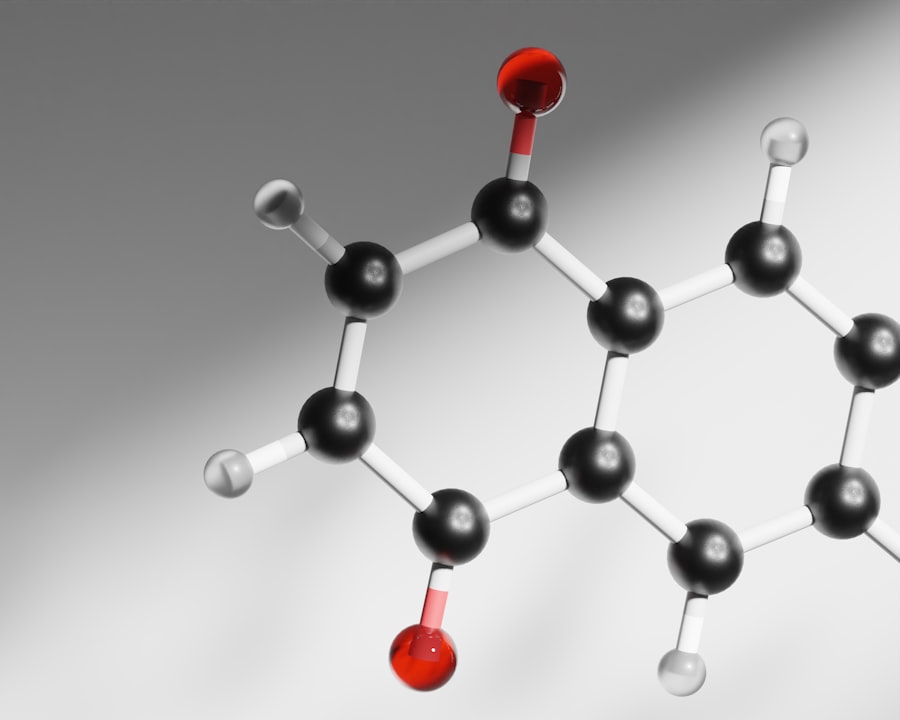
Optical brighteners, also known as fluorescent whitening agents (FWAs), are chemicals designed to make fabrics appear whiter and brighter by absorbing ultraviolet light and re-emitting it in the blue spectrum. This creates a visual illusion of brightness, masking any yellowing of the fabric. While their aesthetic appeal is undeniable, their environmental and health ramifications warrant consideration.
Skin Irritation and Phototoxicity: More Than Just “Bright”
Although generally considered low-hazard in terms of direct toxicity, optical brighteners can cause skin irritation in some individuals. More concerning is their potential for phototoxicity. Once deposited on fabrics, these chemicals can remain on the skin during wear. Under exposure to sunlight, some optical brighteners can react with skin, leading to photosensitivity reactions, characterized by itching, redness, and blistering in sun-exposed areas. This effect is particularly pronounced in individuals with fair skin or those prone to photosensitivity.
Environmental Persistence and Aquatic Ecotoxicity: A Hidden Pollution
Optical brighteners are not readily biodegradable. They persist in wastewater and can enter aquatic ecosystems through laundry effluent. In aquatic environments, these chemicals can accumulate in fish and other aquatic organisms. While the direct toxic effects on aquatic life are still under investigation, concerns about their potential to alter biological processes and disrupt ecosystem balance are growing. Their ability to interfere with the light perception of aquatic organisms, potentially impacting their foraging and mating behaviors, is an area of ongoing research.
Phosphates and Zeolites: Legacy and Modern Binders

Early laundry detergents relied heavily on phosphates as builders, chemicals that soften water and boost the efficiency of surfactants. However, their environmental impact led to a widespread shift towards alternative builders.
The Phosphate Legacy: Eutrophication’s Shadow
Phosphates, particularly sodium triphosphate, were remarkably effective at sequestering calcium and magnesium ions in hard water, allowing surfactants to work more efficiently. However, their widespread discharge into wastewater led to severe eutrophication in freshwater bodies. Eutrophication is the excessive richness of nutrients in a lake or other body of water, frequently due to runoff from the land, which causes a dense growth of plant life and death of animal life from lack of oxygen. This phenomenon resulted in vast algal blooms that depleted oxygen levels, creating “dead zones” and devastating aquatic ecosystems. While many regions have banned or severely restricted phosphates in detergents, their environmental legacy serves as a stark reminder of unintended consequences.
Zeolites: A Less Harmful Alternative, But Not Without Footprint
Today, zeolites, complex aluminosilicates, have largely replaced phosphates as builders in laundry detergents. They work by ion exchange, trapping hard water minerals. Zeolites are significantly less harmful to aquatic ecosystems than phosphates, as they do not contribute to eutrophication. However, their widespread use still has an environmental footprint. The mining and processing of zeolites require considerable energy and resources, and their insoluble nature means they can contribute to sludge accumulation in wastewater treatment plants. While a significant improvement, they represent a compromise rather than a perfect solution.
Recent concerns have emerged regarding the presence of dangerous chemicals in laundry detergents commonly used in the United States, raising questions about their impact on health and the environment. For a deeper understanding of this issue, you can explore a related article that discusses the potential risks associated with these household products. The article highlights various harmful substances that may be lurking in your laundry room and offers insights on safer alternatives. To read more, visit this informative article that sheds light on the topic.
Dye and Enzyme Allergies: The Unseen Reactants
| Chemical Name | Common Use in Detergent | Health Risks | Regulatory Status | Typical Concentration (%) |
|---|---|---|---|---|
| 1,4-Dioxane | Contaminant from ethoxylation process | Carcinogen, respiratory issues | Not banned, monitored by EPA | Trace amounts (below 0.1%) |
| Phosphates | Water softener and stain remover | Environmental hazard, causes algal blooms | Banned in many states | 0-5% |
| Nonylphenol Ethoxylates (NPEs) | Surfactants | Endocrine disruptor, toxic to aquatic life | Banned or restricted in some states | 0-3% |
| Formaldehyde | Preservative | Carcinogen, skin irritant | Restricted levels allowed | Trace amounts |
| Fragrance Chemicals (e.g., Phthalates) | Fragrance | Hormone disruption, respiratory issues | Not fully regulated | Varies widely |
Beyond the major categories, other components in laundry detergents can trigger adverse reactions, especially in sensitive individuals. Dyes and enzymes, while seemingly innocuous, can be potent allergens for some.
Dyes: Adding Color, Subtracting Comfort
The vibrant colors of many laundry detergents are achieved through the addition of synthetic dyes. While these dyes serve a purely aesthetic purpose, they can be skin irritants and allergens for a subset of the population. Individuals with contact dermatitis or a history of dye allergies should opt for clear or dye-free detergents to minimize their risk of reactions. The chemical structure of some dyes allows them to bind to proteins in the skin, initiating immune responses that lead to allergic symptoms.
Enzymes: Biological Boosters, Potential Irritants
Enzymes, such as proteases, amylases, and lipases, are incorporated into detergents to break down specific types of stains (protein-based, starch-based, fat-based, respectively). They are highly effective and allow for lower washing temperatures. However, enzymes are proteins, and like all proteins, they can be allergens. Inhalation of enzyme dust during product handling or even skin contact with residues on clothing can trigger allergic reactions, particularly respiratory symptoms like asthma or rhinitis in susceptible individuals. While modern manufacturing processes aim to minimize airborne enzyme particles, residual contact remains a concern.
The journey through the chemical landscape of laundry detergents reveals that while these products offer convenience and cleanliness, they are far from benign. From surfactant-induced skin irritation to the endocrine-disrupting potential of phthalates in fragrances, and the environmental legacy of phosphates, a deeper understanding of these chemicals is crucial. As consumers, you hold significant power. By choosing fragrance-free, dye-free, and optical brightener-free detergents, and by researching ingredient lists, you can mitigate many of these risks for yourselves and for the environment. The metaphor of a double-edged sword aptly describes laundry detergents: powerful tools for cleanliness, but with inherent dangers that demand informed caution and a mindful approach to their use.
WATCH NOW ▶️STOP Using These 50 Bathroom Products (Banned In Europe!)
FAQs
What are some common dangerous chemicals found in US laundry detergents?
Common dangerous chemicals in US laundry detergents include phosphates, nonylphenol ethoxylates (NPEs), sodium lauryl sulfate (SLS), and certain fragrances that can cause skin irritation or environmental harm.
Why are these chemicals considered dangerous?
These chemicals can be harmful because they may cause allergic reactions, skin irritation, respiratory issues, and contribute to water pollution by harming aquatic life when they enter waterways.
Are there regulations controlling the use of these chemicals in laundry detergents?
Yes, the Environmental Protection Agency (EPA) and other regulatory bodies set guidelines and restrictions on certain harmful chemicals in detergents, but not all potentially dangerous ingredients are fully regulated.
How can consumers identify safer laundry detergents?
Consumers can look for detergents labeled as biodegradable, phosphate-free, fragrance-free, or those certified by environmental organizations such as EPA’s Safer Choice program.
What steps can be taken to minimize exposure to harmful chemicals in laundry detergents?
To minimize exposure, use detergents sparingly, choose products with safer ingredients, wear gloves when handling detergents, and ensure proper ventilation during laundry to reduce inhalation of fumes.